Nail ideas / Short & almond
Short gel nails: finish ideas and what to ask before you book
Gel manicures on short nails deliver a durable, glossy finish that holds its shape much longer than regular polish. Before you book or buy a kit, it helps to understand what type of gel product you are actually getting and how it comes off safely.
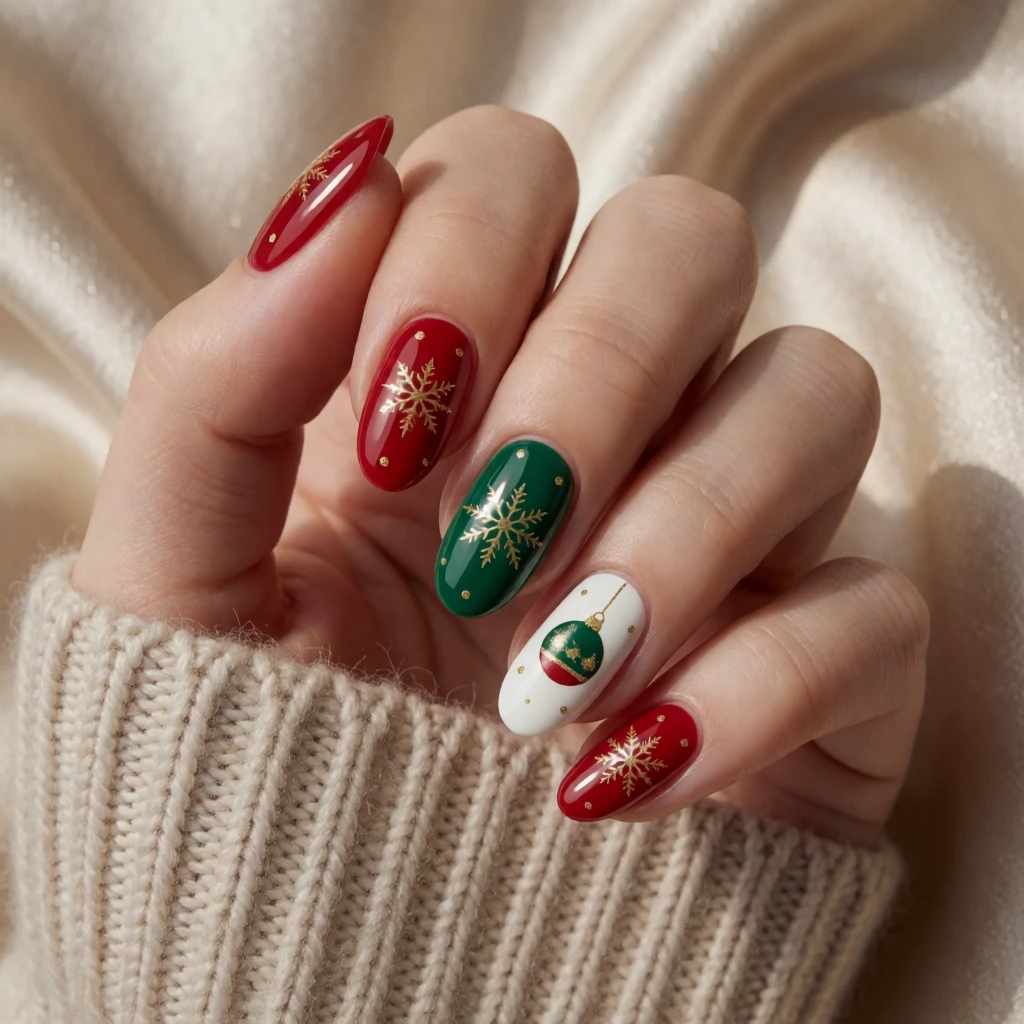
Three rules
Start here.
- Ask your technician or read your at-home kit label to confirm which product type you are using before the appointment, because the removal method differs and you will need that information later.
- Thin coats cure more evenly and are less likely to lift at the edges—whether you are in a salon or using a home kit, resist the urge to glob on color in one pass.
- Plan for proper removal from the start: soak-off gel needs acetone time, hard gel needs filing, and both need patience—do not pry, pick, or forcibly pull gel from the nail plate.
A styling reference, not a product photo.
What defines it
The basics
The term gel nails covers several different products that behave differently at removal time. Soft gel, also called soak-off gel, is the type used in most salon gel polish manicures—it cures under a UV or LED lamp and is removed by soaking in acetone. Hard gel, by contrast, is filed off rather than soaked and is more often used for nail extensions or overlays that add structural strength.
On short nails, the most common gel service is a soft gel polish manicure where the technician applies a base coat, two or more color coats, and a top coat, curing each layer under a lamp. This format works well for natural short nails because it covers and protects the nail plate without adding bulk, and the finish tends to stay intact for longer than regular polish.
The short length itself is not a limitation for gel. In fact, many gel clients specifically prefer short nails because there is less surface area to catch on things and less risk of lifting at the edges, which is one of the more common gel polish complaints. A well-prepped short nail with properly applied gel can wear cleanly for a couple of weeks.
Repeatable combinations
Formulas to try
- Sheer jelly gloss
- A sheer or translucent gel color in a pink, peach, or barely-there tint gives short nails a polished look without covering the natural nail entirely. The jelly effect—a gel finish with some transparency—lets the nail bed color show through and creates depth you cannot get with an opaque polish. It is also a forgiving finish on short nails because small imperfections in application are much less visible through a translucent layer than under an opaque one.
- Opaque cream in a bold color
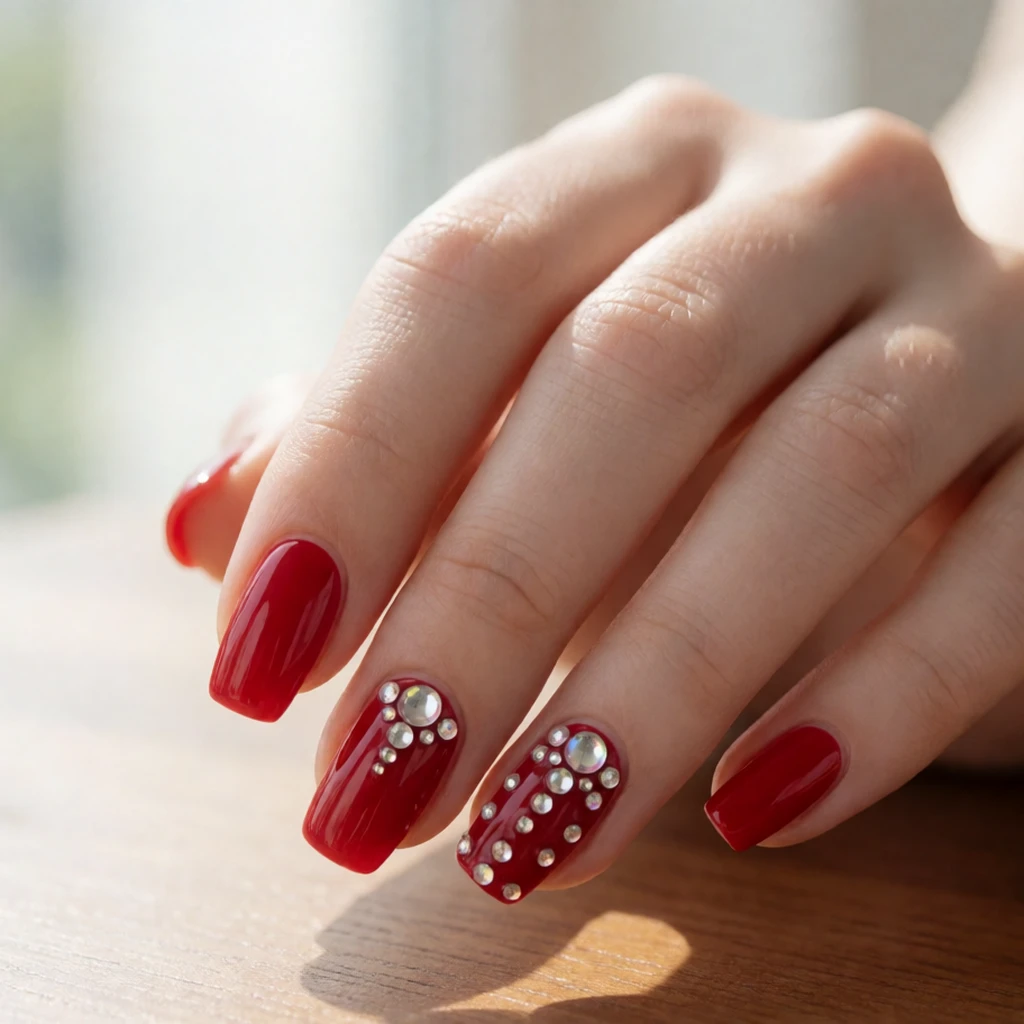
- Short gel nails in a fully opaque cream—think a clean white, a deep teal, or a real red—photograph sharply and look intentional at any length. The gel formula gives cream shades a smoothness that can be harder to achieve with regular polish in the same colors. For the cleanest result, apply in two thin coats and make sure the second coat covers any streaking from the first before you cure it.
- Chrome or mirror powder
- A chrome powder is rubbed over a tacky uncured—or specially formulated no-wipe—gel top coat to create a metallic mirror finish. On short nails the effect is compact and striking rather than overwhelming. Apply the powder with a silicone-tipped tool or a small eyeshadow applicator in small circular motions until the nail is fully covered, then seal with a non-wipe gel top coat and cure.
- Cat-eye magnetic gel
- Cat-eye gel contains fine metallic particles that a magnet moves while the gel is uncured. Hold the magnet close to the wet gel for several seconds before curing and the particles shift into a line, stripe, or star pattern depending on the magnet type. On short nails, a single centered stripe reads cleanly.
- Gel with embedded texture
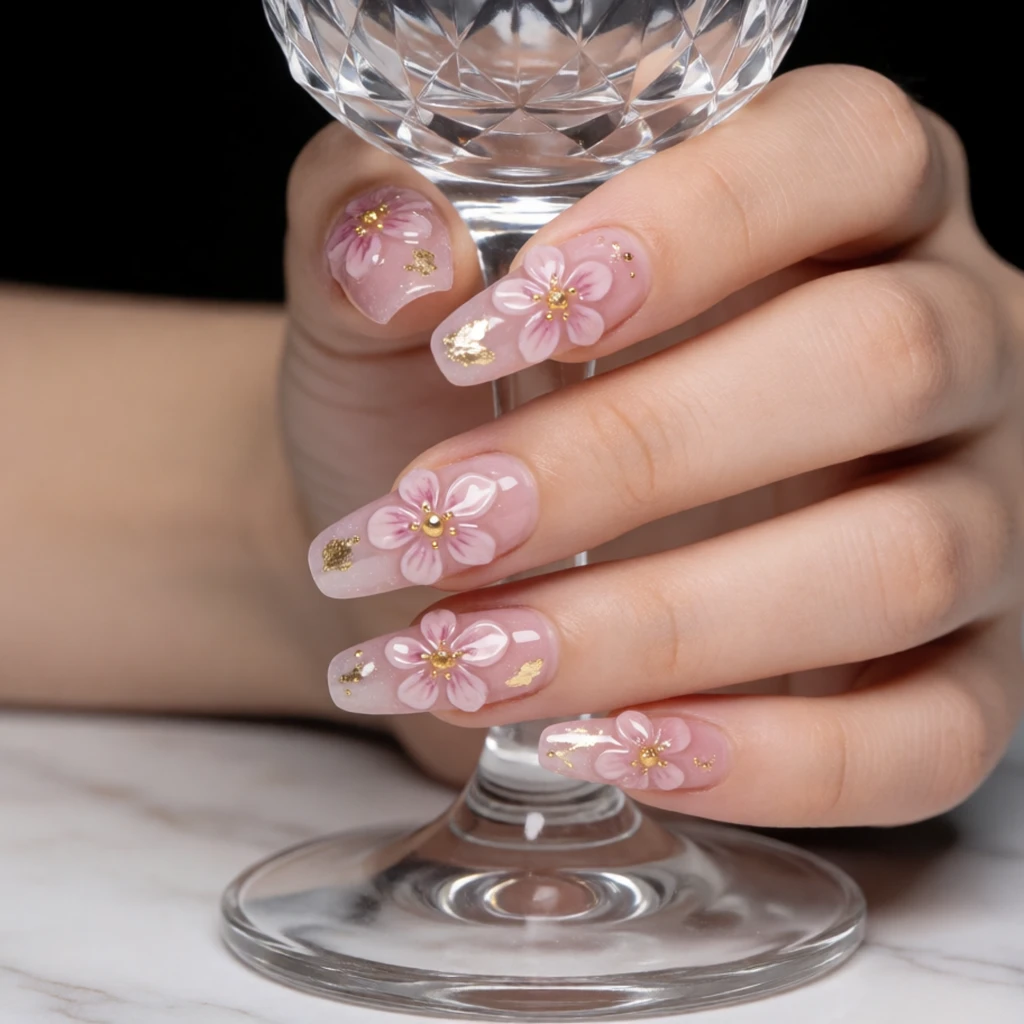
- Pressing small items—fine glitter, flakies, or dried botanicals—into uncured gel creates a dimensional finish that is sealed and protected once you add a top coat. On short nails, keep the texture to one accent nail or use very fine particles across all nails so the surface does not feel rough to the touch. Any organic material embedded in gel should be fully sealed so there is no gap at the edges where moisture could eventually get underneath.
Your needs, your plans
Before you buy
- LED versus UV lamp
- Most modern gel polishes are formulated for LED lamps, which cure in fifteen to sixty seconds. Some older or specialty gels still require a UV lamp, which takes longer. Using the wrong lamp type can result in under-cured gel that stays tacky or chips quickly without any obvious sign during the appointment. Check that your gel and lamp are from compatible systems, especially if you are using a home kit.
- Skin and cuticle protection during removal
- Acetone is drying to the skin and cuticle if it sits for extended periods. When doing a soak-off removal, apply a thin layer of cuticle oil or petroleum jelly to the skin around the nails before wrapping with foil and acetone-soaked cotton. This limits skin contact without preventing the acetone from reaching the gel. After removal, follow up with a hand cream and cuticle oil.
- Asking about removal at booking
- Before your appointment, call or message to ask whether the salon charges separately for removal, how long the removal slot takes, and whether they use foil soaks or an electric file on natural nails. Some salons use an e-file aggressively on the gel surface first to thin it, which is fine for hard gel but can damage the natural nail if done carelessly on a soak-off manicure. Knowing the process helps you ask informed follow-up questions.
- At-home kit curing times
- At-home gel kits list curing times on the label for a reason—those times are calculated for the lamp wattage in the kit. If you upgrade to a higher-wattage lamp thinking faster is better, check whether the gel manufacturer provides updated curing times for more powerful lamps. Over-curing is less common than under-curing but can affect the finish and flexibility of the gel.
From what you own
Build it and repeat it
For a salon appointment, arrive with clean nails and no polish so the technician can spend the full prep time on the nail plate rather than removal. If you have done your own gel at home recently and are not fully comfortable removing it, ask the salon to remove it rather than doing it yourself right before—an incomplete home removal can leave gel residue that prevents the new base coat from bonding.
For a home gel kit, read through all the instructions before starting rather than reading each step as you go. Set up near an outlet so the lamp cord is not a hazard, and keep a lint-free wipe and a small brush with gel cleanser handy for cleanup during application.
Shop the pieces
16 short & almond pieces
Links open similar items, not the pictured ones.
-
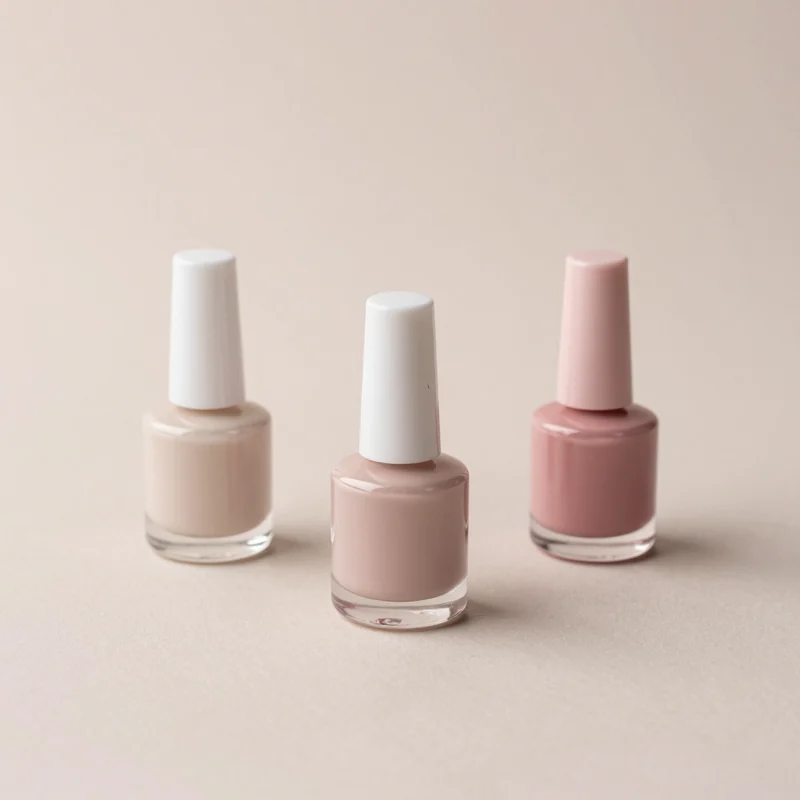
Nude pink nail polish set
What to check
A real product chosen to look like the picture. The picture is a styling reference, not this exact product.
-
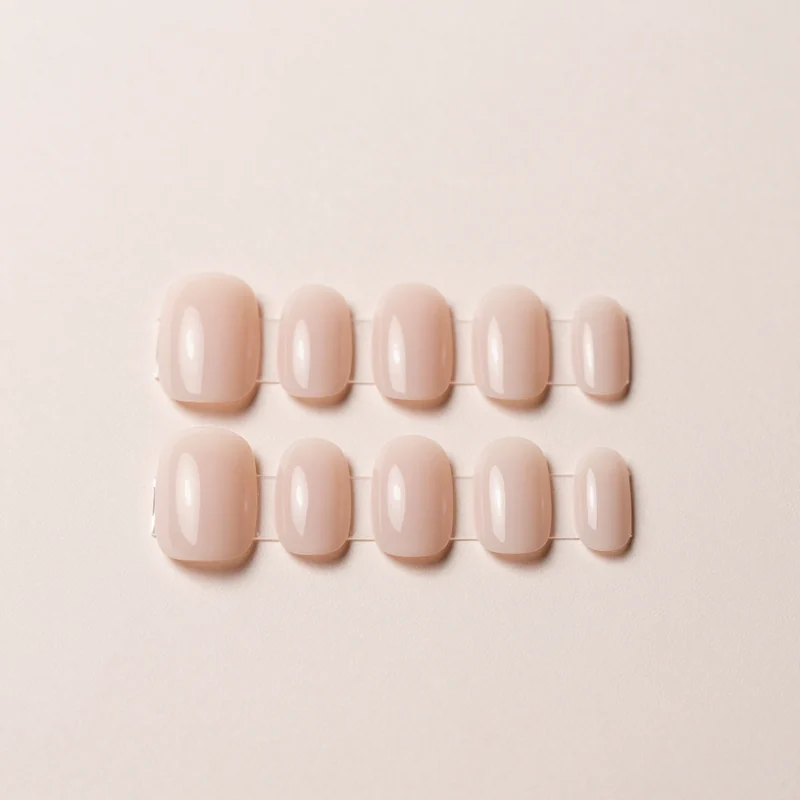
Short almond press-on nails
What to check
A real product chosen to look like the picture. The picture is a styling reference, not this exact product.
-
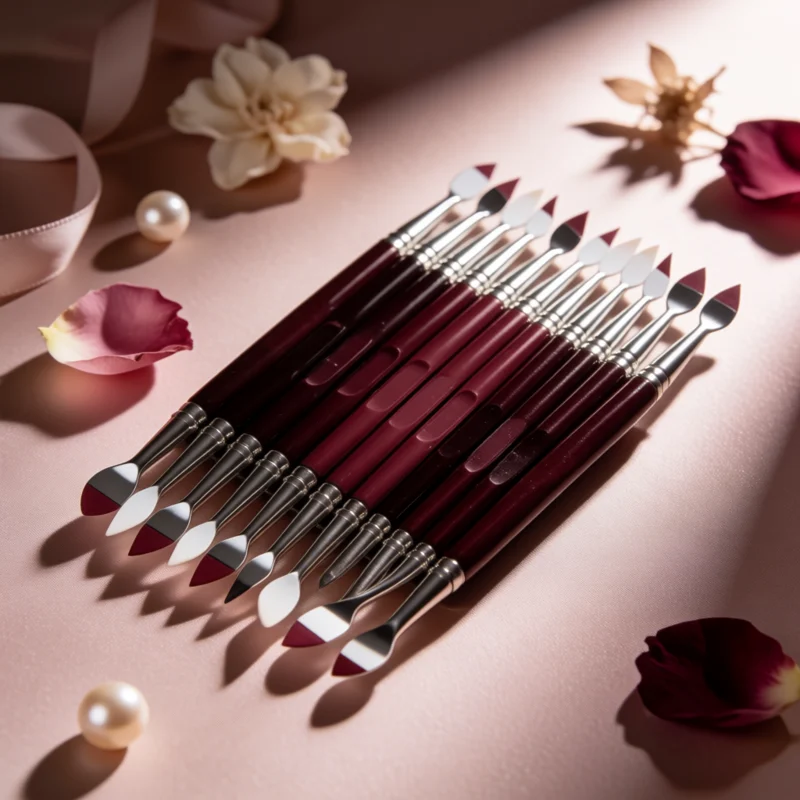
Nail art dotting tools
What to check
A real product chosen to look like the picture. The picture is a styling reference, not this exact product.
-
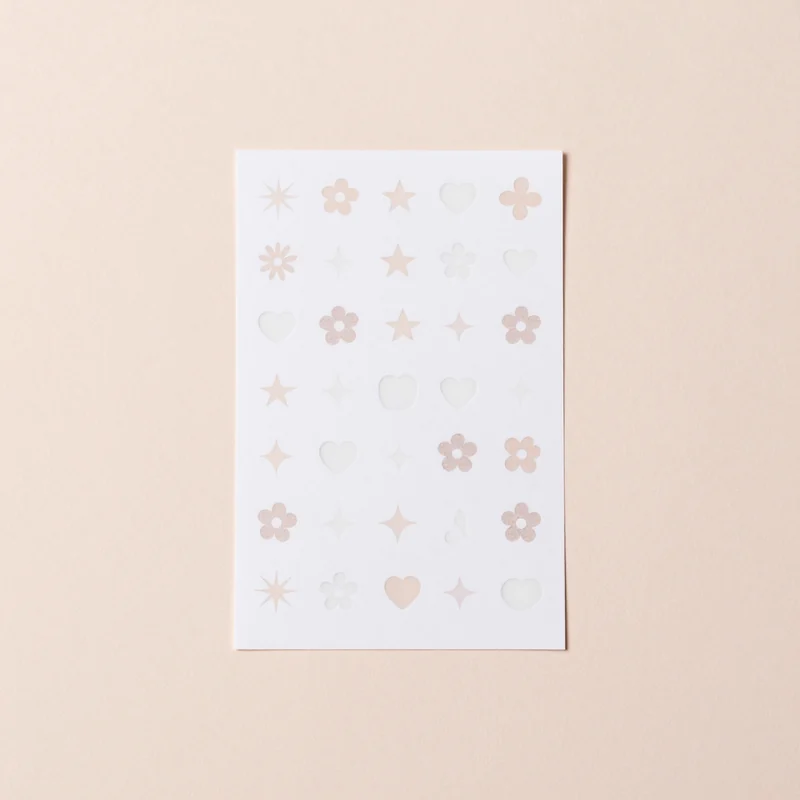
Stickers
What to check
A real product chosen to look like the picture. The picture is a styling reference, not this exact product.
-
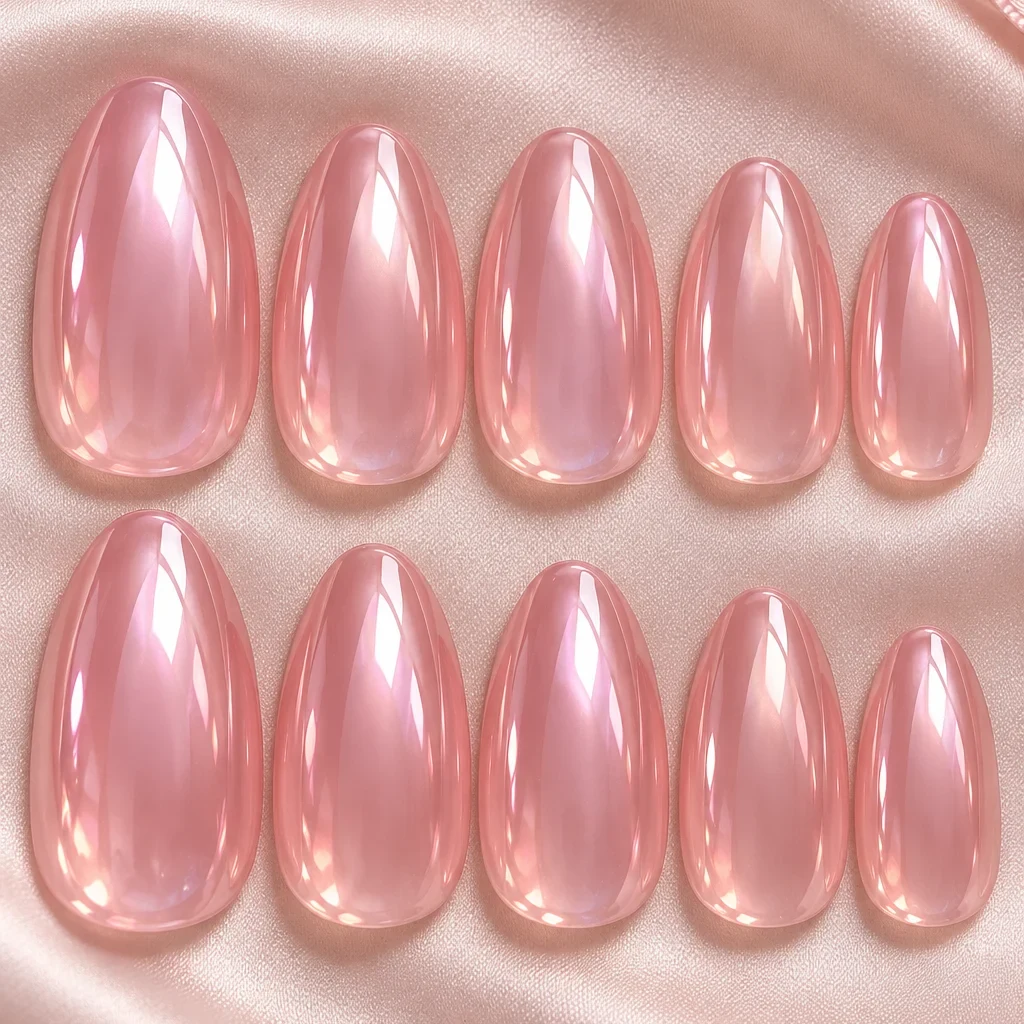
Pink Jelly Chrome
What to check
A real product chosen to look like the picture. The picture is a styling reference, not this exact product.
-
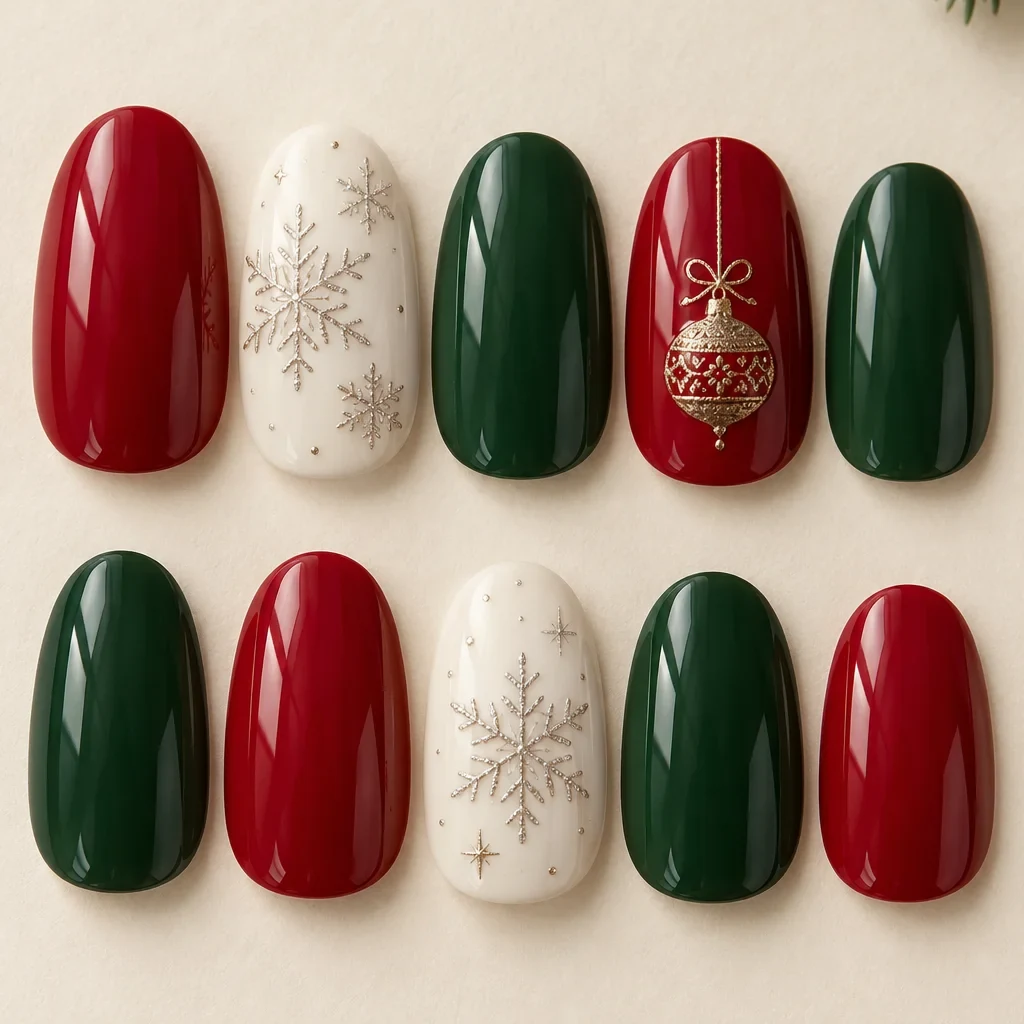
Christmas Nails Short
What to check
A real product chosen to look like the picture. The picture is a styling reference, not this exact product.
-
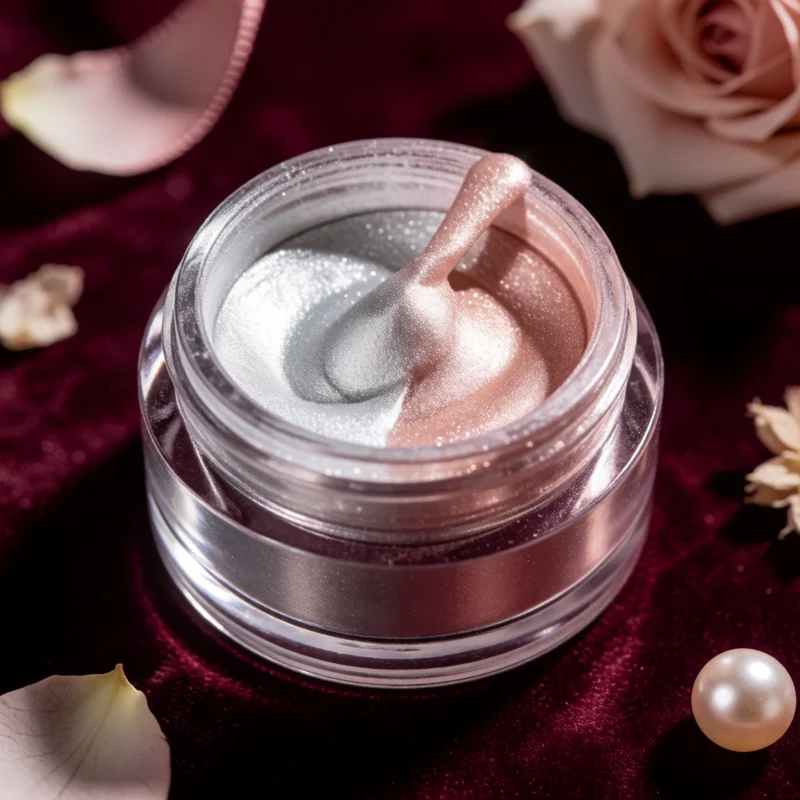
Chrome nail powder
What to check
A real product chosen to look like the picture. The picture is a styling reference, not this exact product.
-
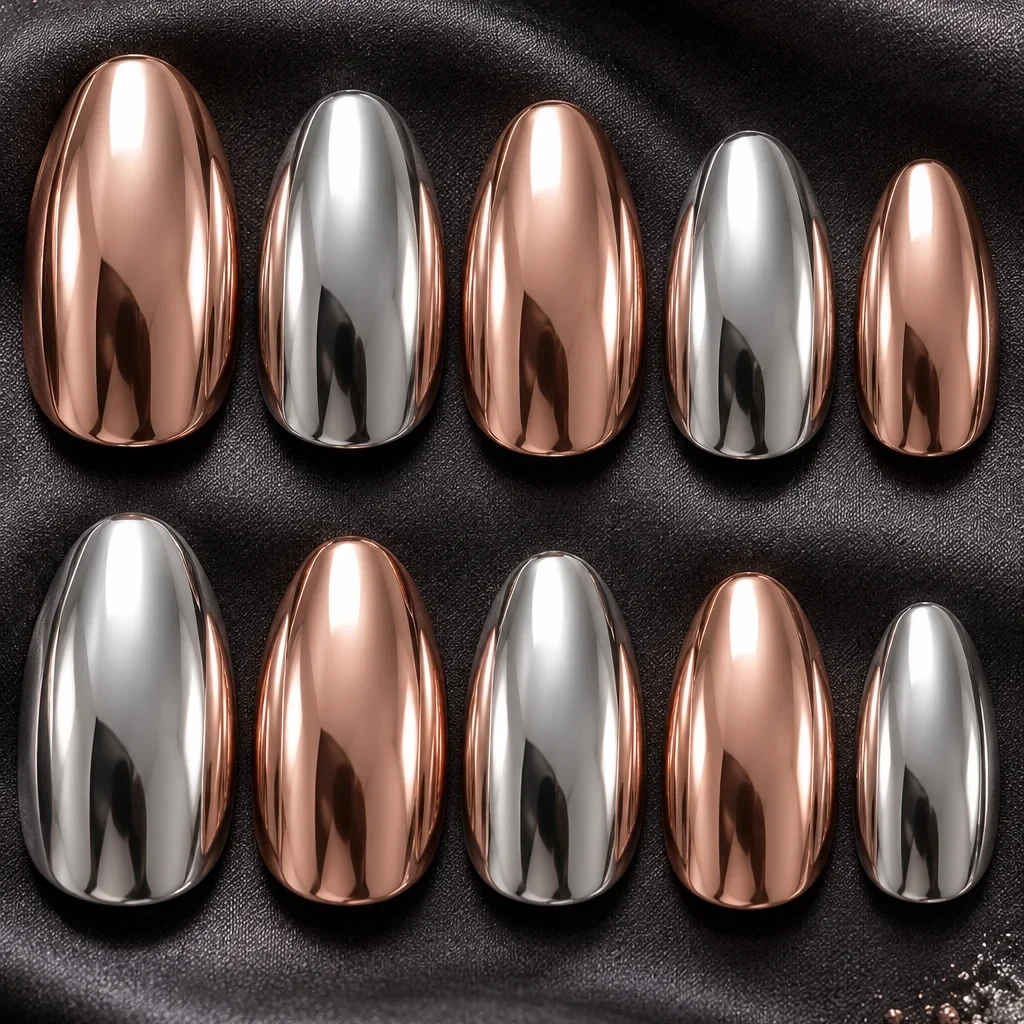
Chrome Nail Powder
What to check
A real product chosen to look like the picture. The picture is a styling reference, not this exact product.
Show all 16 pieces
-
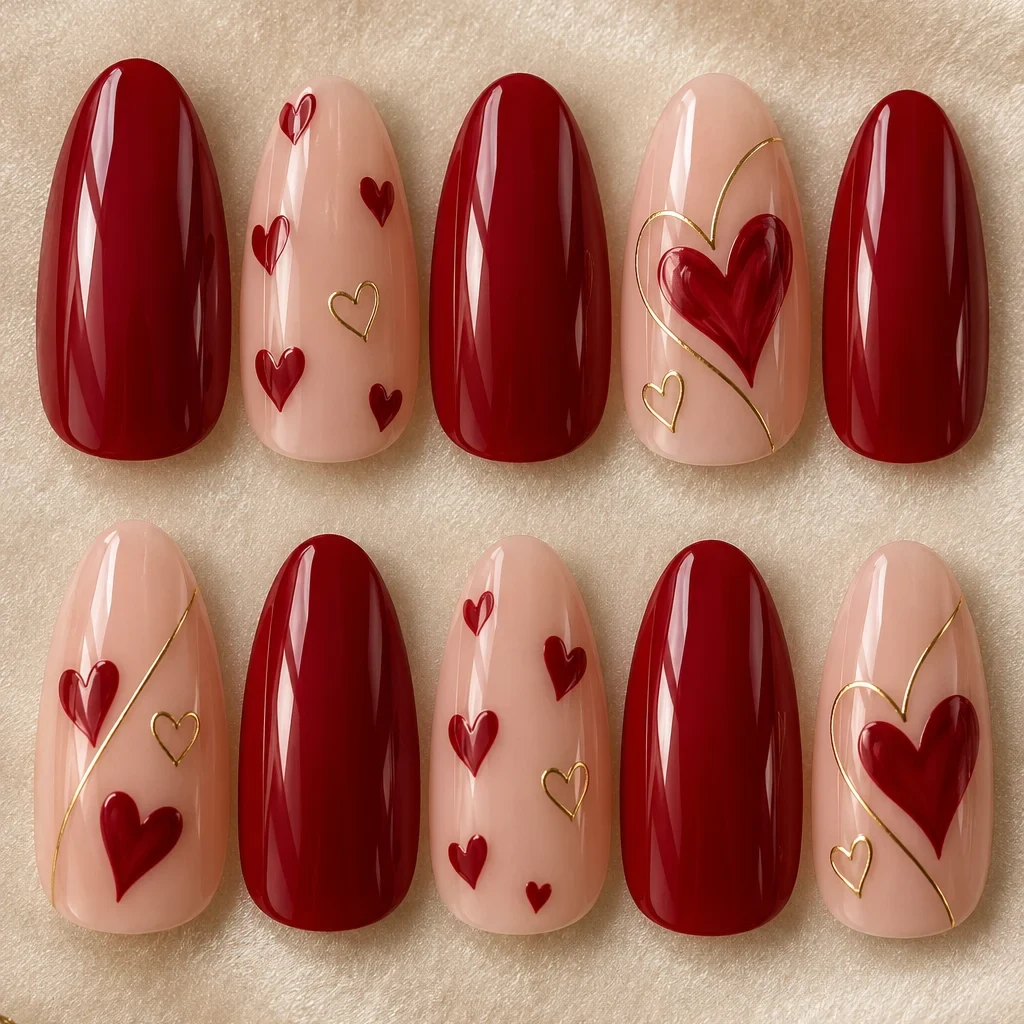
Deep Red Heart Nails
What to check
A real product chosen to look like the picture. The picture is a styling reference, not this exact product.
-
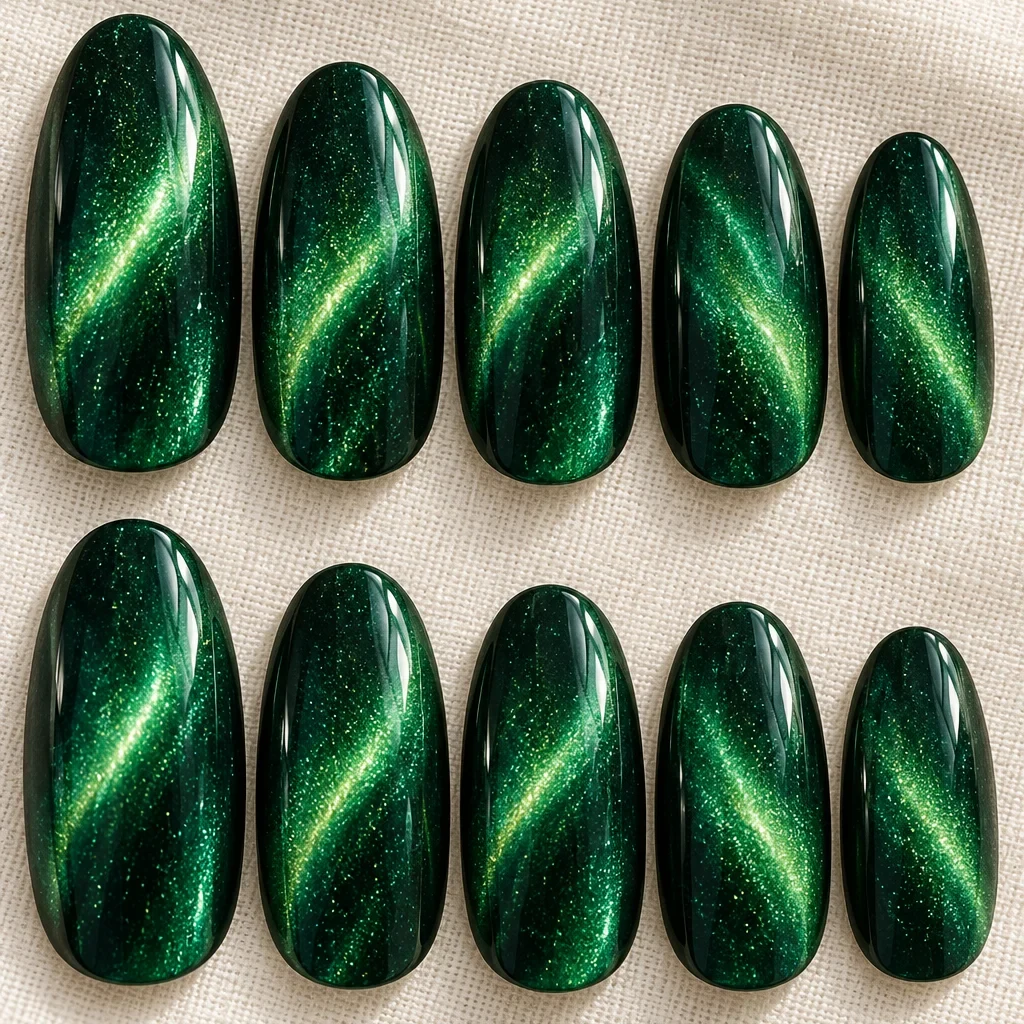
Emerald Cat Eye Nails
What to check
A real product chosen to look like the picture. The picture is a styling reference, not this exact product.
-
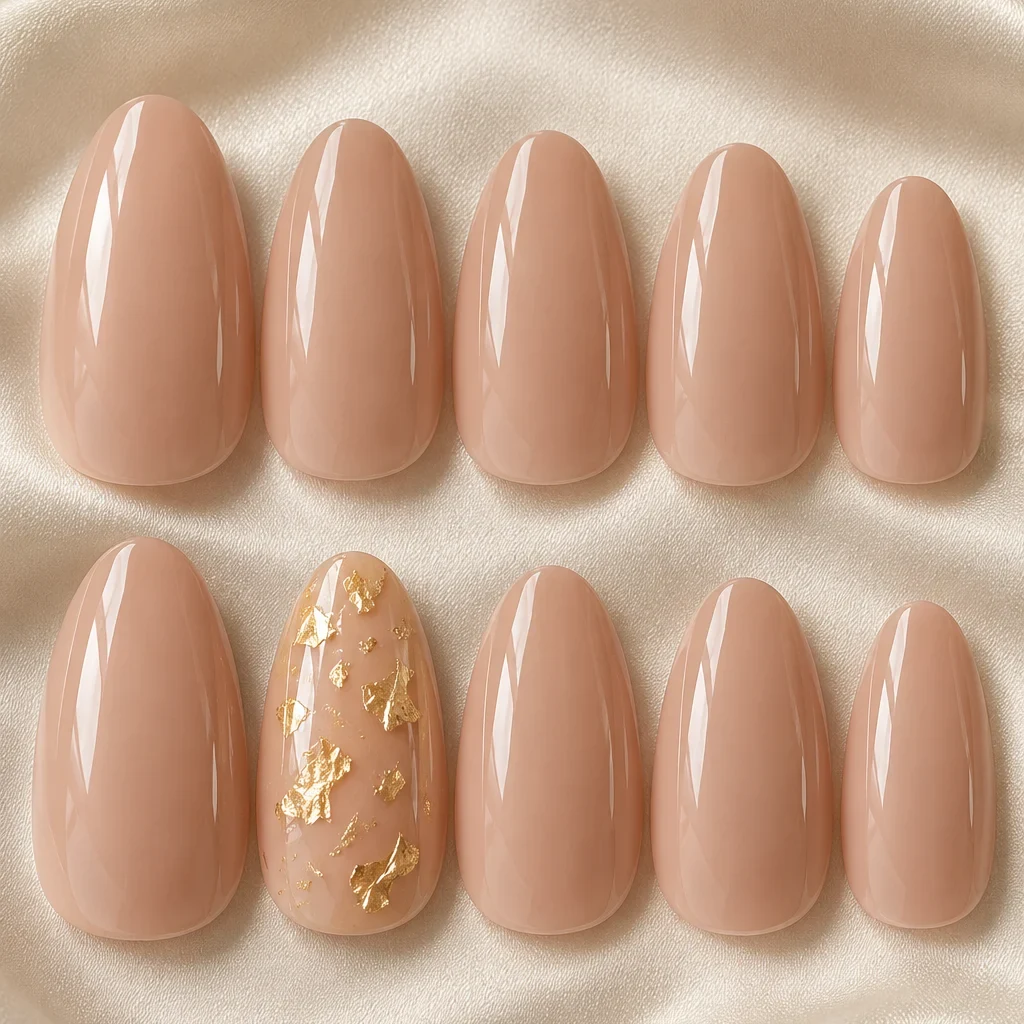
Gold foil accent
What to check
A real product chosen to look like the picture. The picture is a styling reference, not this exact product.
-
High-gloss top coat
What to check
A real product chosen to look like the picture. The picture is a styling reference, not this exact product.
-
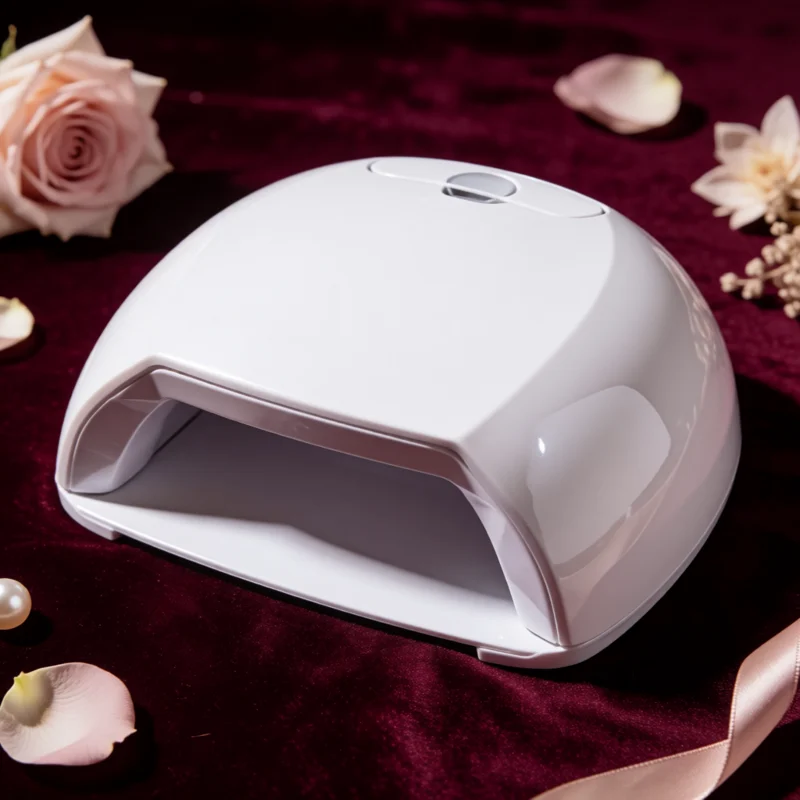
LED/UV nail lamp
What to check
A real product chosen to look like the picture. The picture is a styling reference, not this exact product.
-
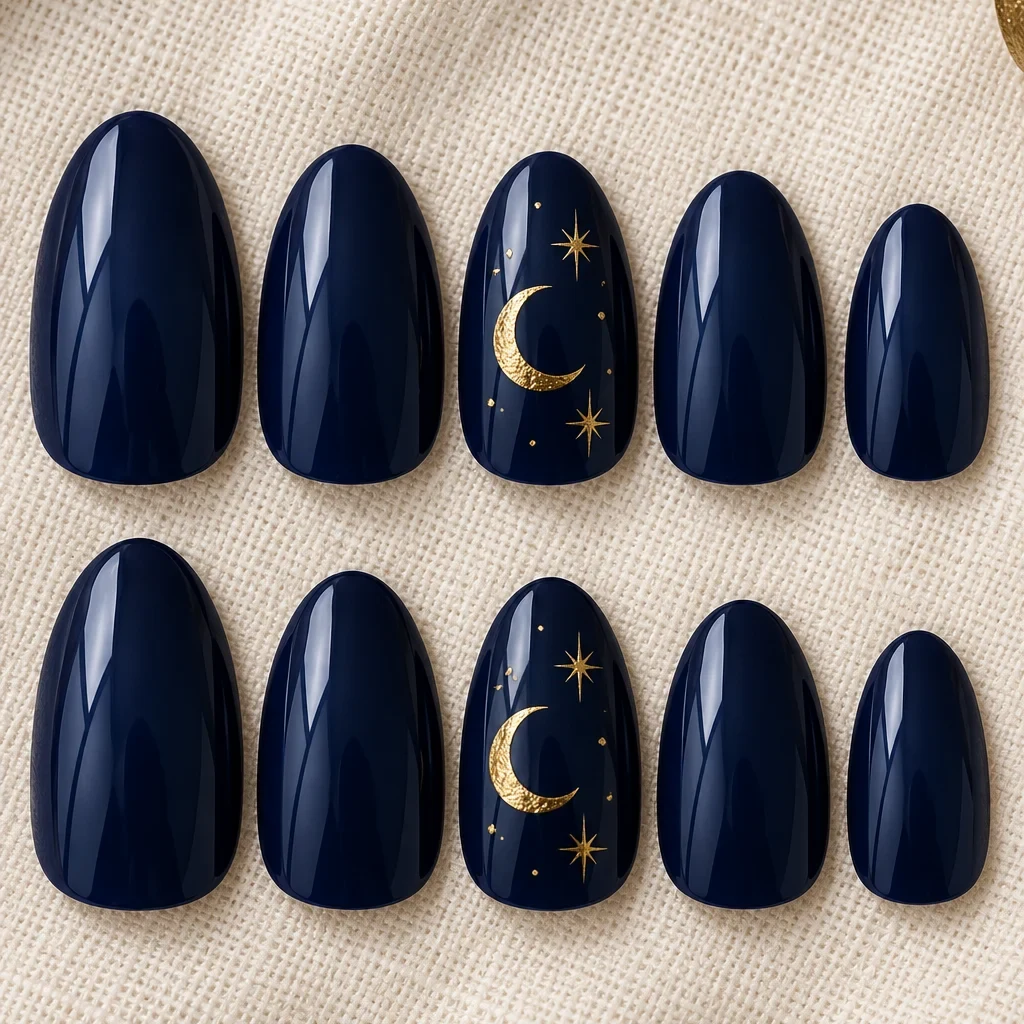
Moon-and-star accents
What to check
A real product chosen to look like the picture. The picture is a styling reference, not this exact product.
-
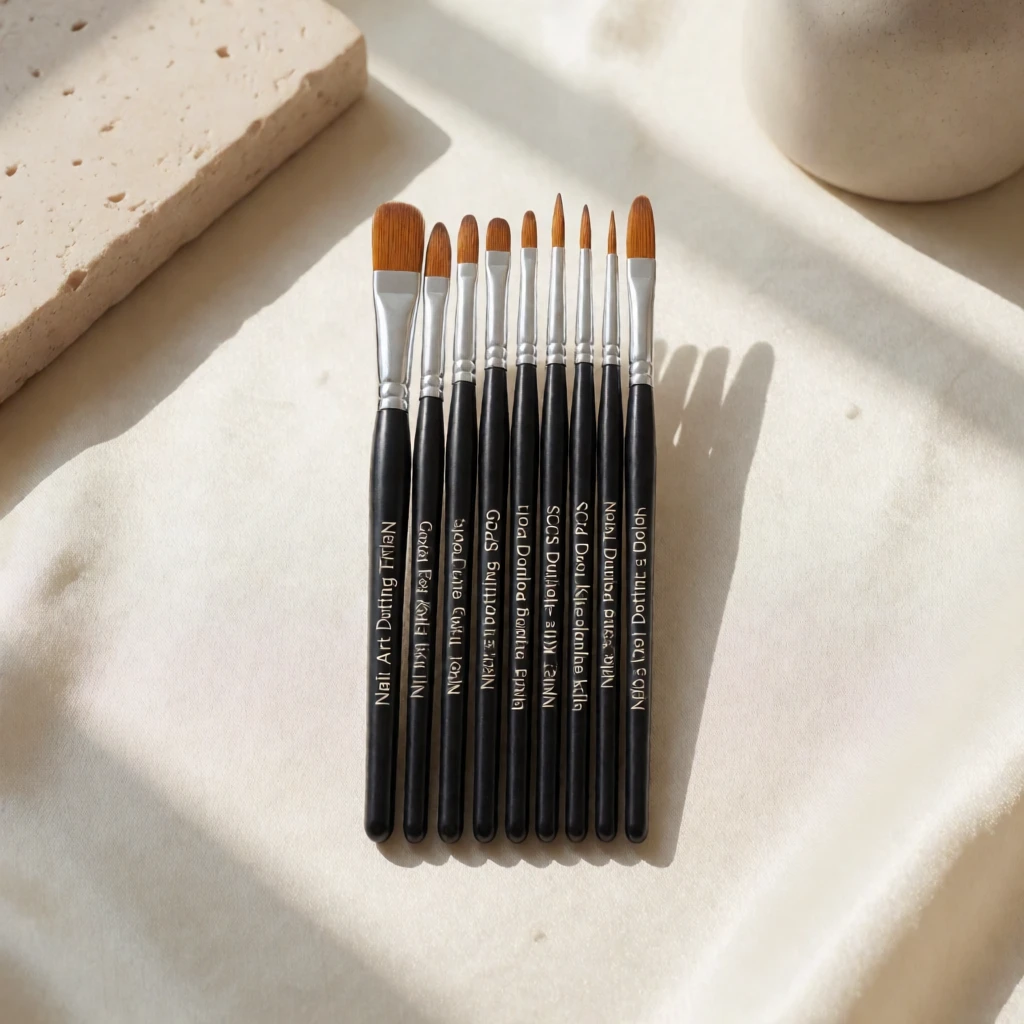
Nail art liner brushes
What to check
A real product chosen to look like the picture. The picture is a styling reference, not this exact product.
-
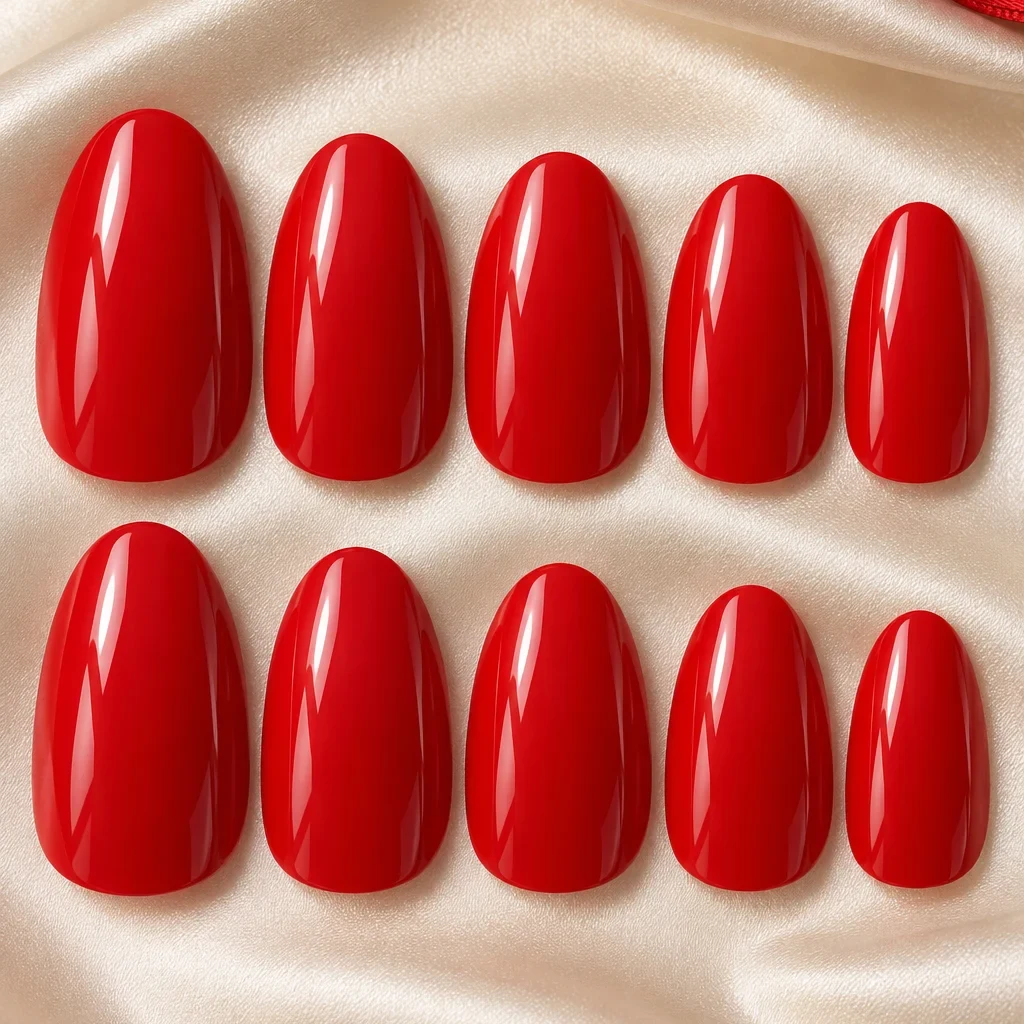
Red Almond Nails
What to check
A real product chosen to look like the picture. The picture is a styling reference, not this exact product.
The gallery
32 short & almond looks
Open a look to see its pieces.
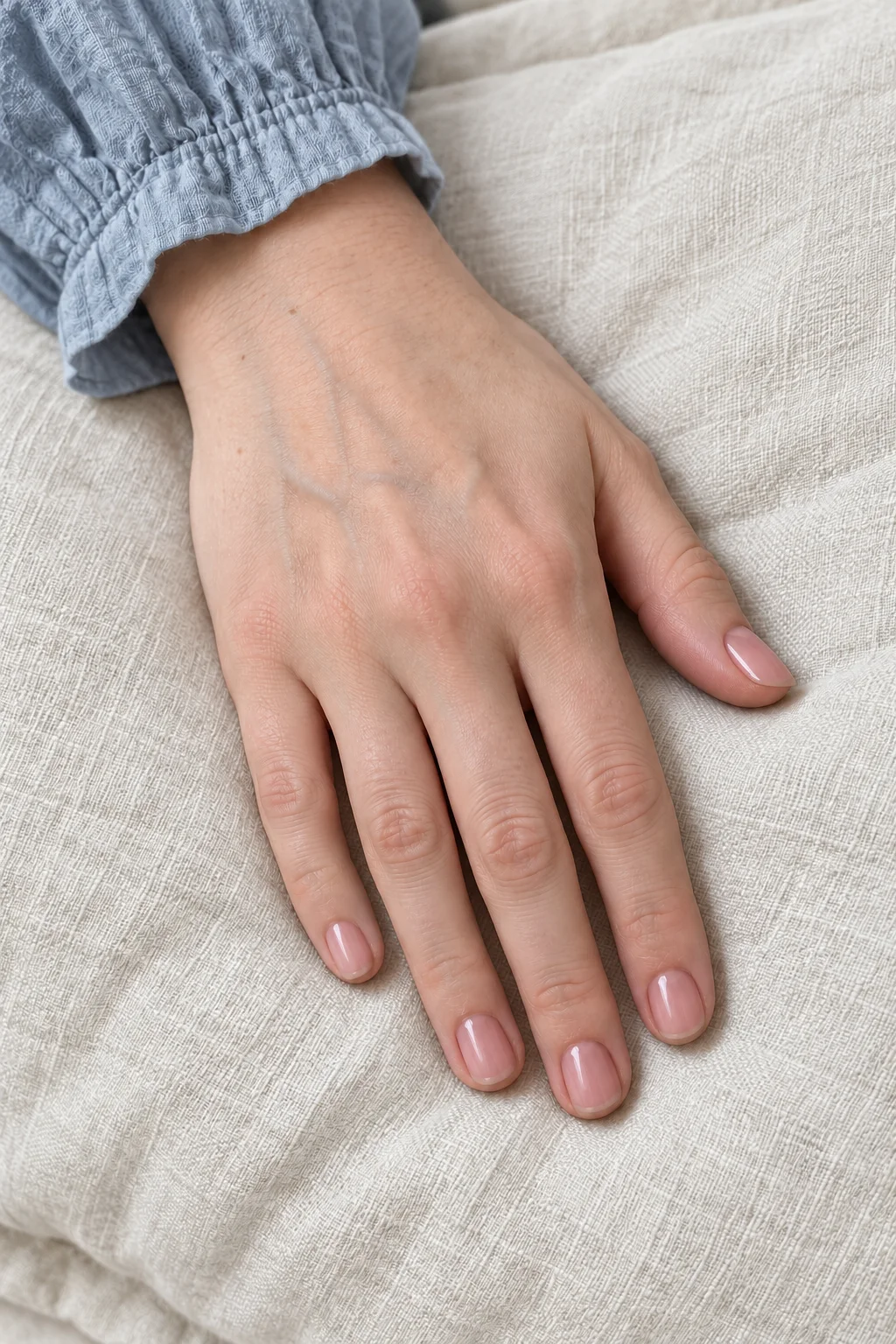 Rosy nude
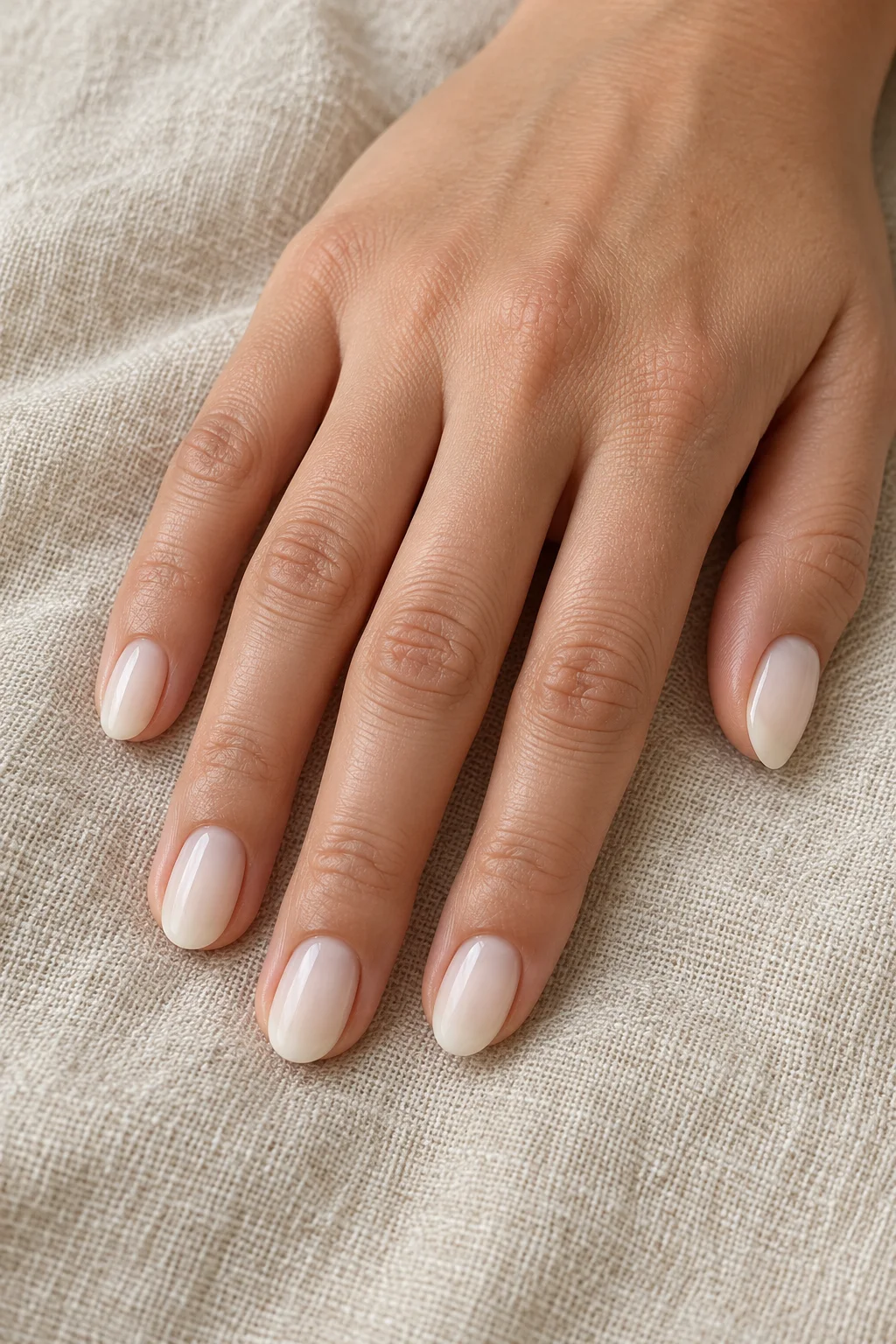 Milky ivory
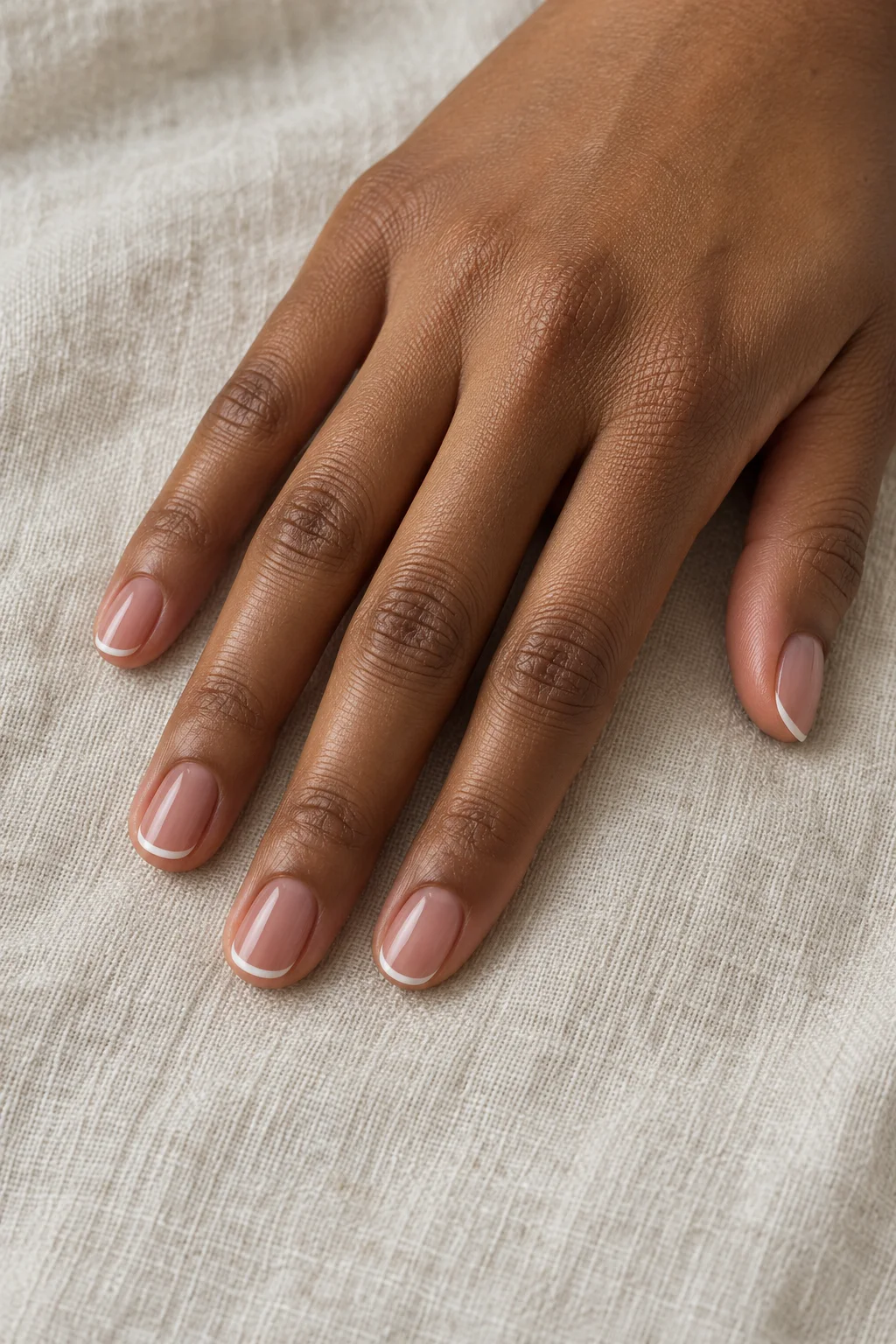 Micro French tips
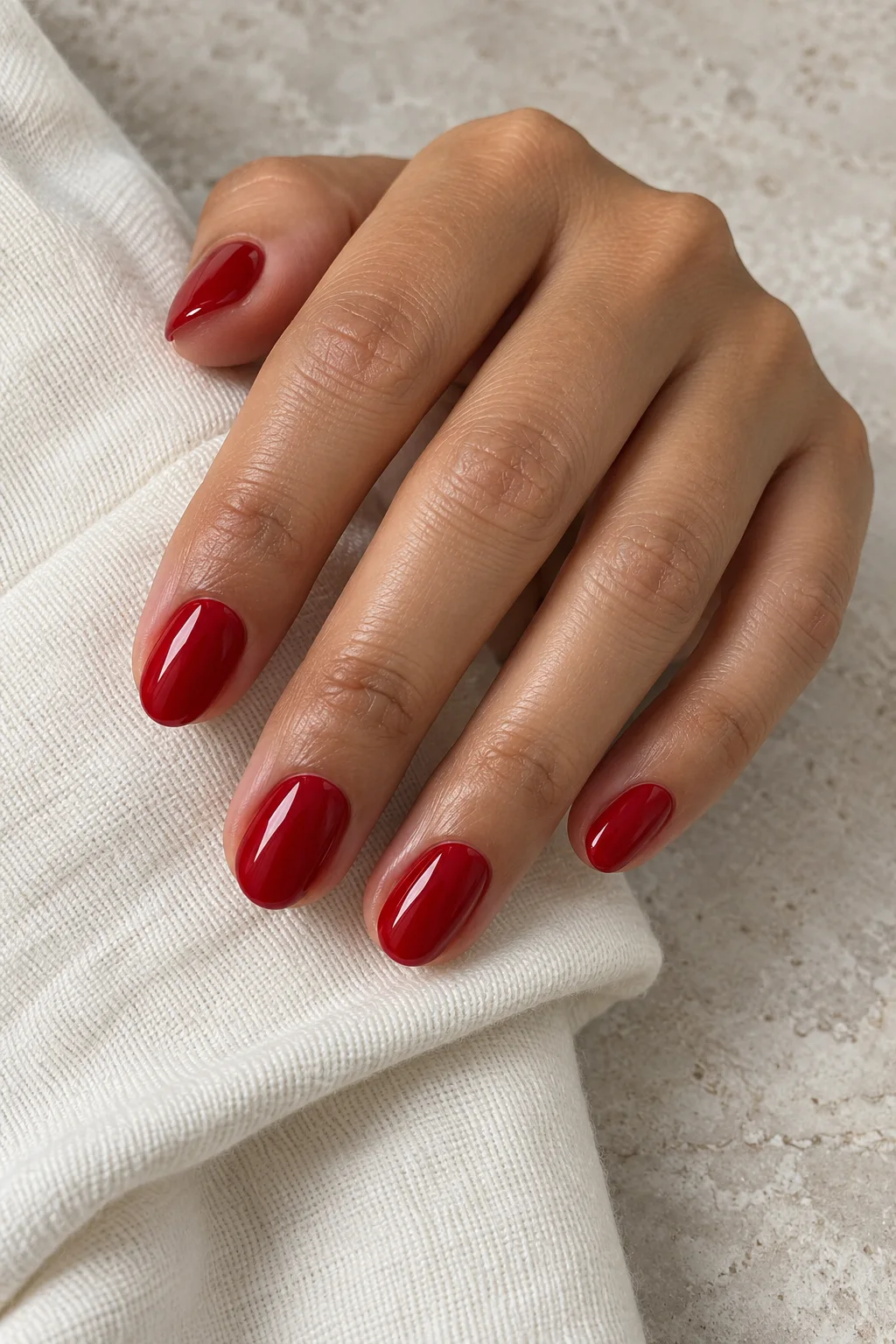 Cherry red
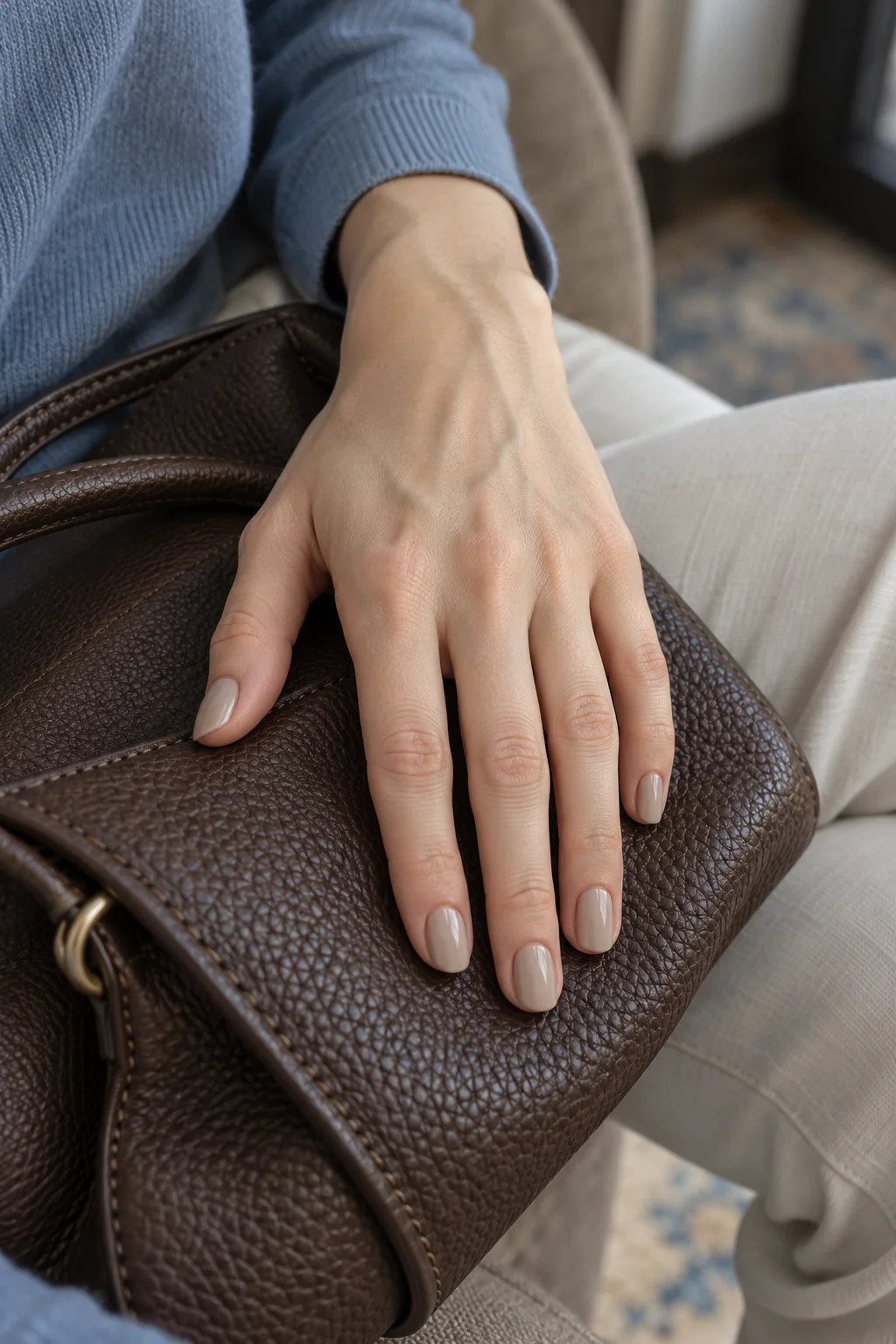 Latte beige
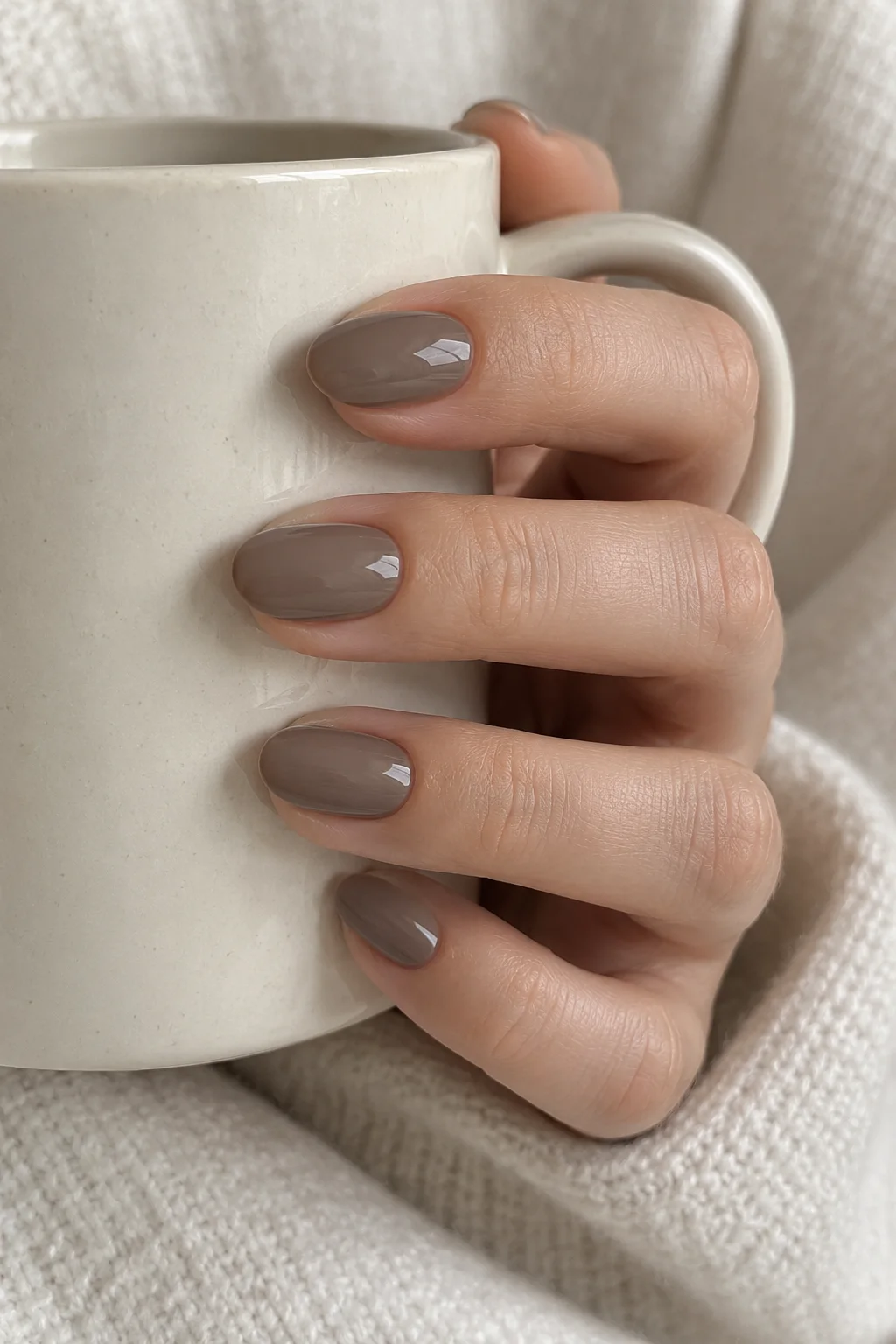 Cool taupe
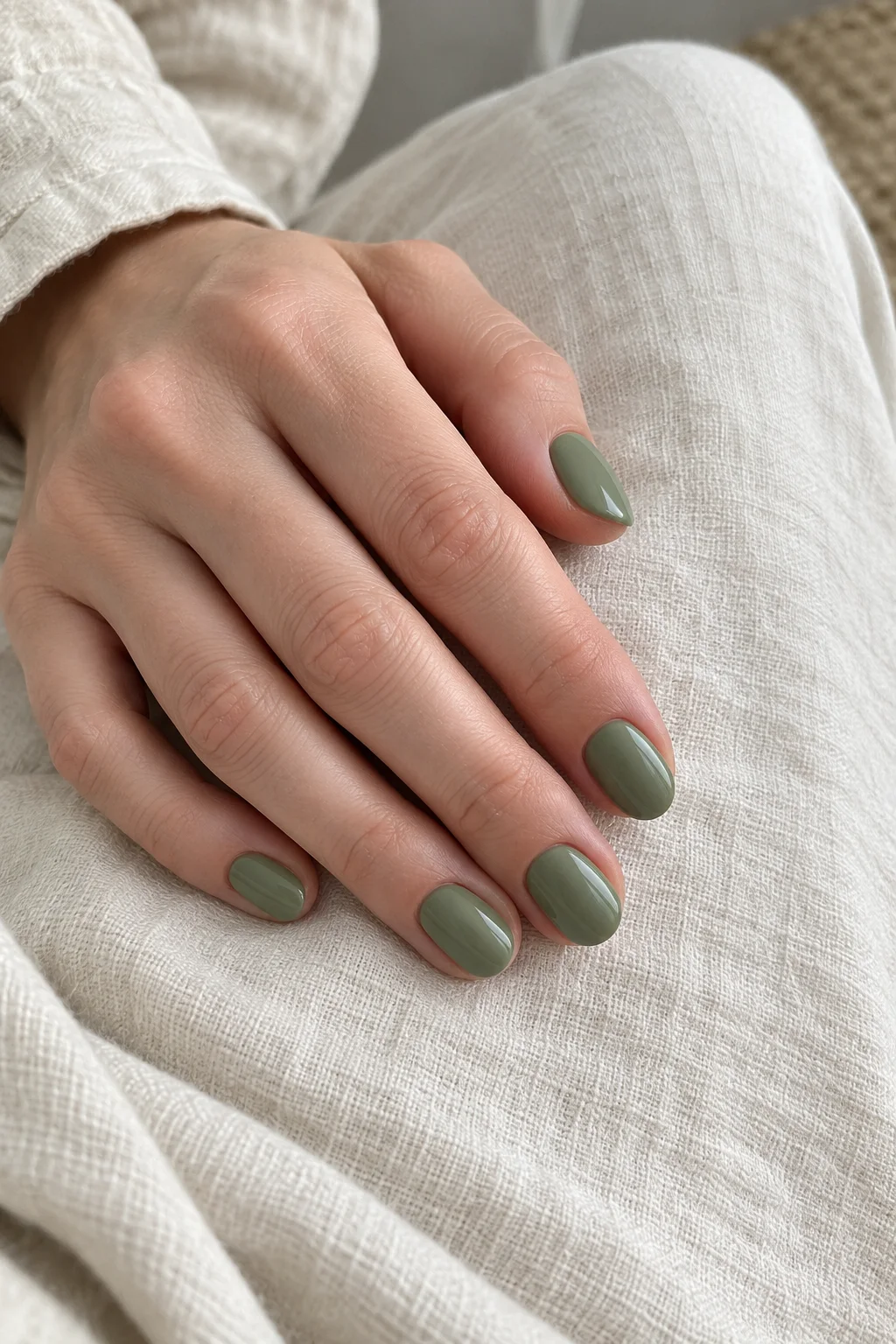 Sage green
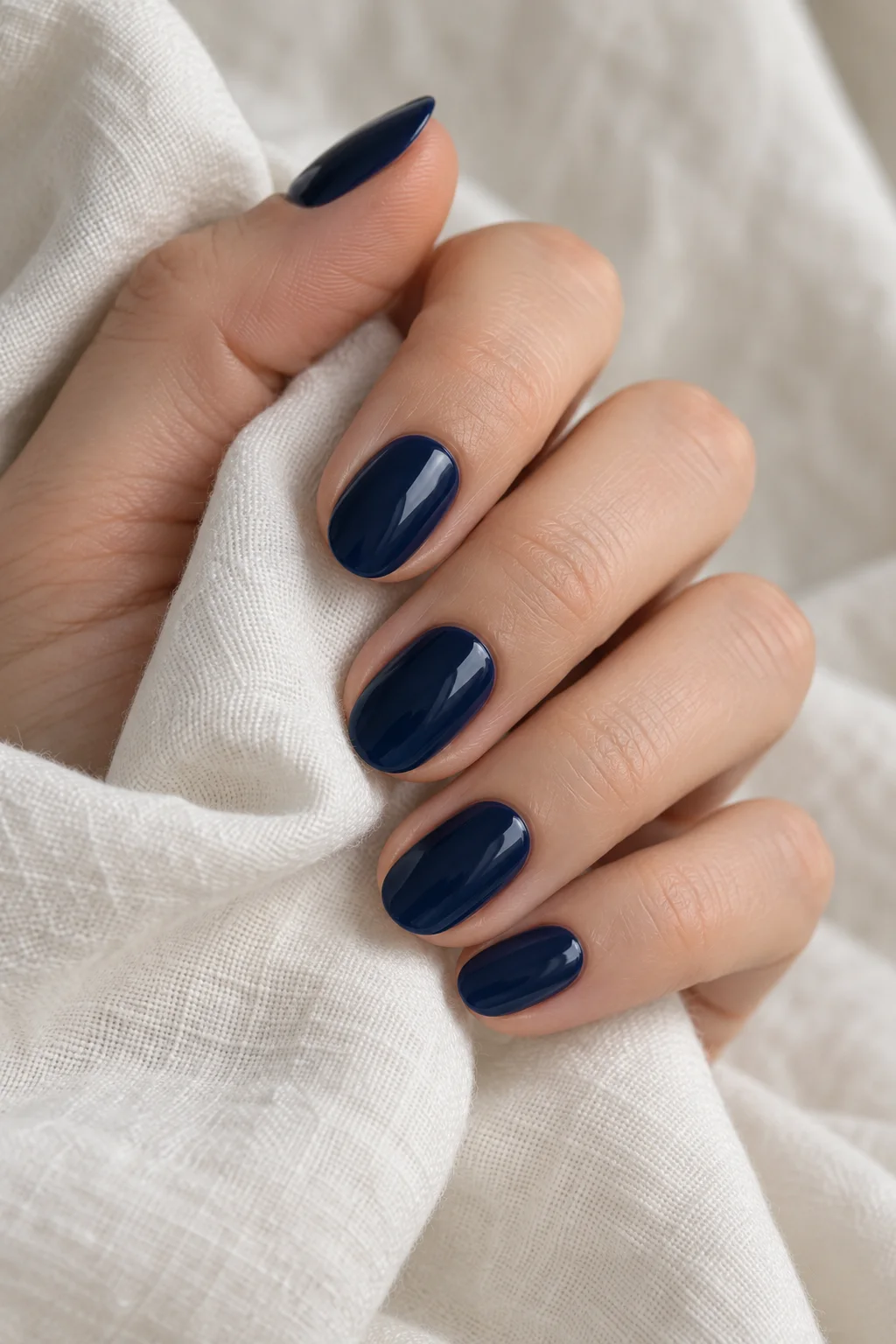 Deep navy
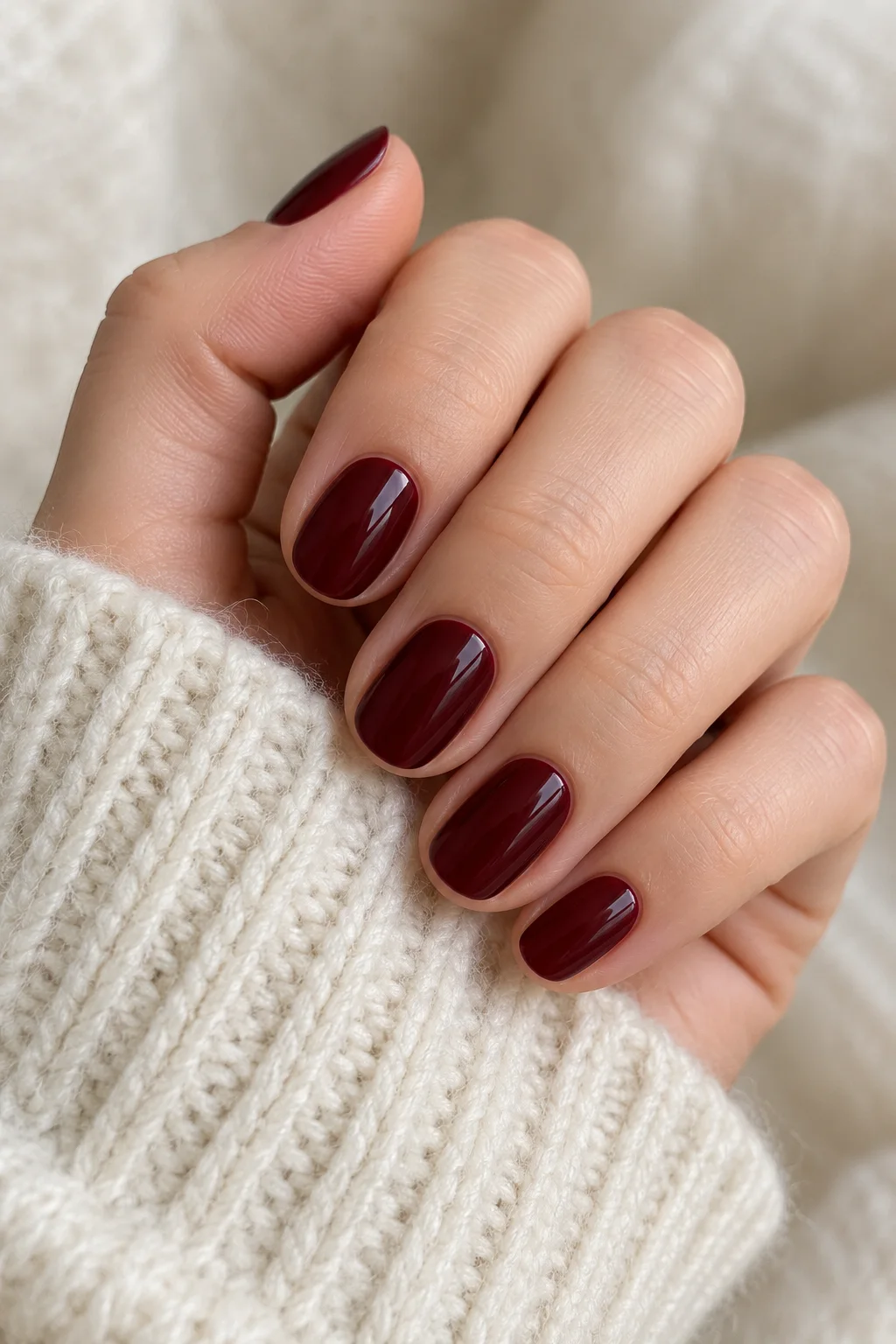 Burgundy
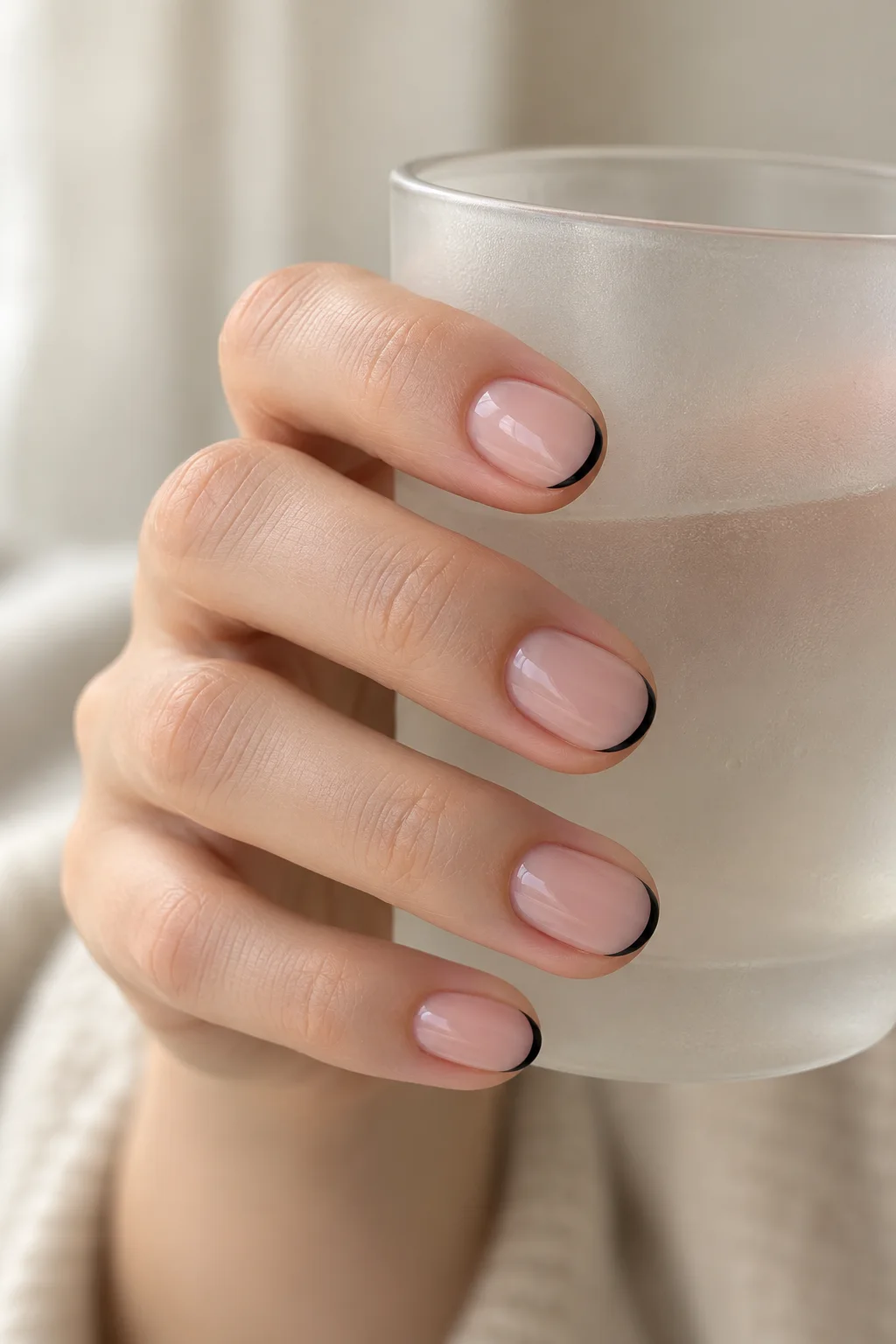 Black French edges
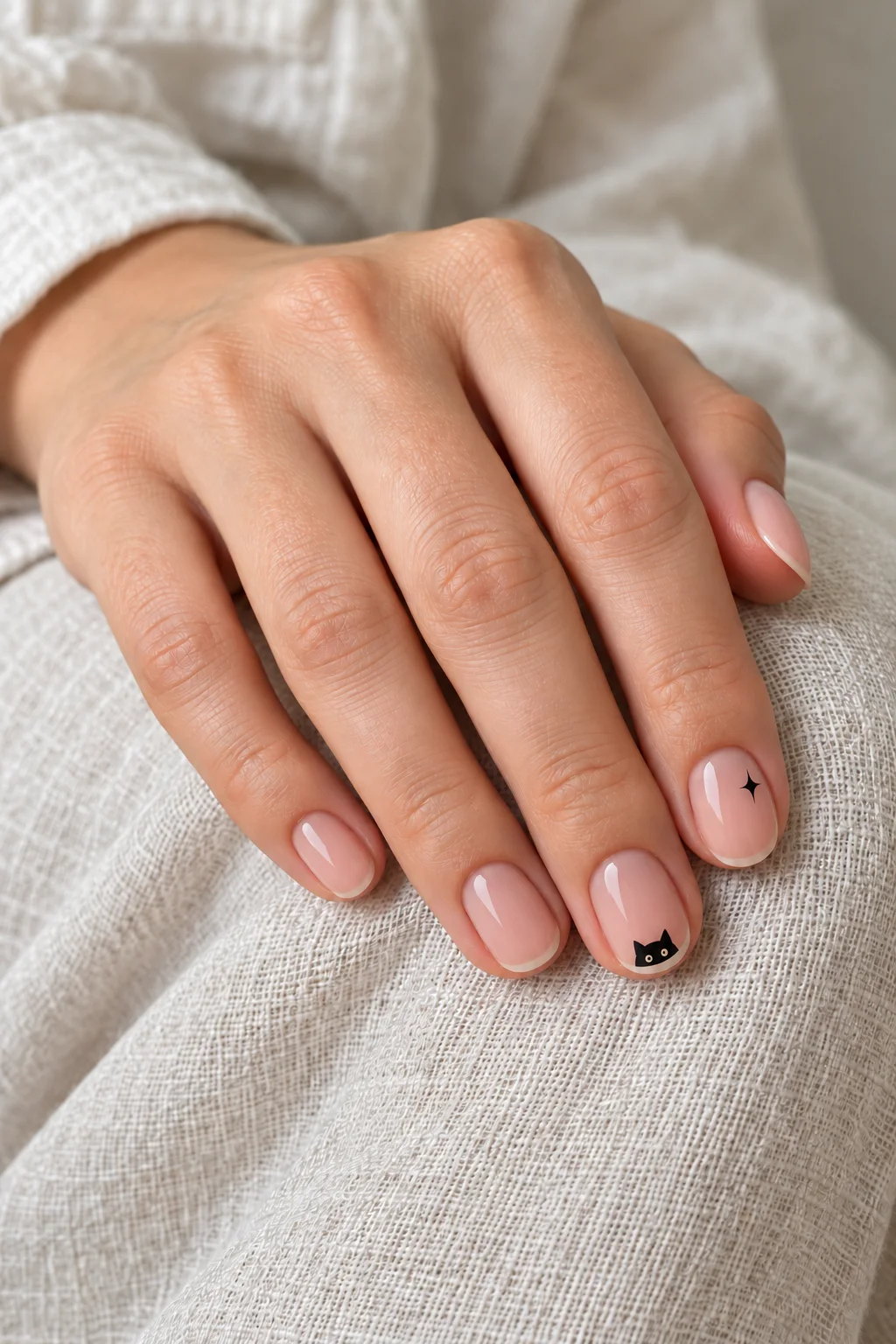 Tiny anime-inspired cat accent
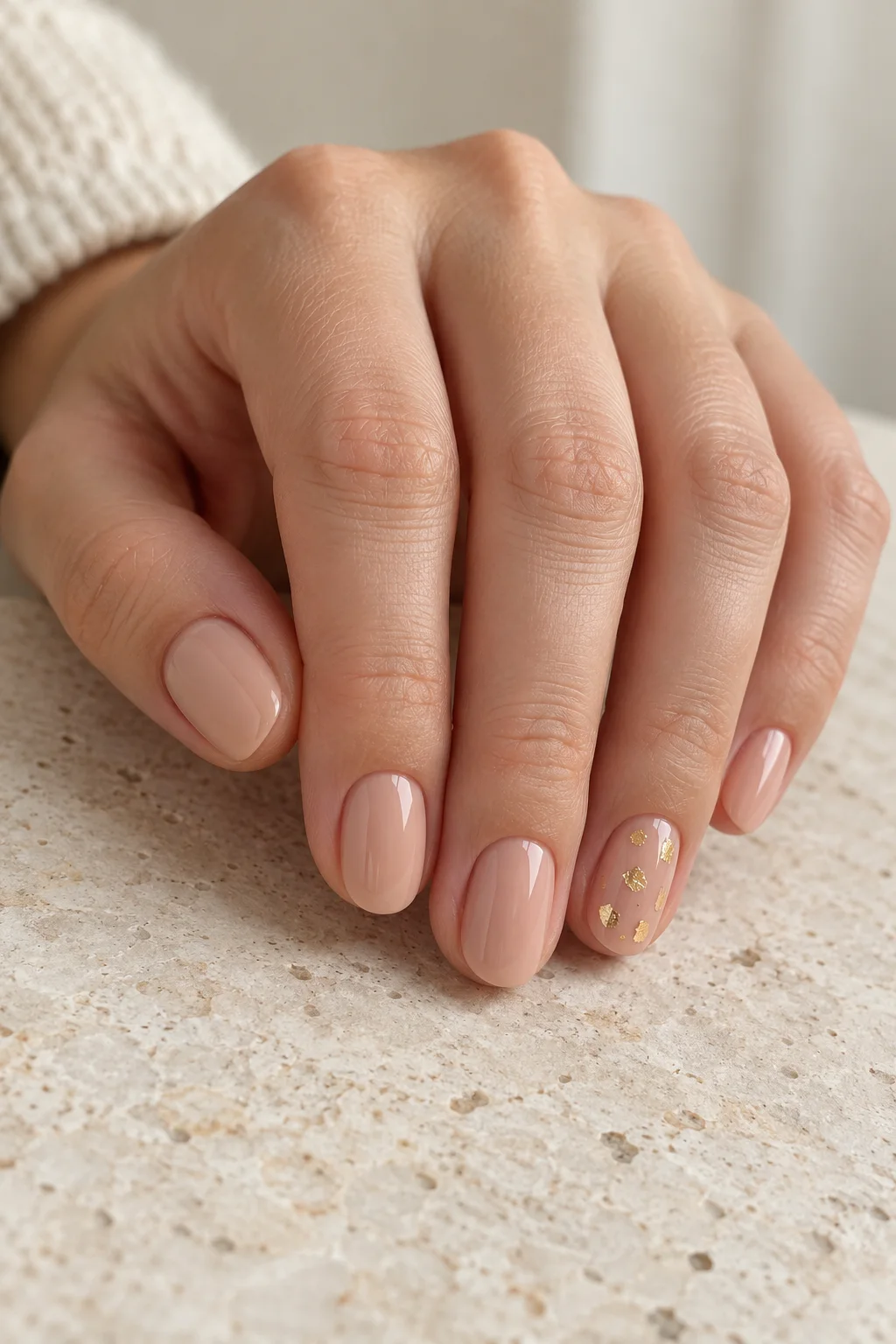 Gold foil accent
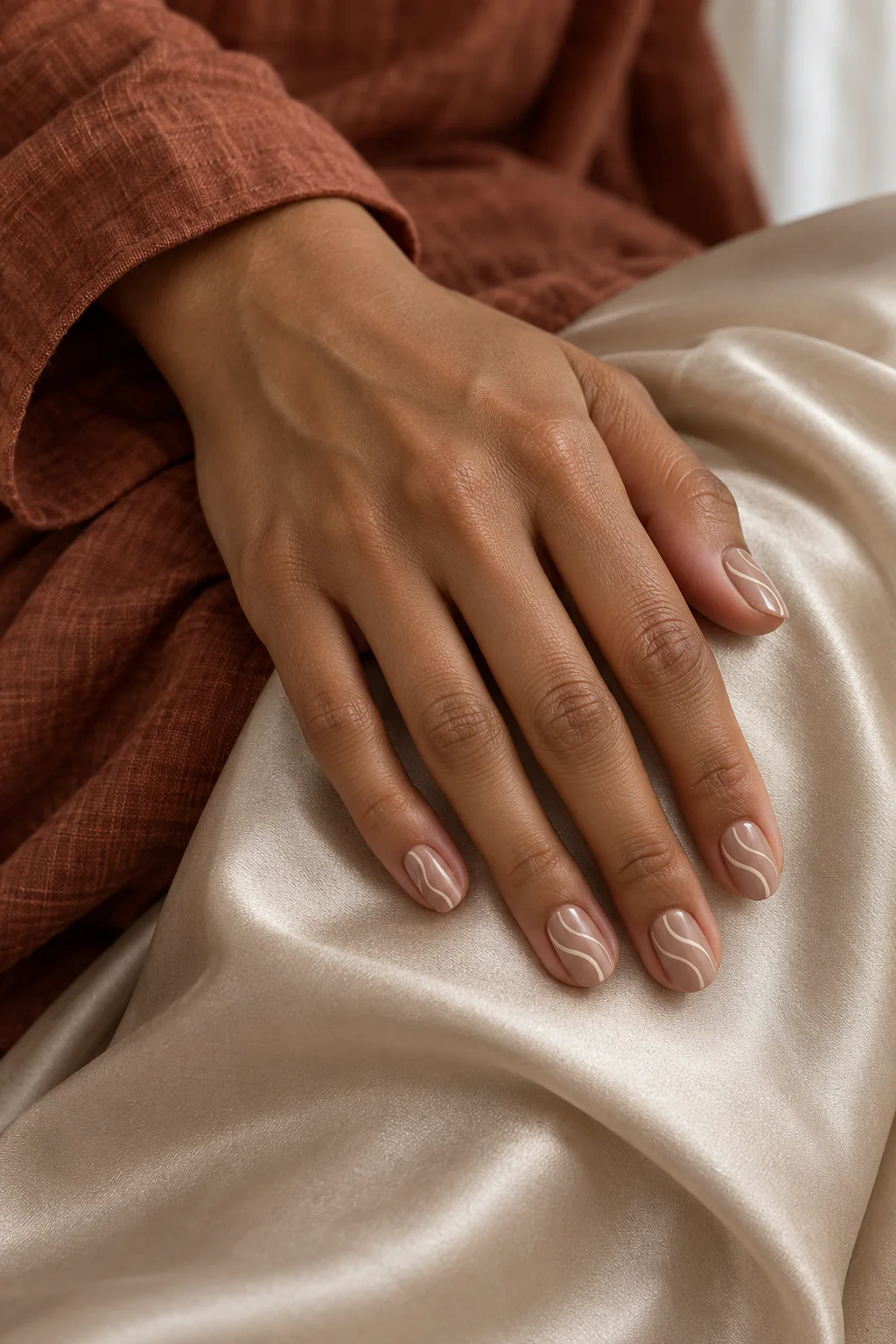 Cream swirls
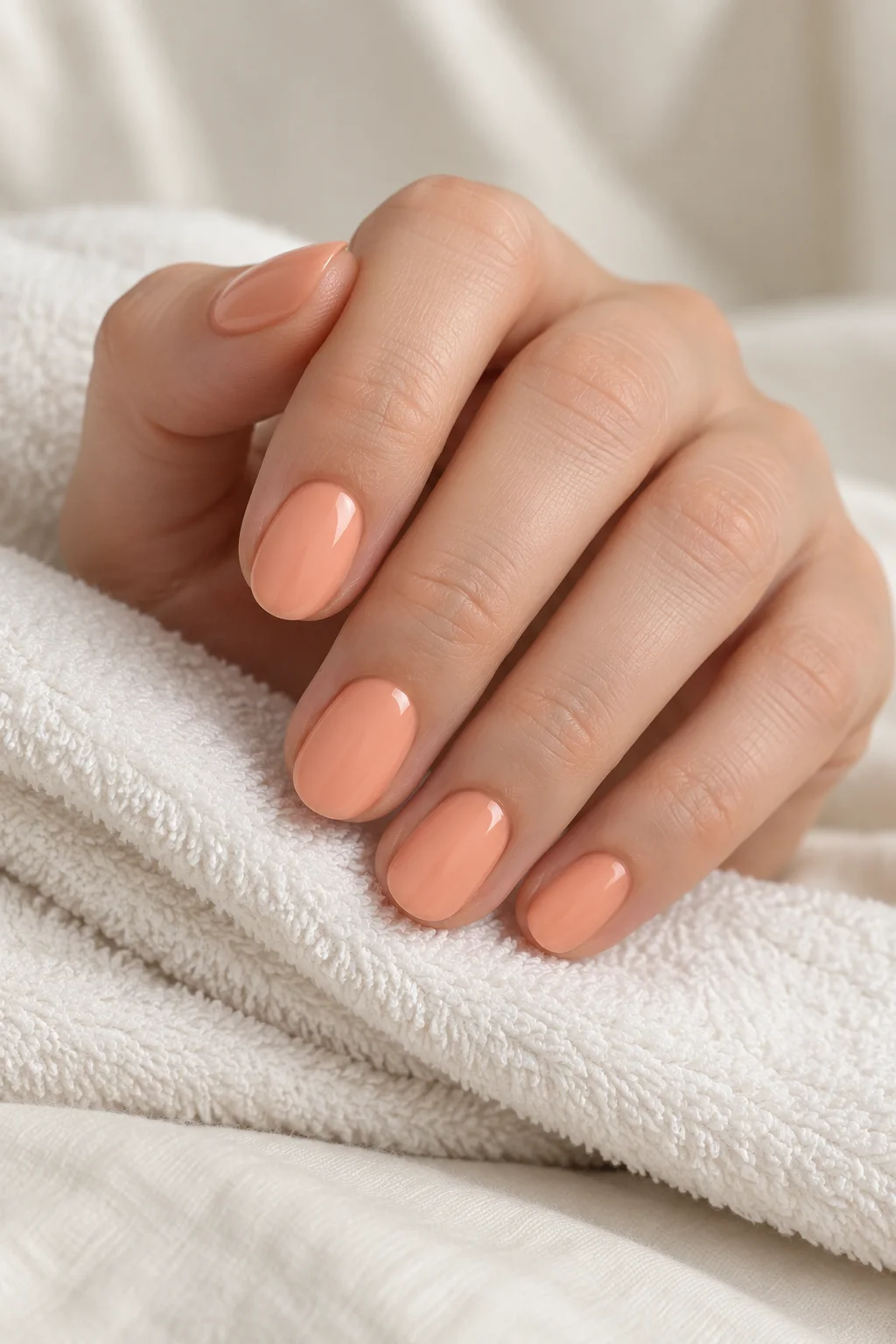 Soft peach
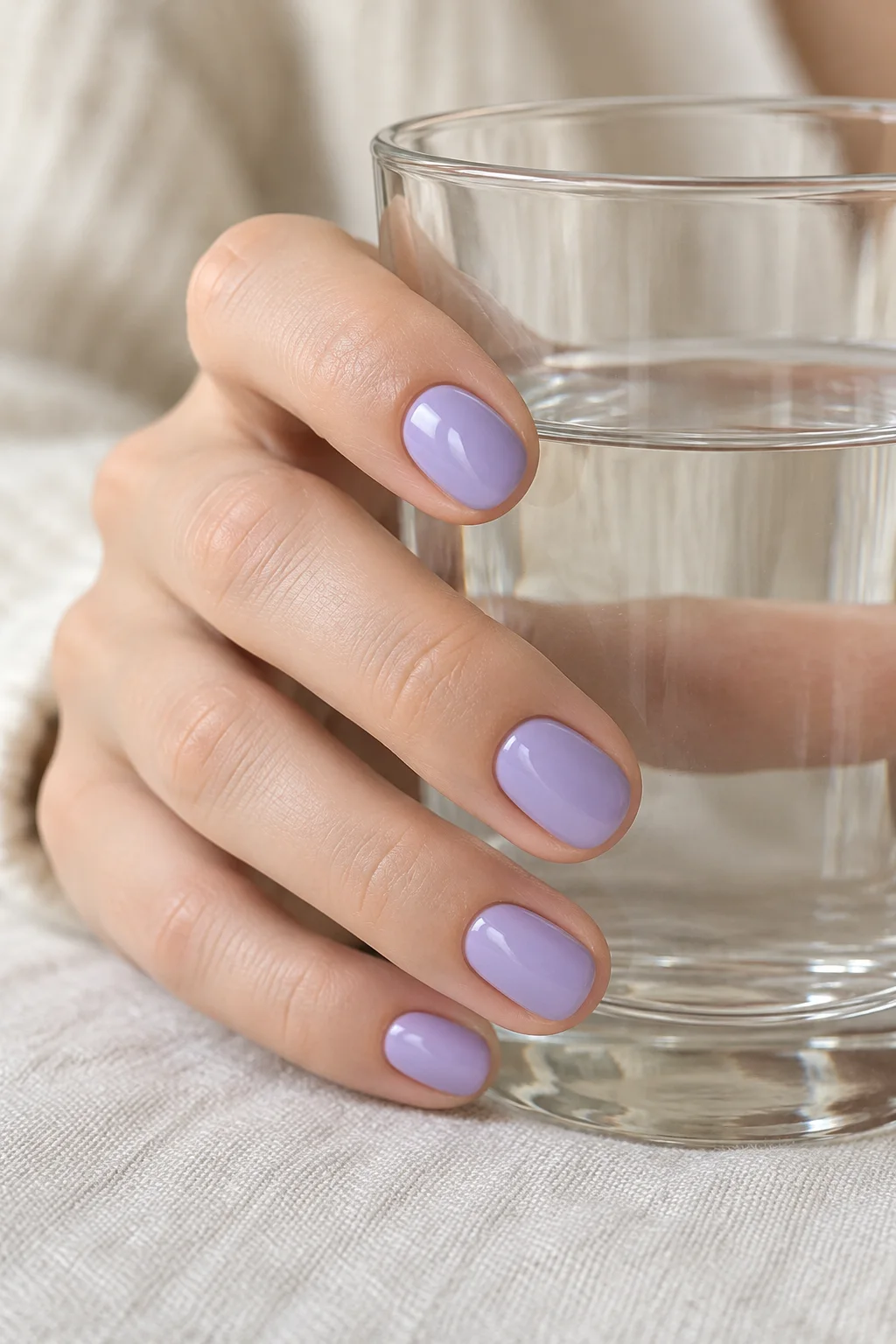 Lavender
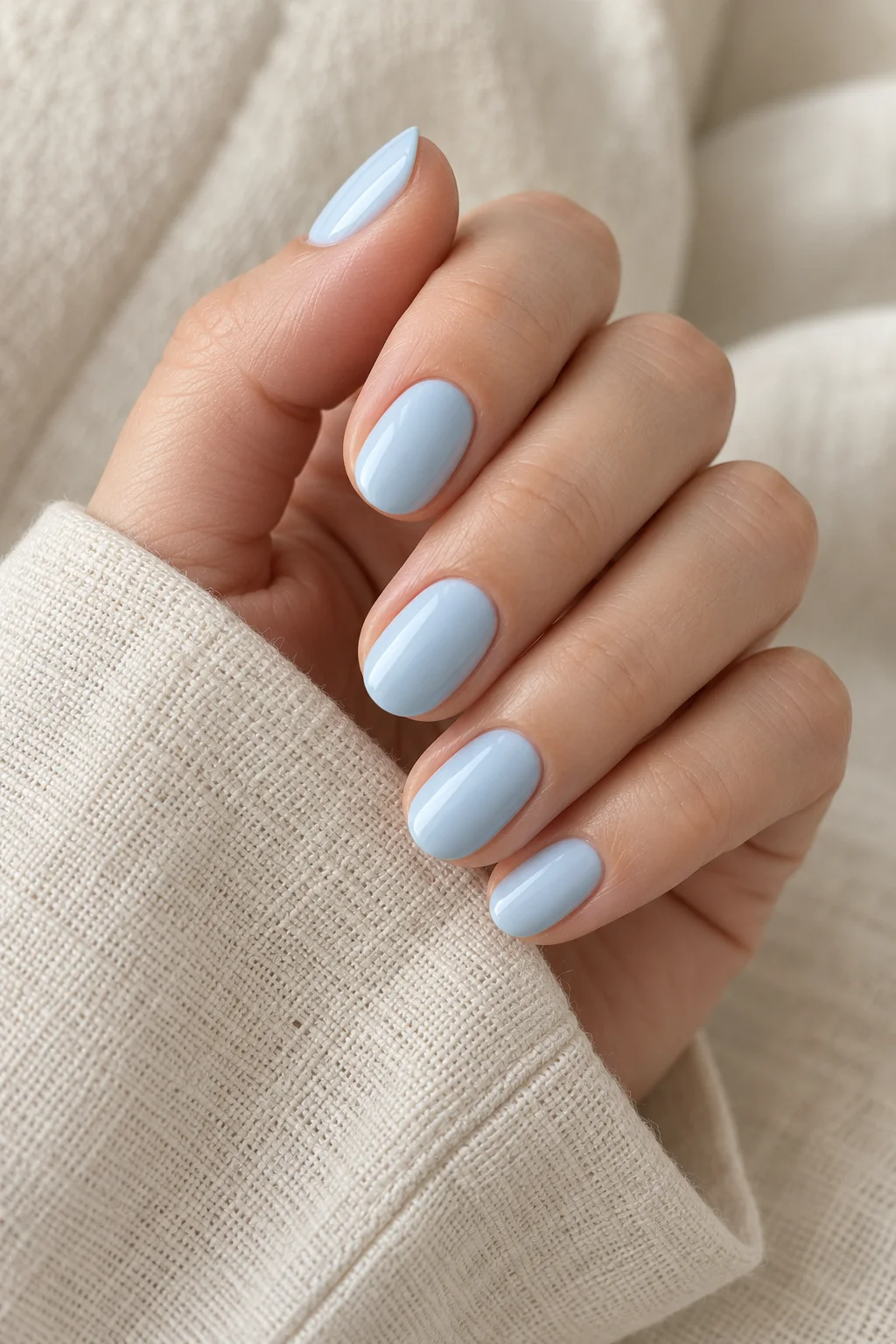 Powder blue
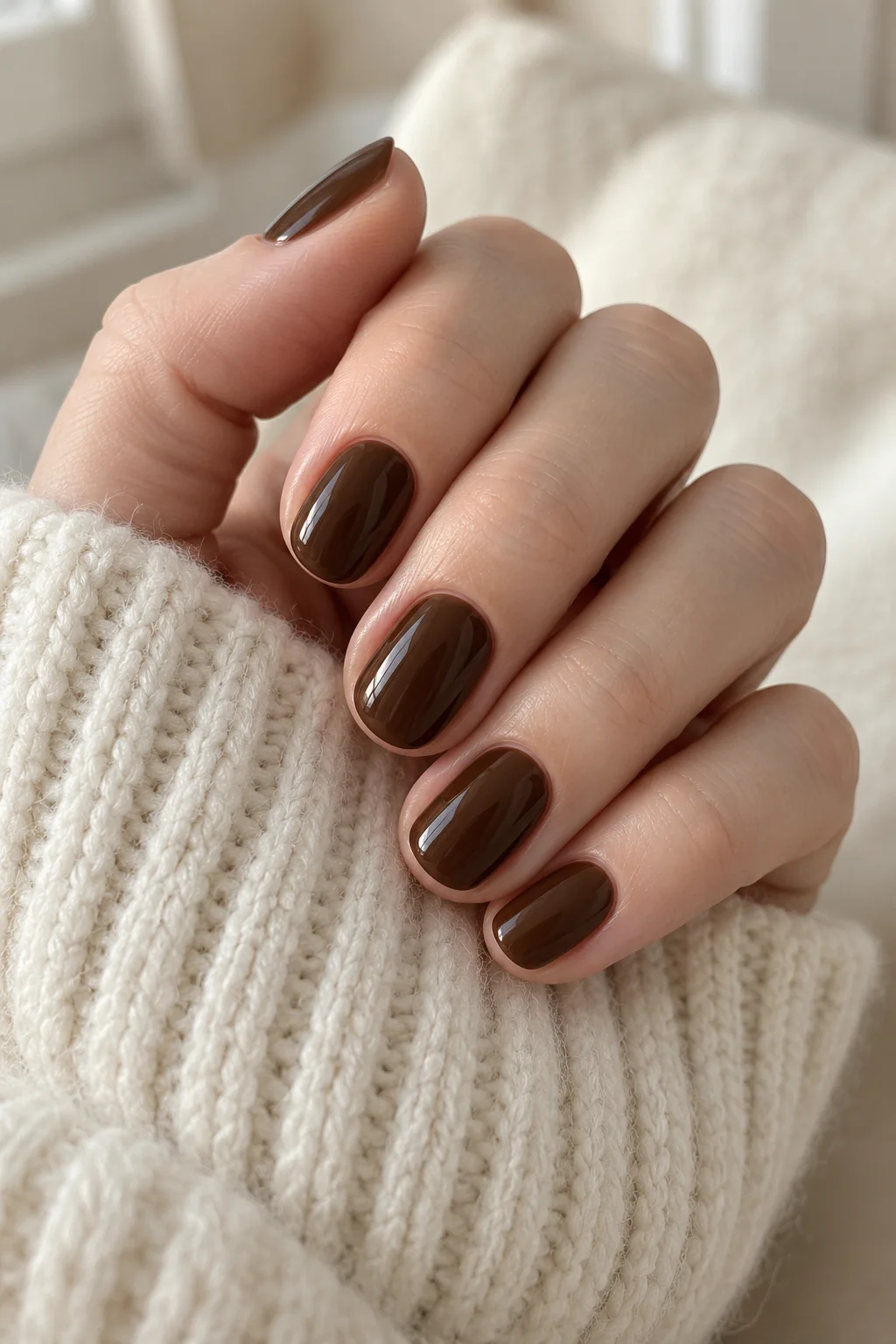 Chocolate brown
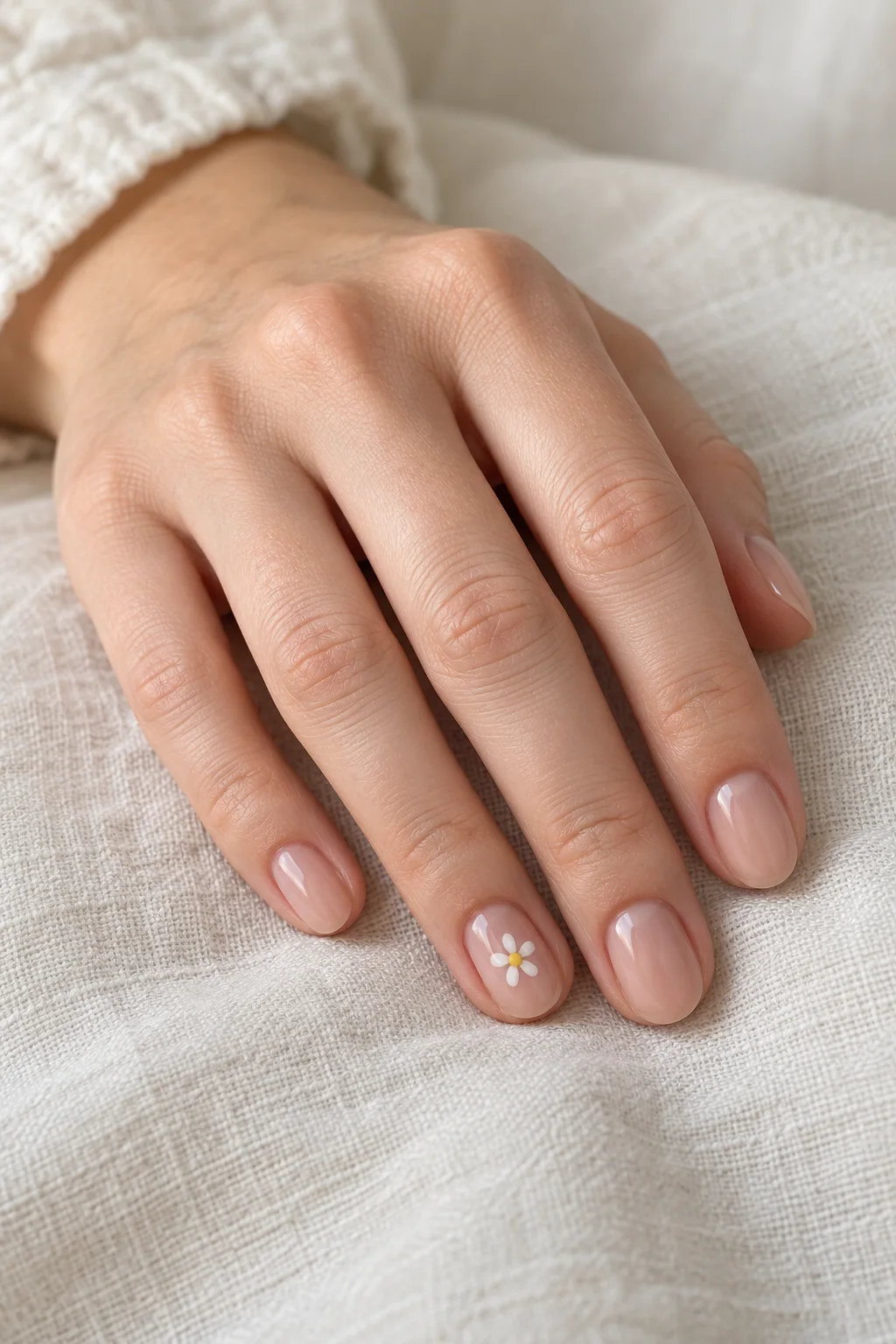 Single daisy accent
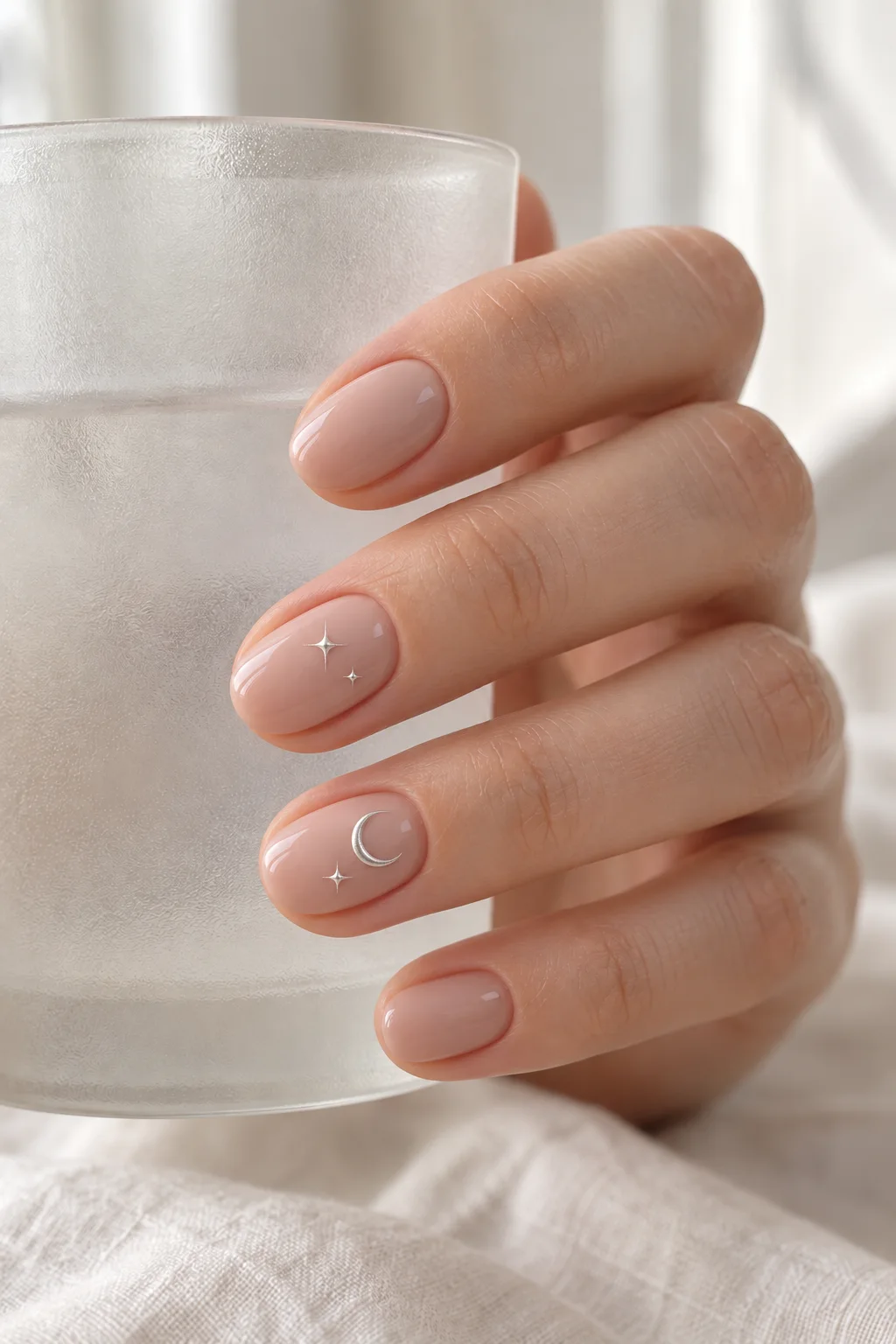 Moon-and-star accents
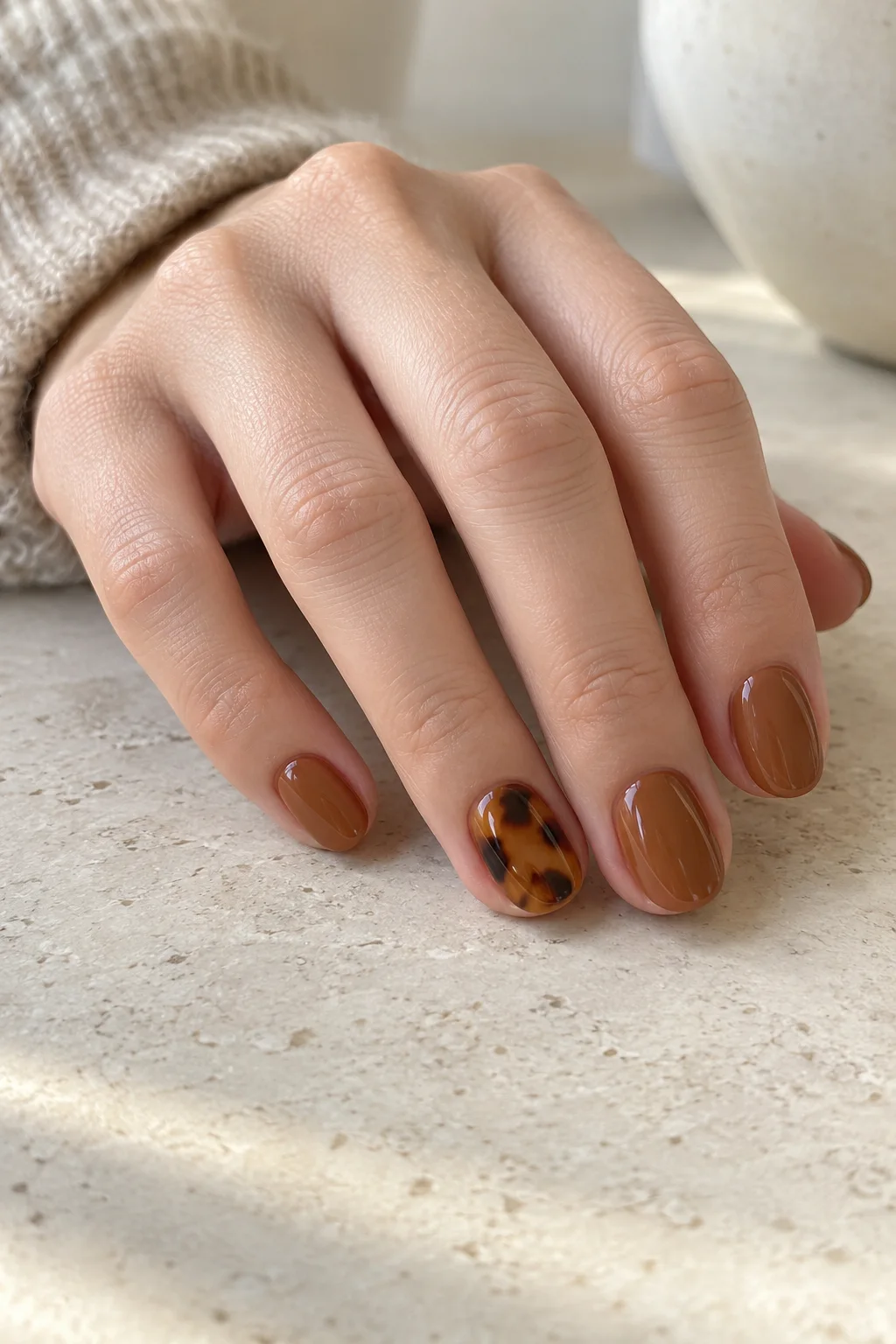 Tortoiseshell accent
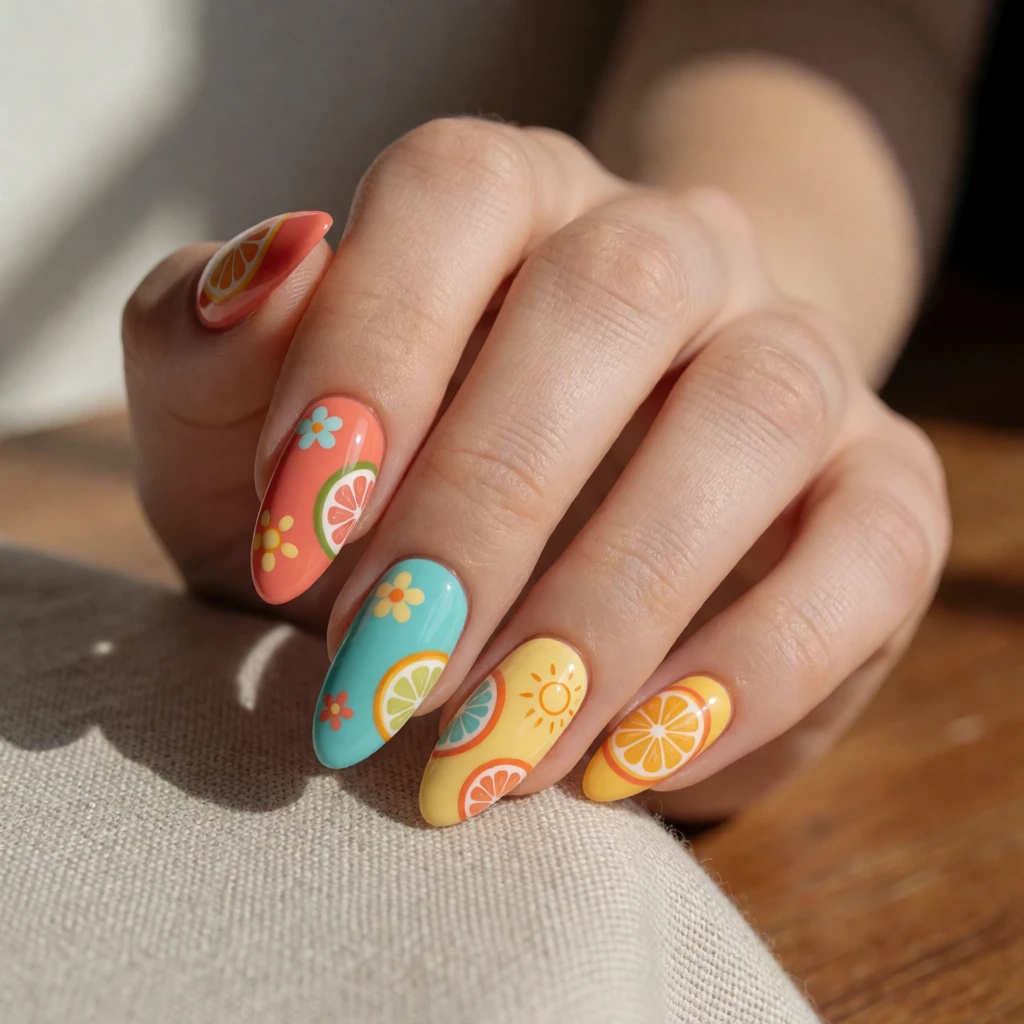 Summer Almond Nails
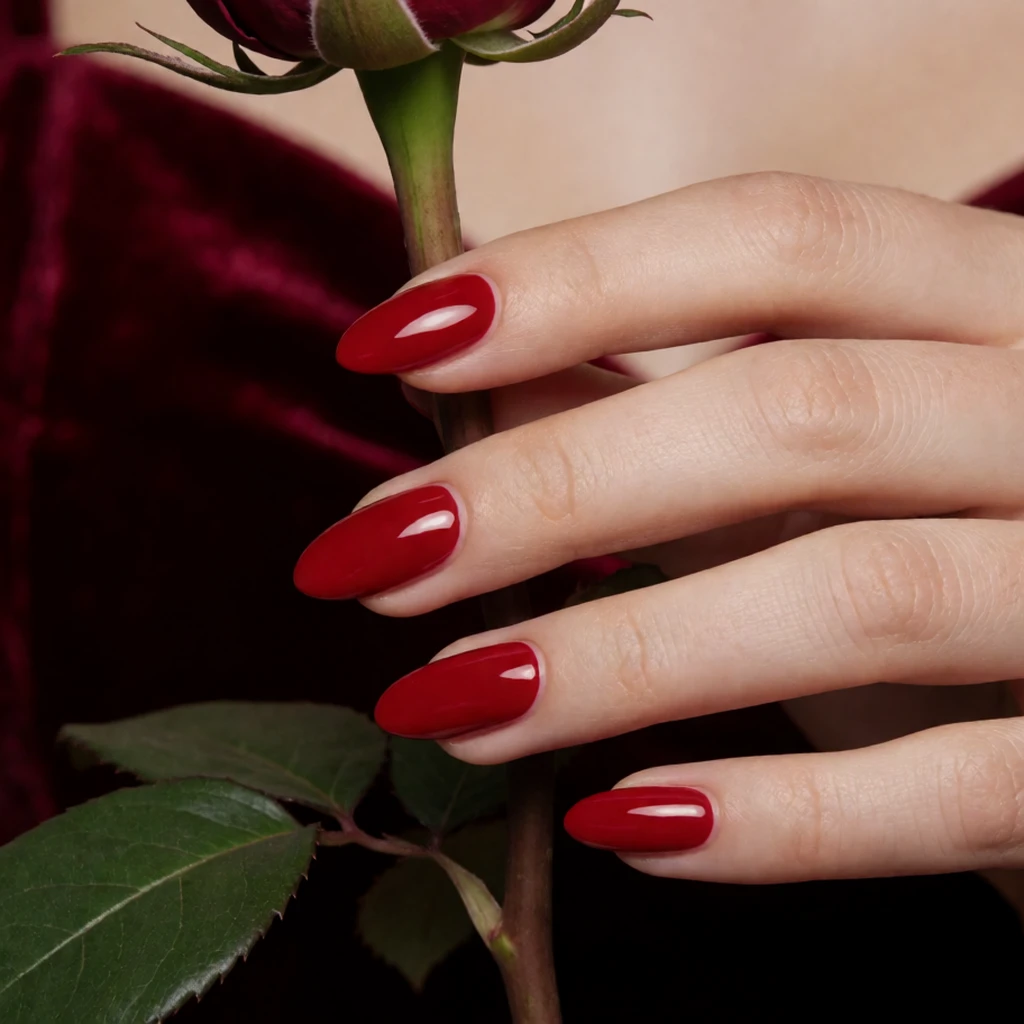 Red Almond Nails
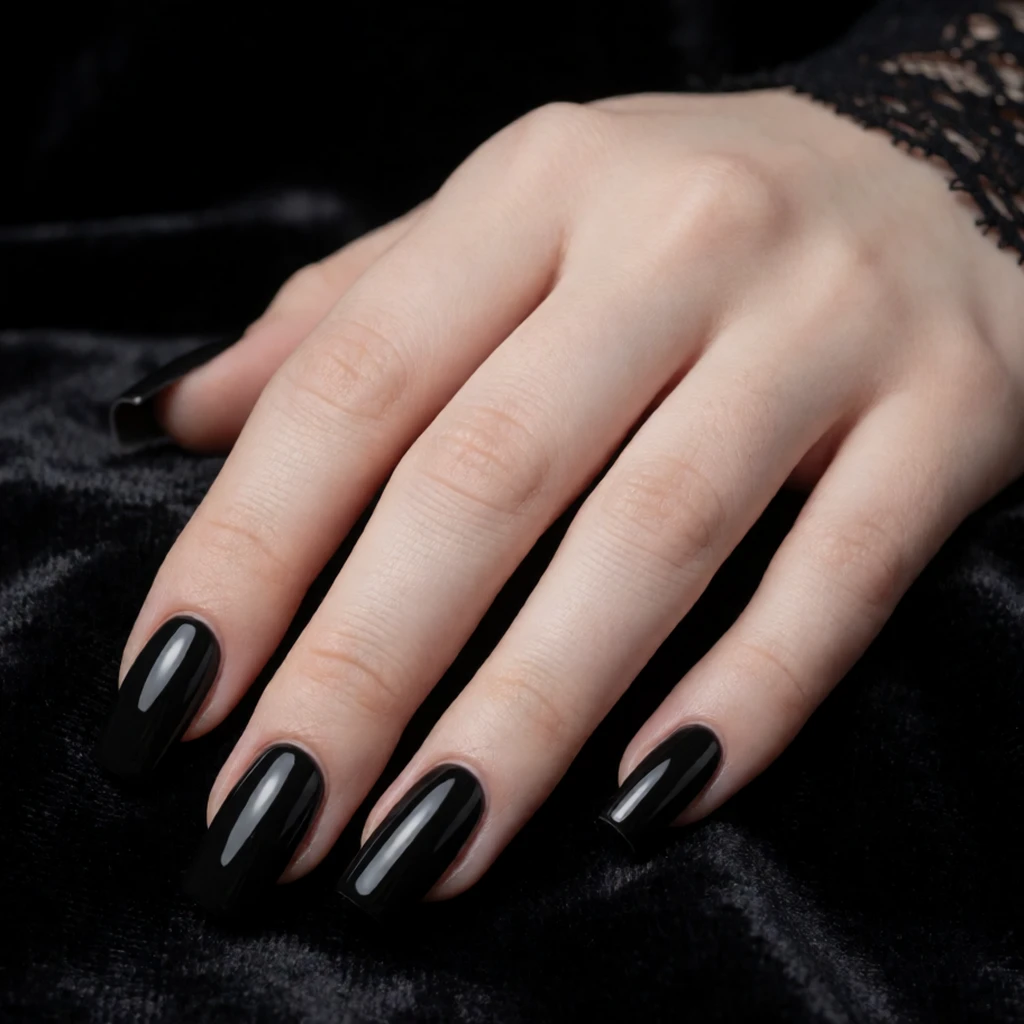 Black Almond Nails
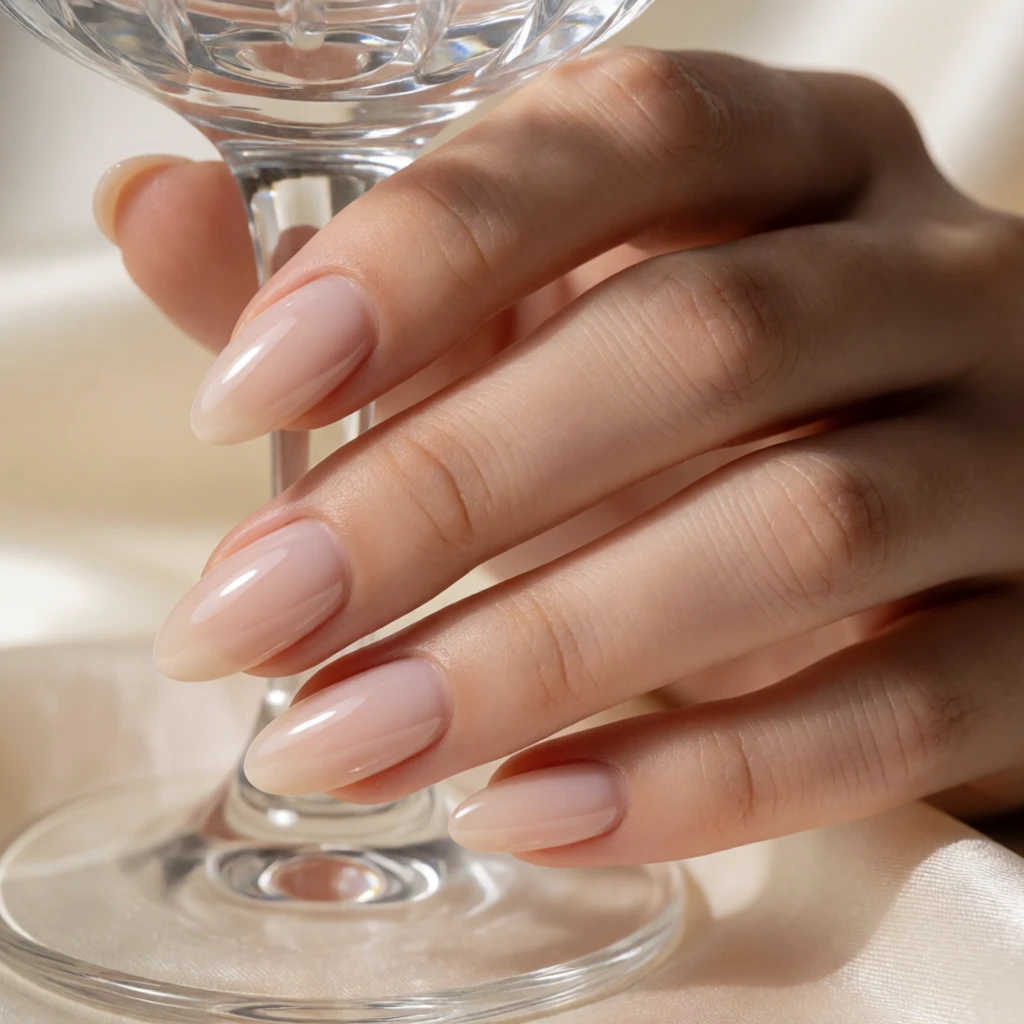 Milky Almond Glaze
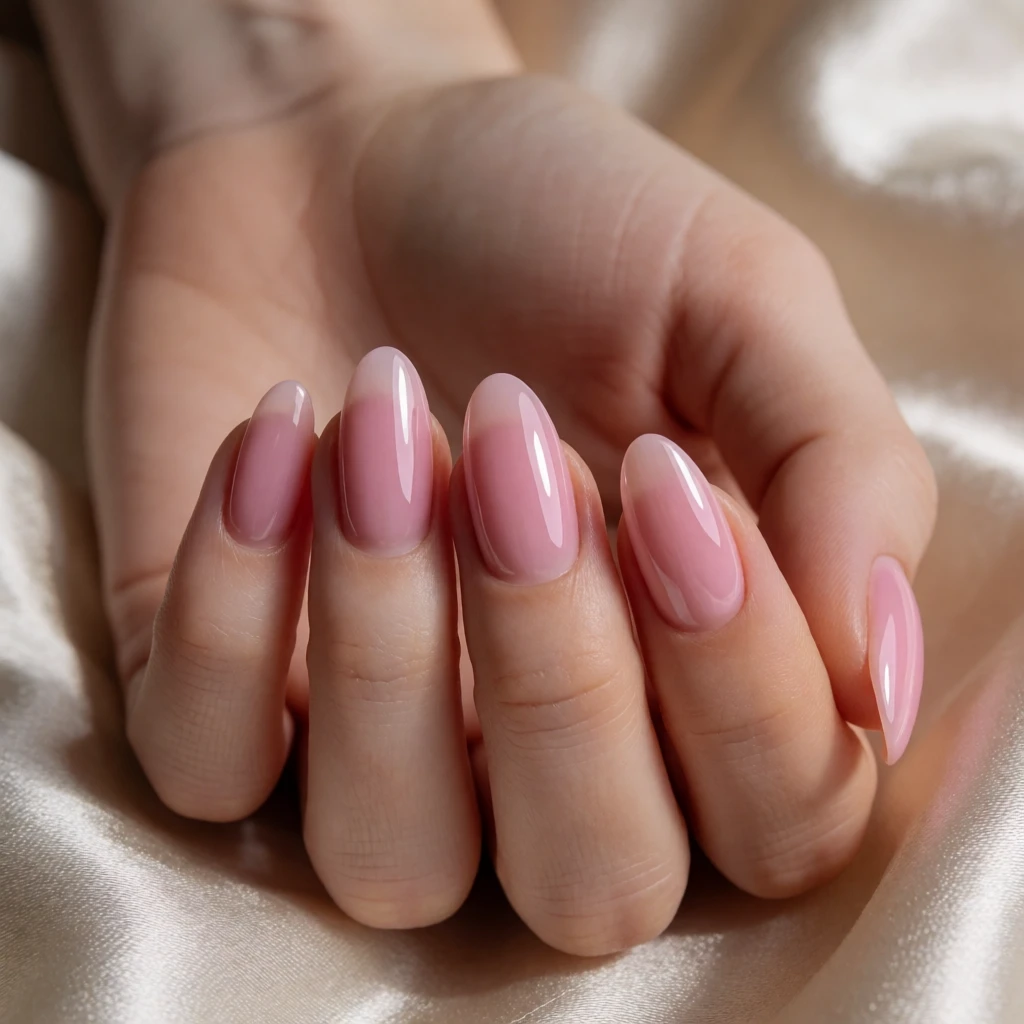 Pink Jelly Chrome
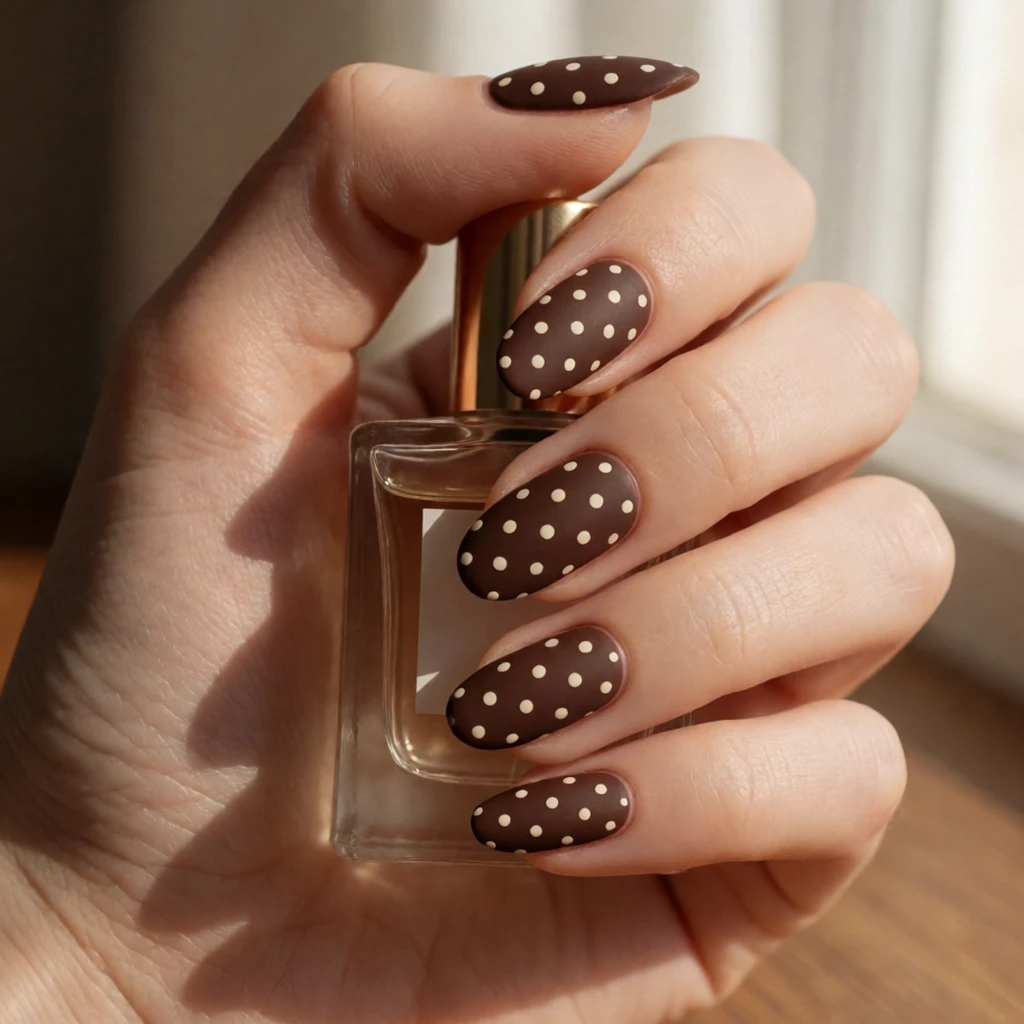 Mocha Velvet Dots
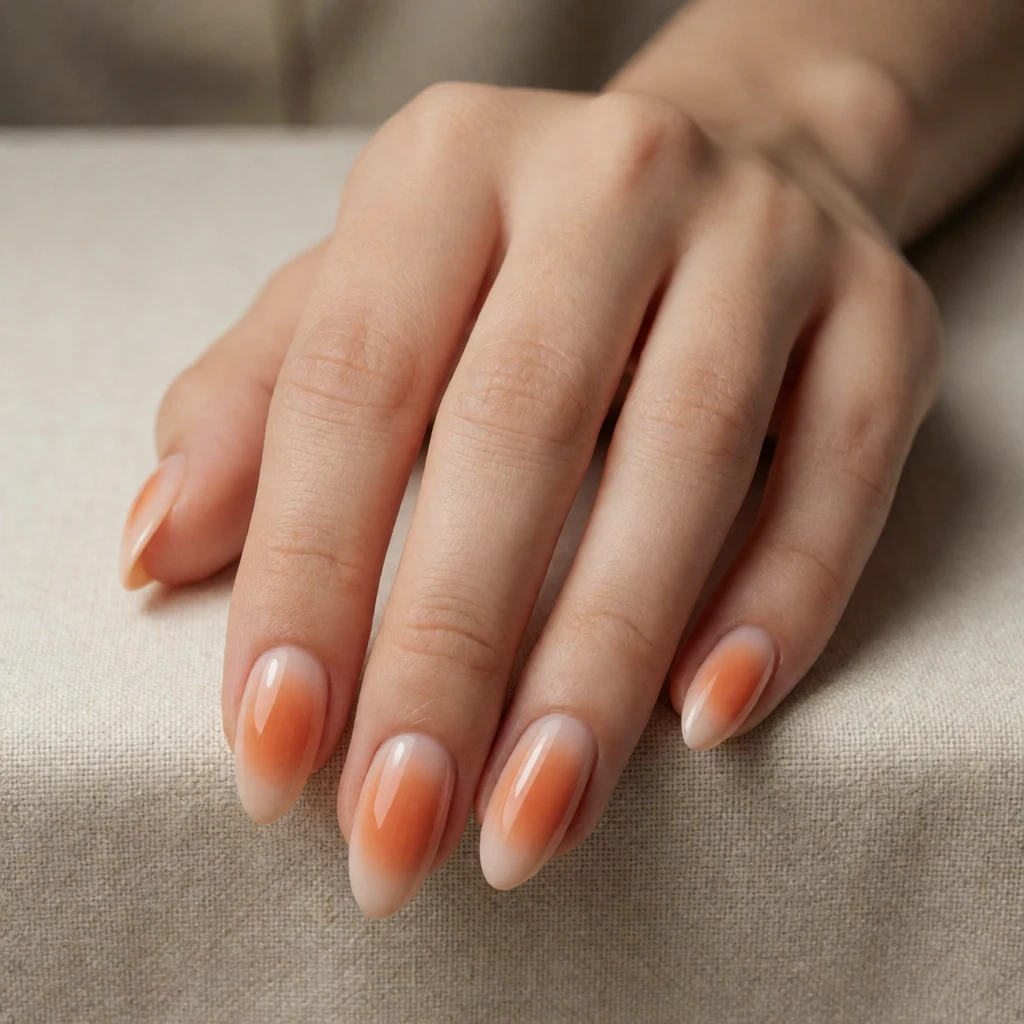 Peach Aura Almond
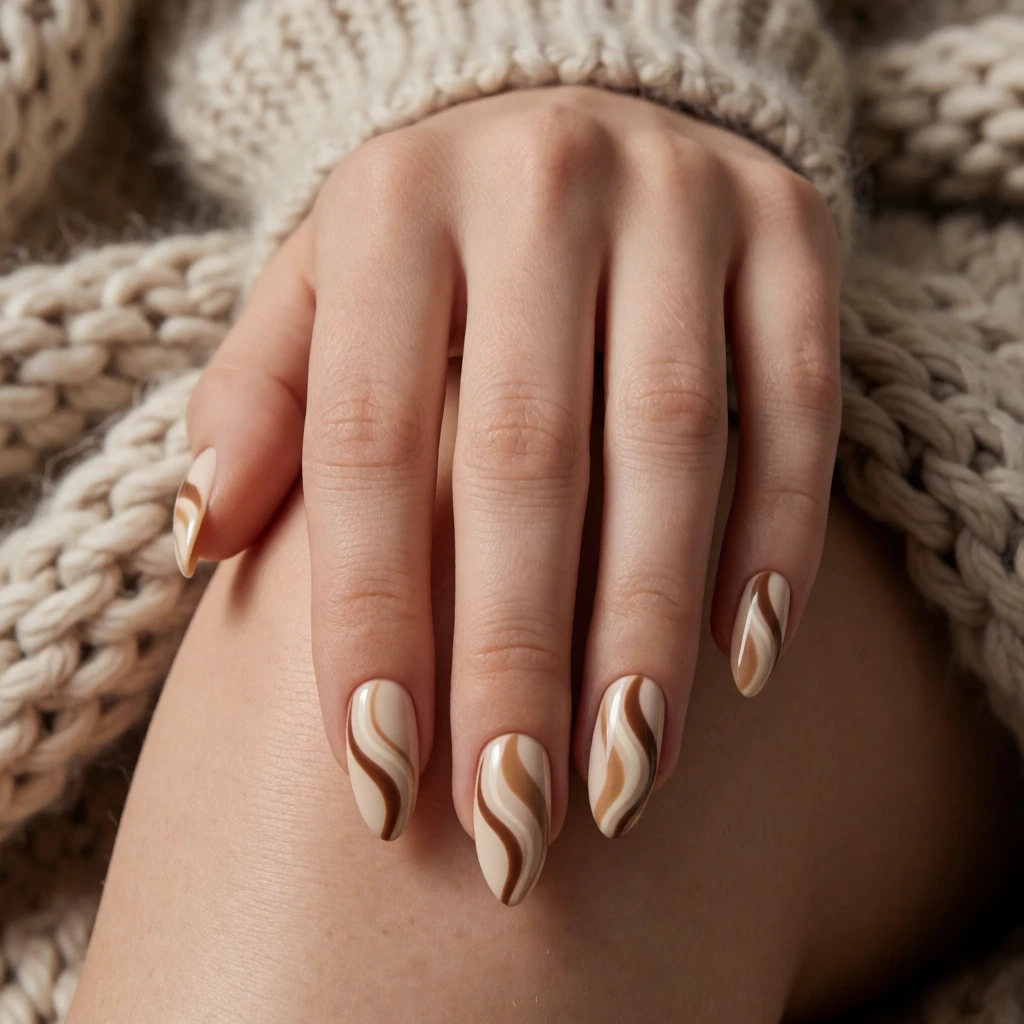 Iced Latte Swirls
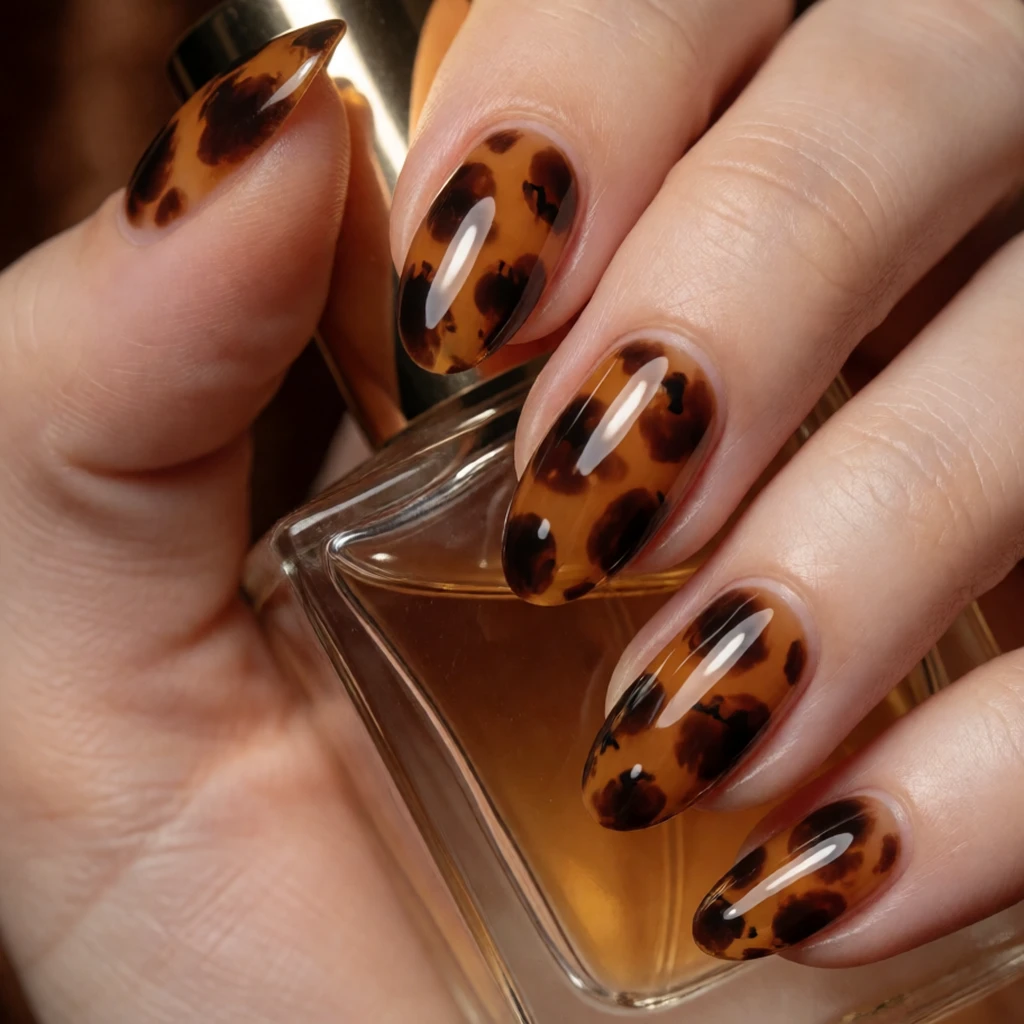 Tortoiseshell Jelly
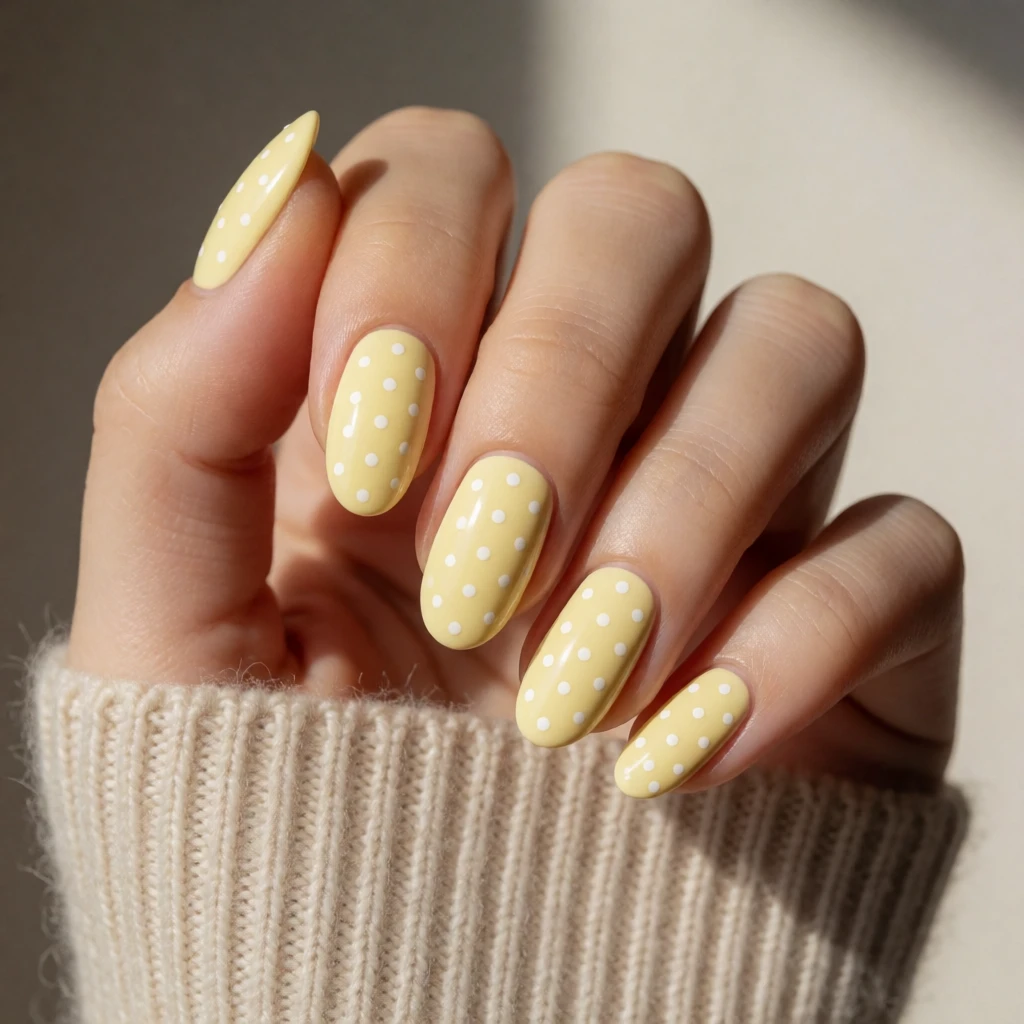 Butter Yellow Micro Dots
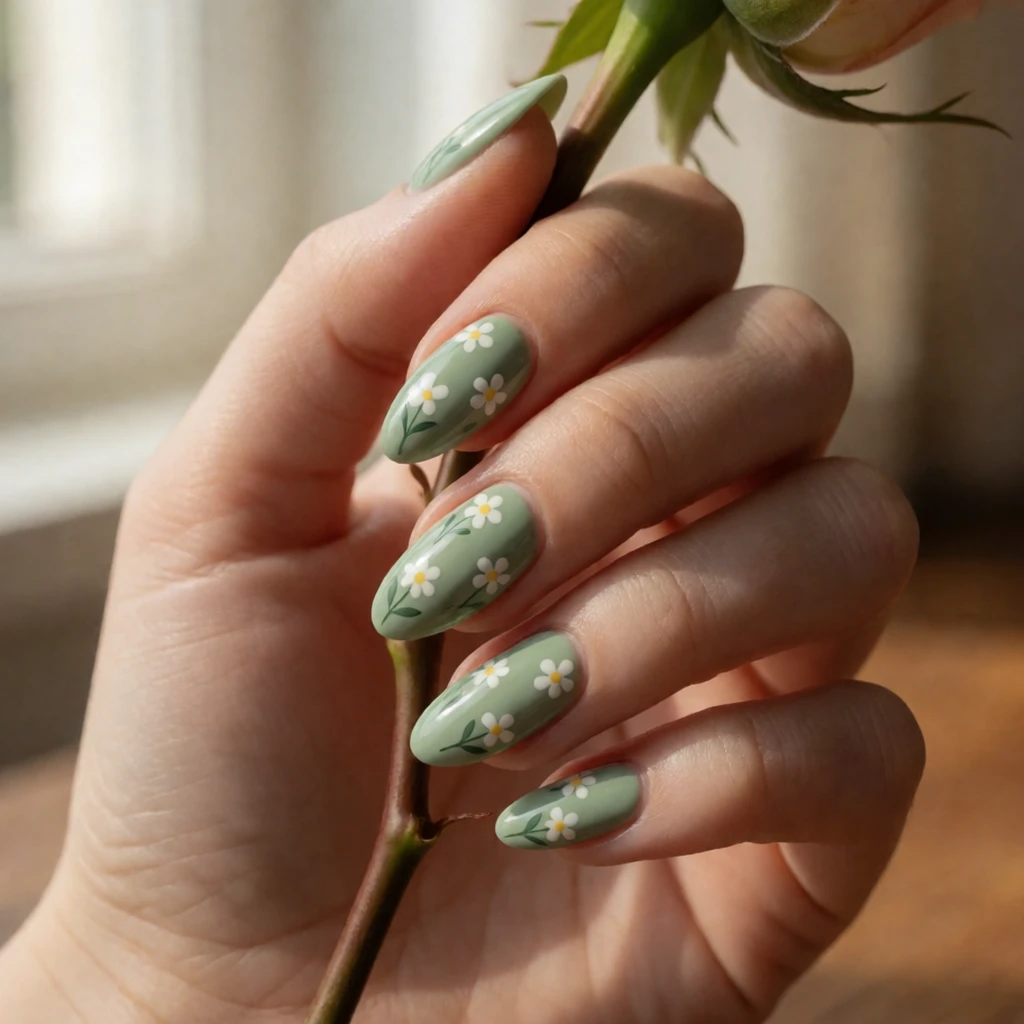 Sage Petal Almond
Keep exploring
Related guides
 Polish, wraps & stickers
Regular polish and nail wraps skip the curing step entirely and remove without acetone soaking, which makes them a lower-commitment option for short nails.
 Press-on sets
 need no lamp and no removal chemicals, though the fit depends on matching your nail width and the adhesive method you choose.
Questions
How do I know if my gel is soak-off or hard gel?
Ask your technician directly or check the product label. Soak-off gel should state on the packaging that it removes with acetone. If it does not mention acetone removal, ask before assuming—using the wrong removal method damages the nail plate.
Can I use regular nail polish over cured gel?
Yes, regular polish goes over cured gel without any special steps. Use a non-acetone remover when you want to change the color so you do not dissolve the gel layers underneath before you are ready for full removal.
Why does my gel lift at the cuticle after a few days?
Lifting at the cuticle usually comes from gel touching the skin or cuticle during application, which prevents proper adhesion. The gel needs to stop just short of the skin line on all sides, including the sidewalls, not just the cuticle area.
How long does a soak-off gel removal typically take?
Soft gel usually needs ten to fifteen minutes of acetone contact under foil wraps to soften enough to slide off with a wood stick. Thicker applications, layered chrome, or multiple gel coats can take longer. Do not rush by scraping—let the acetone do the work.
Generated references, not tested products. How shopping links work.