Nail ideas / Short & almond
Short round nail ideas for every look and skill level
Short round nails are one of the most comfortable shapes to live in daily, and they offer more design real estate than people expect. With the right filing technique and a few color strategies, a tiny canvas can carry a lot of personality.
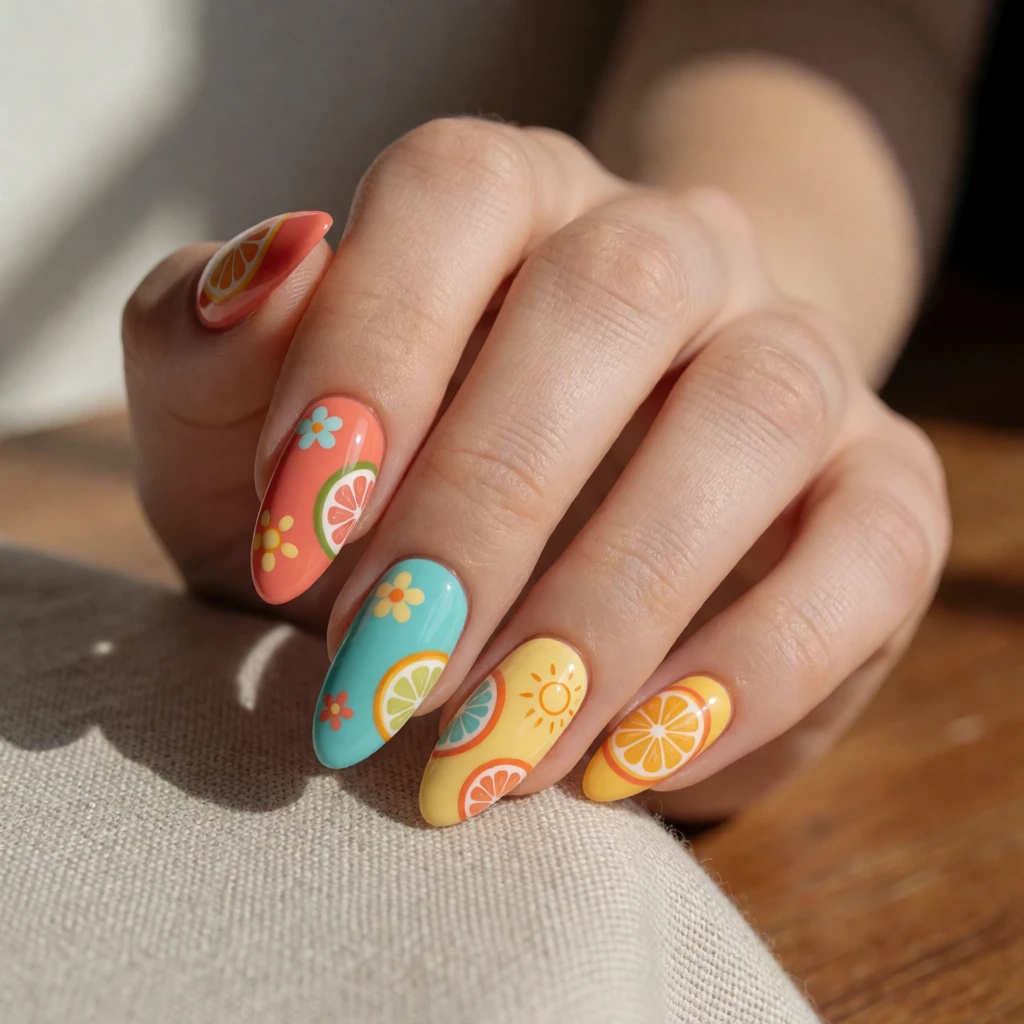
Three rules
Start here.
- File when nails are dry, not after soaking, so the layers stay compact and the curve holds its shape without splitting at the edge.
- Keep color within about one millimeter of the sidewall on each side so the rounded silhouette reads cleanly rather than looking crowded or misaligned.
- Choose nail art elements no wider than roughly half the nail plate so they scale correctly and the details stay visible on a compact canvas.
A styling reference, not a product photo.
What defines it
The basics
Short round nails follow a simple silhouette: the sides file straight down from the cuticle, and the tip curves gently to match the natural arc of your fingertip. Unlike square or squoval edges, there are no corners to snag on fabric or catch a pocket lining. That smooth perimeter is why many people with active jobs or hands-on hobbies keep this shape year-round without a second thought.
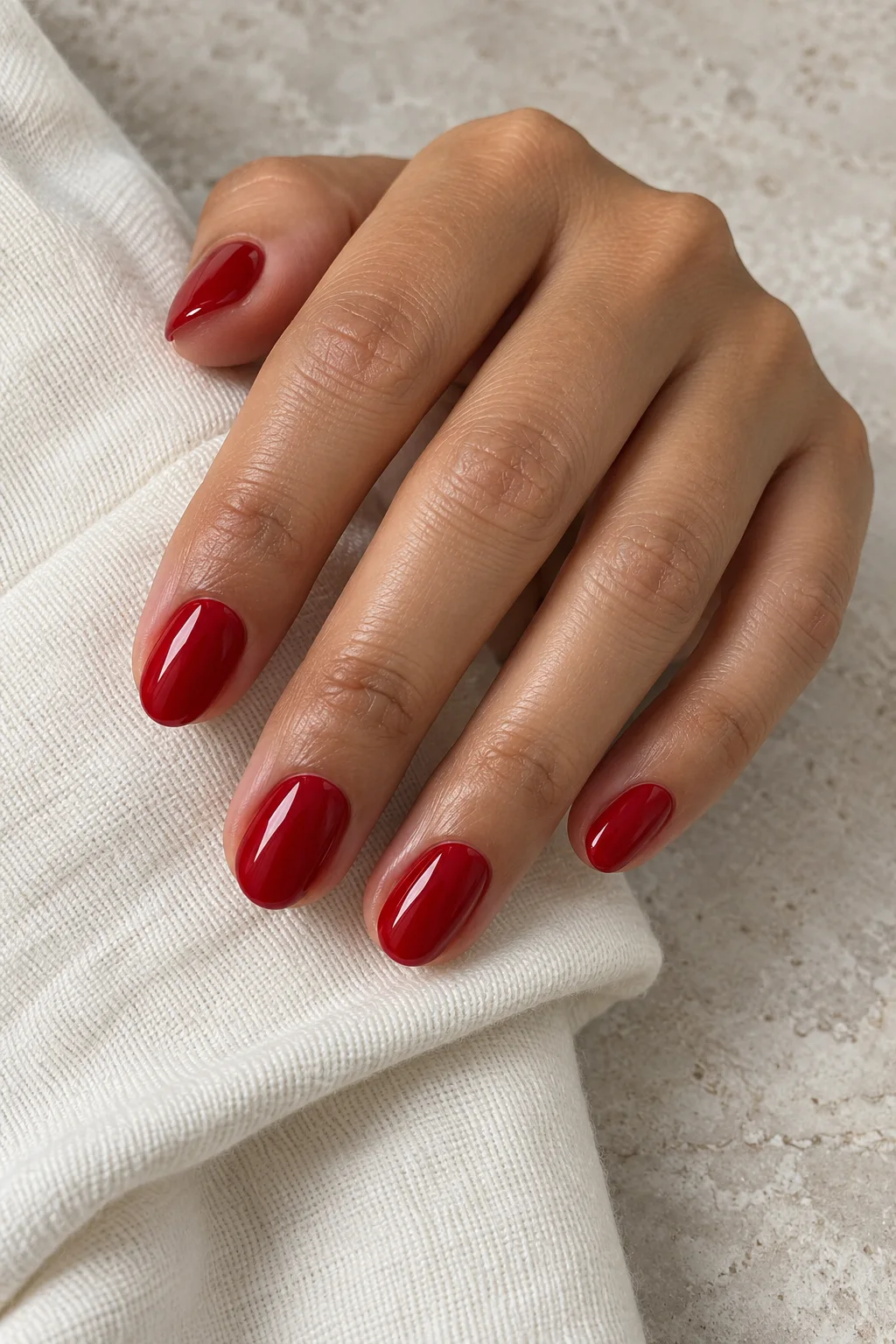
The free edge on a short round nail is often only a millimeter or two past the fingertip, which means the nail bed itself does most of the visual work. Colors, finishes, and tiny accents land directly on that bed, so bold choices read clearly rather than getting lost. A saturated wine, a clean nude, or even a single stamped motif all translate well because there is nowhere for the detail to hide or blur.
Filing to a true round rather than a vague oval matters more than it sounds. Start by squaring the tip lightly, then work each upper corner in short strokes toward the center, rotating the file angle as you go so the curve stays symmetrical. Check by holding the finger at eye level: the tip arc should mirror the cuticle line above. An even curve keeps color application looking intentional rather than accidental.
Repeatable combinations
Formulas to try
- Tonal monochrome
- Pick one hue and layer three shades of it: the lightest on the pinky, the medium on the ring and index, the deepest on the middle and thumb. The gradation reads as intentional color blocking even on a small nail, and you avoid the decision fatigue of mixing color families.
- Sheer with one accent
- Apply a sheer pink or beige across all nails, then add a single thin detail to one nail per hand, such as a fine dot cluster near the cuticle or a tiny crescent using striping tape. The restraint suits the scale and keeps upkeep simple as nails grow.
- Graphic negative space
- Use striping tape to mask a slim triangle or half-moon at the base before applying color. Remove the tape before the polish sets. The bare strip reads as a design element, not an unfinished base, and the geometric contrast suits the rounded tip well.
- Textured finish rotation
- Choose one color in three finishes: cream, shimmer, and matte topcoat over the same cream. Rotate the finish across fingers without changing the polish color. The variety adds visual interest without demanding precision art skills or additional tools beyond a matte topcoat.
- Dark base with micro detail
- Apply a deep solid base, midnight blue or forest green for example, then press a single small foil piece or draw one fine line near the tip with a detail brush. Dark bases hide the minimal free edge naturally, and the tiny accent rescues the look from feeling plain.
Your needs, your plans
Before you buy
- Gel polish on short rounds
- Gel polish suits this shape well because the thicker build can round out an uneven tip slightly. Follow your gel's curing instructions exactly and cap the free edge on each coat, even when that edge is minimal, to reduce peeling at the tip during wear.
- Nail wraps for precision
- Adhesive nail wraps can be trimmed to size before application, which helps on short nails where excess wrap tends to fold rather than drape. Score the wrap against the free edge with a file rather than tearing it, and press firmly from center outward to prevent air pockets at the curve.
- Press-ons sizing
- Short round press-ons exist as a specific size category, but sizing still varies by brand. Measure your nail width at the widest point of the bed and match it to the press-on before applying adhesive. A press-on that overlaps the sidewall will lift faster and can feel uncomfortable during daily tasks.
- Cuticle prep matters more here
- On a short round nail, dry or ragged cuticle skin sits very close to the painted area and is immediately visible. Gently push cuticles back with a rubber-tipped tool after a warm soak, and apply cuticle oil daily. This simple step keeps the base of the color looking clean between appointments.
From what you own
Build it and repeat it
Start your prep by washing hands and scrubbing under the free edge so no oil or lotion remains on the nail plate. Apply a thin base coat, let it flash dry for about sixty seconds, then lay down your first color coat using three strokes: one down the center, one on each side. On a short nail, the brush fan covers most of the plate in those three passes. Let the first coat become touch-dry, then repeat with the second coat using the same stroke pattern. Thin coats prevent pooling at the rounded tip.
Once your final color coat is touch-dry, add any art elements using a fine detail brush or a dotting tool. Work on the nail you feel most confident about first to warm up your hand. Seal everything with a topcoat that extends just slightly over the free edge so the tip is encapsulated rather than exposed. On short rounds, that tiny edge takes the most mechanical stress from typing and handling objects, so topcoat coverage there genuinely matters for longevity.
Shop the pieces
16 short & almond pieces
Links open similar items, not the pictured ones.
-
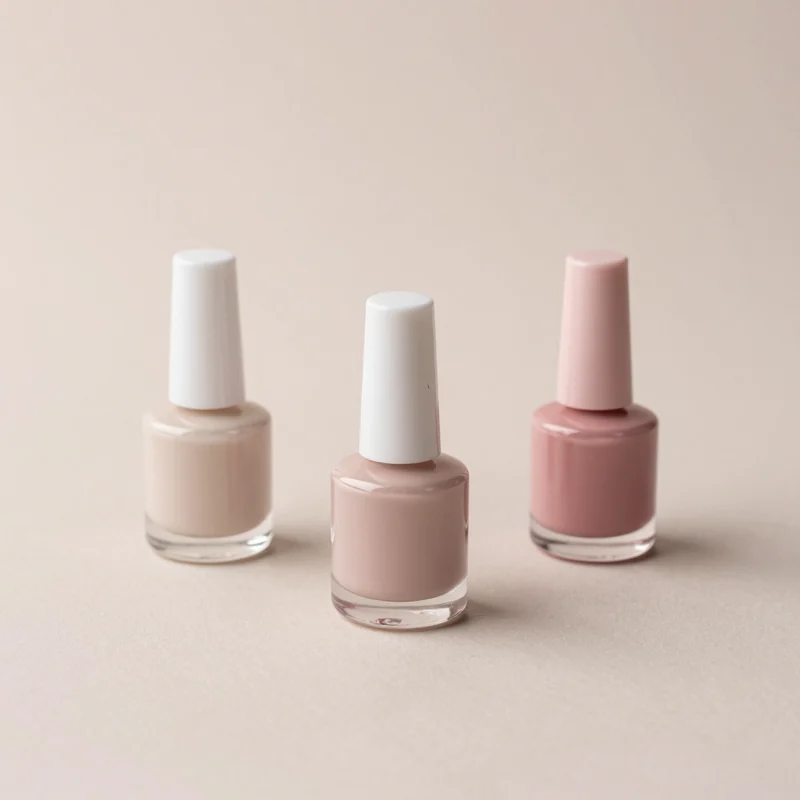
Nude pink nail polish set
What to check
A real product chosen to look like the picture. The picture is a styling reference, not this exact product.
-
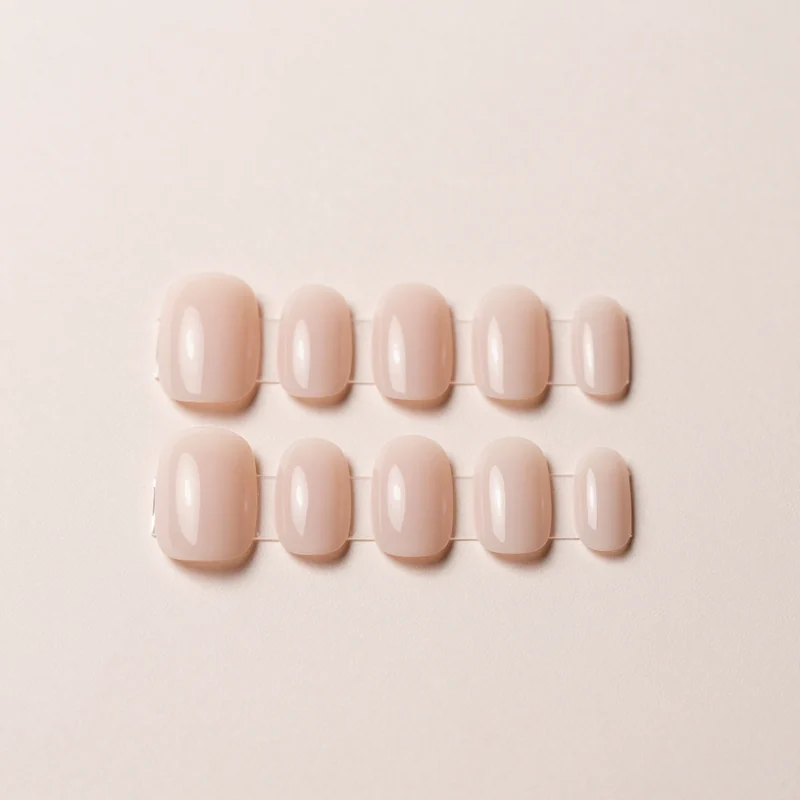
Short almond press-on nails
What to check
A real product chosen to look like the picture. The picture is a styling reference, not this exact product.
-
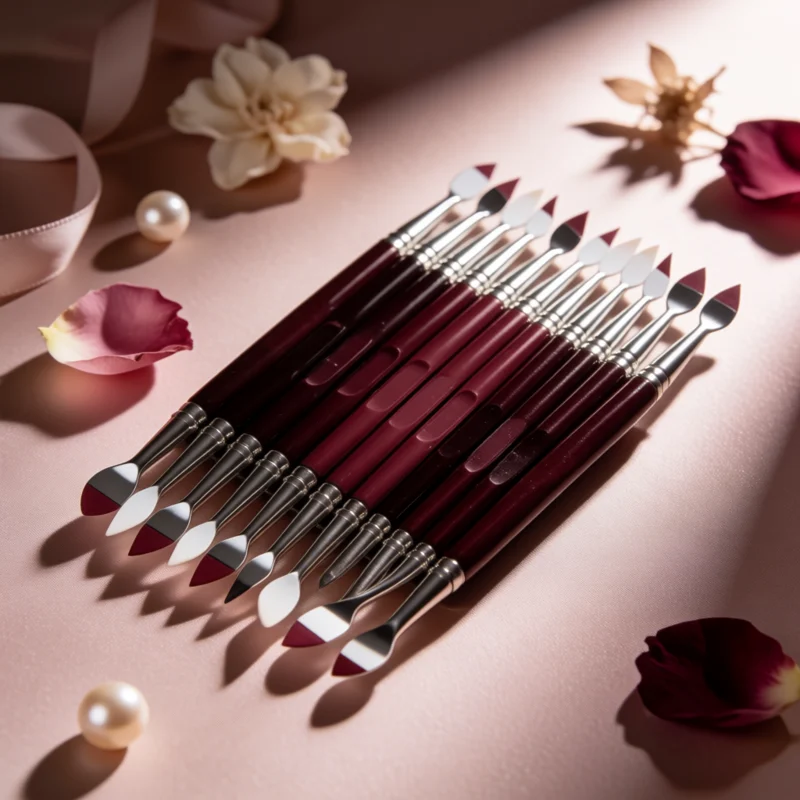
Nail art dotting tools
What to check
A real product chosen to look like the picture. The picture is a styling reference, not this exact product.
-
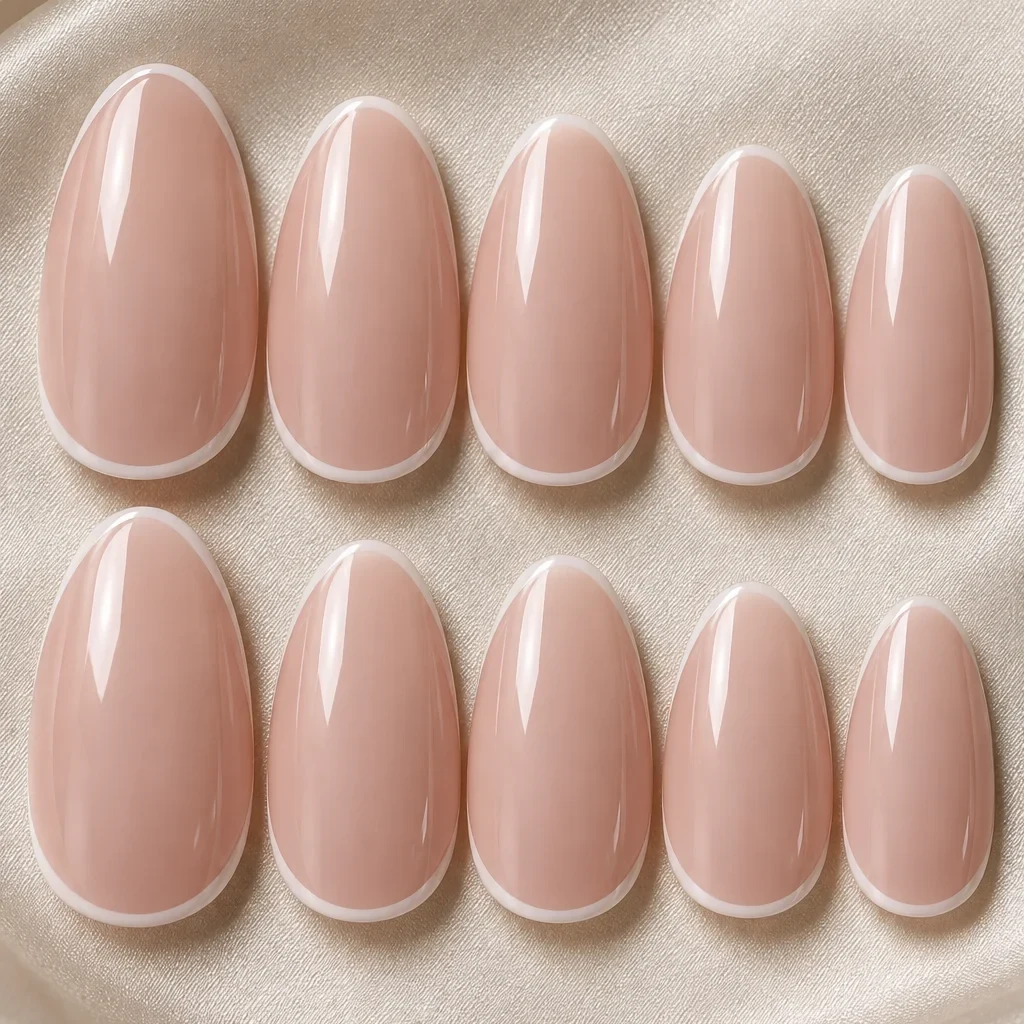
Micro French tips
What to check
A real product chosen to look like the picture. The picture is a styling reference, not this exact product.
-
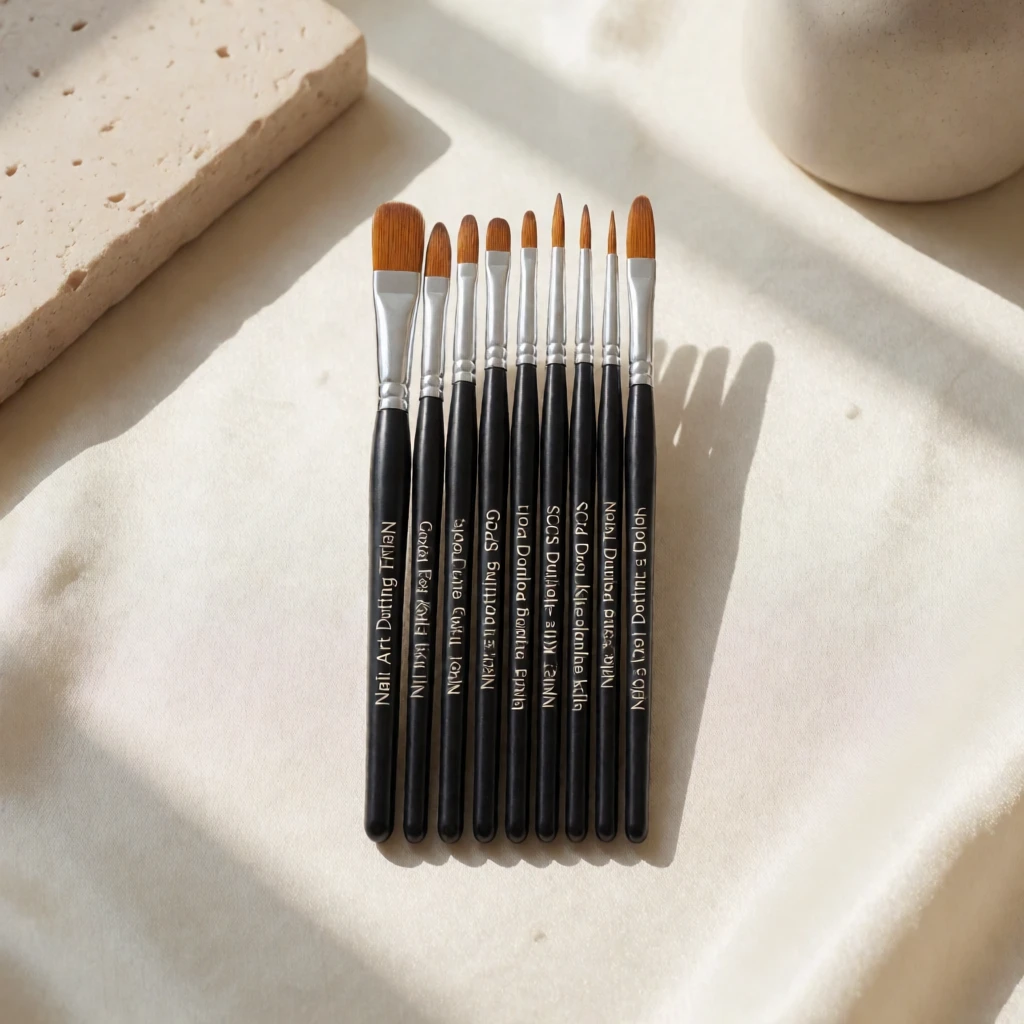
Nail art liner brushes
What to check
A real product chosen to look like the picture. The picture is a styling reference, not this exact product.
-
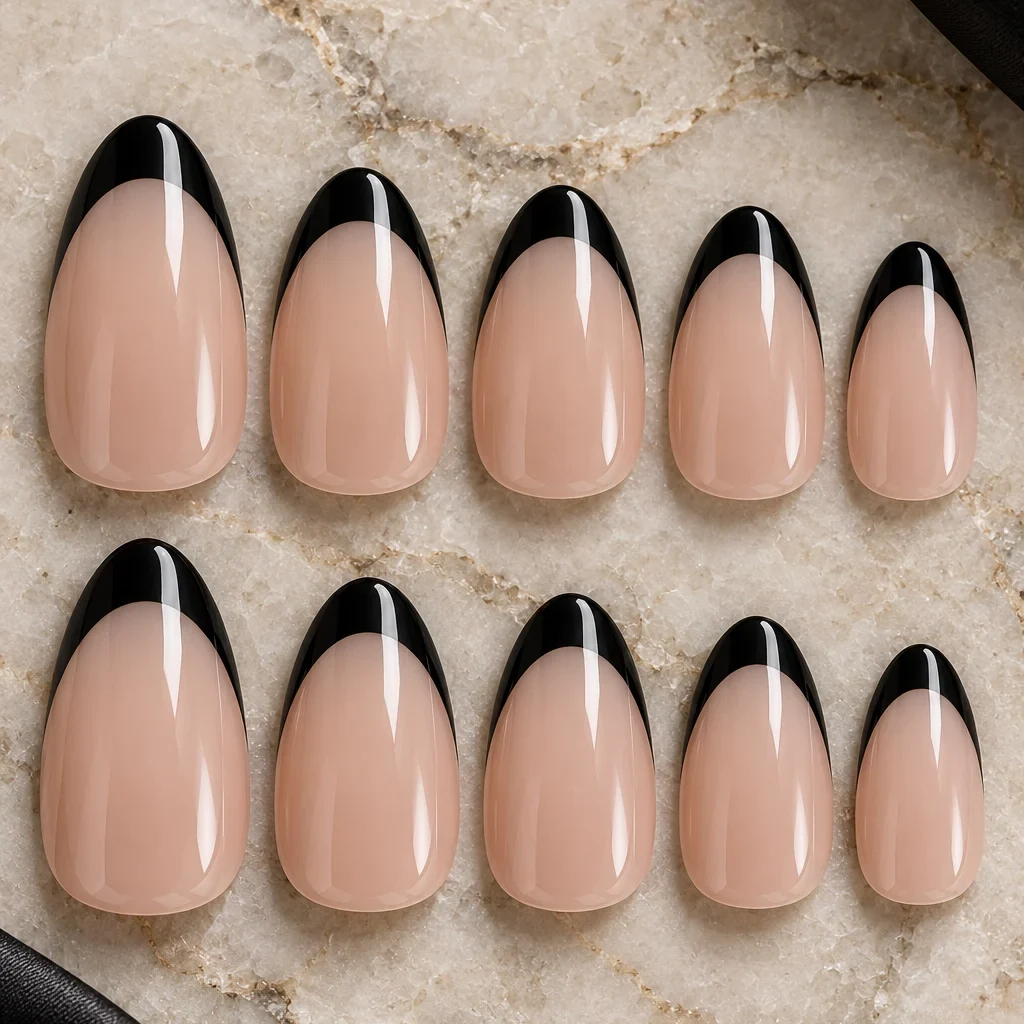
Black French edges
What to check
A real product chosen to look like the picture. The picture is a styling reference, not this exact product.
-
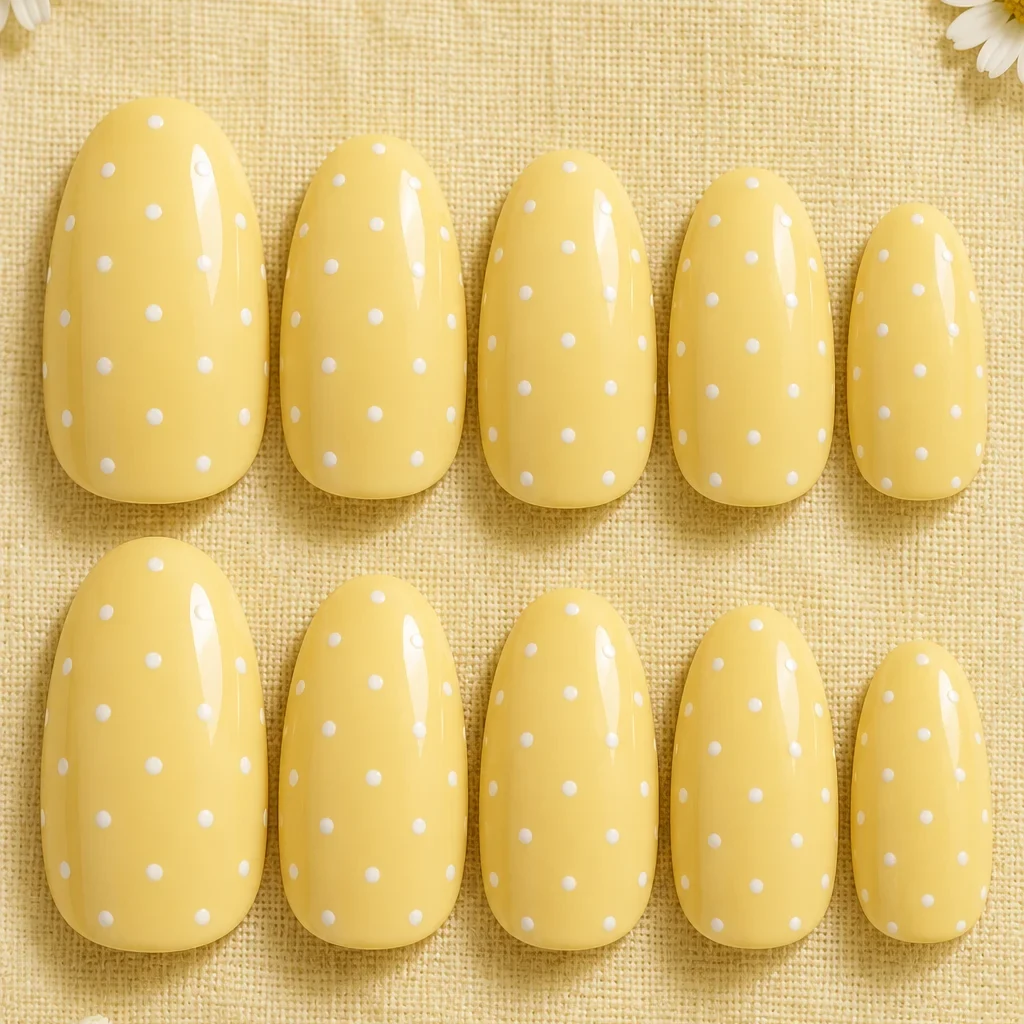
Butter Yellow Micro Dots
What to check
A real product chosen to look like the picture. The picture is a styling reference, not this exact product.
-
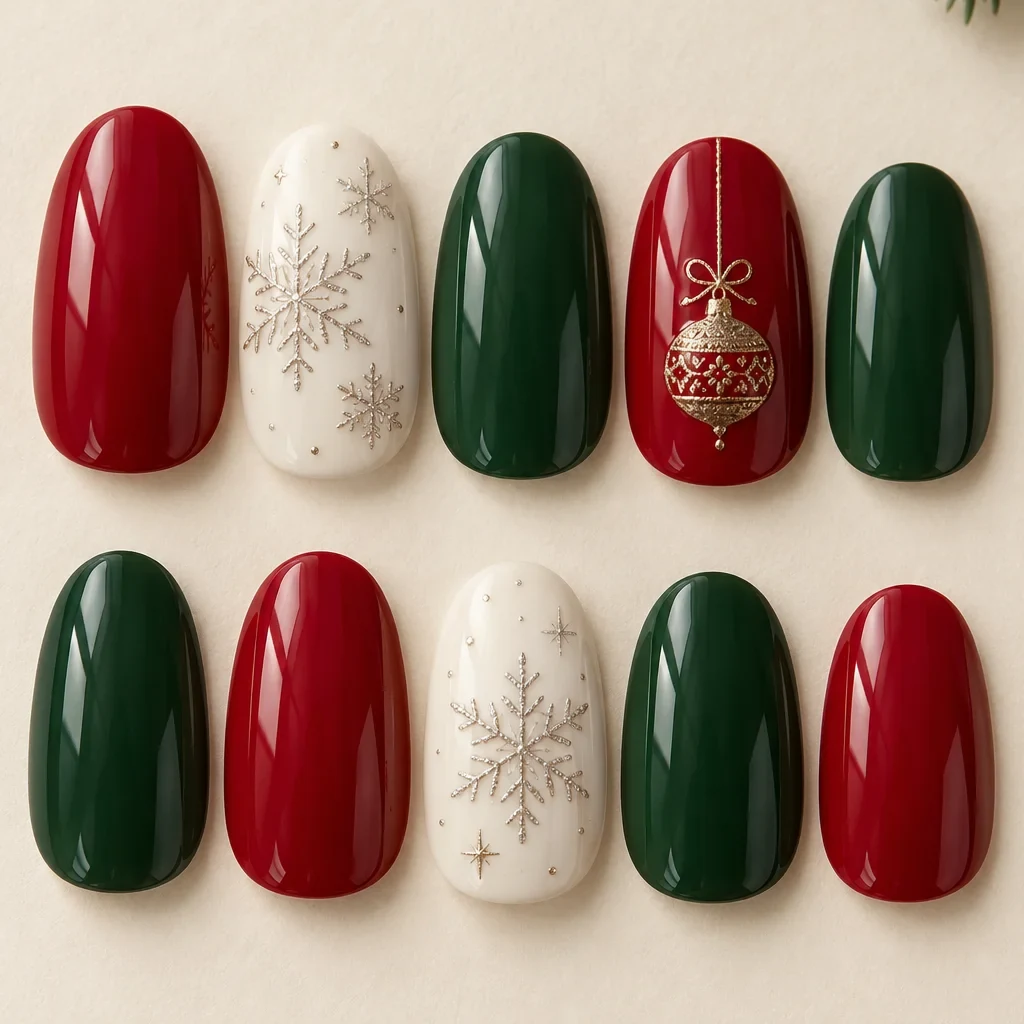
Christmas Nails Short
What to check
A real product chosen to look like the picture. The picture is a styling reference, not this exact product.
Show all 16 pieces
-
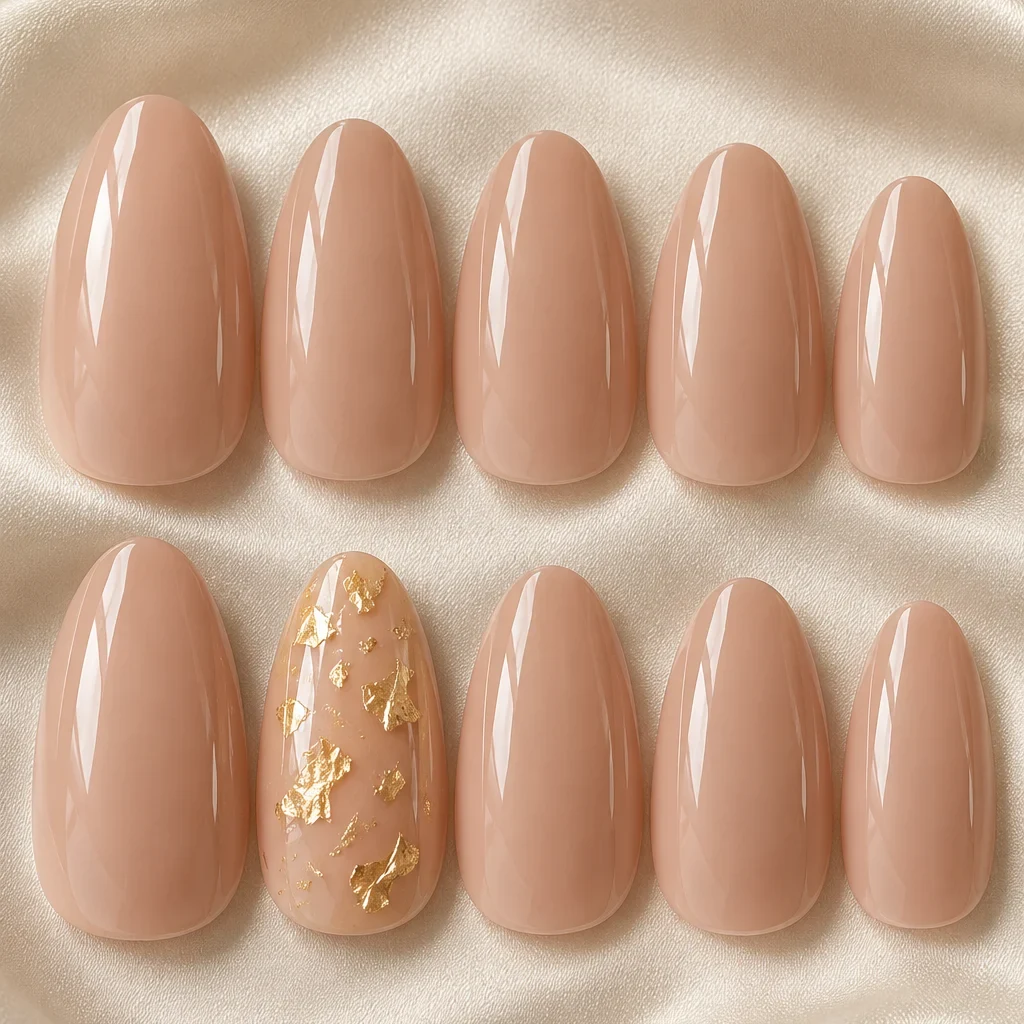
Gold foil accent
What to check
A real product chosen to look like the picture. The picture is a styling reference, not this exact product.
-
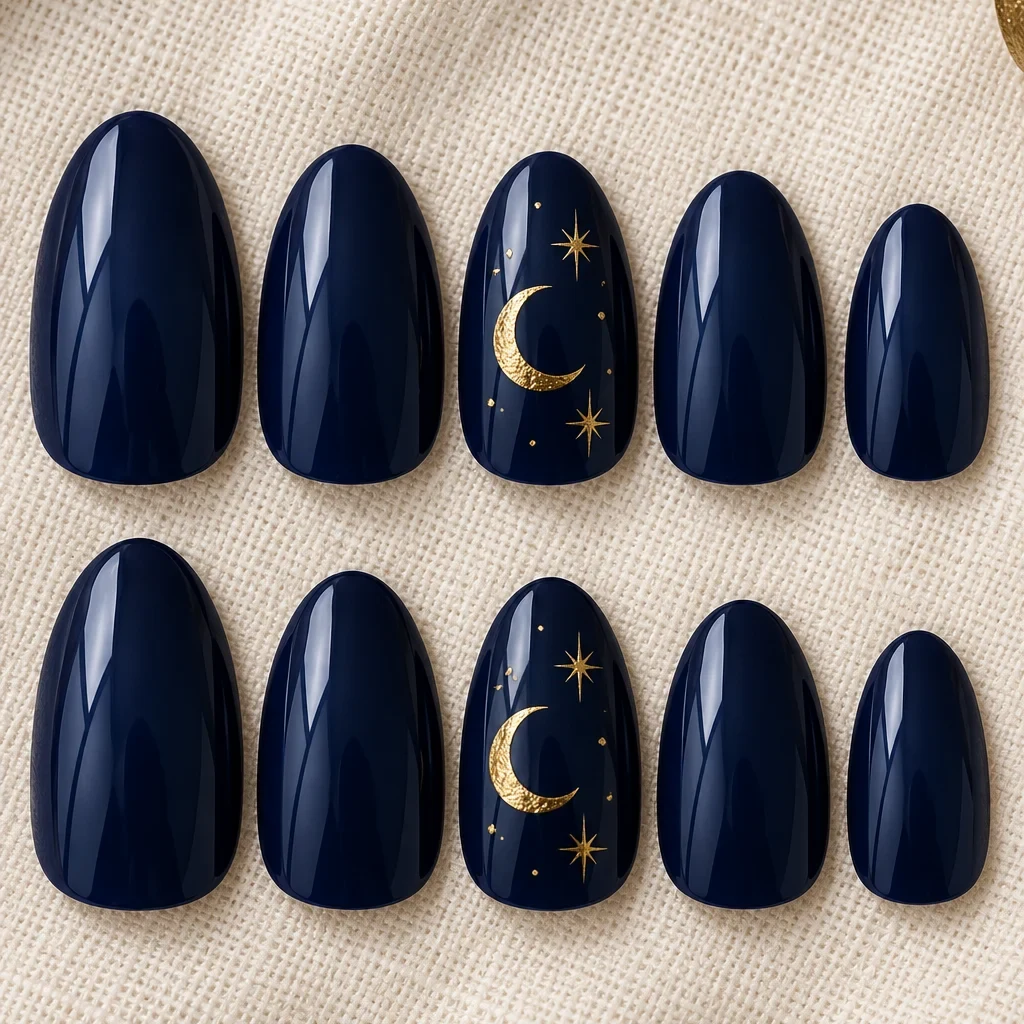
Moon-and-star accents
What to check
A real product chosen to look like the picture. The picture is a styling reference, not this exact product.
-
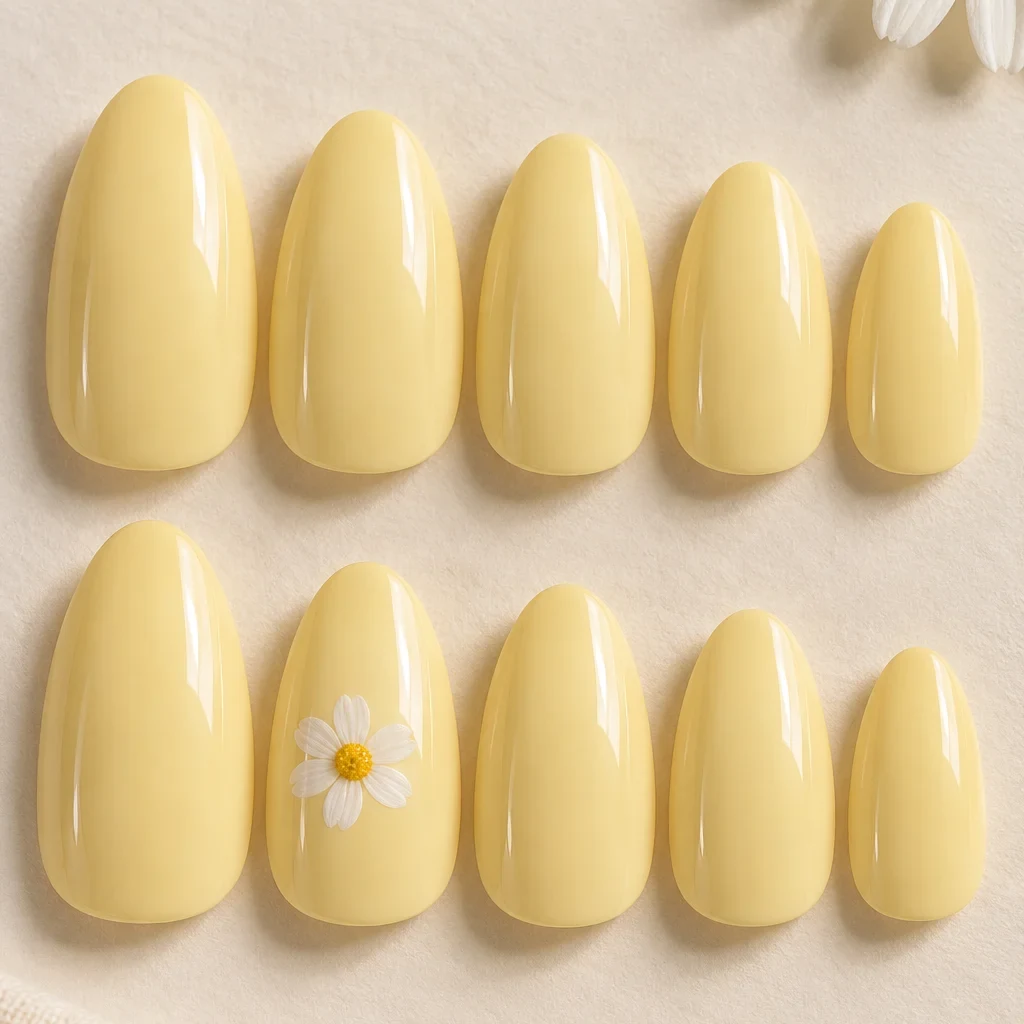
Single daisy accent
What to check
A real product chosen to look like the picture. The picture is a styling reference, not this exact product.
-
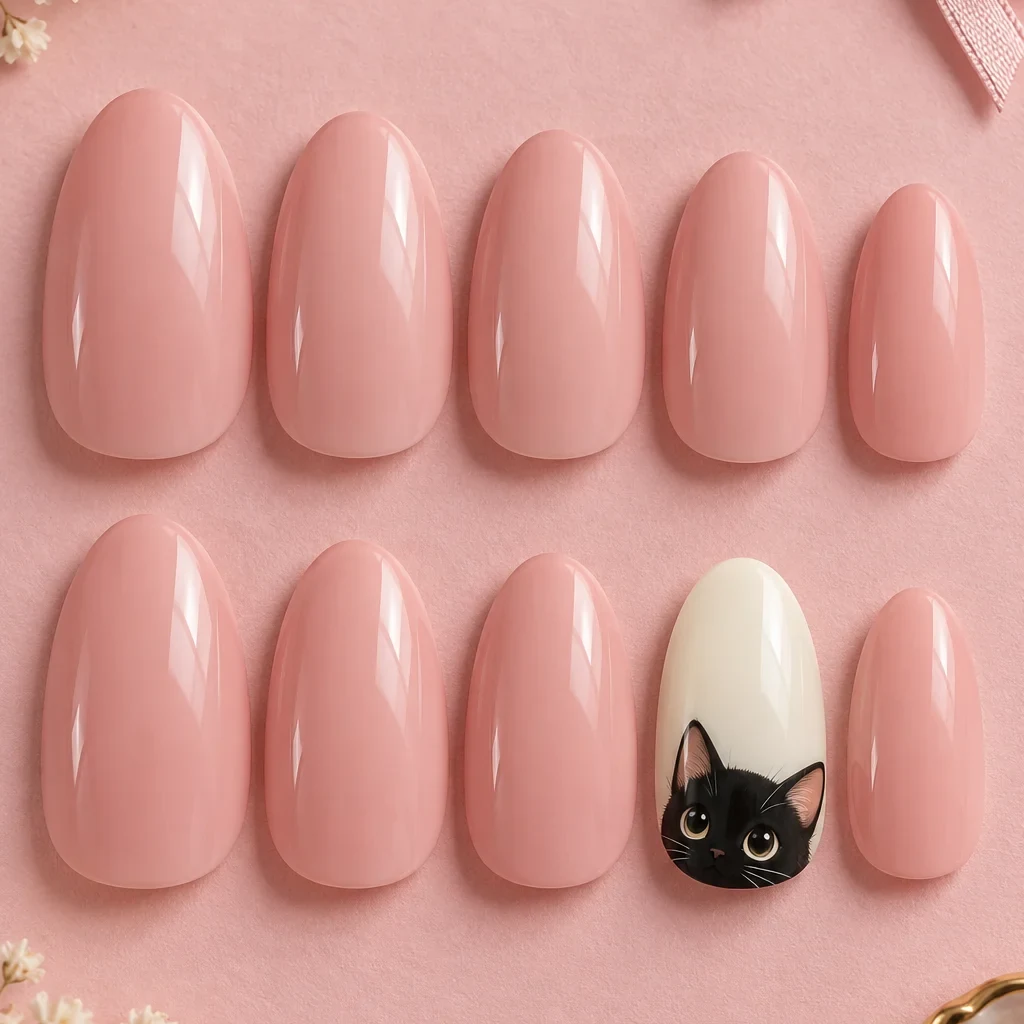
Tiny anime-inspired cat accent
What to check
A real product chosen to look like the picture. The picture is a styling reference, not this exact product.
-
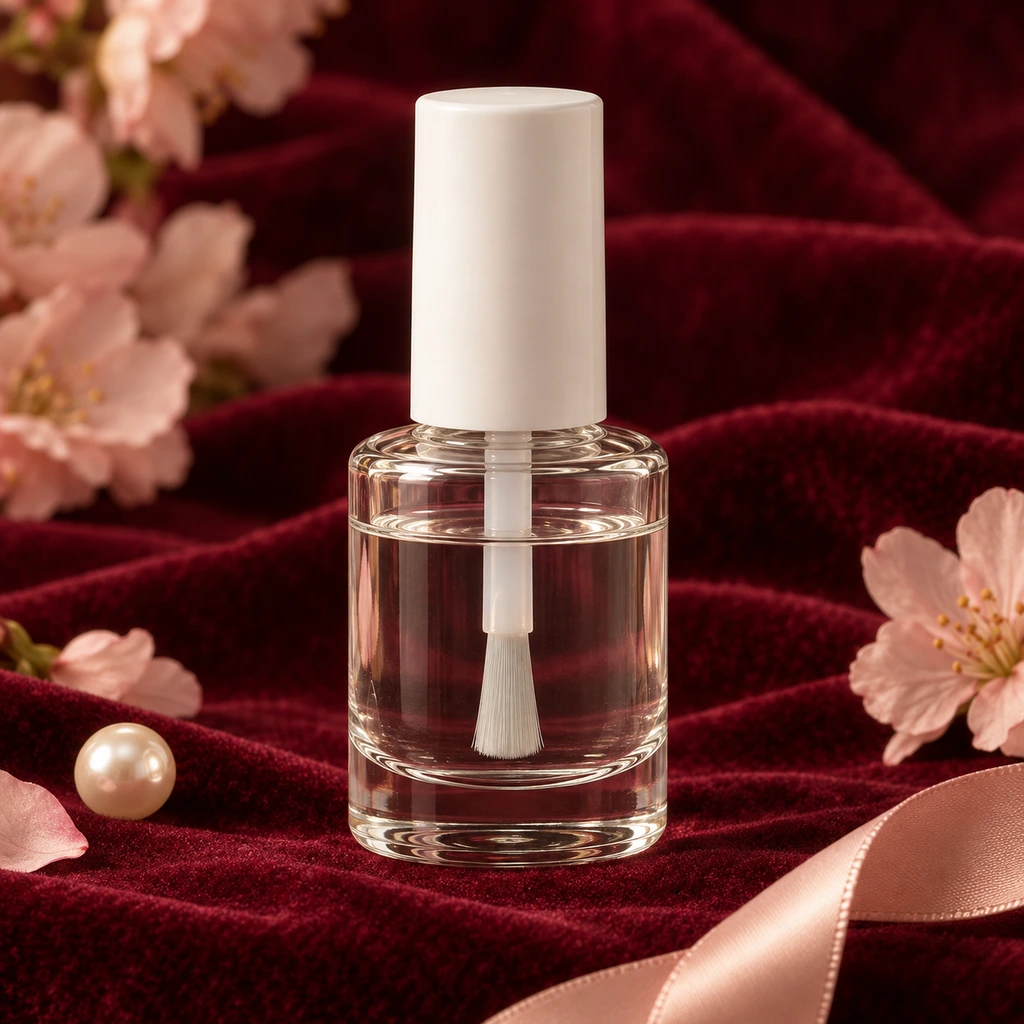
Base coat
What to check
A real product chosen to look like the picture. The picture is a styling reference, not this exact product.
-
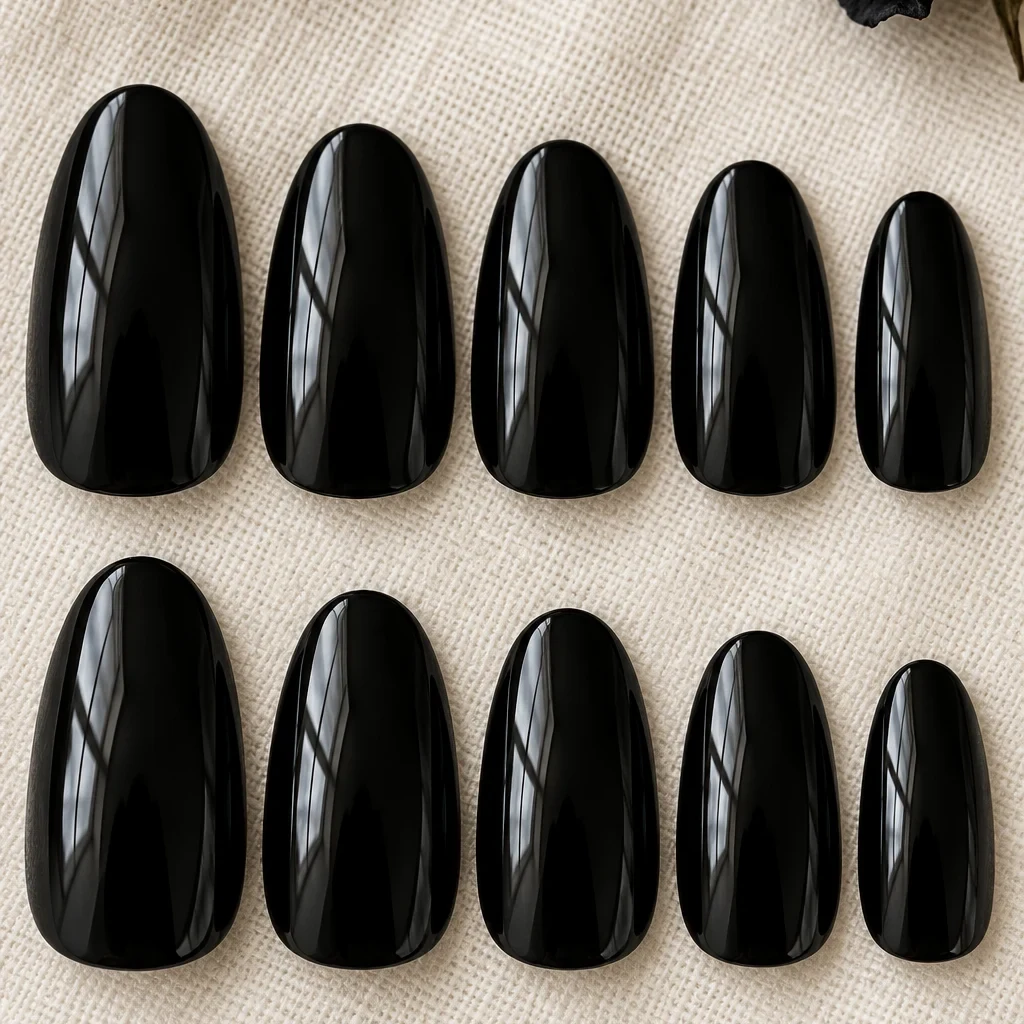
Black Almond Nails
What to check
A real product chosen to look like the picture. The picture is a styling reference, not this exact product.
-
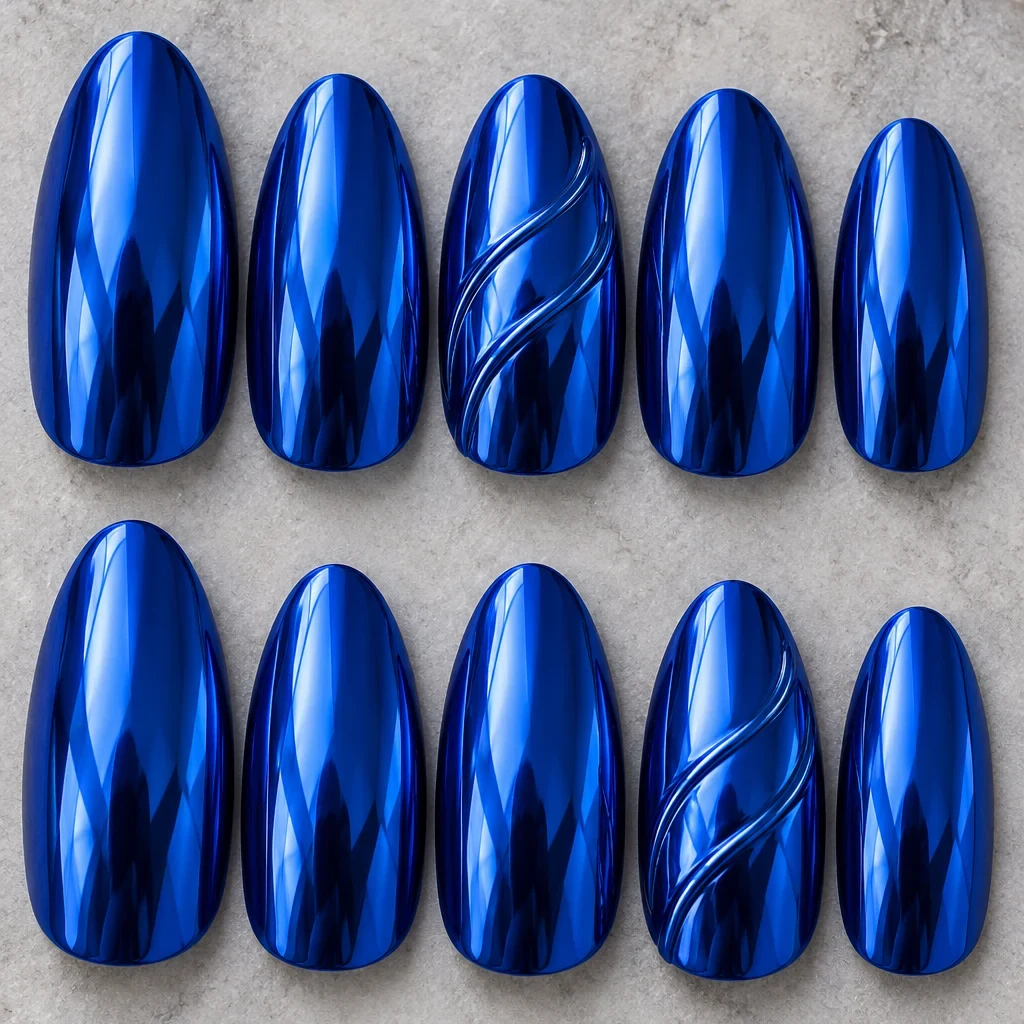
Blue Chrome Nails
What to check
A real product chosen to look like the picture. The picture is a styling reference, not this exact product.
-
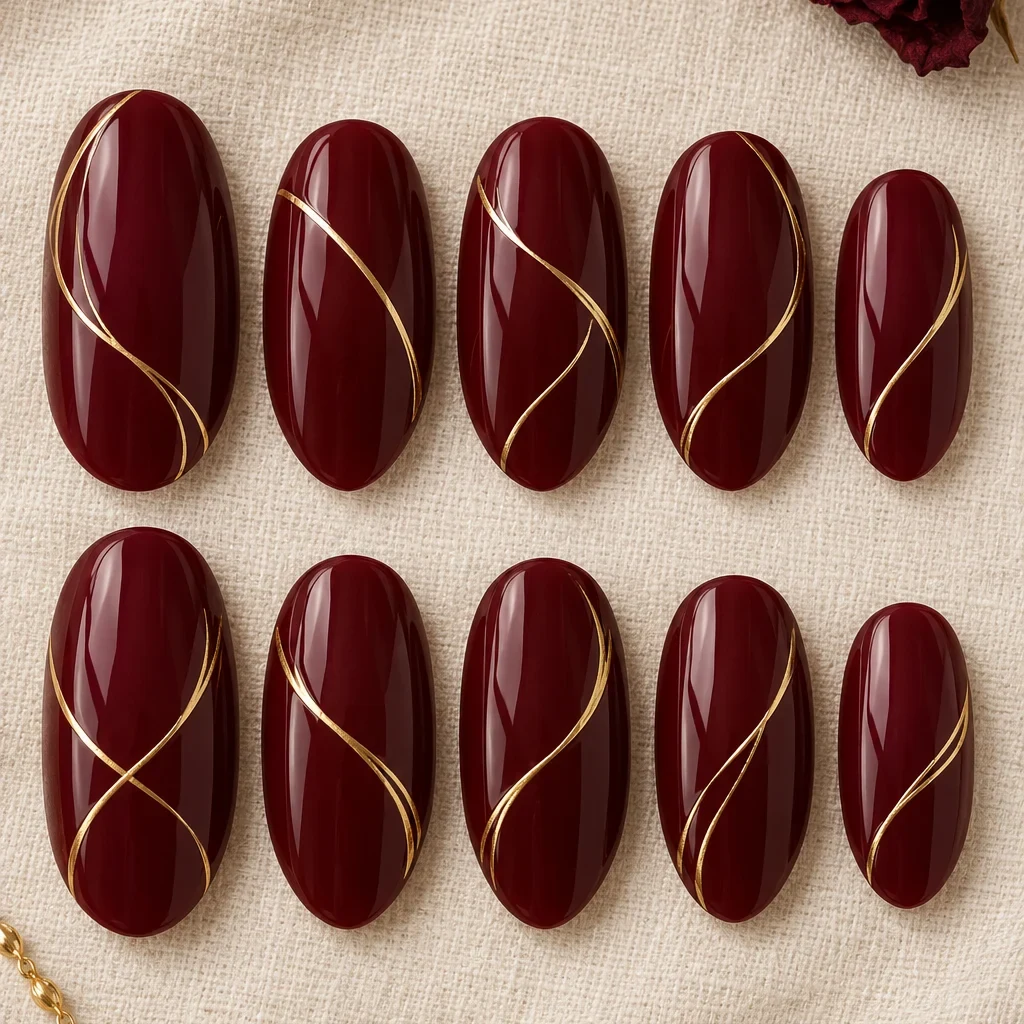
Burgundy Gold Line Nails
What to check
A real product chosen to look like the picture. The picture is a styling reference, not this exact product.
The gallery
32 short & almond looks
Open a look to see its pieces.
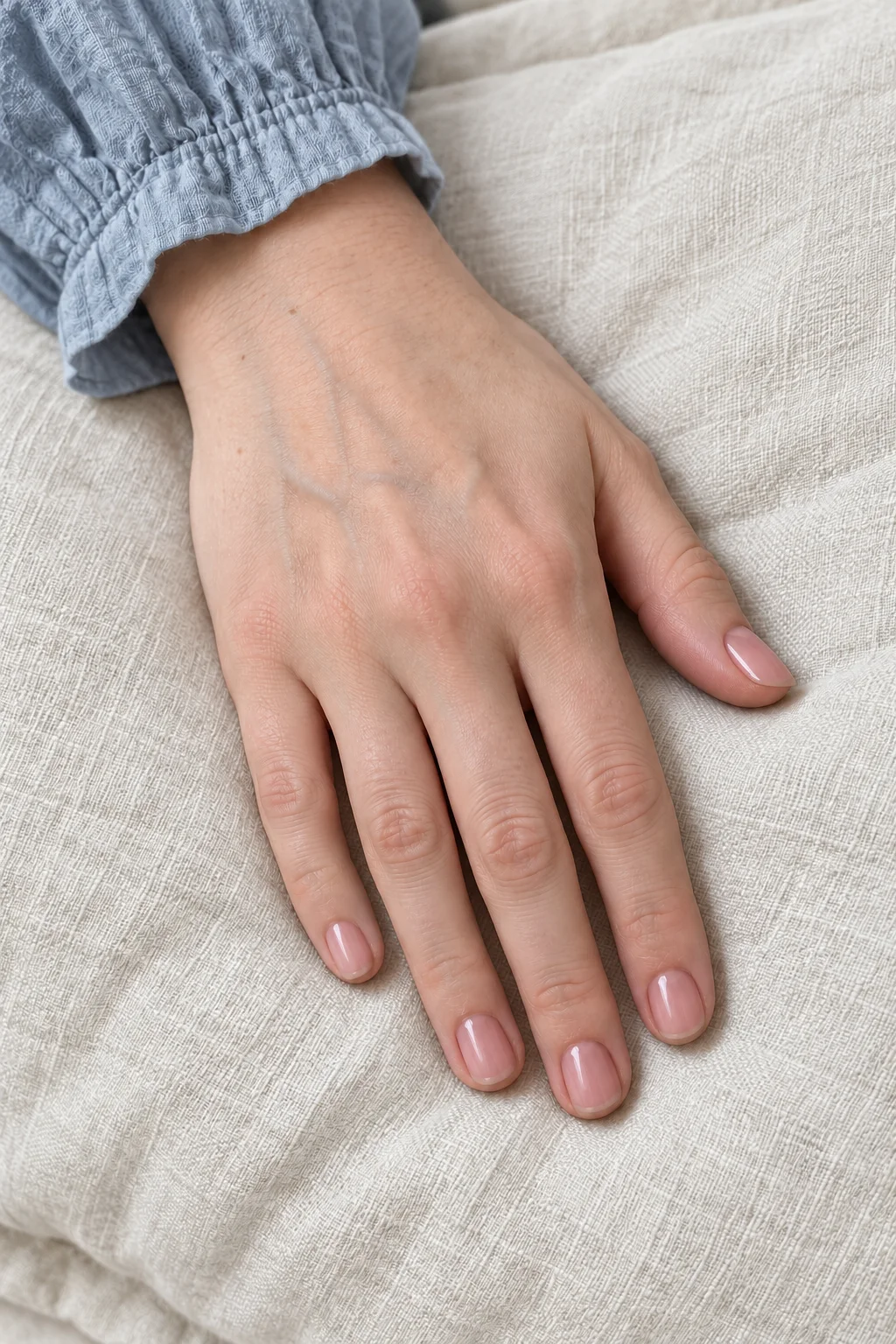 Rosy nude
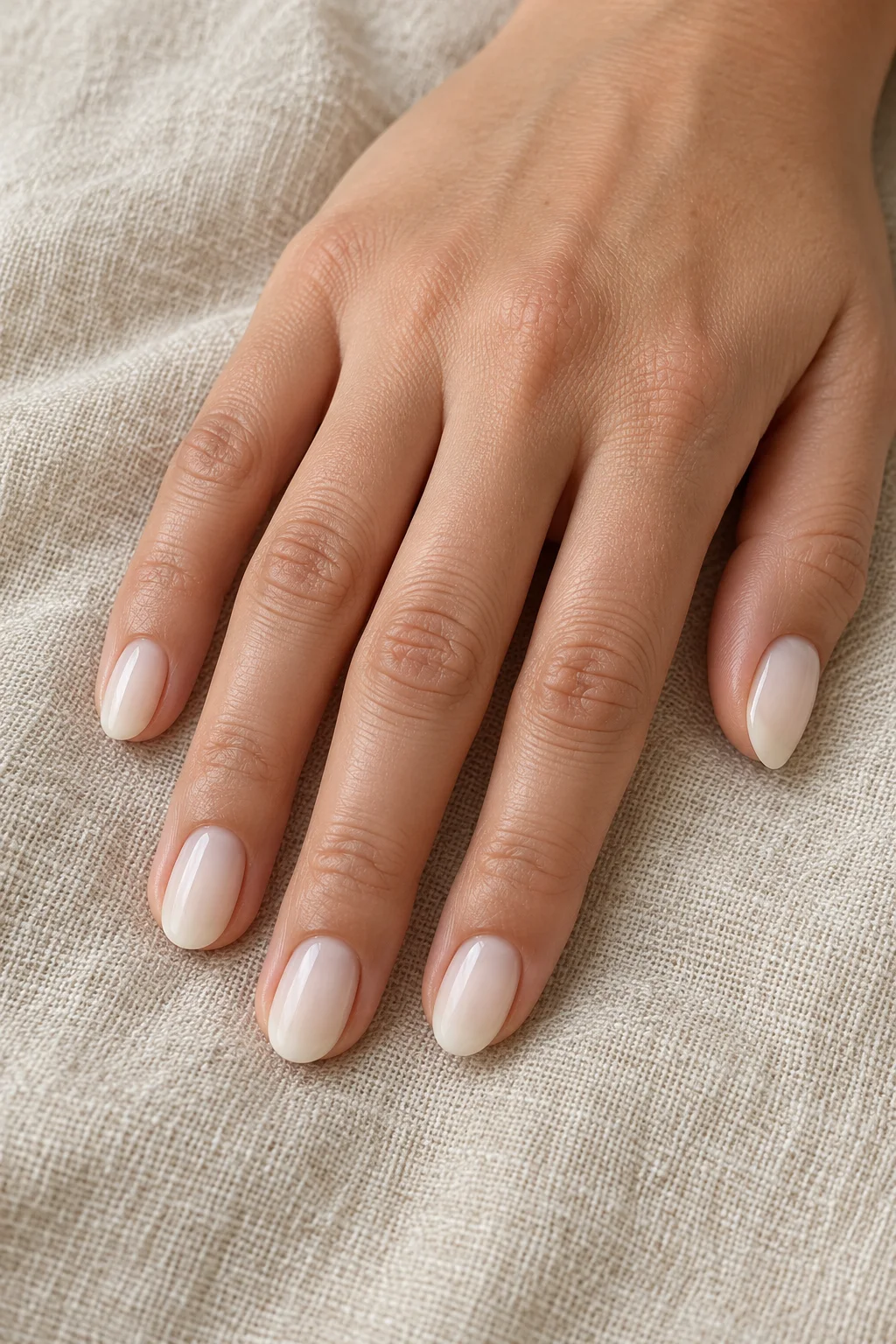 Milky ivory
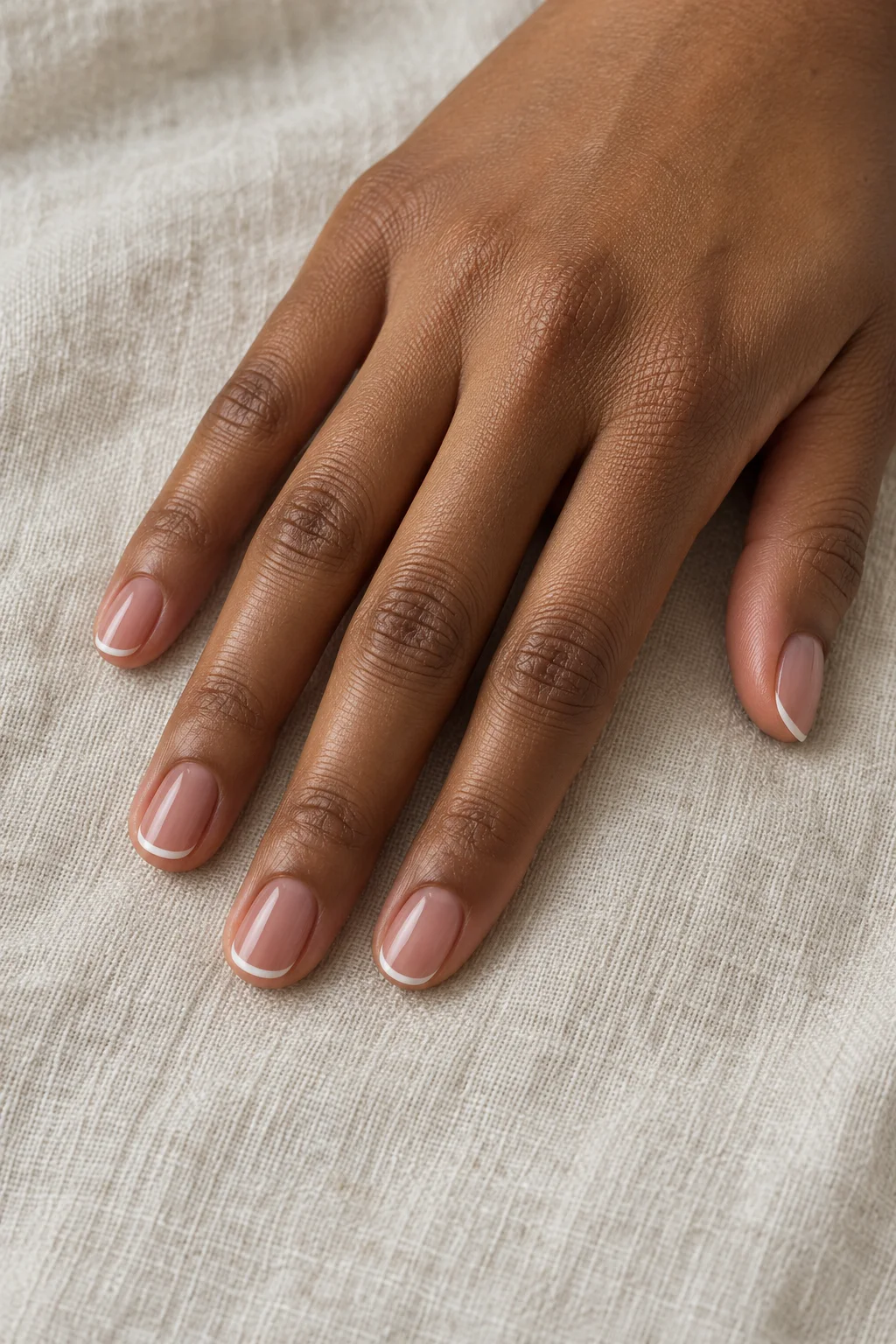 Micro French tips
 Cherry red
 Latte beige
 Cool taupe
 Sage green
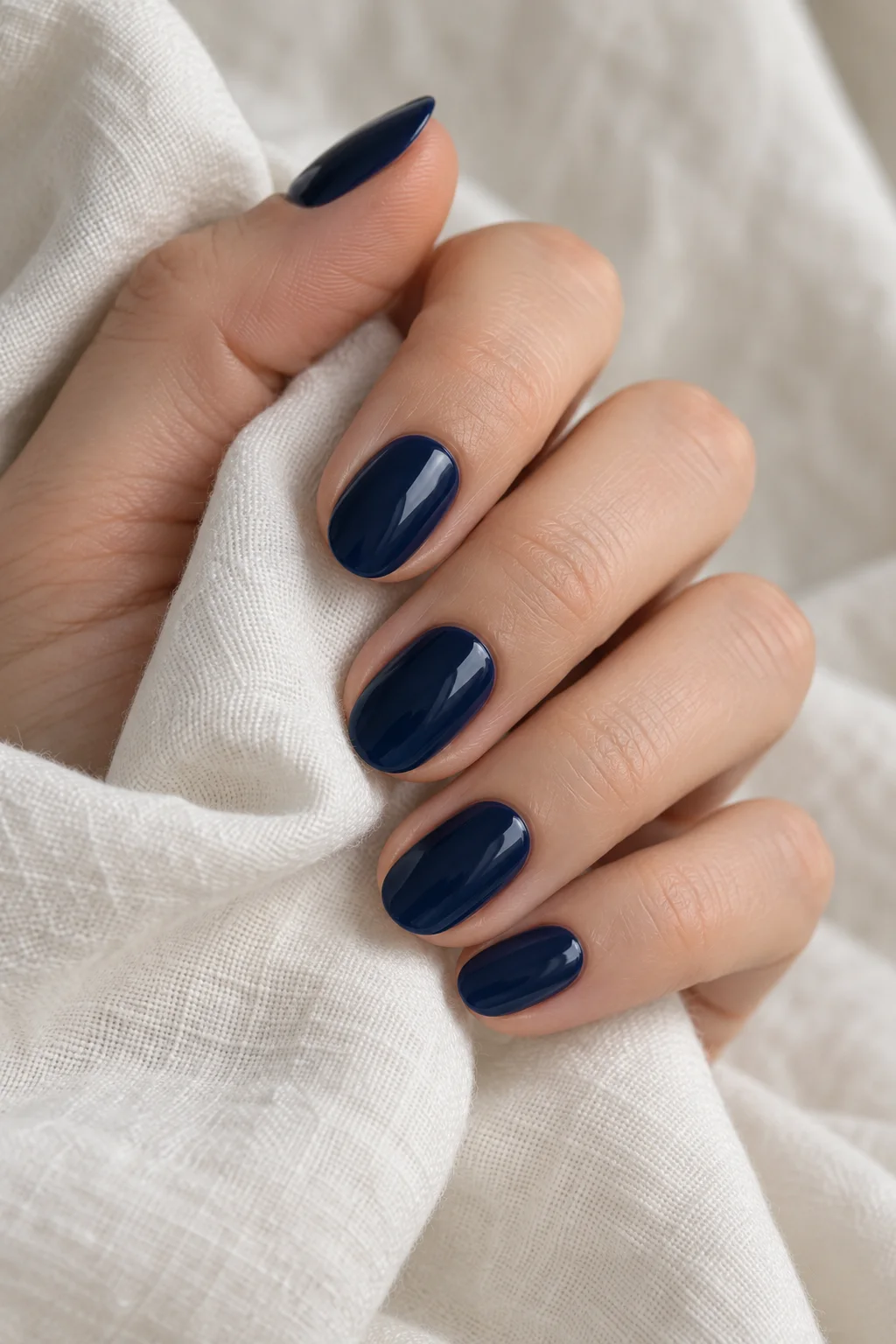 Deep navy
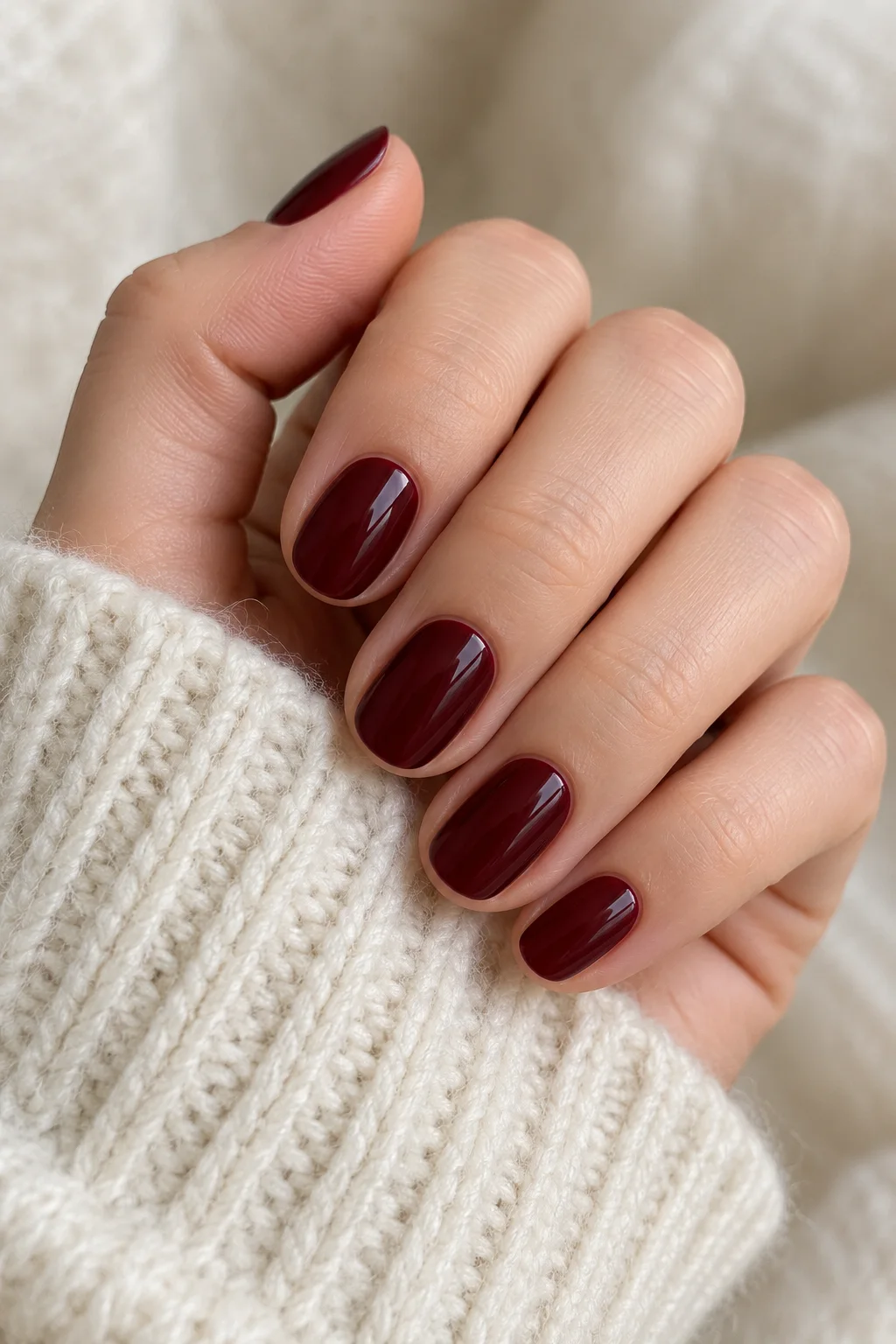 Burgundy
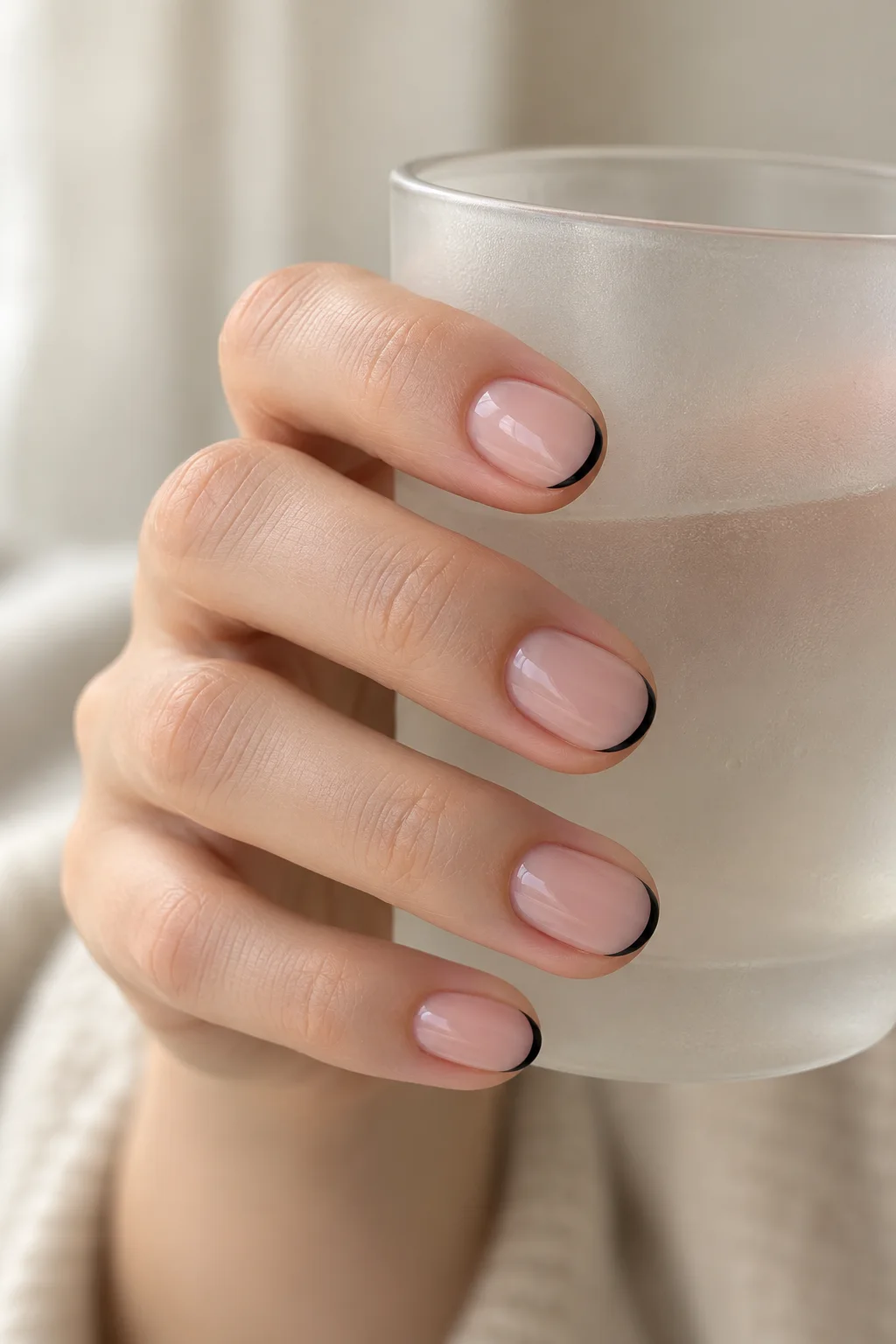 Black French edges
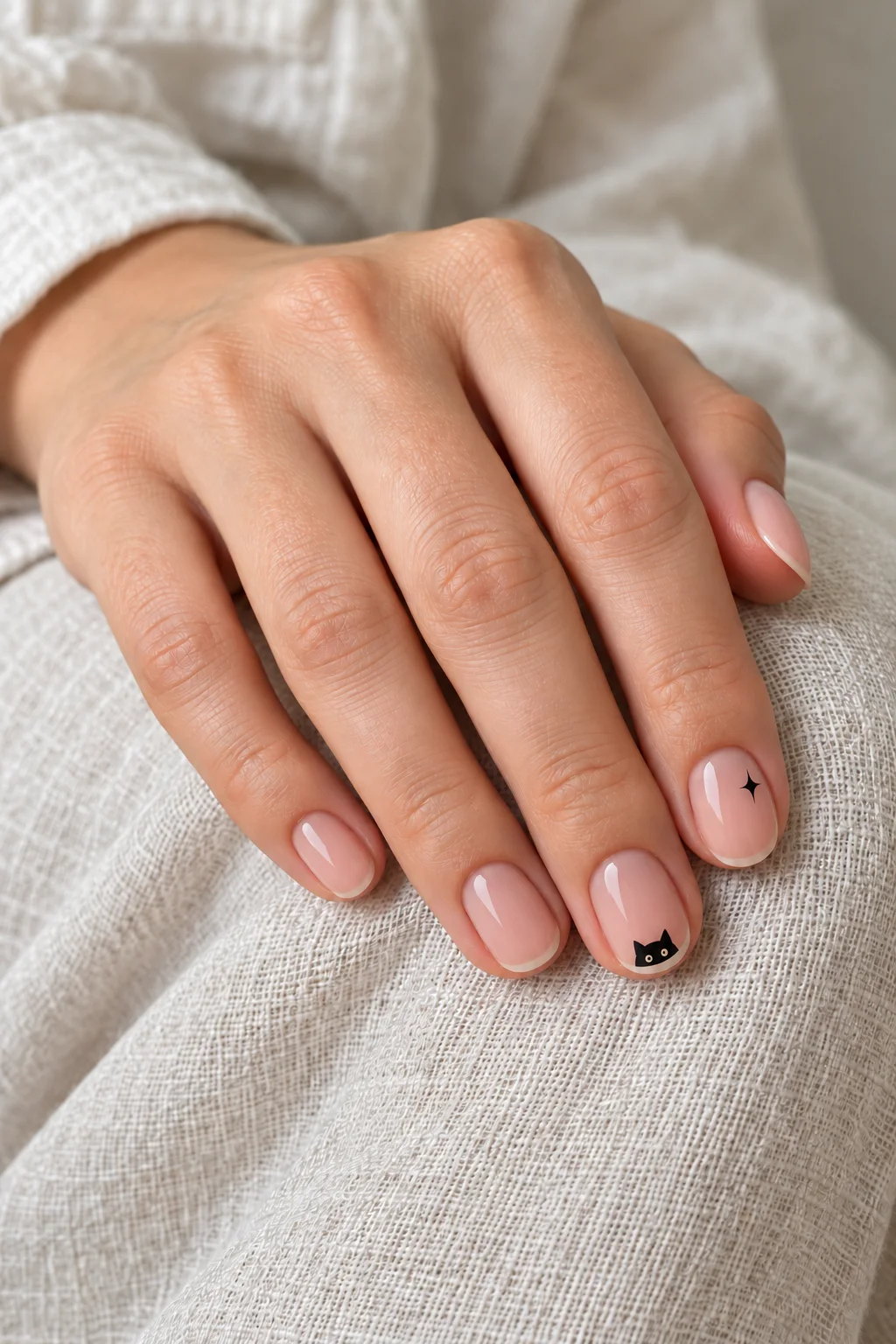 Tiny anime-inspired cat accent
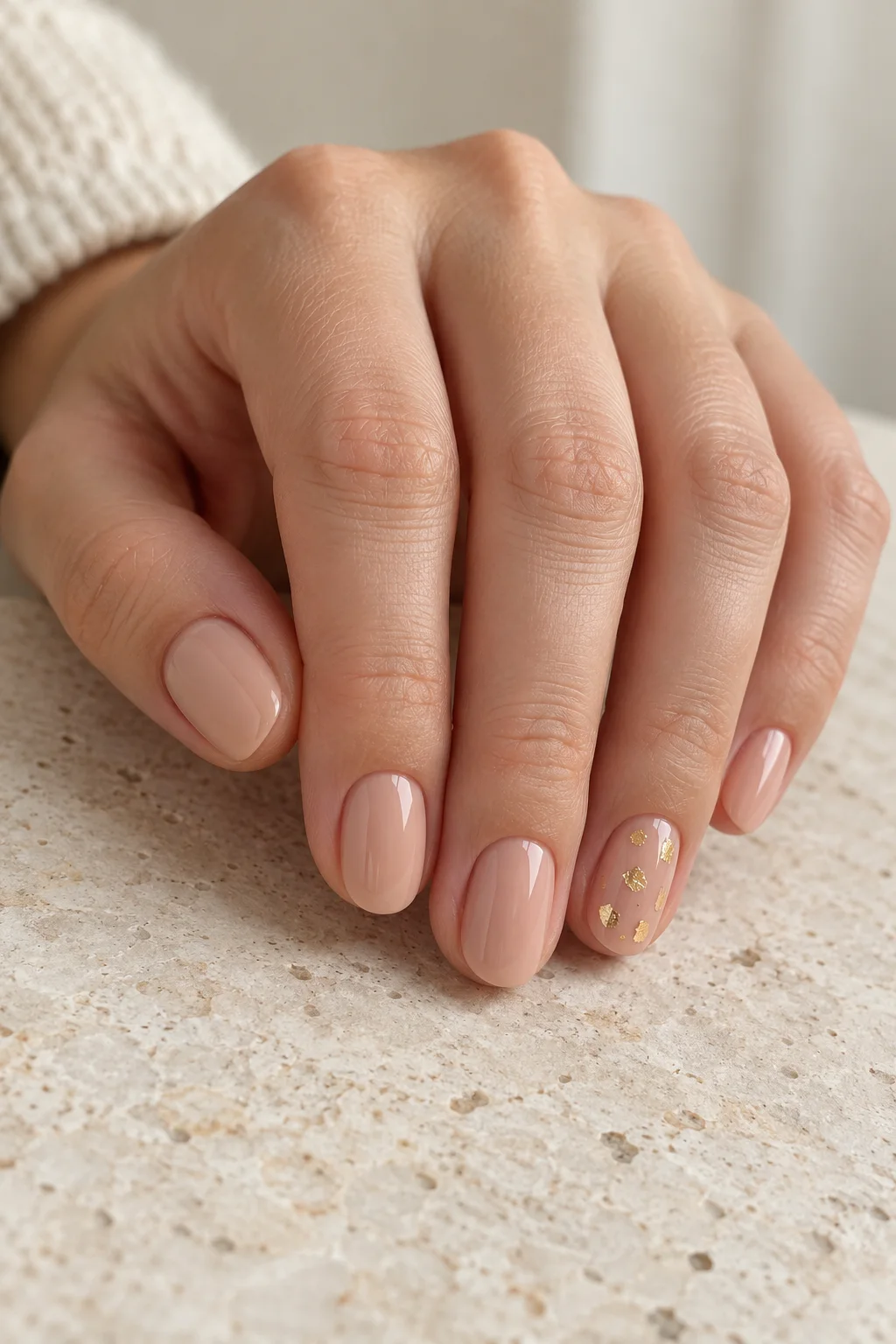 Gold foil accent
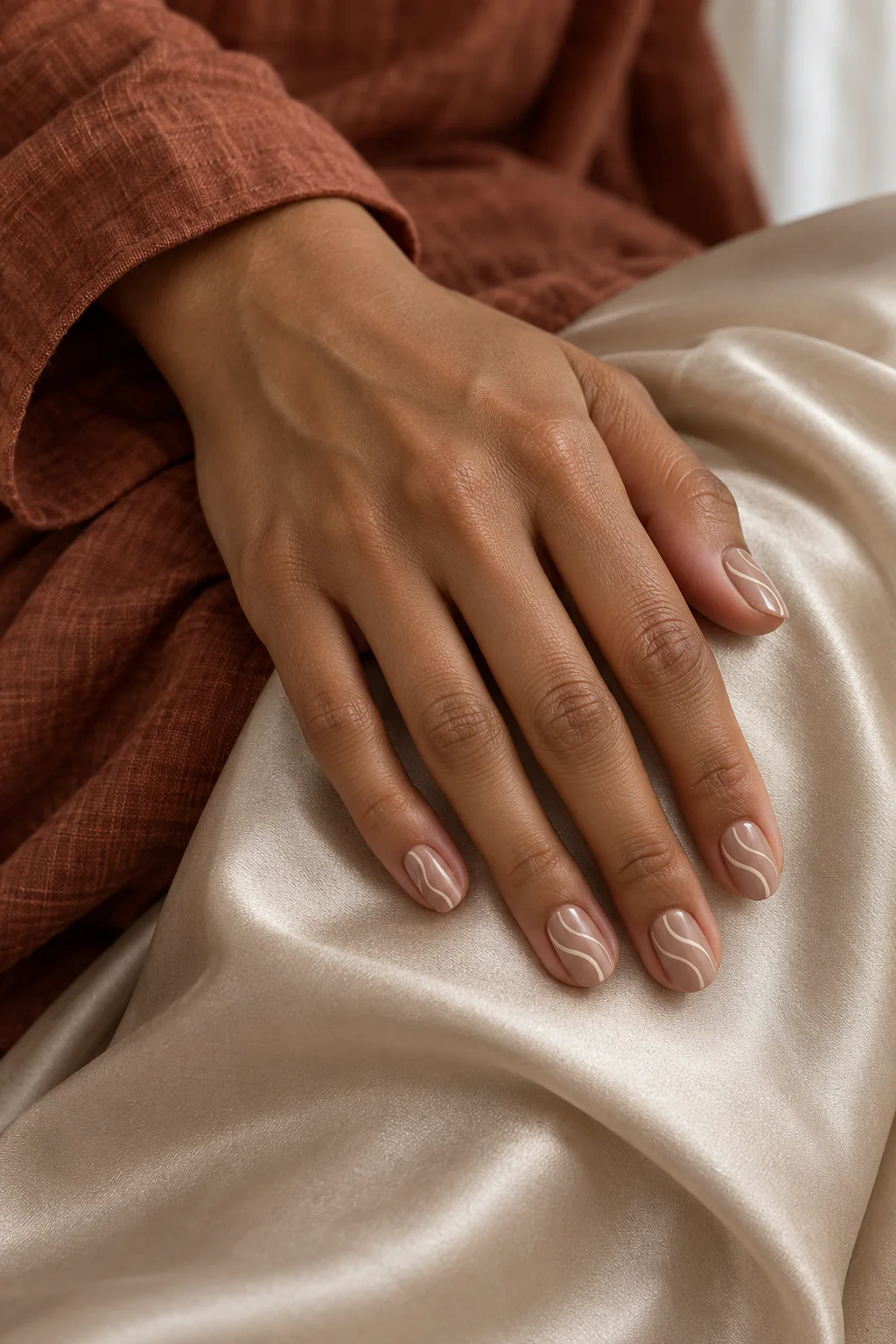 Cream swirls
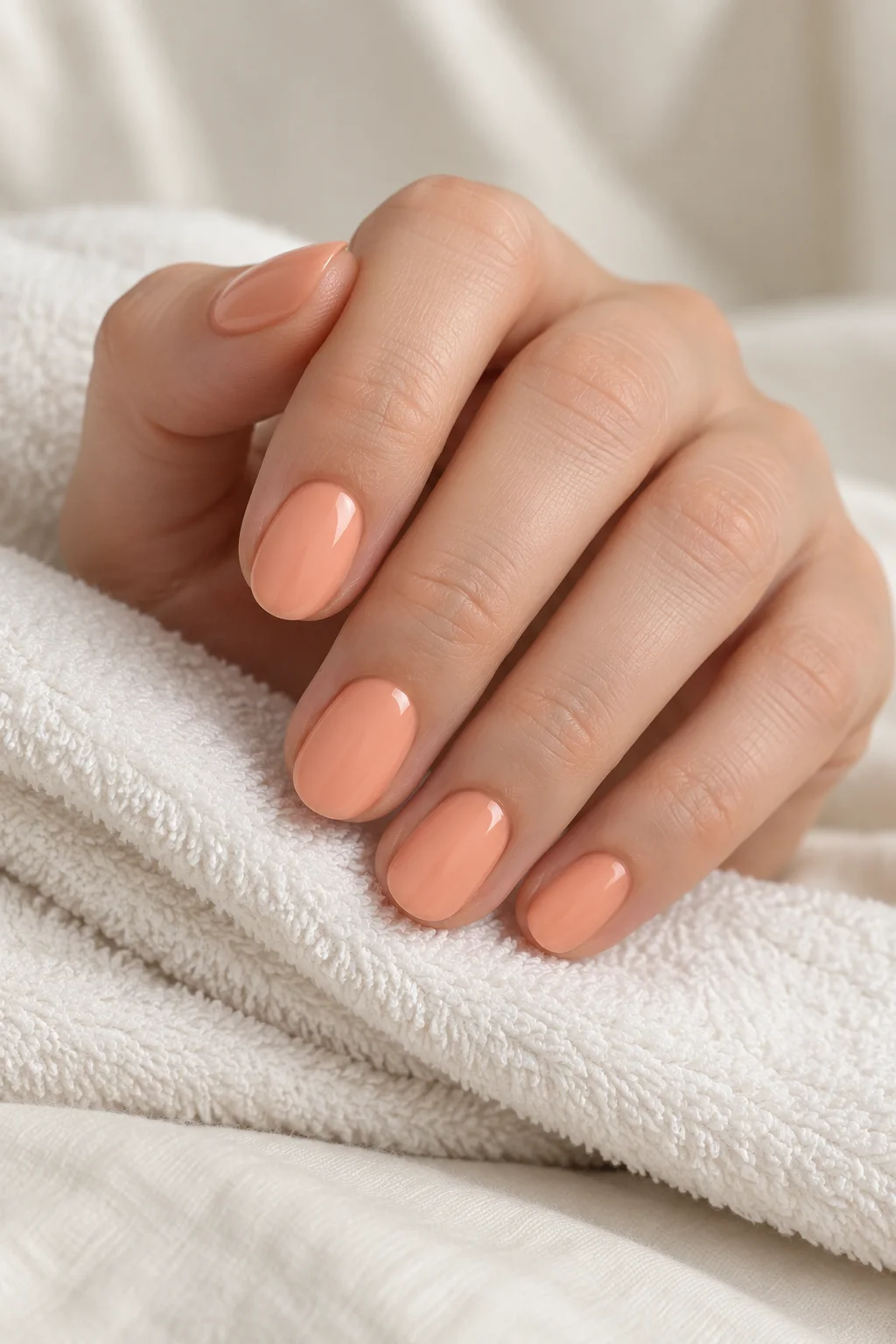 Soft peach
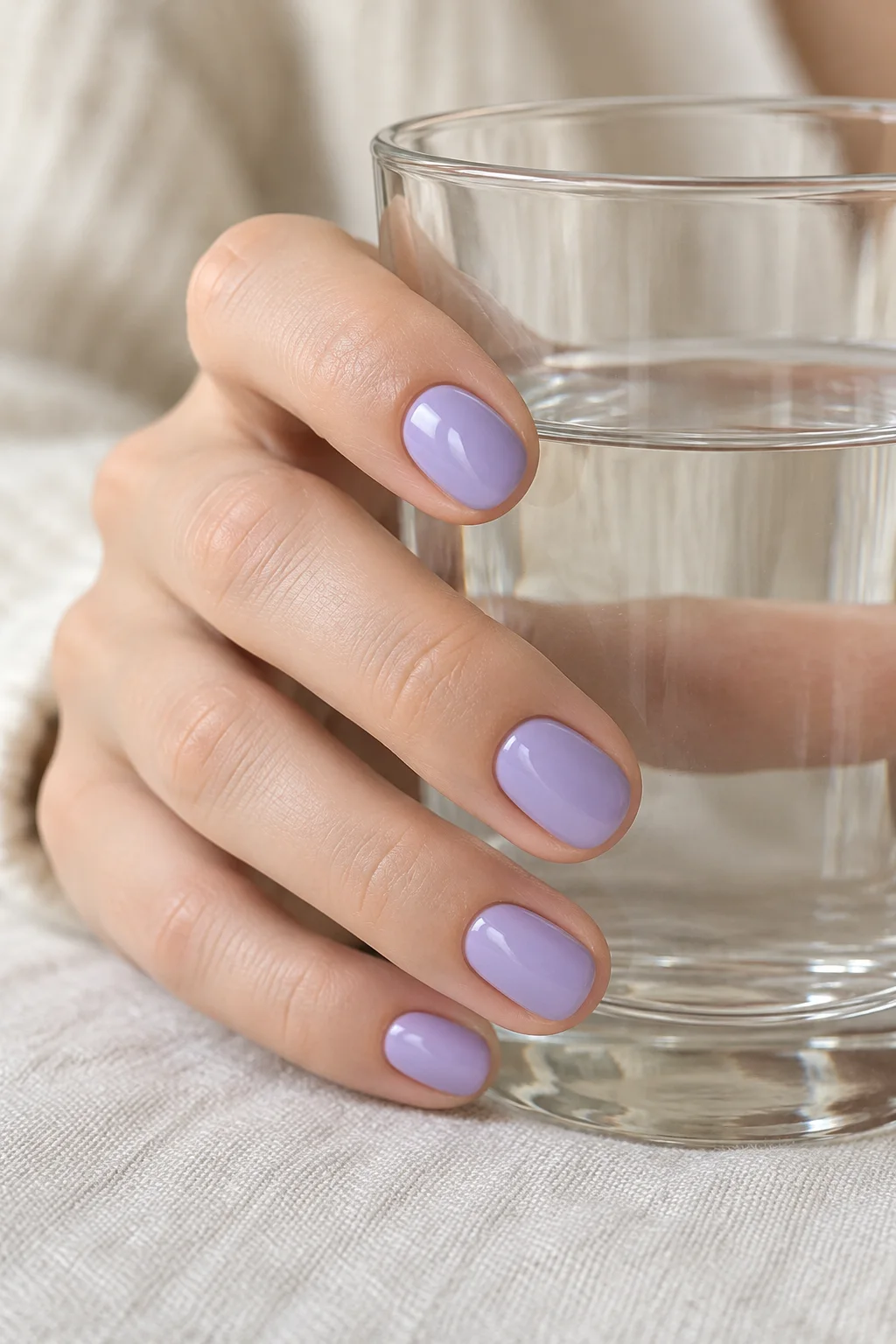 Lavender
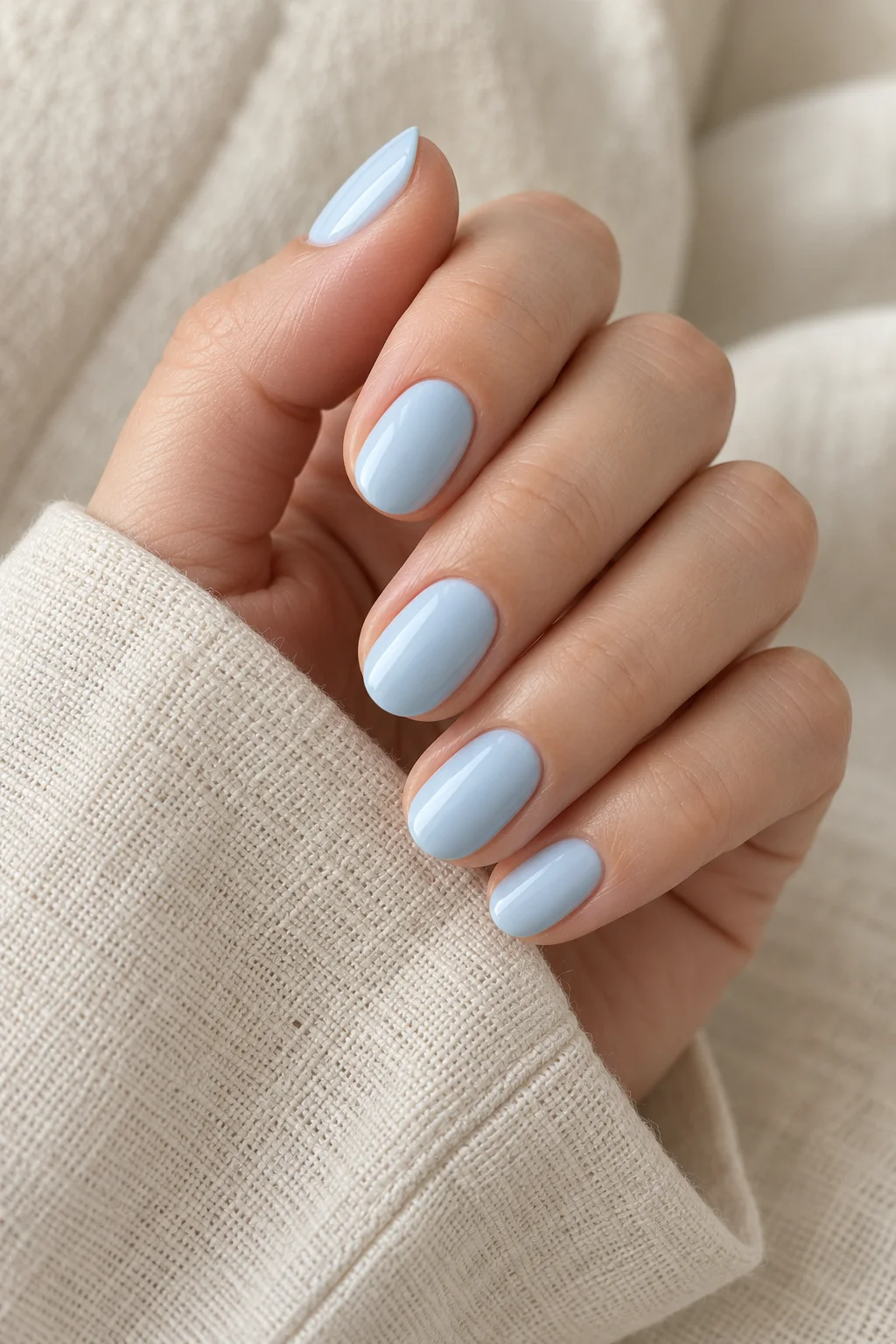 Powder blue
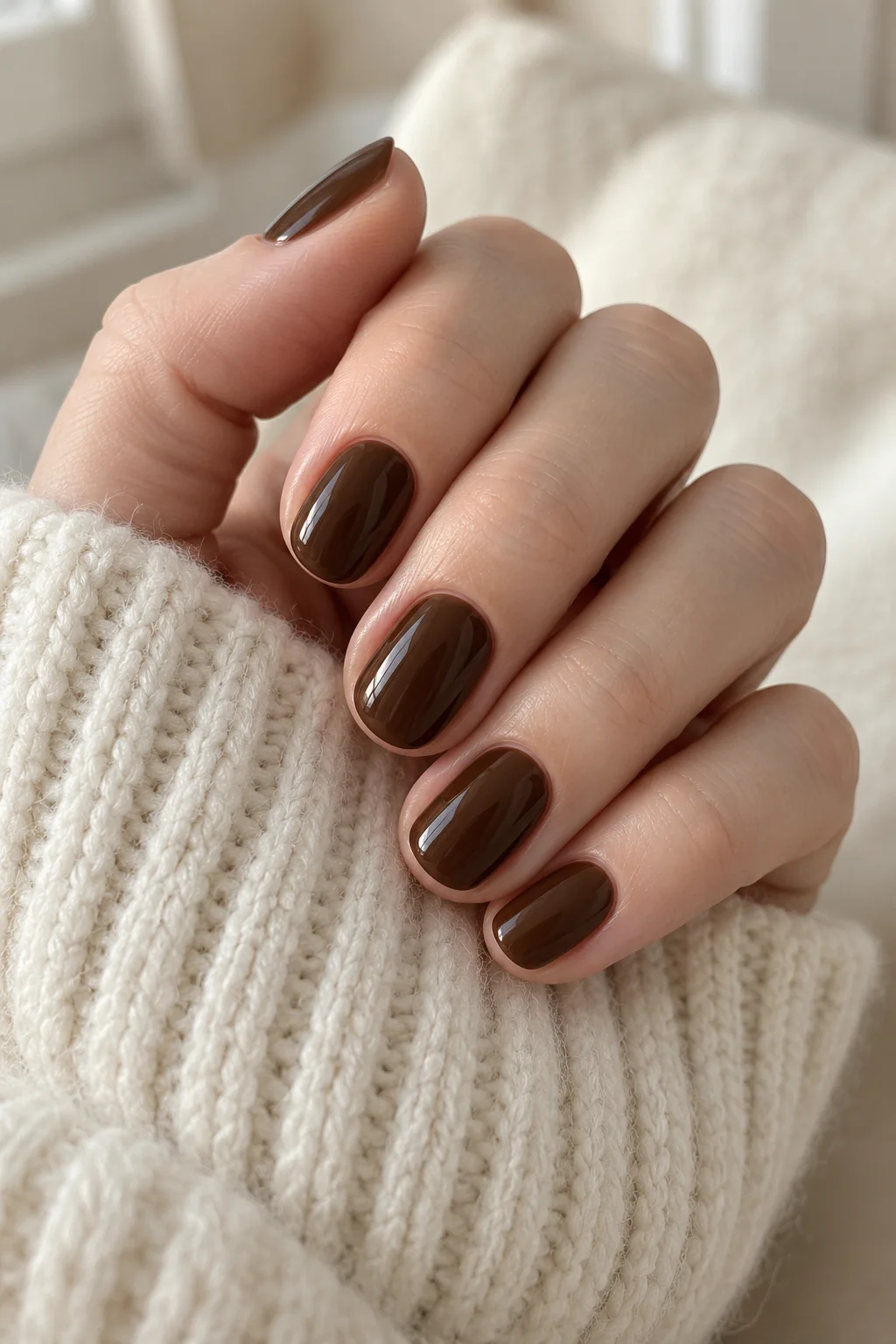 Chocolate brown
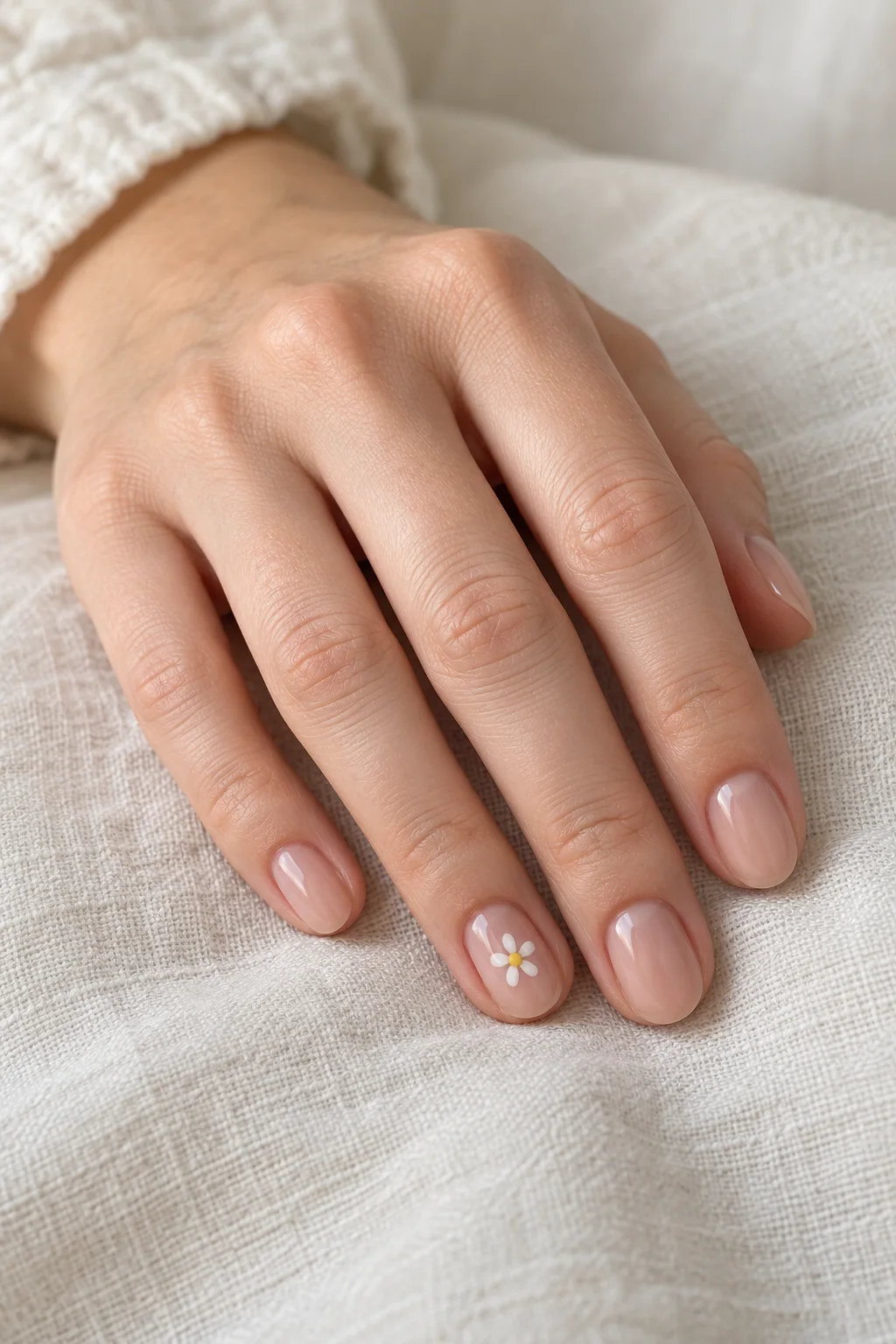 Single daisy accent
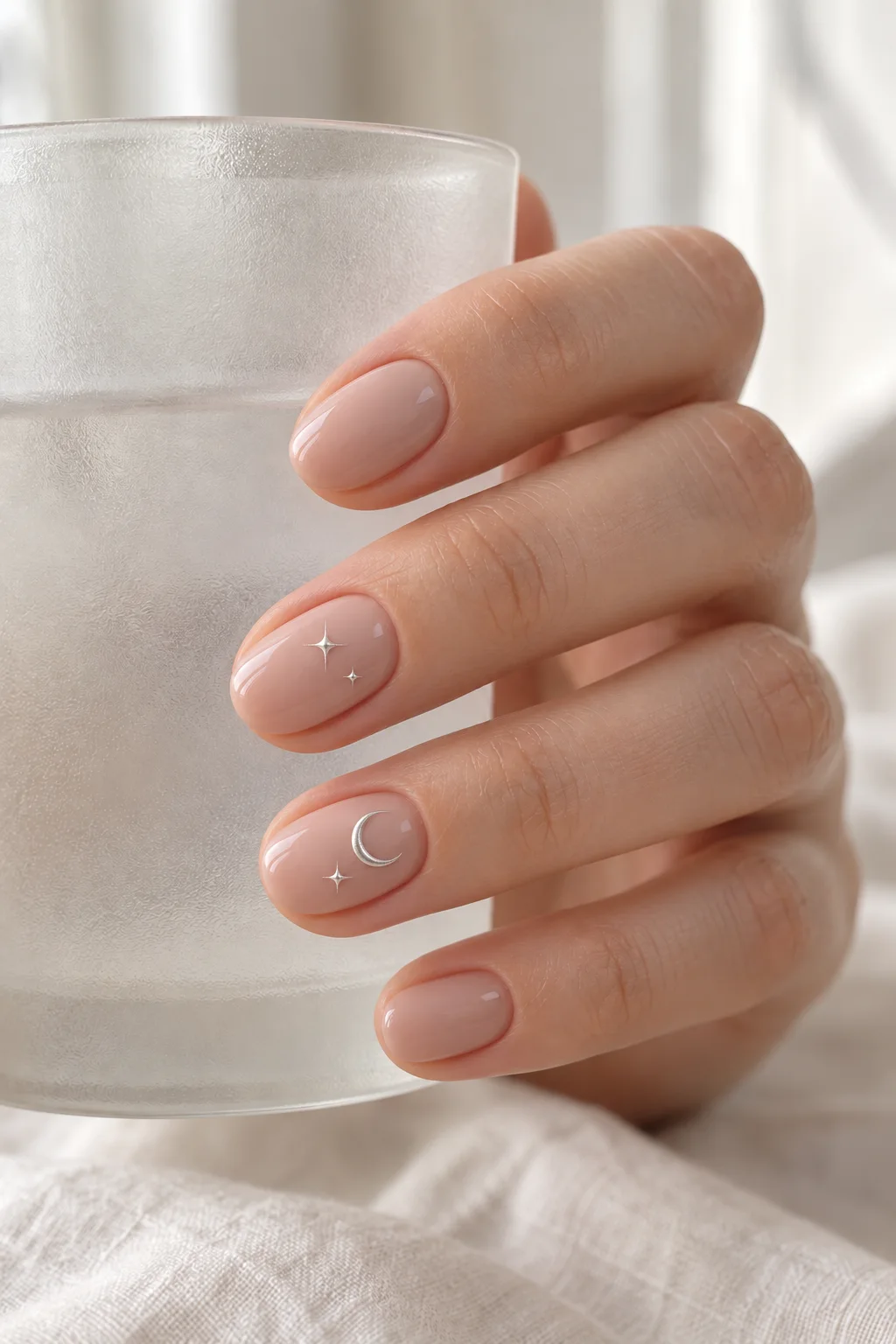 Moon-and-star accents
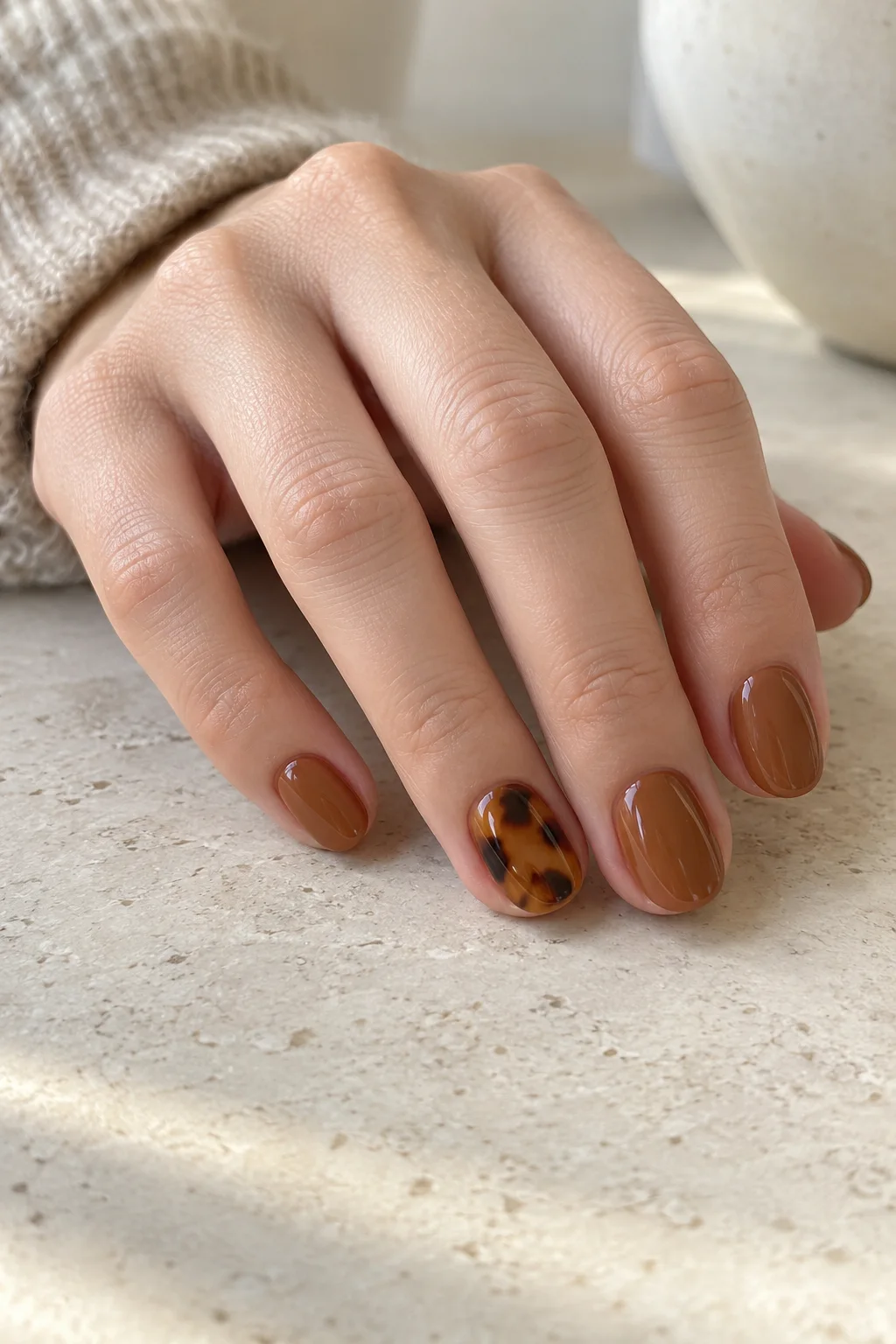 Tortoiseshell accent
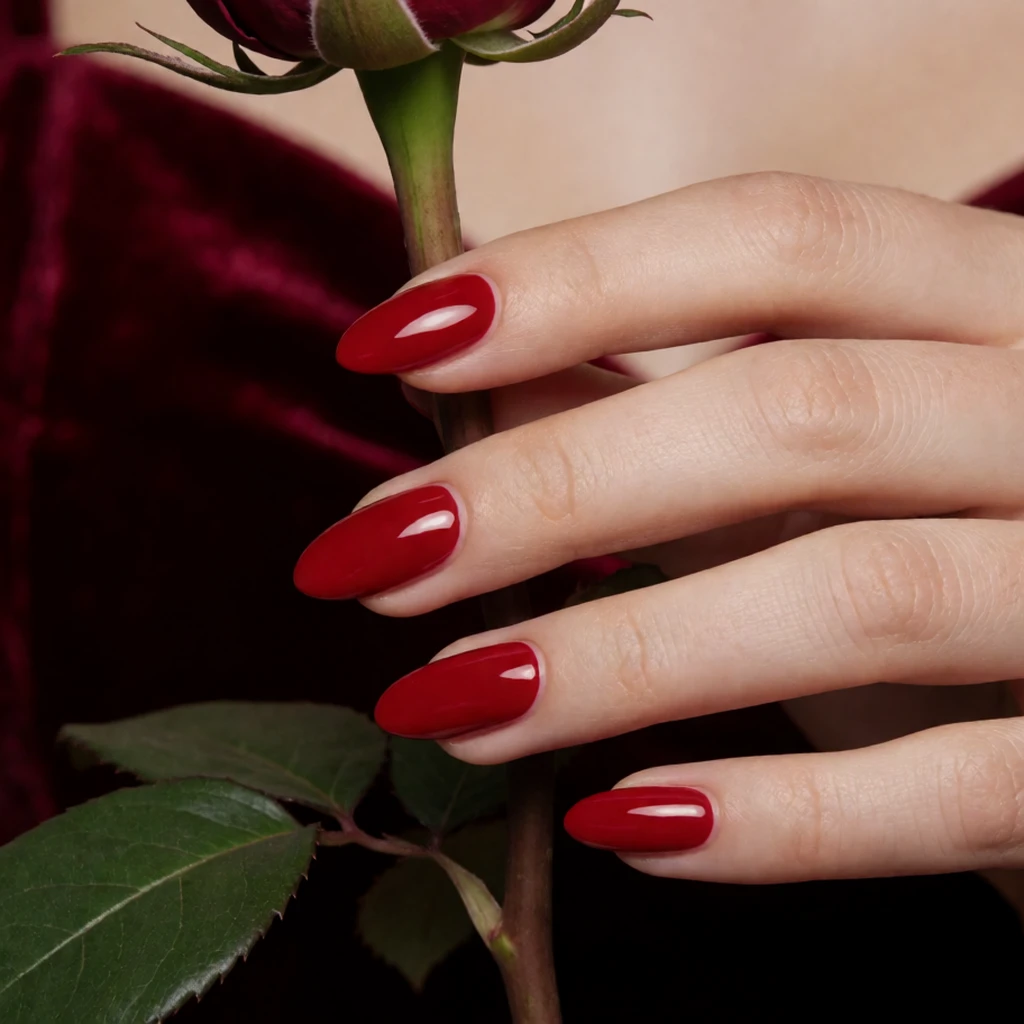 Red Almond Nails
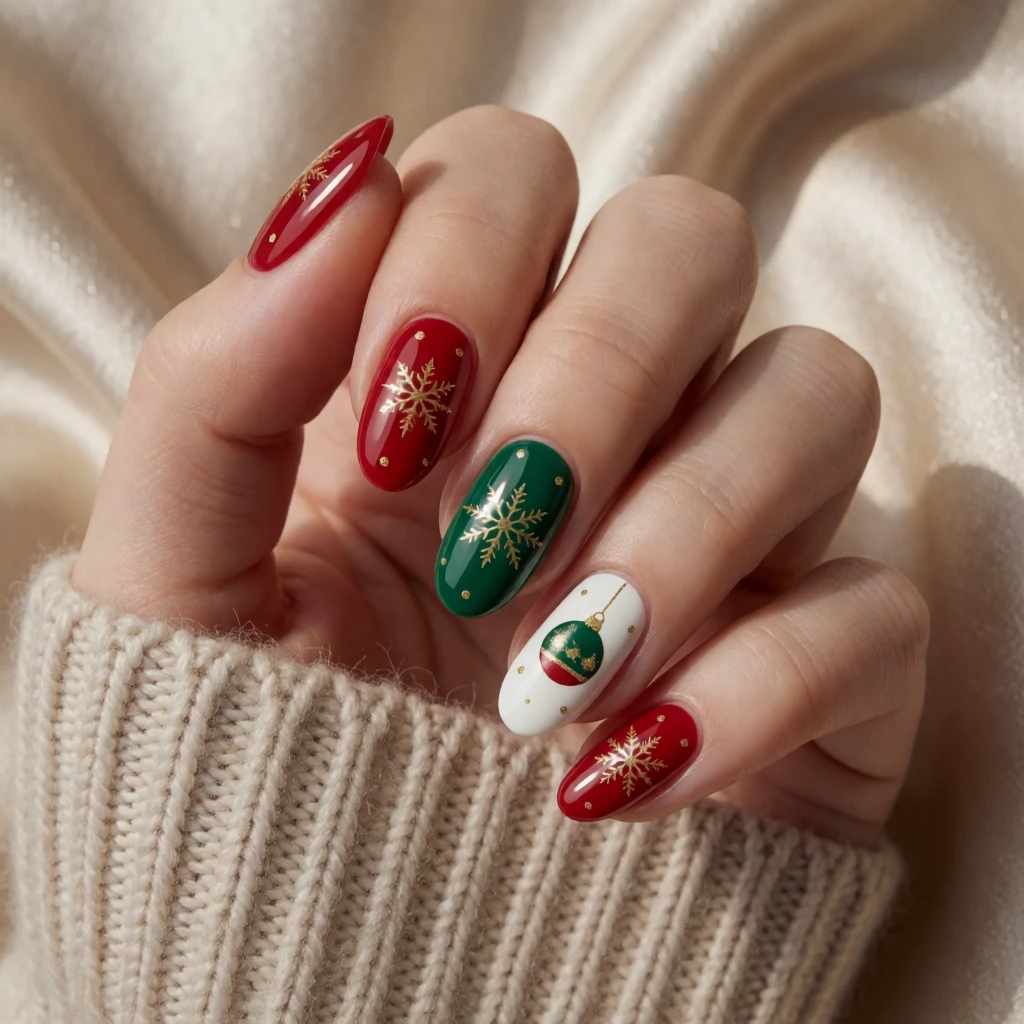 Christmas Nails Short
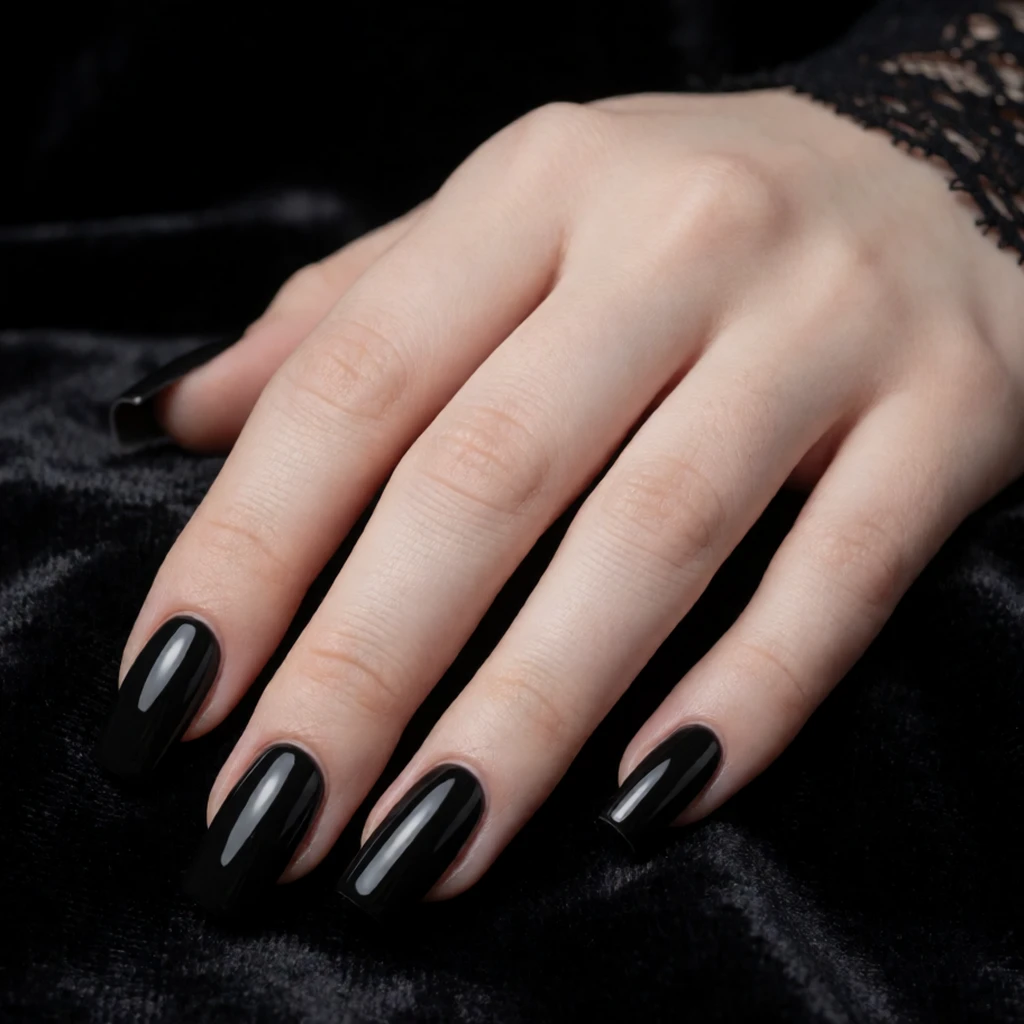 Black Almond Nails
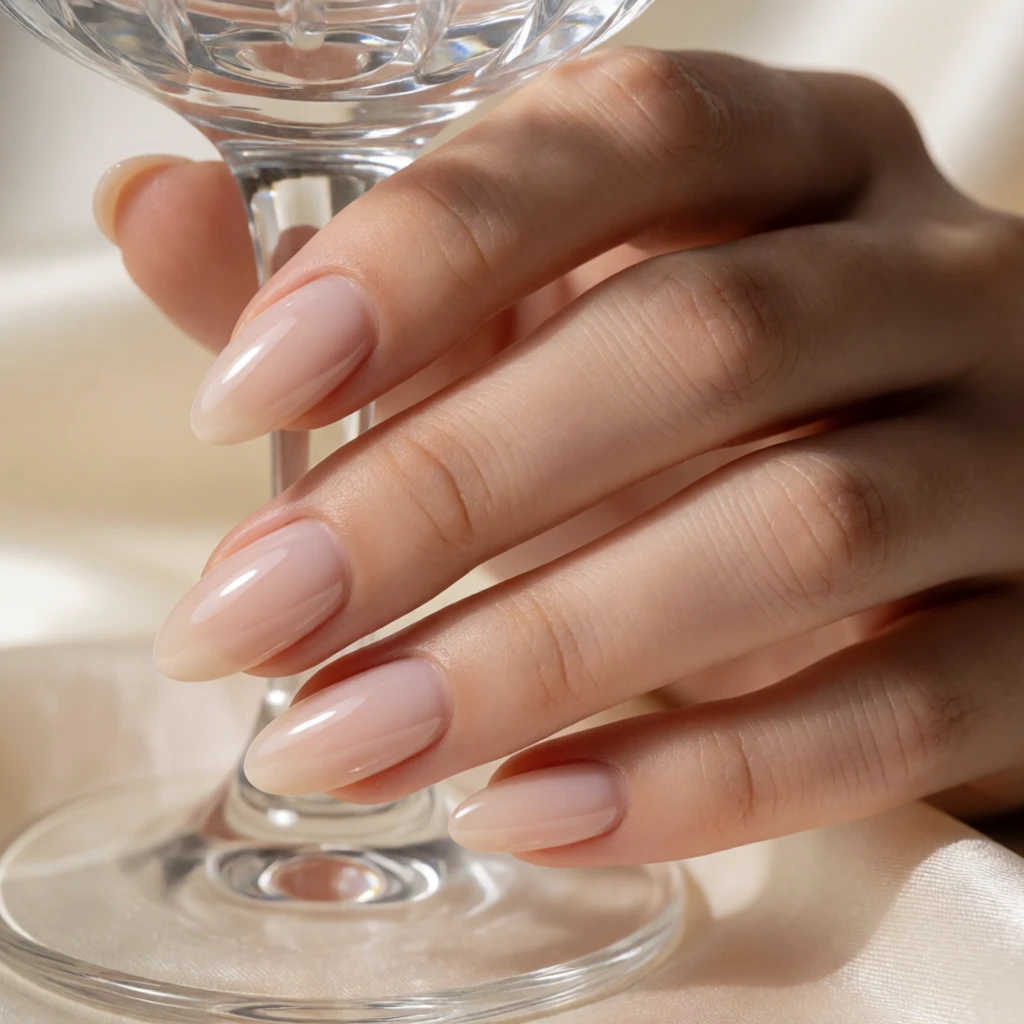 Milky Almond Glaze
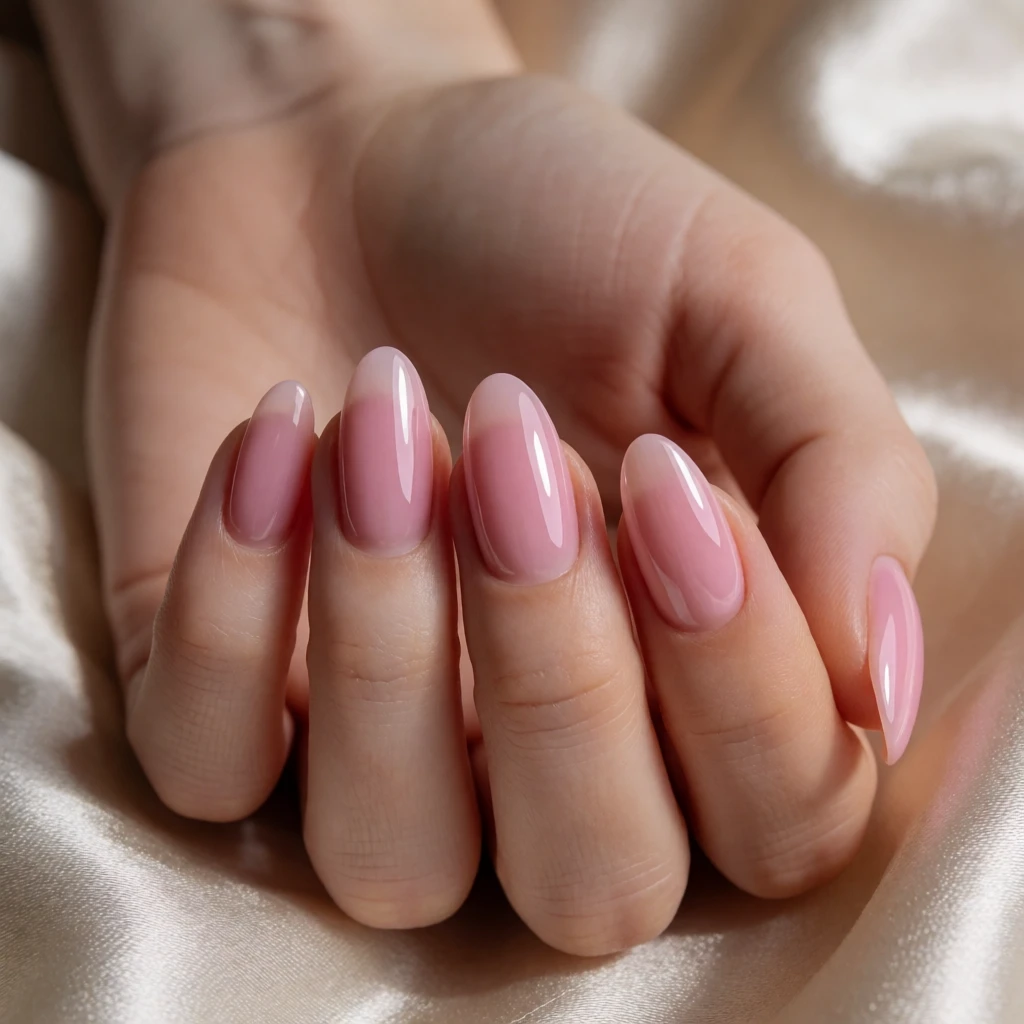 Pink Jelly Chrome
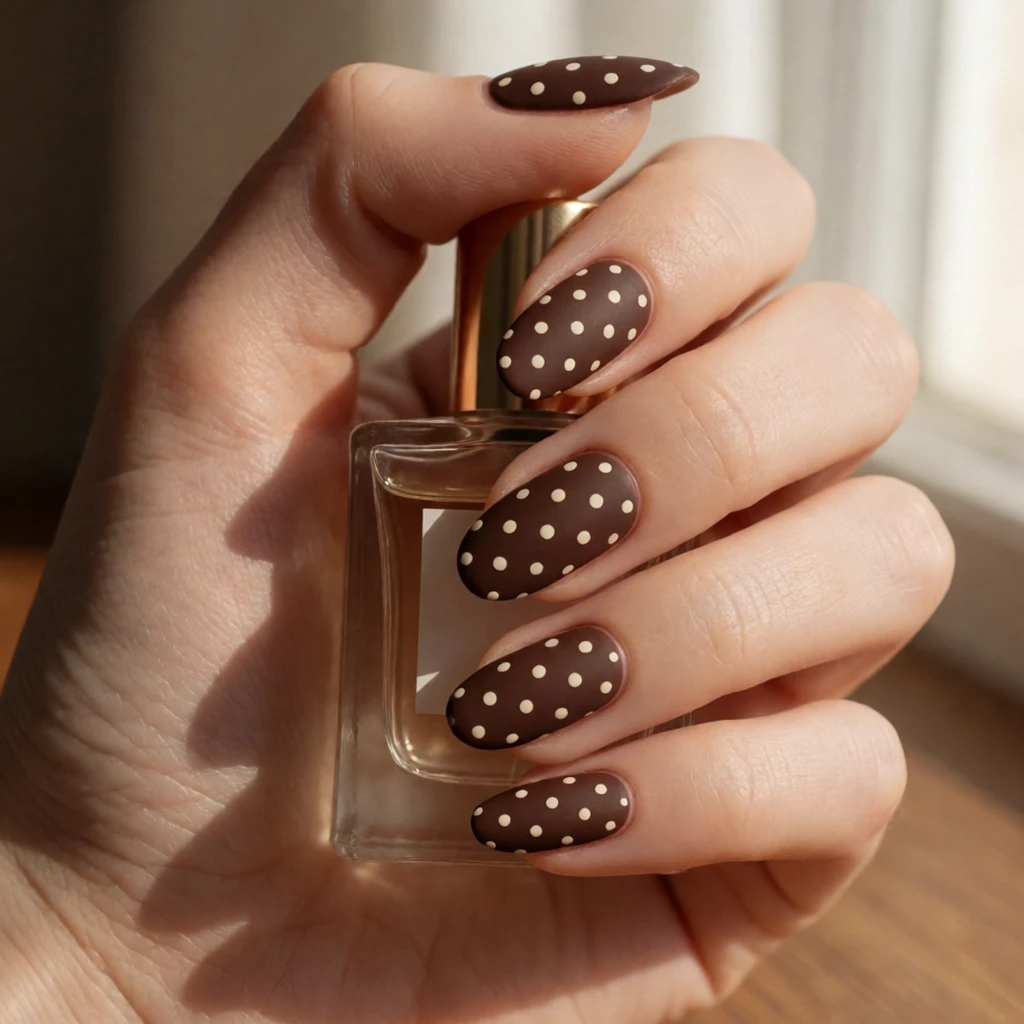 Mocha Velvet Dots
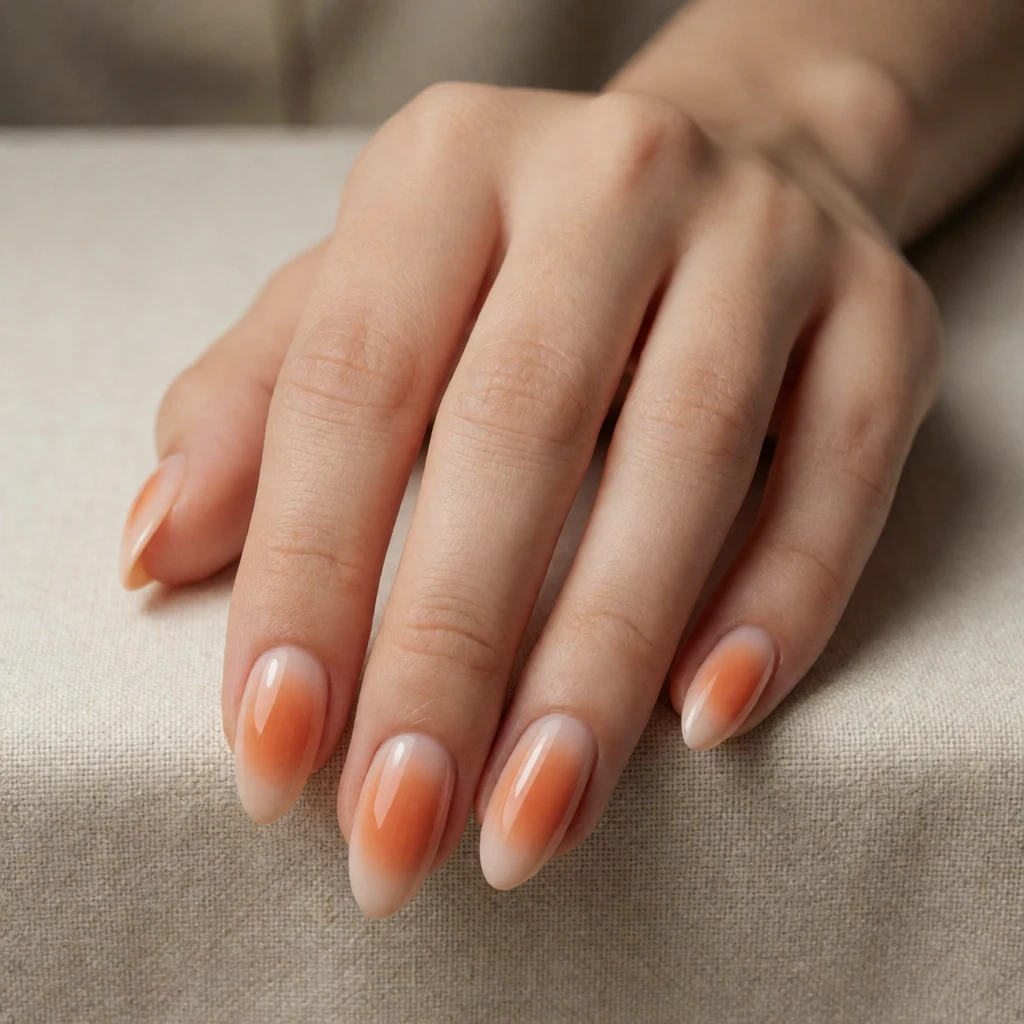 Peach Aura Almond
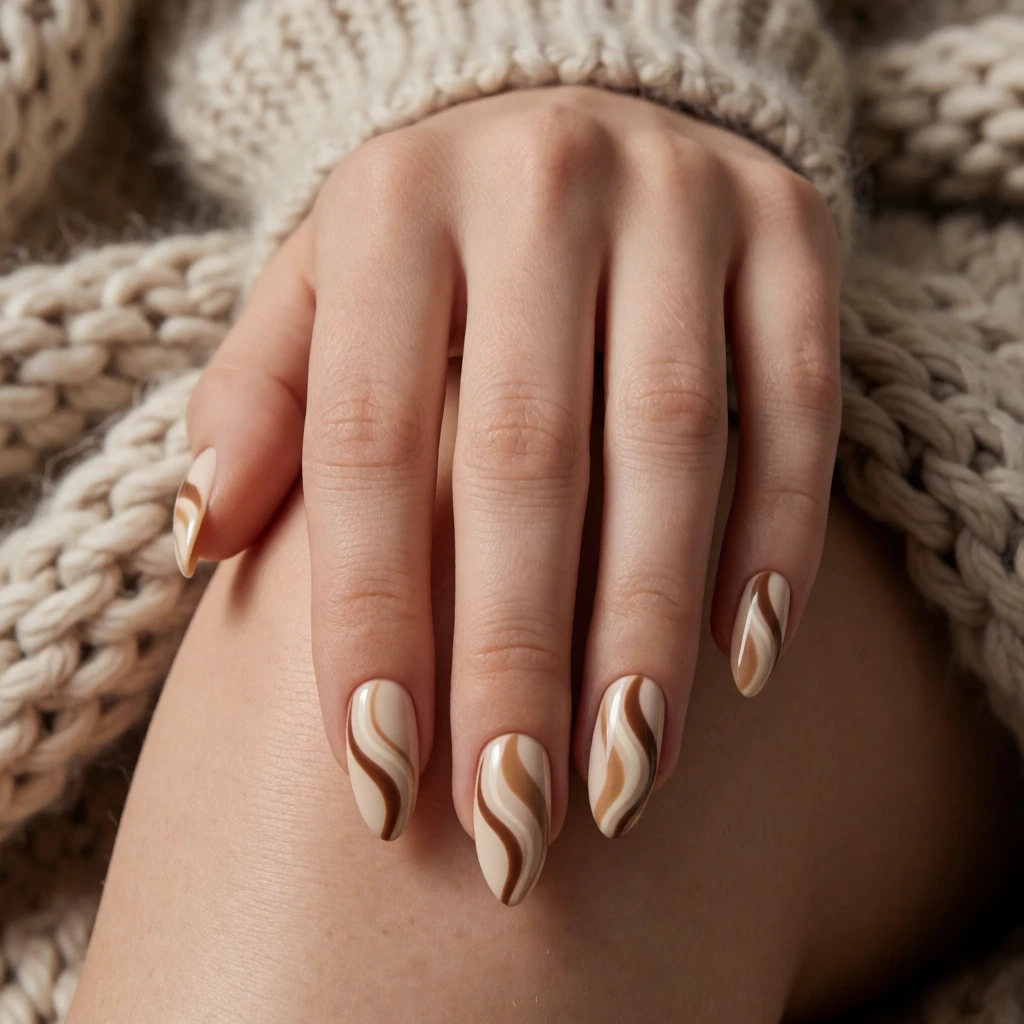 Iced Latte Swirls
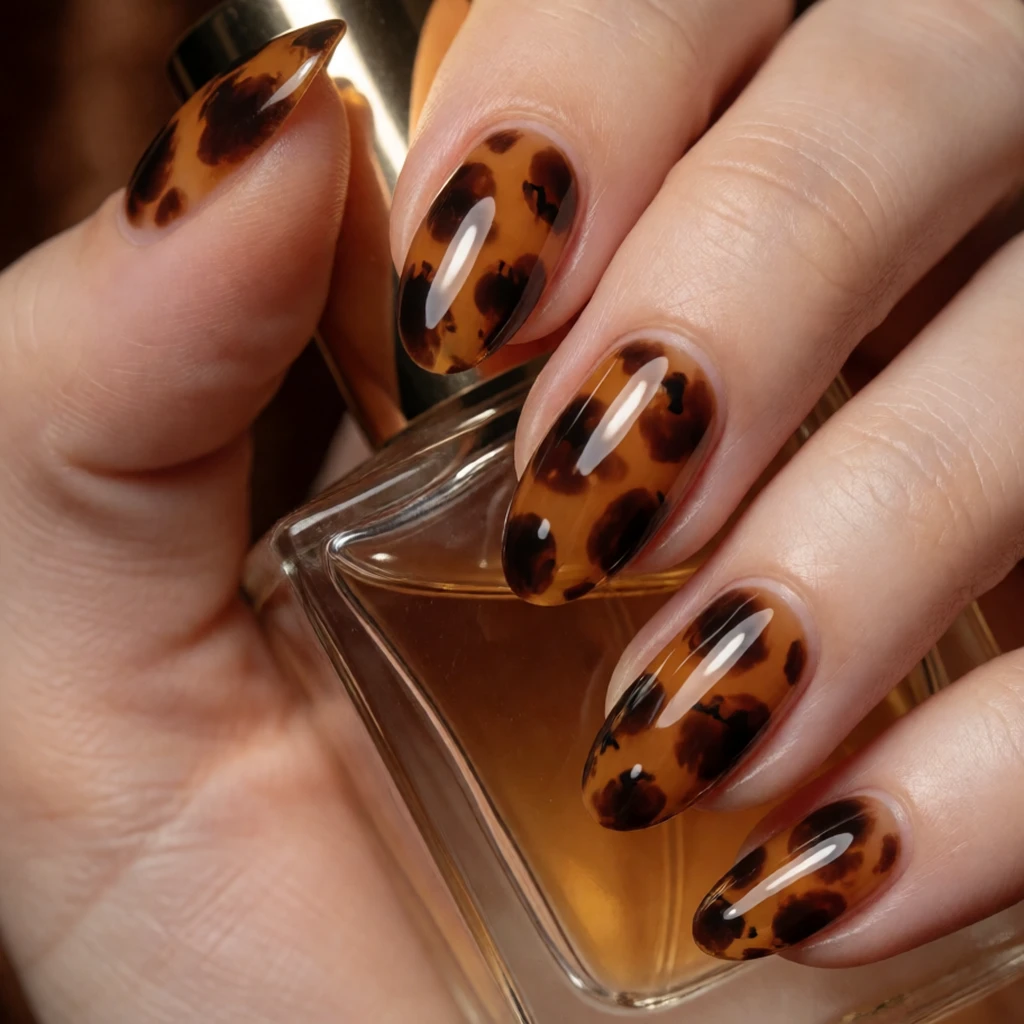 Tortoiseshell Jelly
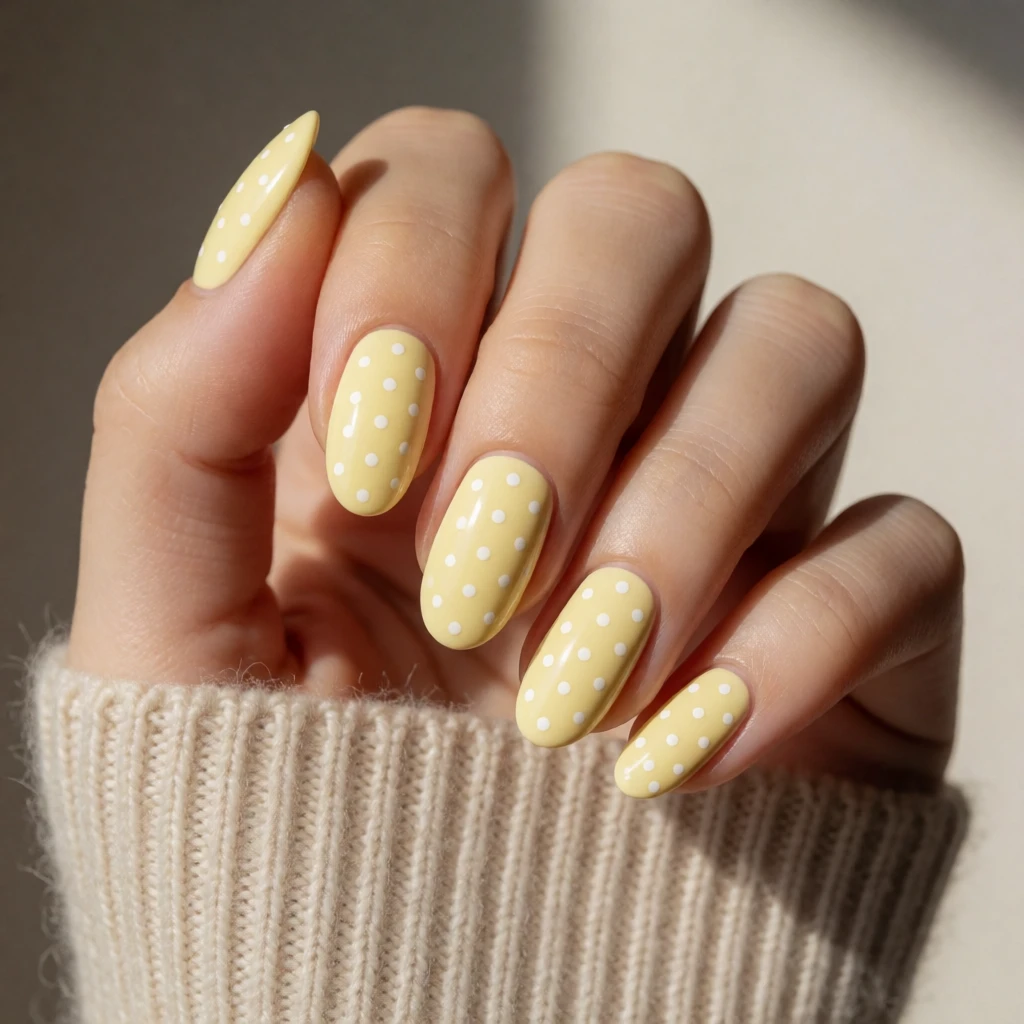 Butter Yellow Micro Dots
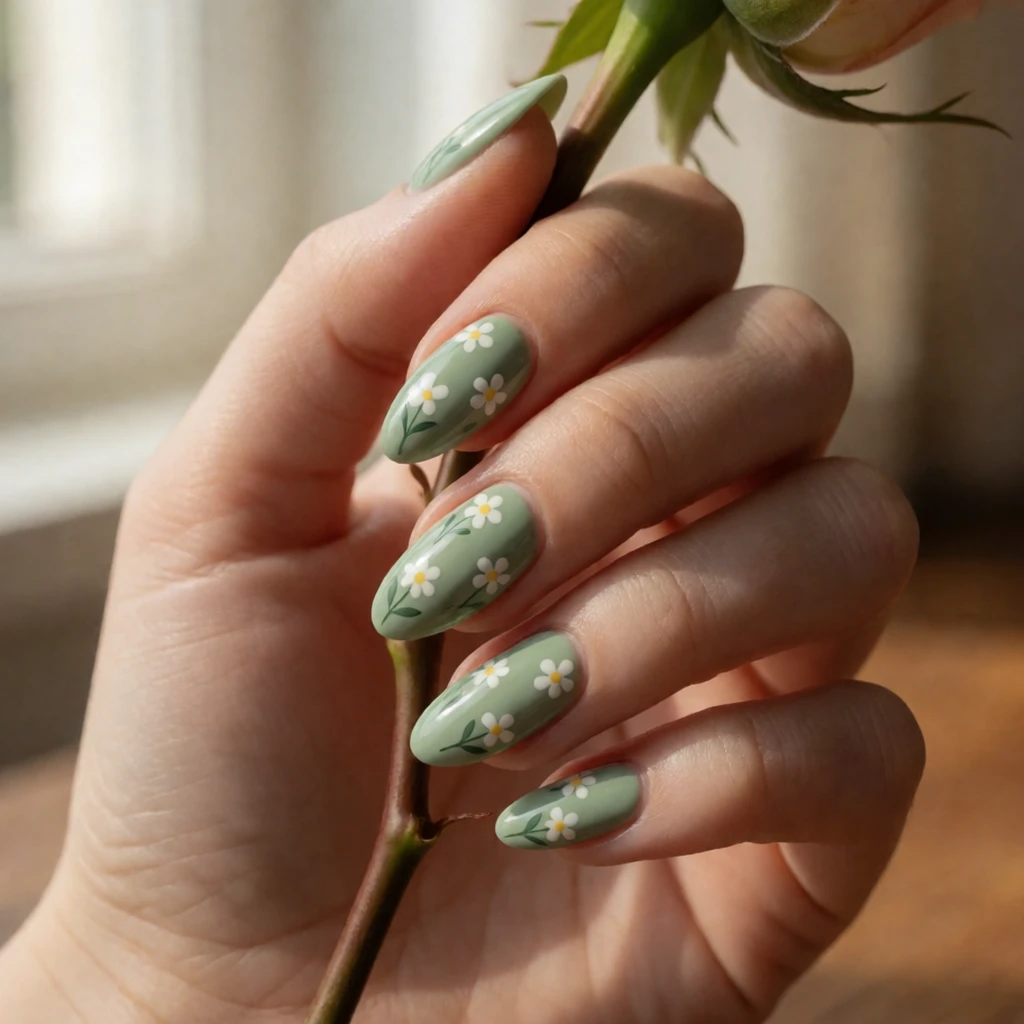 Sage Petal Almond
Keep exploring
Related guides
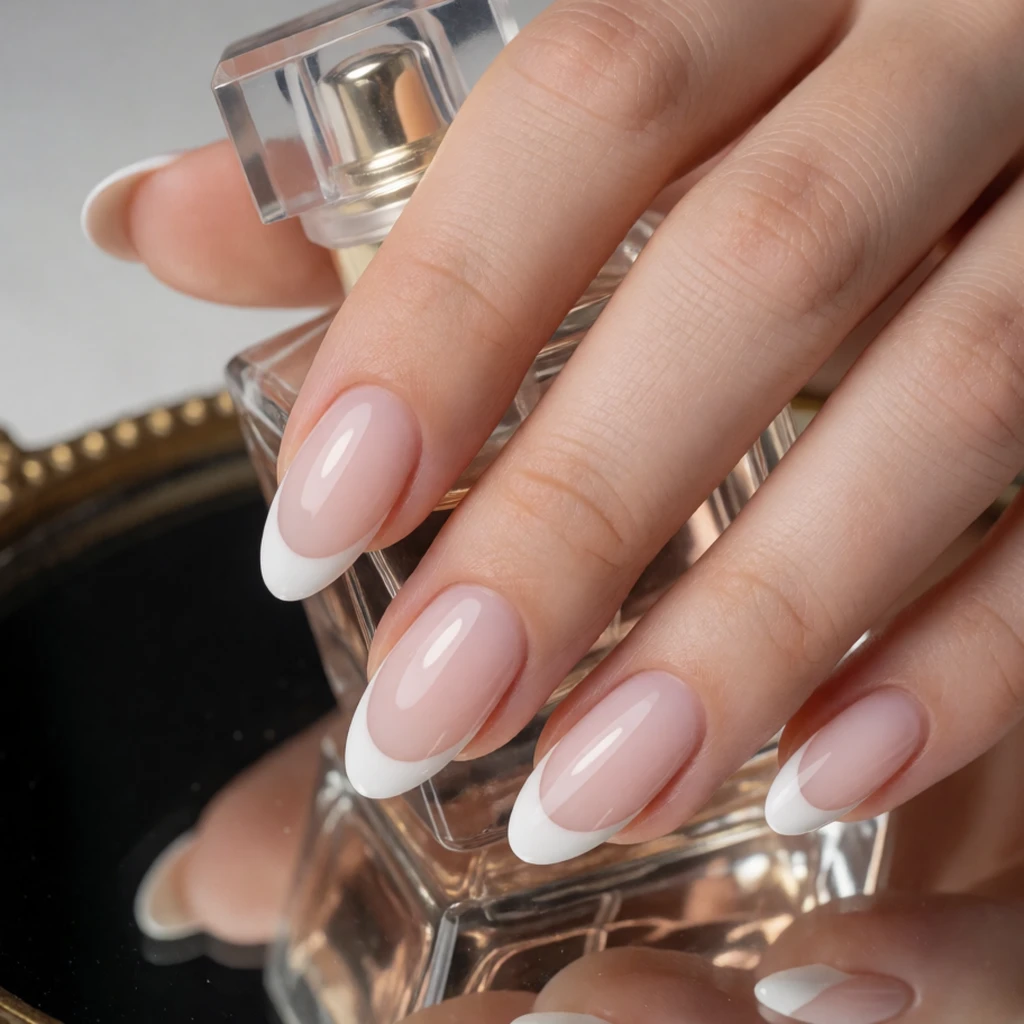 French tips
 require a visible free edge to place the tip line, while short round nails work with almost no free edge and focus design on the nail bed instead.
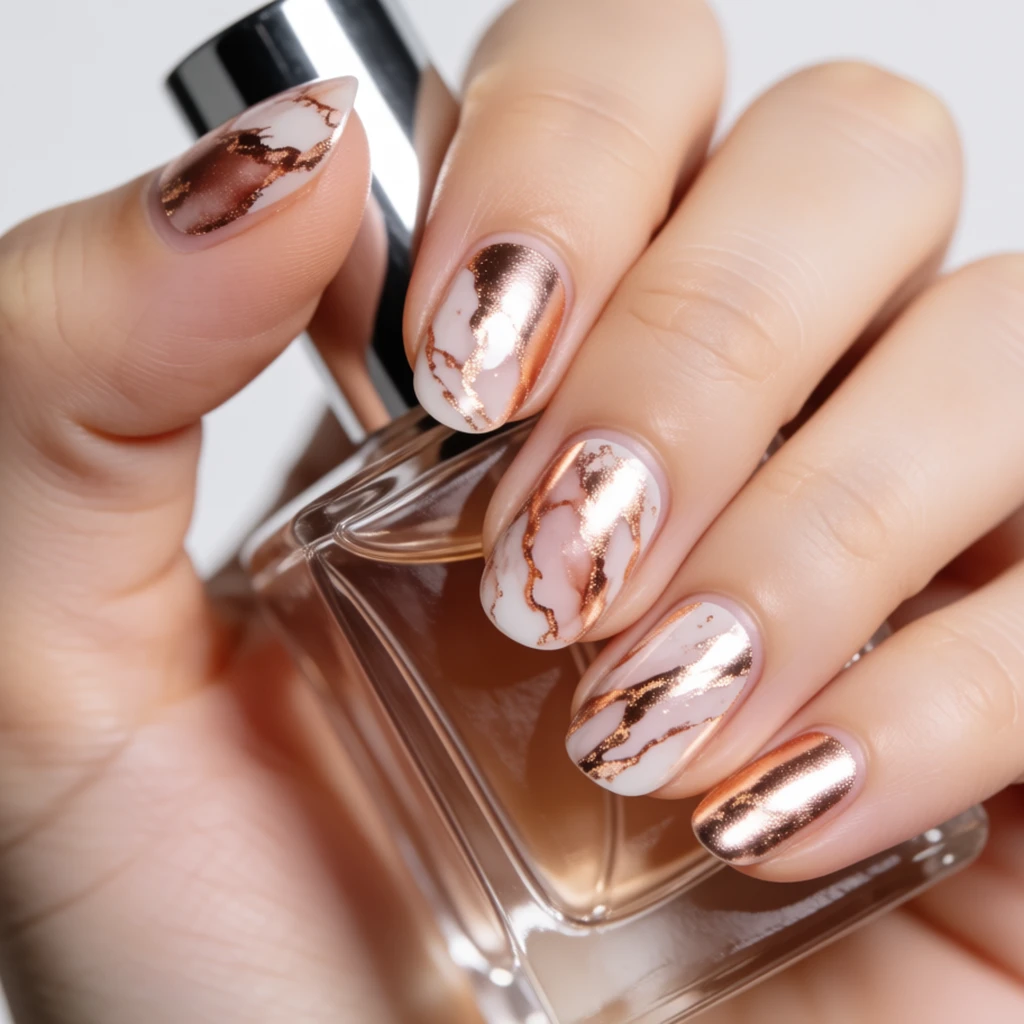 Art & themes
Nail art themes often scale to medium or long nails, whereas short round nail ideas prioritize small-scale elements specifically sized for a compact oval canvas.
Questions
Can I do nail art on really short round nails that barely pass my fingertip?
Yes. Stick to single dots, thin lines, or small foil pieces near the cuticle area rather than full-nail designs, and the scale will look intentional.
How do I stop my round nail shape from going oval as it grows?
File briefly every four to five days, focusing only on reshaping the corners back to a symmetrical curve rather than reducing the length significantly.
Does gel polish chip faster on very short nails?
It can if the free edge is not capped during each gel coat. Drag the brush lightly across the tip with every layer, including the topcoat, to seal that edge.
What base coat works under dark colors on short round nails?
Use any ridge-filling base coat to smooth the plate first. A smoother base keeps dark pigments from emphasizing ridges that become more visible under deep shades.
Generated references, not tested products. How shopping links work.