Nail ideas / French tips
French tip nails: classic lines, colour and modern twists
French tips are defined by a visible line between a bare or tinted base and a coloured free edge. This guide explains what makes that line work, how to adapt it to any dress code, and which modern variations are worth trying.
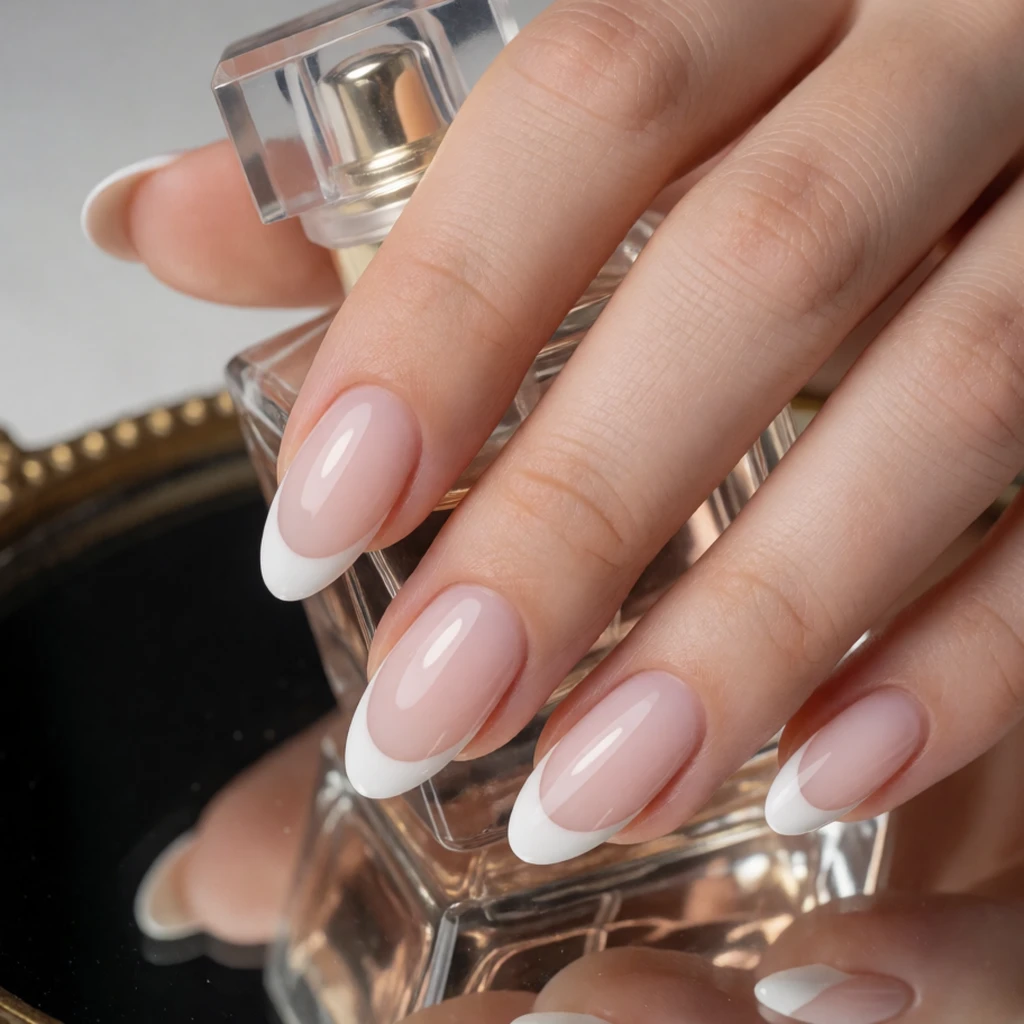
Three rules
Start here.
- Keep the tip line consistent in thickness across all nails — uneven lines pull attention away from the design itself.
- Match the tip colour's depth to the dress code: white and nude tips for formal settings, espresso or burgundy tips for evening.
- Use a guide strip or tape for angled or double-line variations if freehand application gives you an uneven edge.
A styling reference, not a product photo.
What defines it
The basics
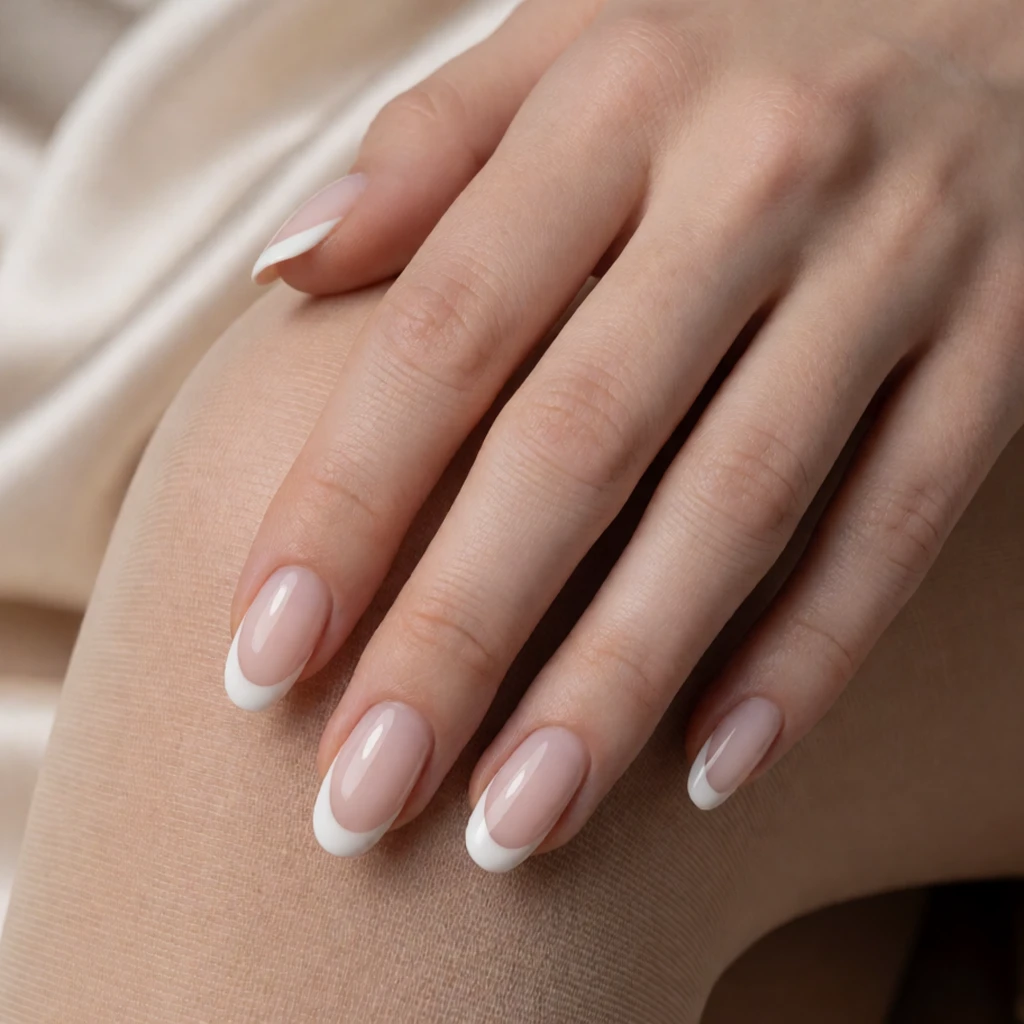
A French tip nail has two distinct zones: a base (nude, sheer, or tinted) and a painted free edge that creates a deliberate contrast line. The classic version uses a curved white edge on a pale pink or nude base, but the French structure — that edge-to-base transition — is what identifies the style, regardless of colour. The shape of the nail underneath can be round, squoval, or oval; the tip treatment is what marks it as French.
What makes a look read clearly as French is a clean, even line where the tip colour begins. Thickness matters: a very thin line like a double white stripe or silver edge reads as modern and precise. A fuller curved tip in vanilla cream or rose-pink reads more classically. Variations like angled white tips, side-sweep pink tips, and alternating black-and-white tips all stay within the French category because they preserve the base-to-edge logic, even when the geometry shifts.
French tips differ from an all-over solid colour because the bare or nude zone is always visible — the contrast is the point. They also differ from full nail art like florals or abstract designs, which cover the entire nail surface. If an accent sits only at the tip line rather than across the nail body, it's reading as French; if it spreads across the base, it moves into a different category.
Repeatable combinations
Formulas to try
- Classic white curved tips + nude base
- The most versatile option in the group, this reads polished at job interviews, weddings, and everyday office settings. Vary the curve thickness — a thinner line reads contemporary, a wider arc reads more traditional.
- Espresso tips + vanilla cream base
- Espresso tips on a warm cream base suit autumn and winter events where a classic white French would feel too stark. The darker edge also shows less tip wear than white, making this a practical choice for a busy week.
- Burgundy squoval tips + bare base
- A squoval shape keeps corners flat while the burgundy edge gives a seasonal, dress-code-friendly look that moves from weekday to dinner without changing. Try cherry-red tips on the same squoval base for a warmer-toned version of this formula.
- Gold edges + oval shape
- Gold or silver edge tips on an oval nail suit event dressing — parties, celebrations, and formal evenings — where a small amount of metallic draws attention without overwhelming. Silver edges work the same way if your outfit already carries gold tones.
- Daisy accent French + white tips
- A classic white tip on most nails with a single daisy painted over the tip line on one or two nails keeps the French structure while adding art without repainting the whole hand. This suits casual smart days when plain tips feel too plain.
Your needs, your plans
Before you buy
- Fit and nail length
- French tips require enough free edge for the tip colour to be visible — even two to three millimetres is enough for a thin line style. On very short nails, a micro line or single edge detail works better than a wide arc.
- Application method
- White and light-coloured tips can be applied with regular polish, gel, or press-ons; follow the specific product's directions for curing or bonding. Gel tips tend to hold the line crisper for longer, while regular polish allows easier at-home removal and repainting.
- Occasion and dress code
- Olive-green, navy, and powder-blue tips read as casual-to-smart and work for most social settings; alternating black-and-white tips and angled styles feel more statement-oriented and suit creative or social occasions better than formal ones.
- Budget and re-wearing
- A guide strip makes clean tip lines repeatable at home without professional equipment, which stretches how long you can go between salon visits. Buying one nude base and two or three tip colours — white, one dark, one metallic — gives you most combinations in this group.
From what you own
Build it and repeat it
If you have a nude or sheer pink already, you have the base for nearly every look in this group. The only addition you need to start is a white or off-white polish for the tip. Practice the curved line on your non-dominant hand first — most people find a single confident stroke from corner to centre works better than multiple small strokes. Guide strips are inexpensive and widely available; use them for angled tips and double-line styles until freehand feels steady.
To expand across a week, keep one light tip colour, one deep tip colour (espresso, burgundy, or navy), and one metallic (gold or silver). Those three tip shades over the same nude base give you different looks suitable for work, an evening out, and a casual weekend. Press-on French sets are a good way to try a shape or tip width before committing to recreating it yourself — they follow standard press-on application and removal steps per product instructions.
Shop the pieces
16 french tips pieces
Links open similar items, not the pictured ones.
-
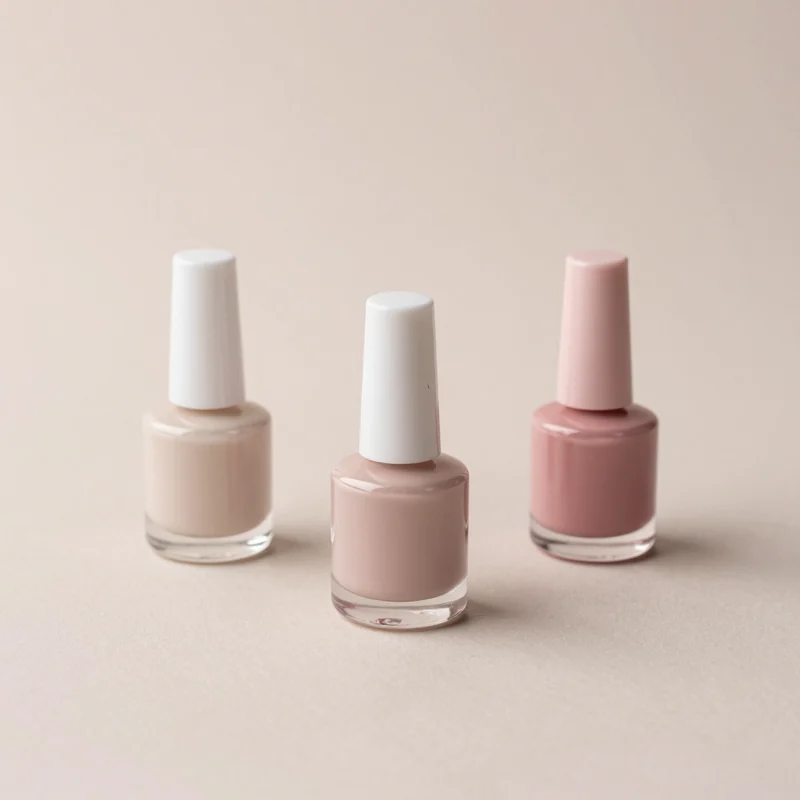
Nude pink nail polish set
What to check
A real product chosen to look like the picture. The picture is a styling reference, not this exact product.
-
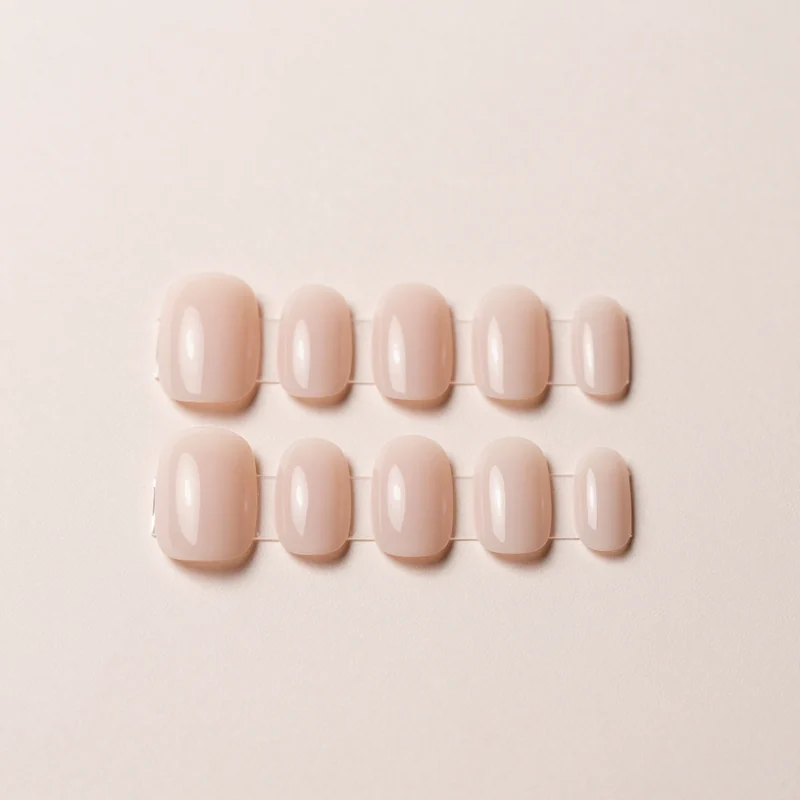
Short almond press-on nails
What to check
A real product chosen to look like the picture. The picture is a styling reference, not this exact product.
-
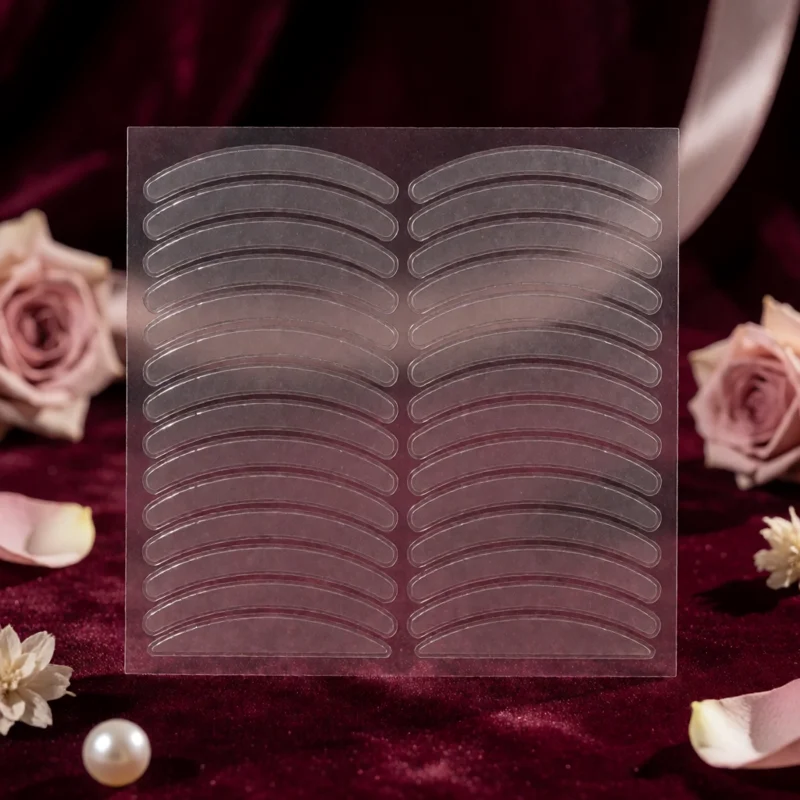
French tip guides
What to check
A real product chosen to look like the picture. The picture is a styling reference, not this exact product.
-
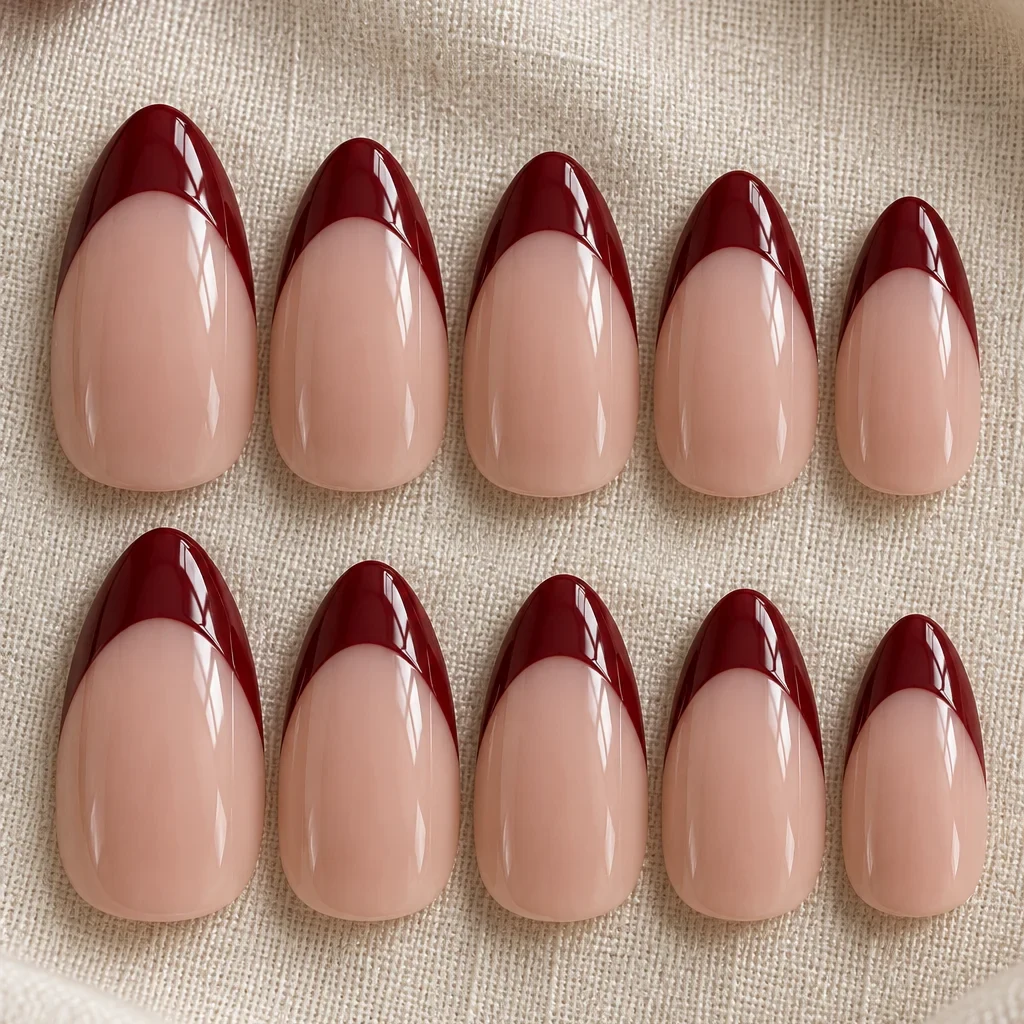
Dark Red French Tip Nails
What to check
A real product chosen to look like the picture. The picture is a styling reference, not this exact product.
-
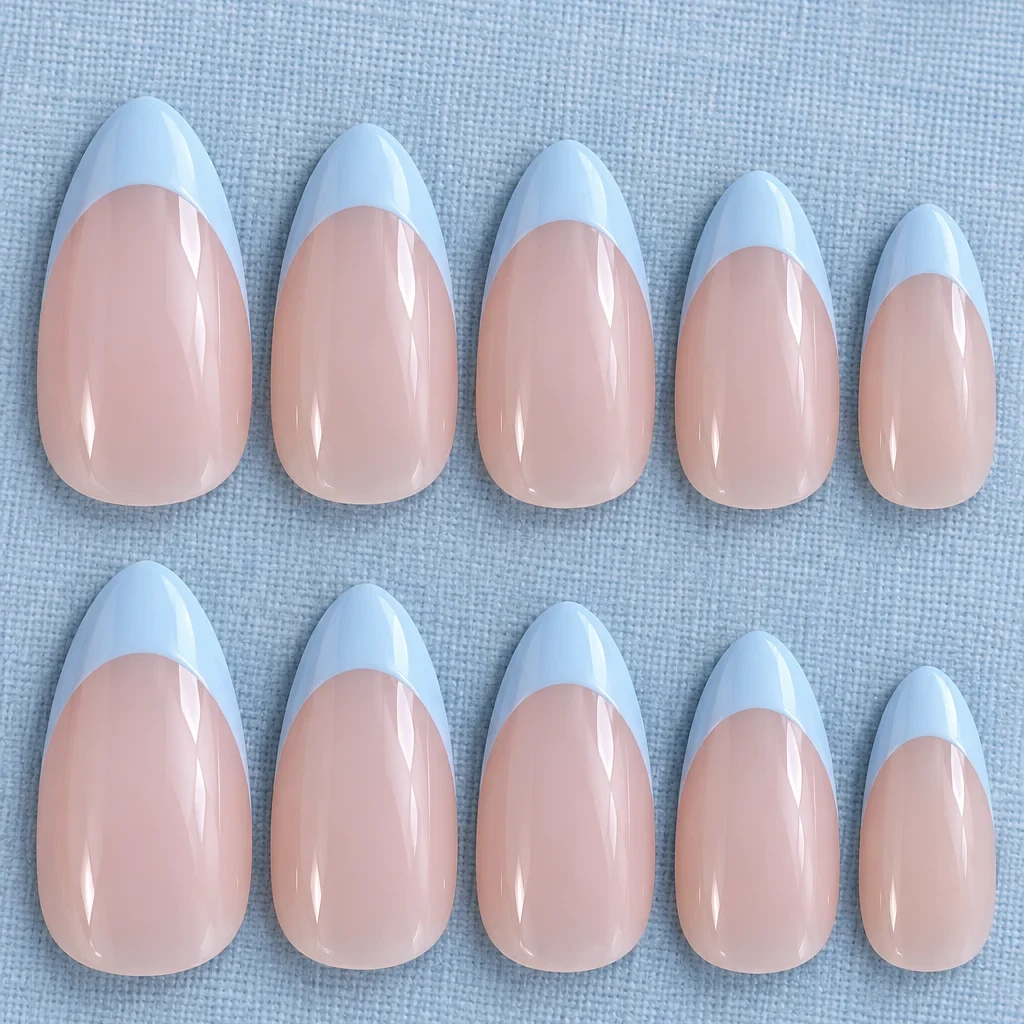
Light Blue French Tip Nails
What to check
A real product chosen to look like the picture. The picture is a styling reference, not this exact product.
-
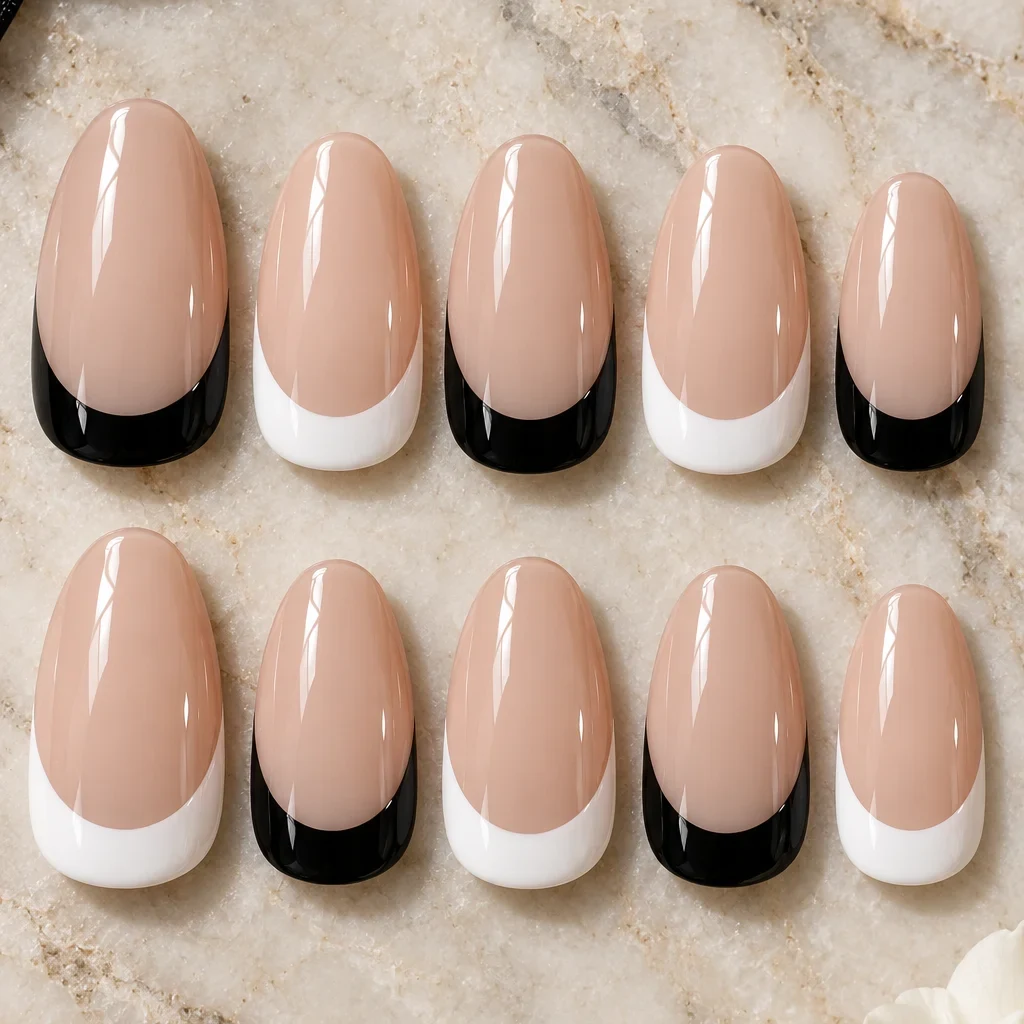
Alternating black and white tips
What to check
A real product chosen to look like the picture. The picture is a styling reference, not this exact product.
-
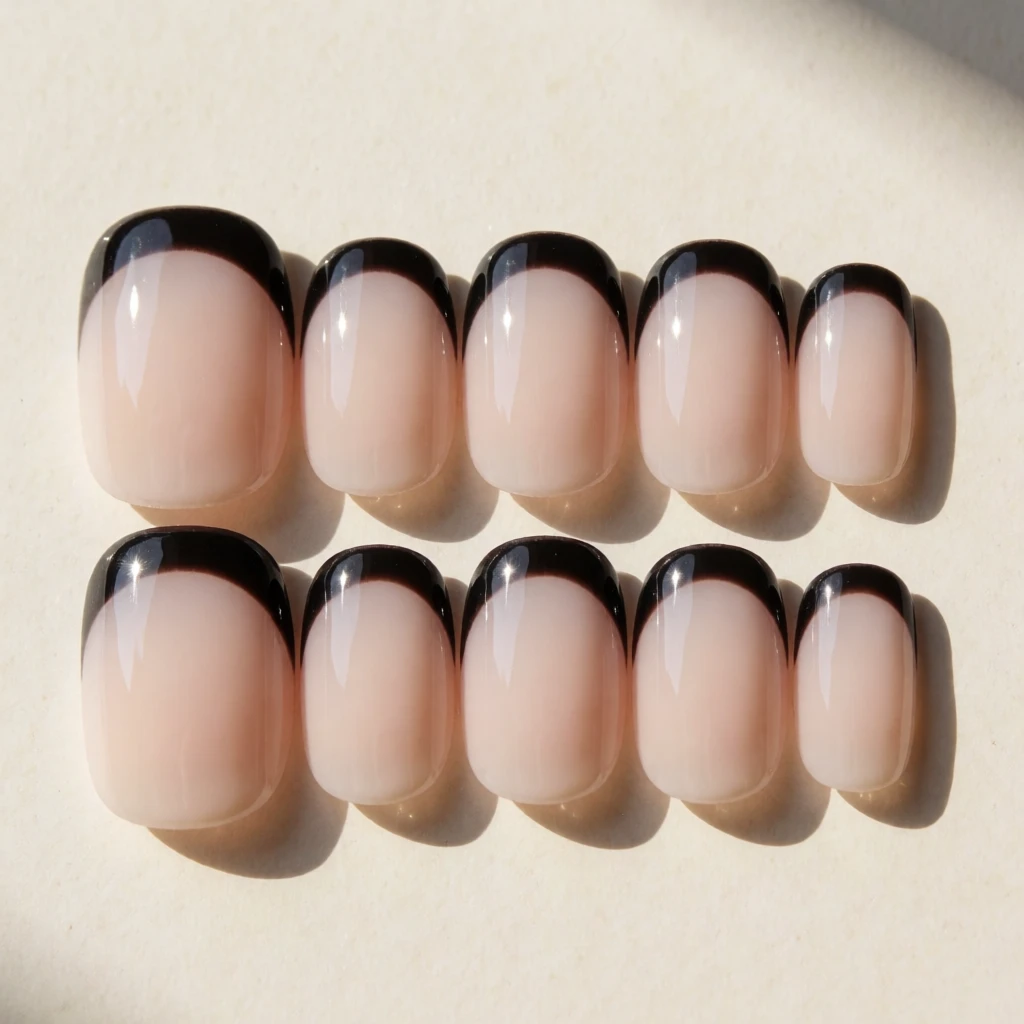
Black French Tip Nails
What to check
A real product chosen to look like the picture. The picture is a styling reference, not this exact product.
-
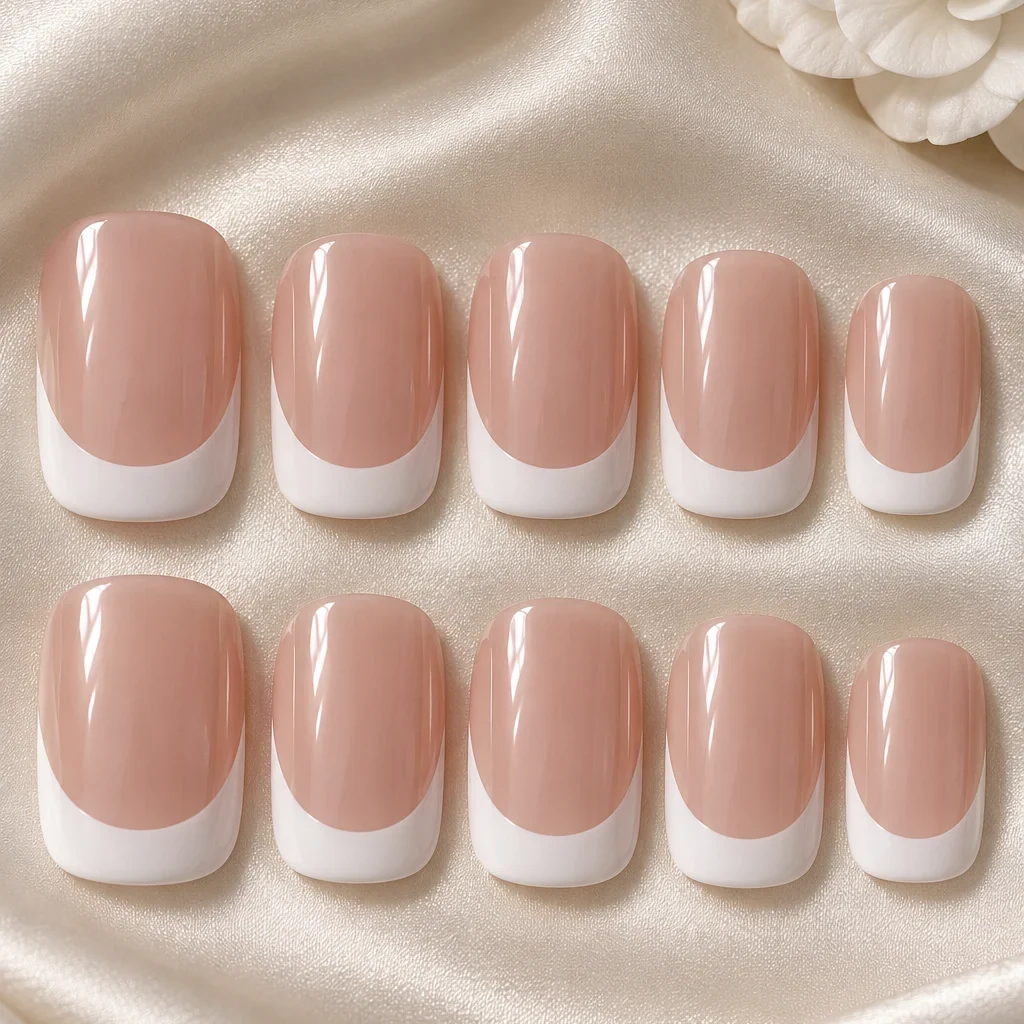
Classic white curved tips
What to check
A real product chosen to look like the picture. The picture is a styling reference, not this exact product.
Show all 16 pieces
-
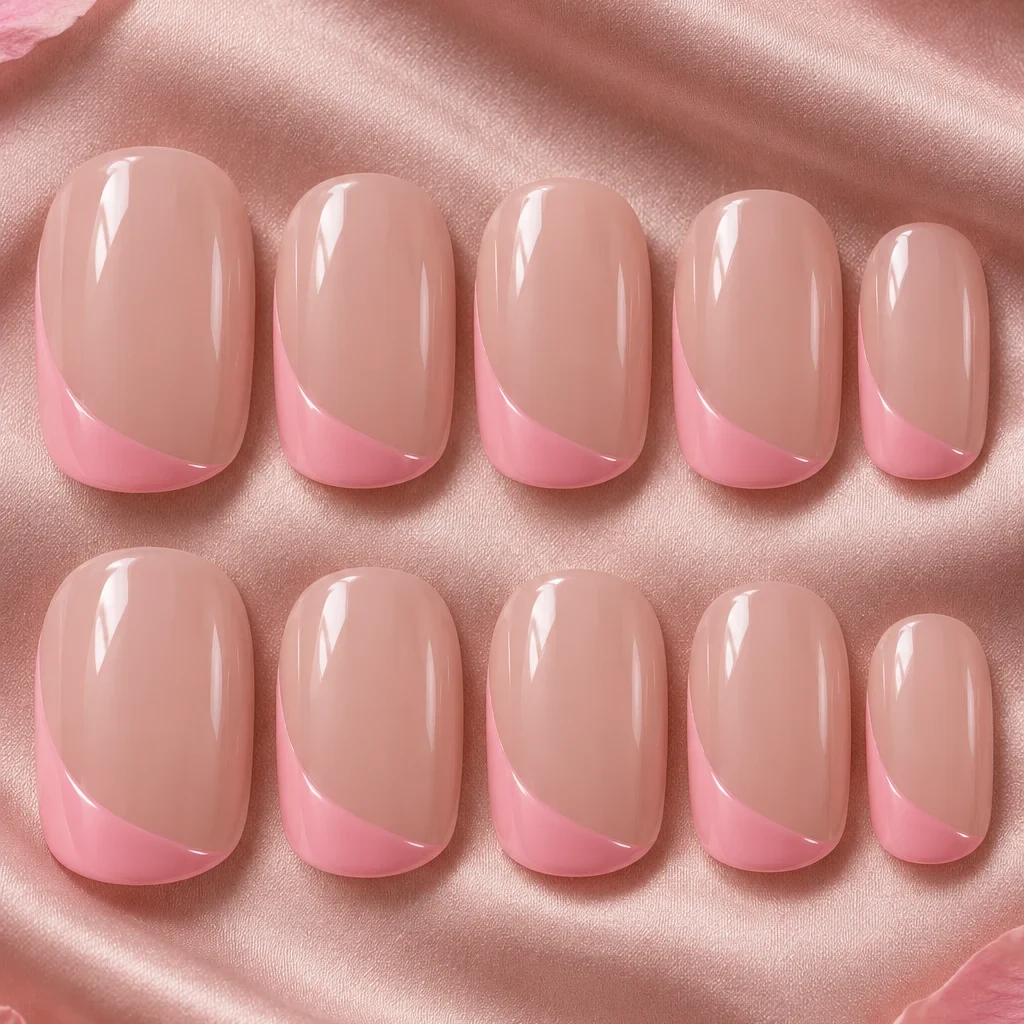
Side-sweep pink tips
What to check
A real product chosen to look like the picture. The picture is a styling reference, not this exact product.
-
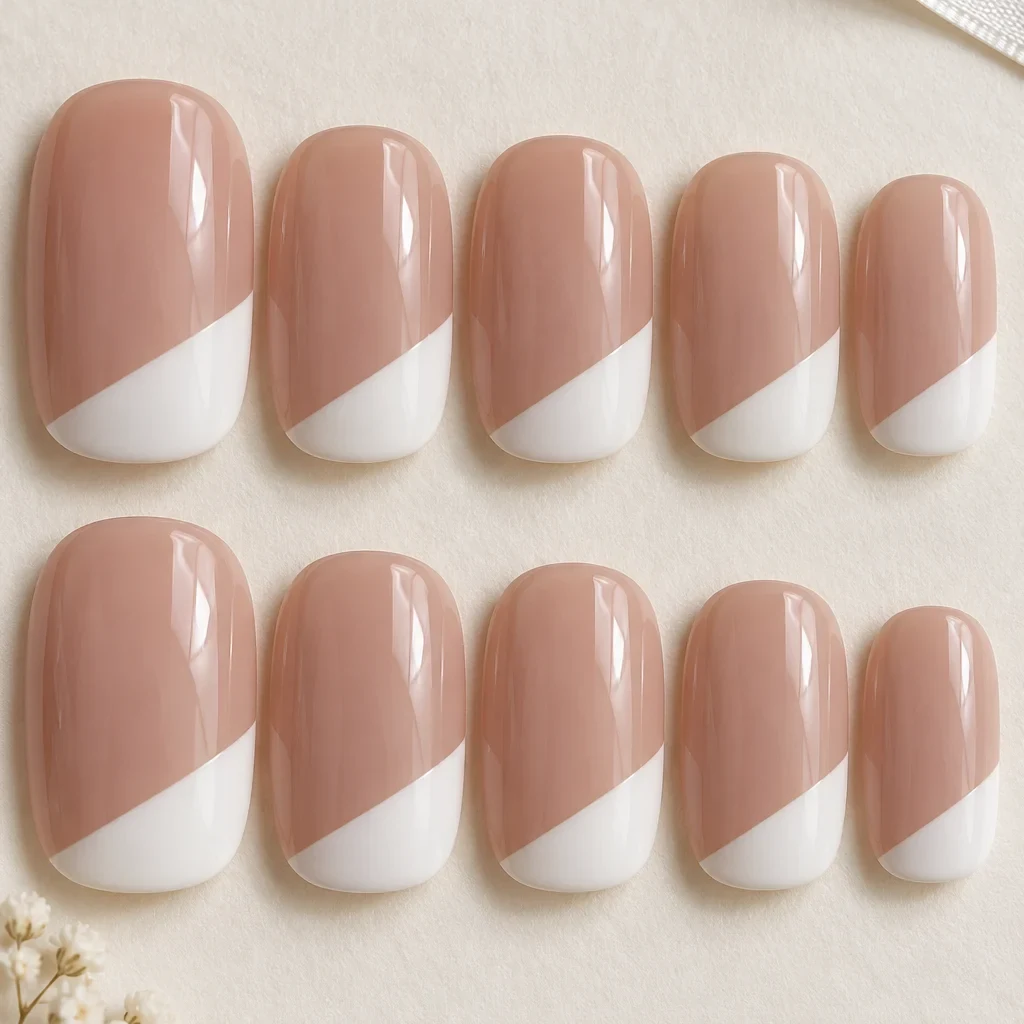
Angled white tips
What to check
A real product chosen to look like the picture. The picture is a styling reference, not this exact product.
-
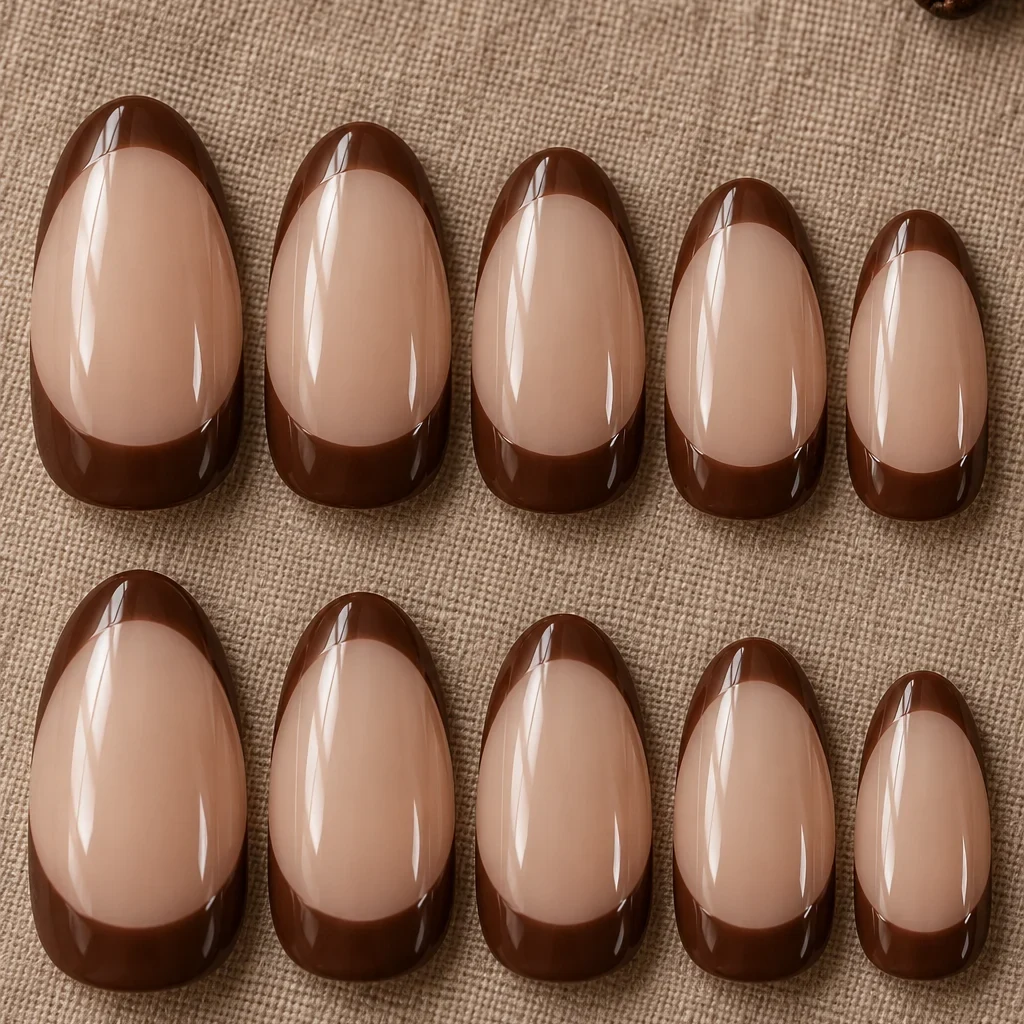
Brown French Tip Nails
What to check
A real product chosen to look like the picture. The picture is a styling reference, not this exact product.
-
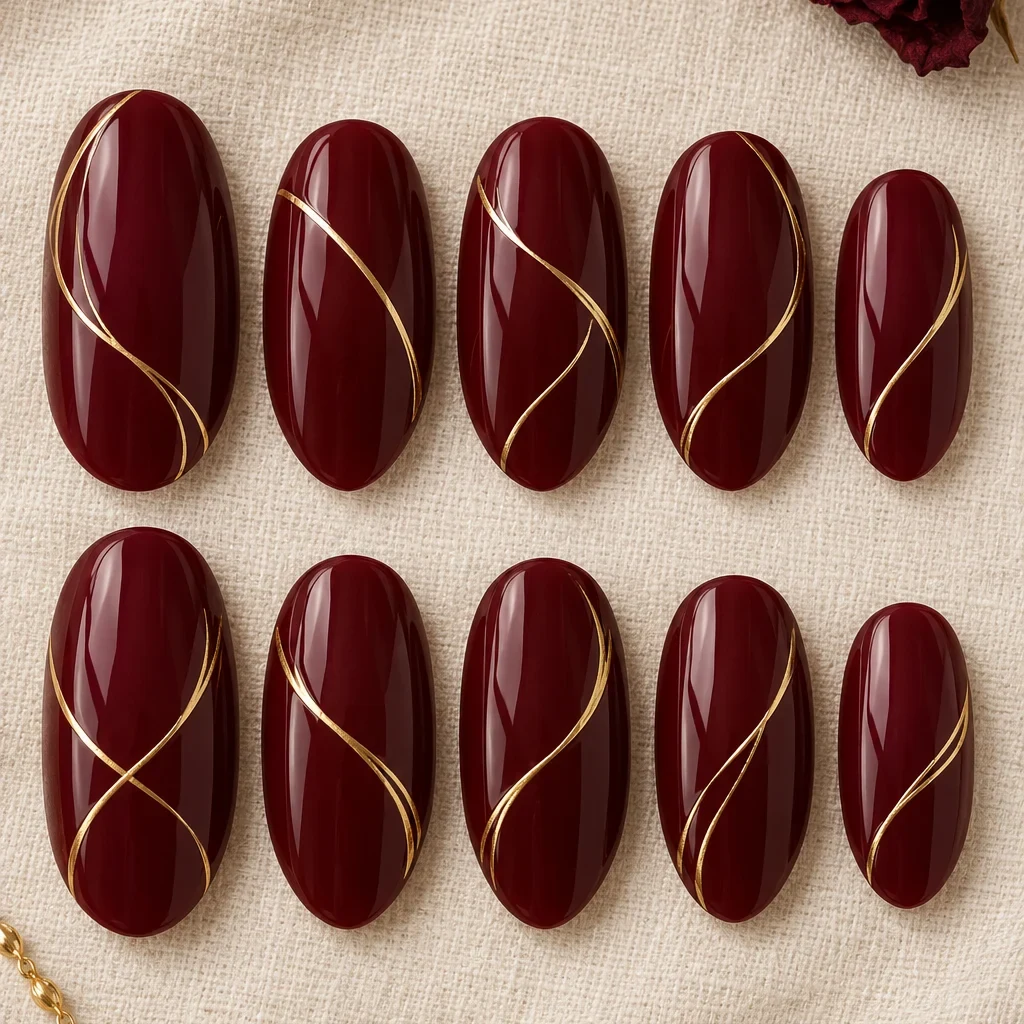
Burgundy Gold Line Nails
What to check
A real product chosen to look like the picture. The picture is a styling reference, not this exact product.
-
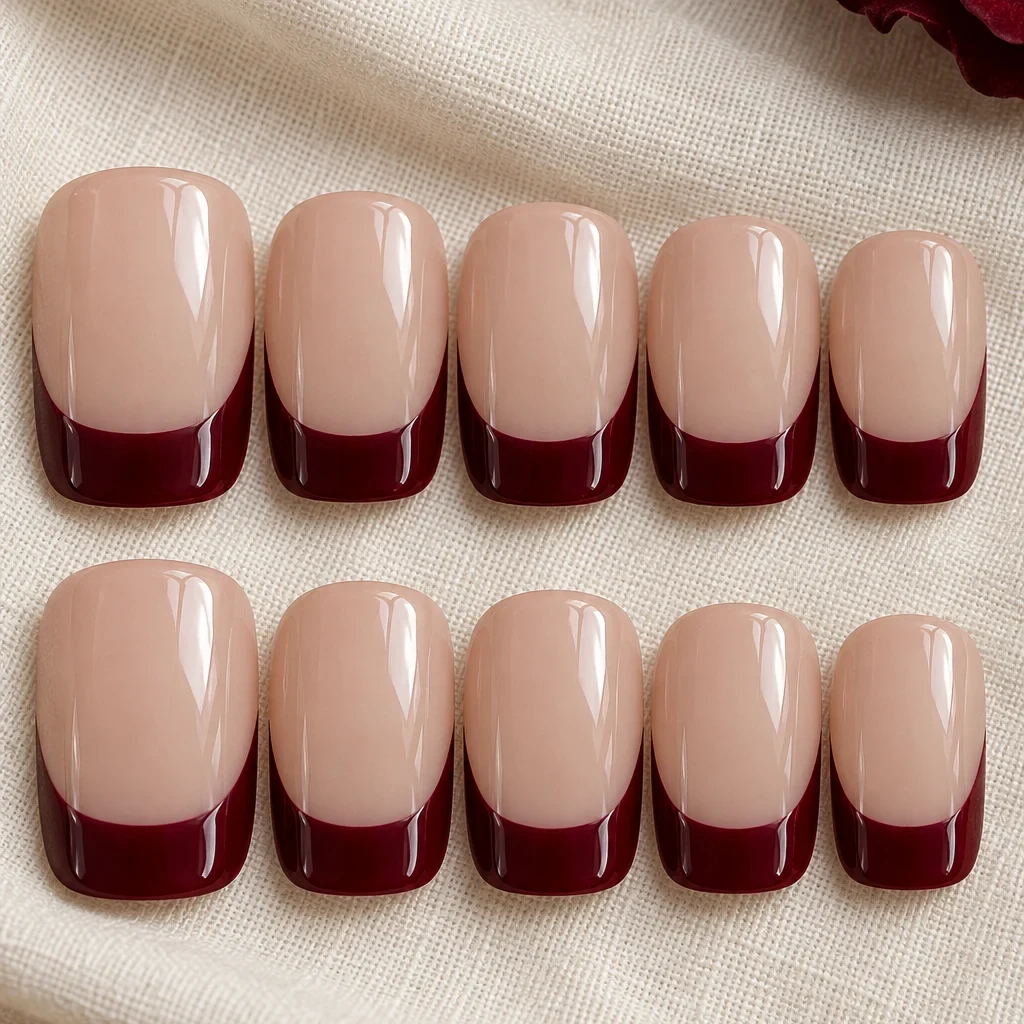
Burgundy squoval tips
What to check
A real product chosen to look like the picture. The picture is a styling reference, not this exact product.
-
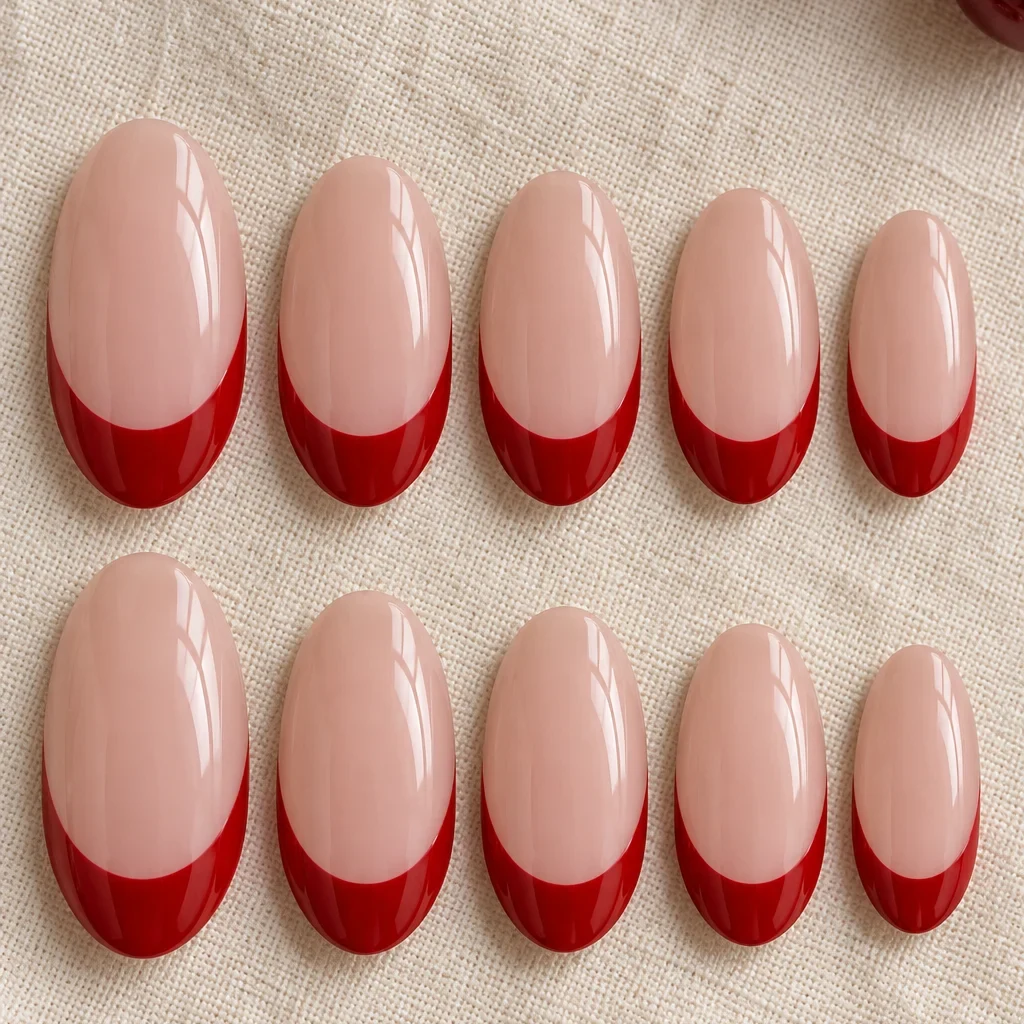
Cherry Red French
What to check
A real product chosen to look like the picture. The picture is a styling reference, not this exact product.
-
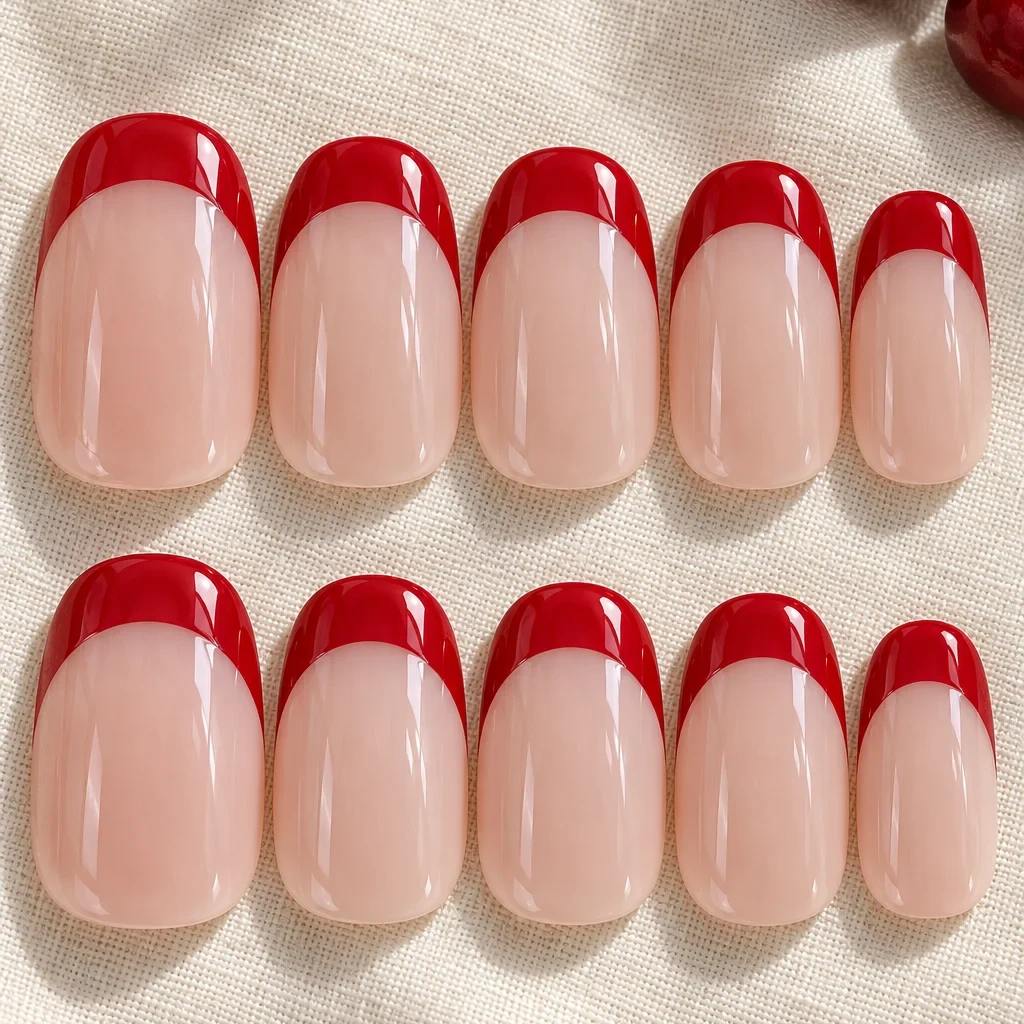
Cherry-red tips
What to check
A real product chosen to look like the picture. The picture is a styling reference, not this exact product.
-
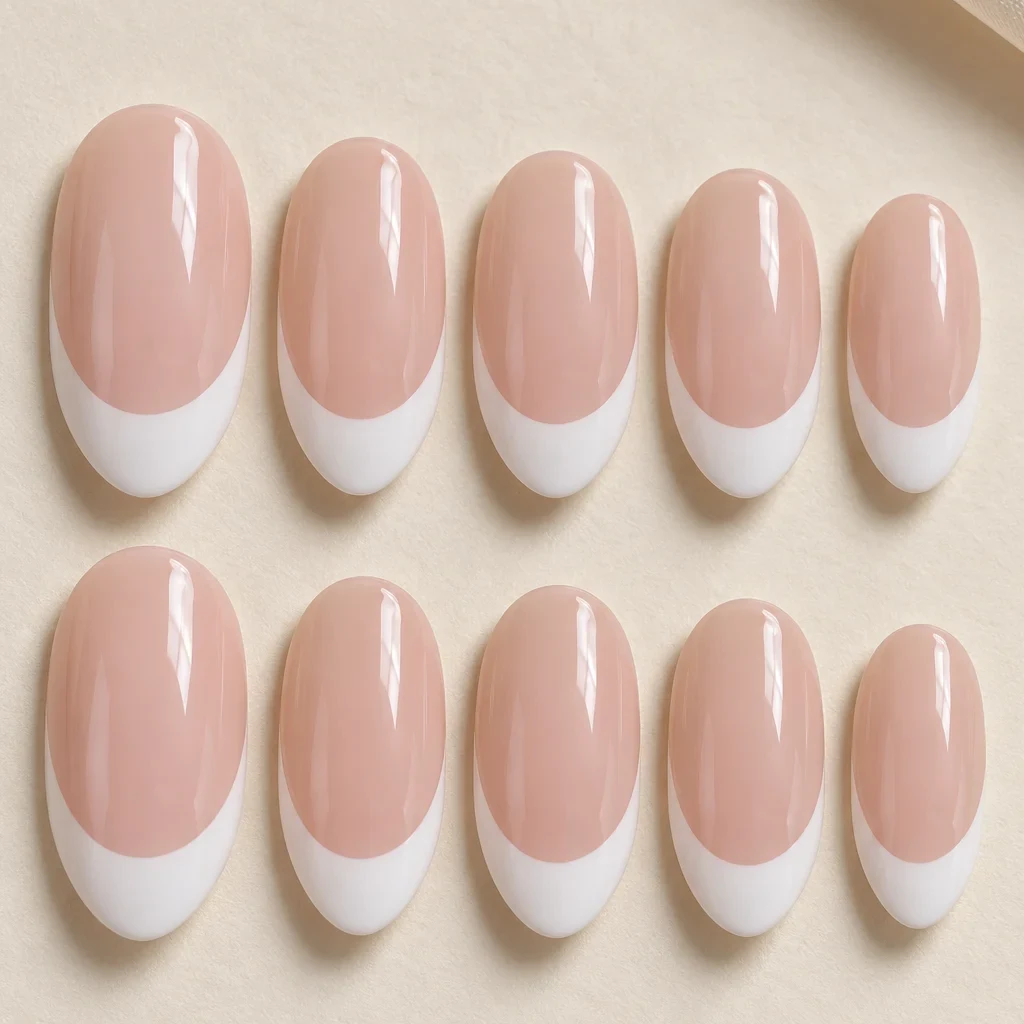
Classic Almond French
What to check
A real product chosen to look like the picture. The picture is a styling reference, not this exact product.
The gallery
34 french tips looks
Open a look to see its pieces.
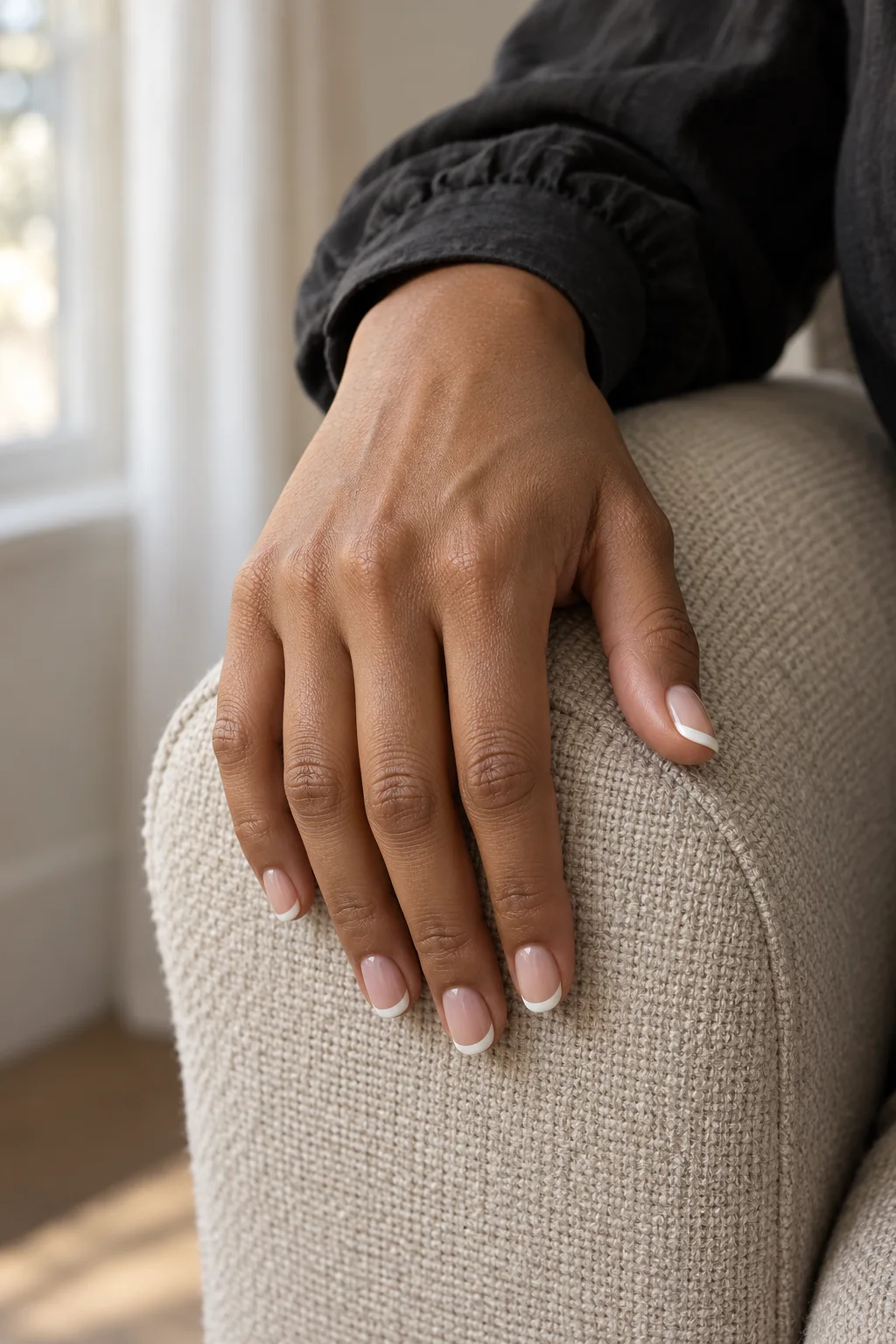 Classic white curved tips
 Vanilla cream round
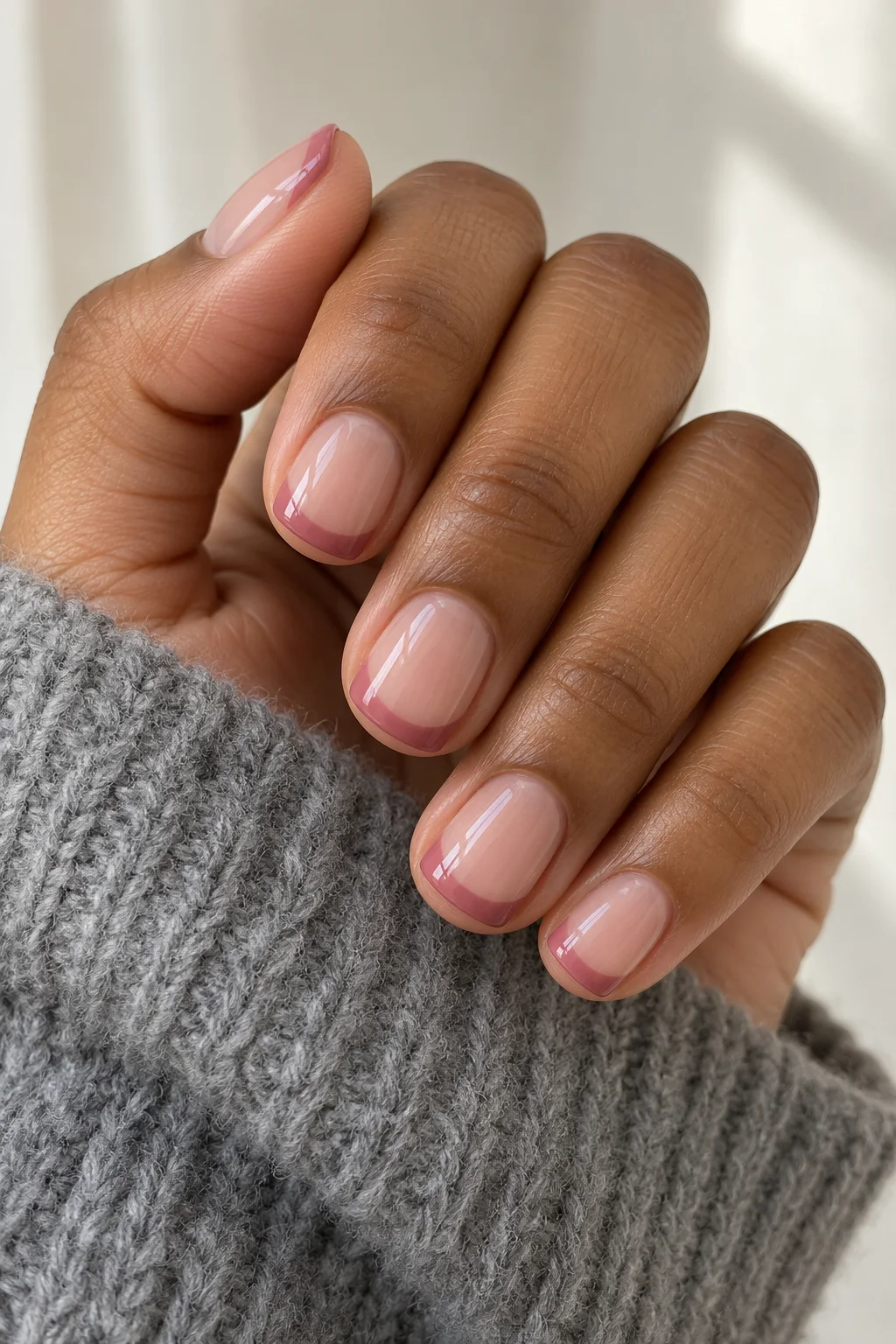 Rose-pink tips
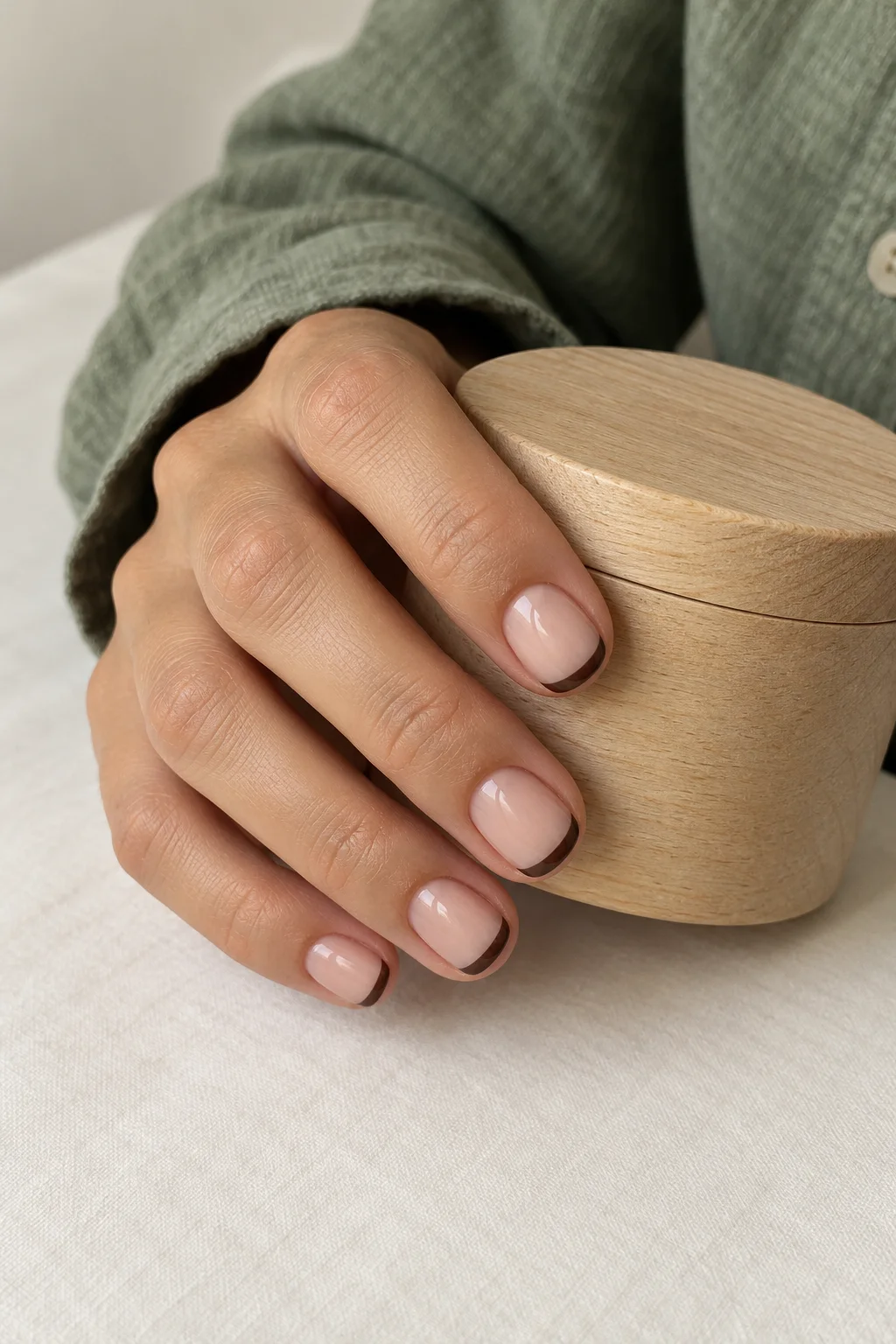 Espresso tips
 Cherry-red tips
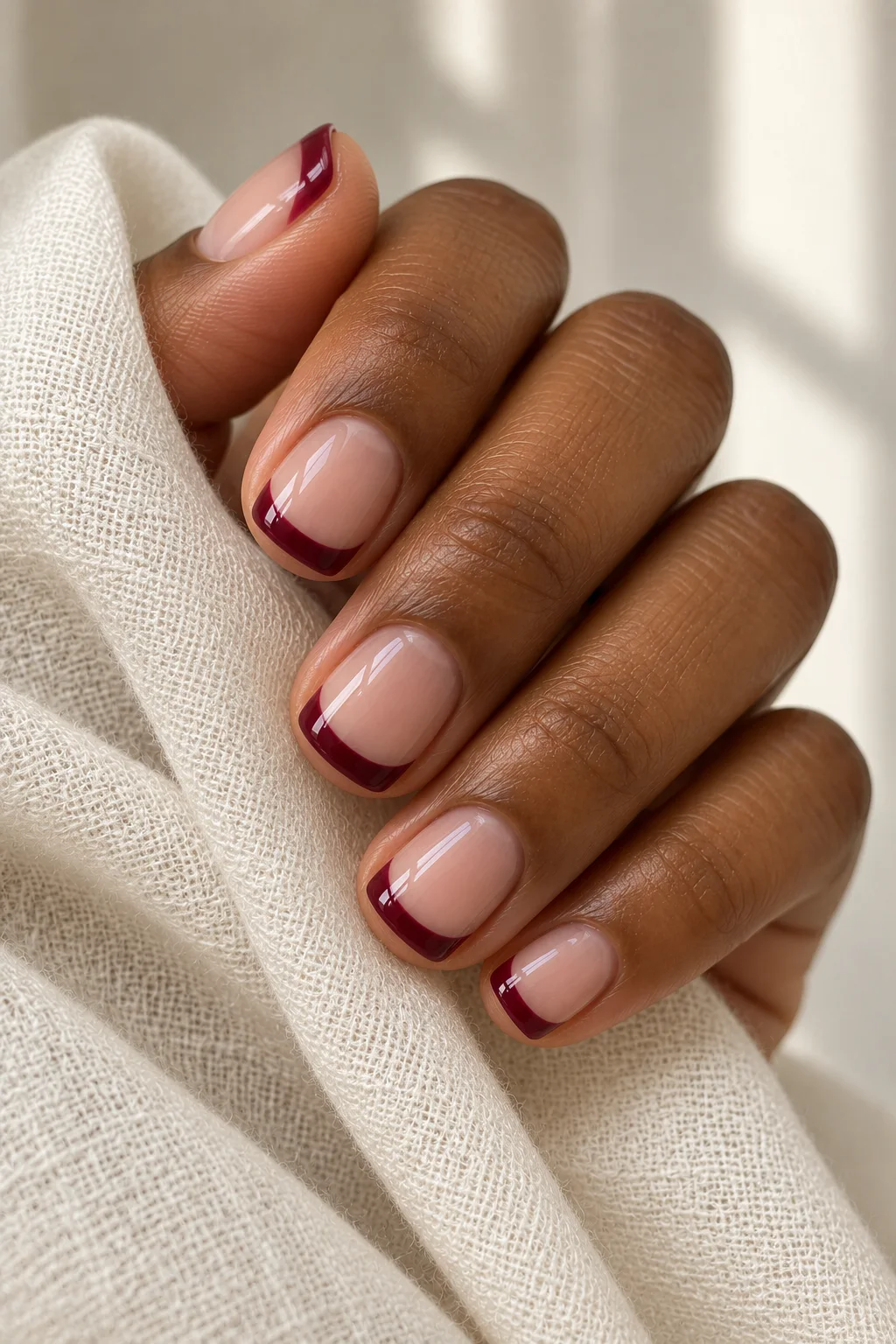 Burgundy squoval tips
 Navy oval tips
 Olive-green tips
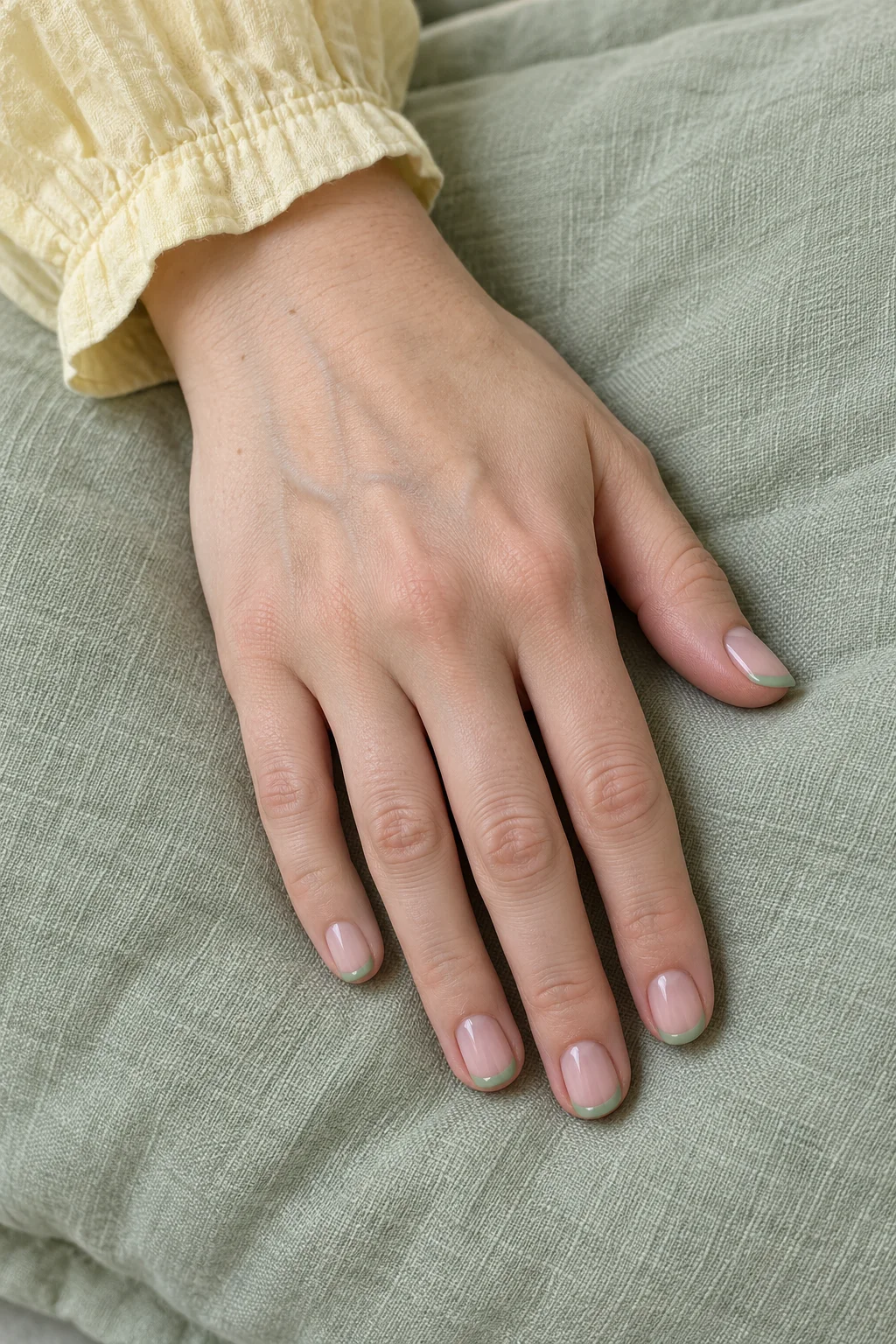 Sage-green tips
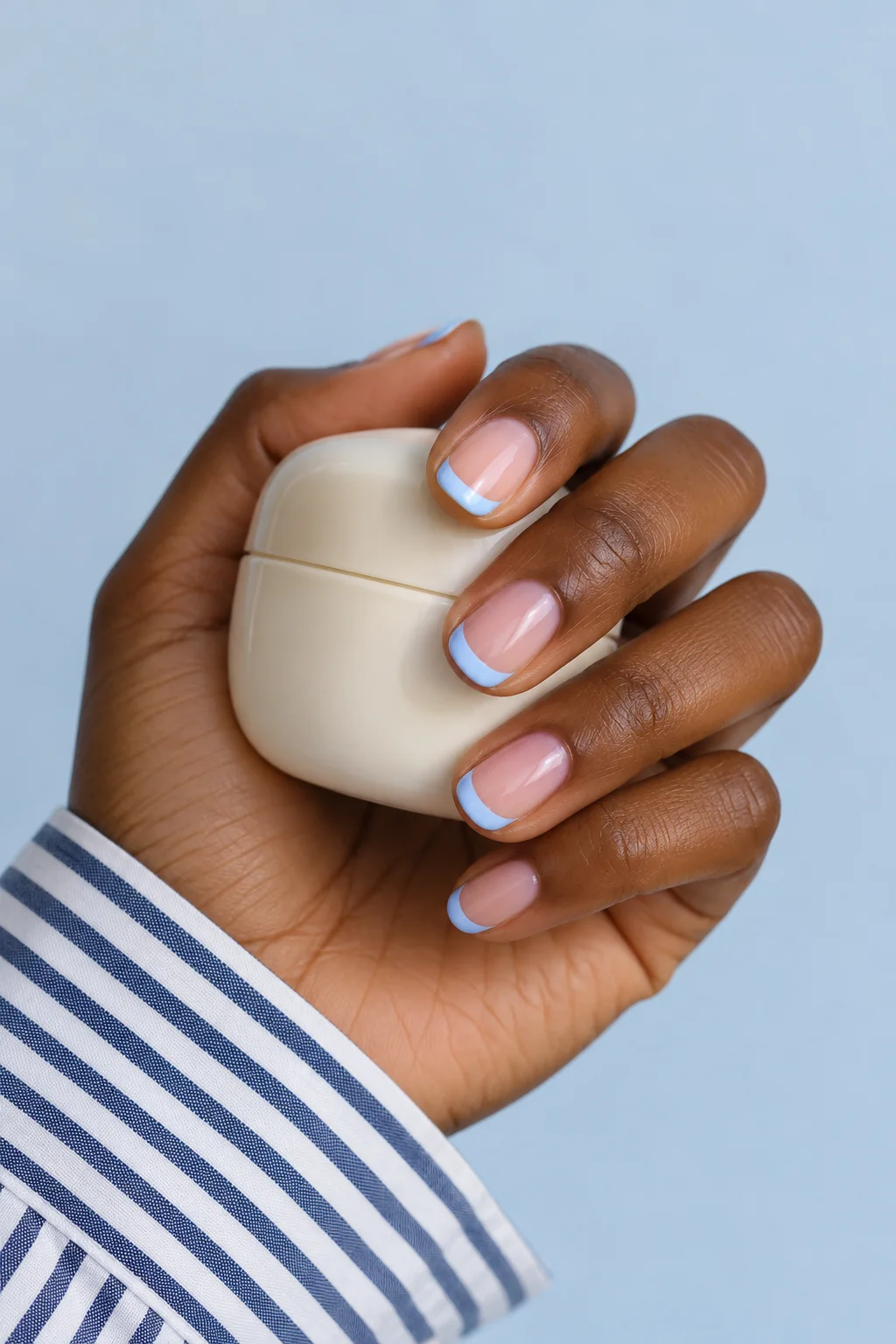 Powder-blue tips
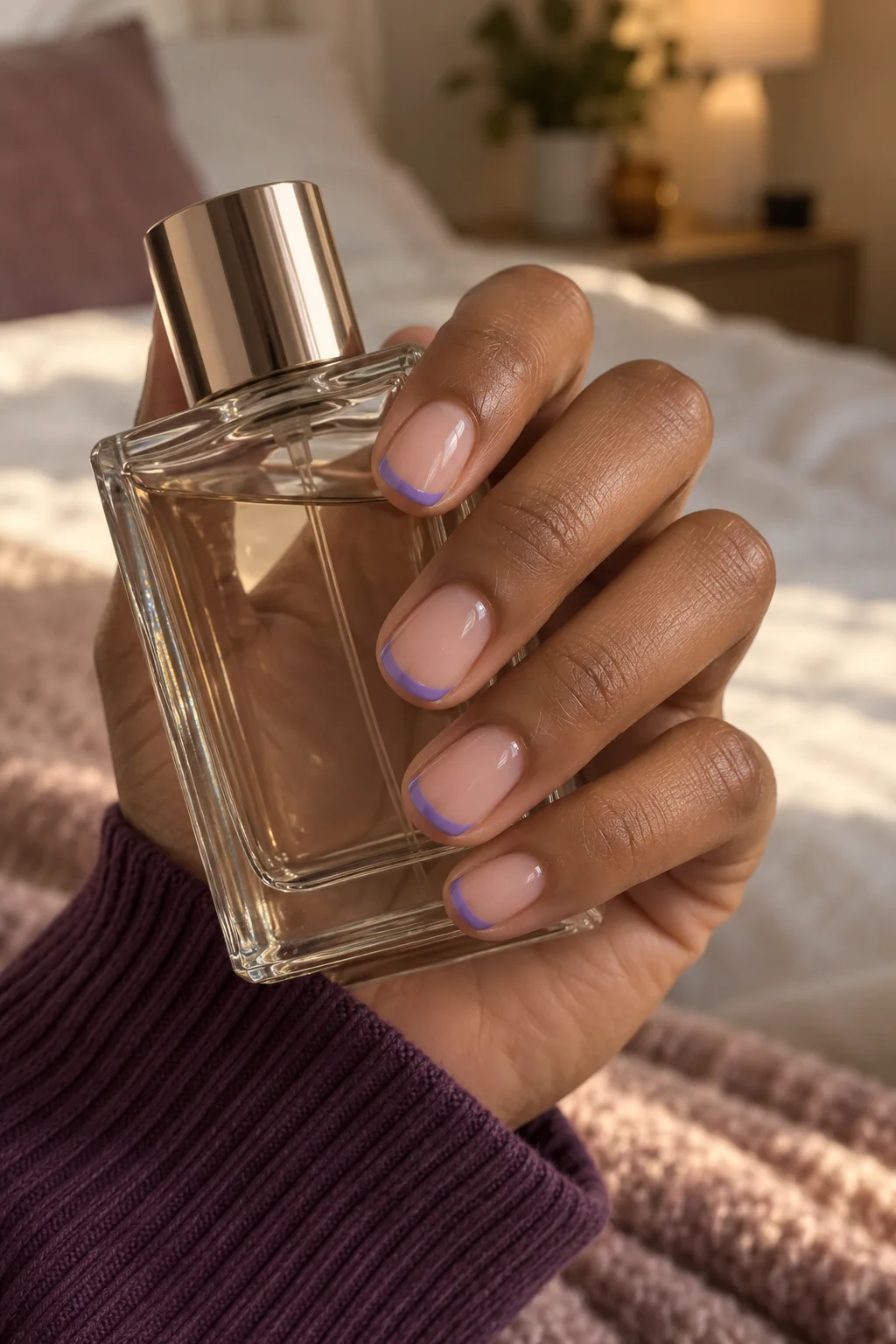 Lavender tips
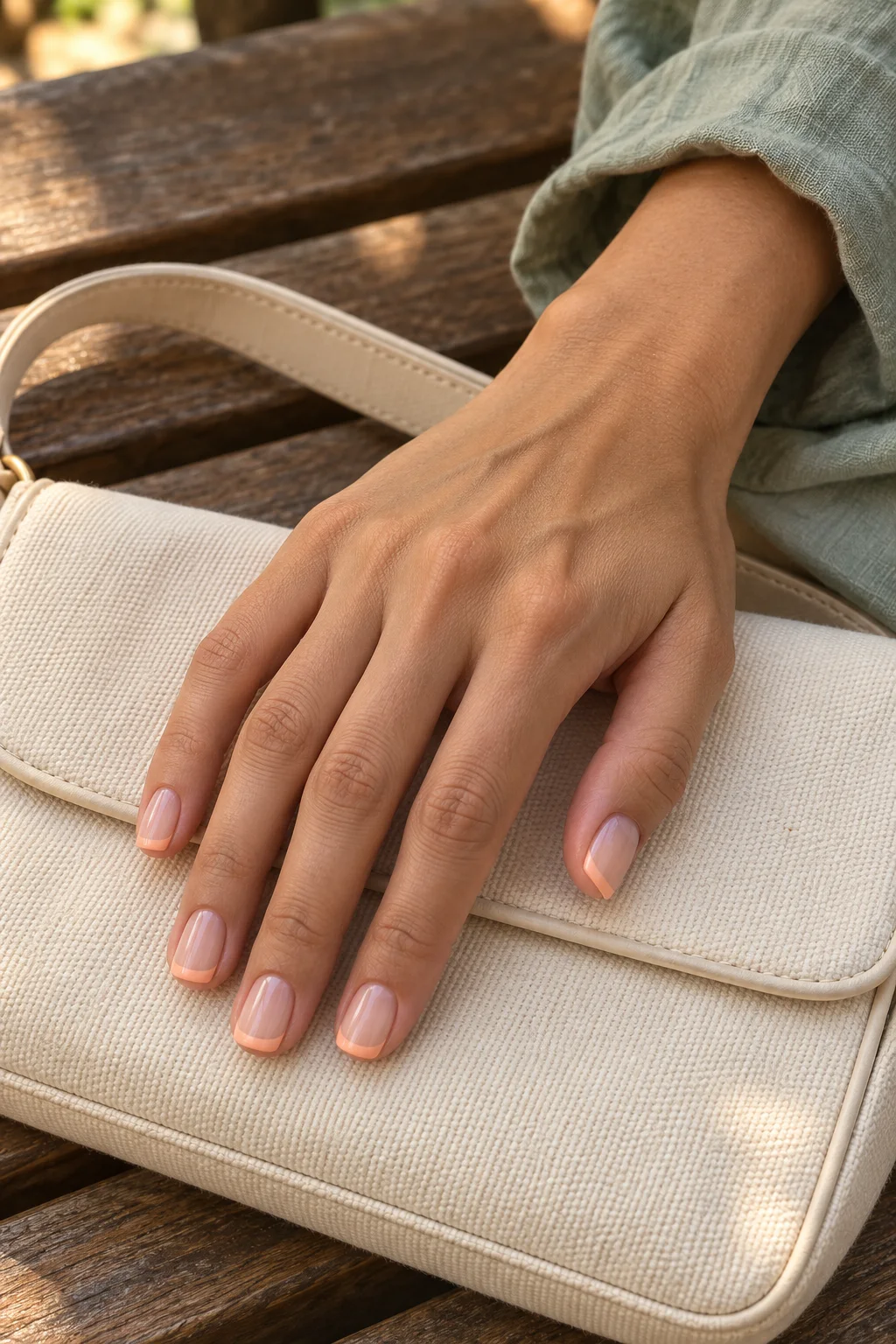 Peach tips
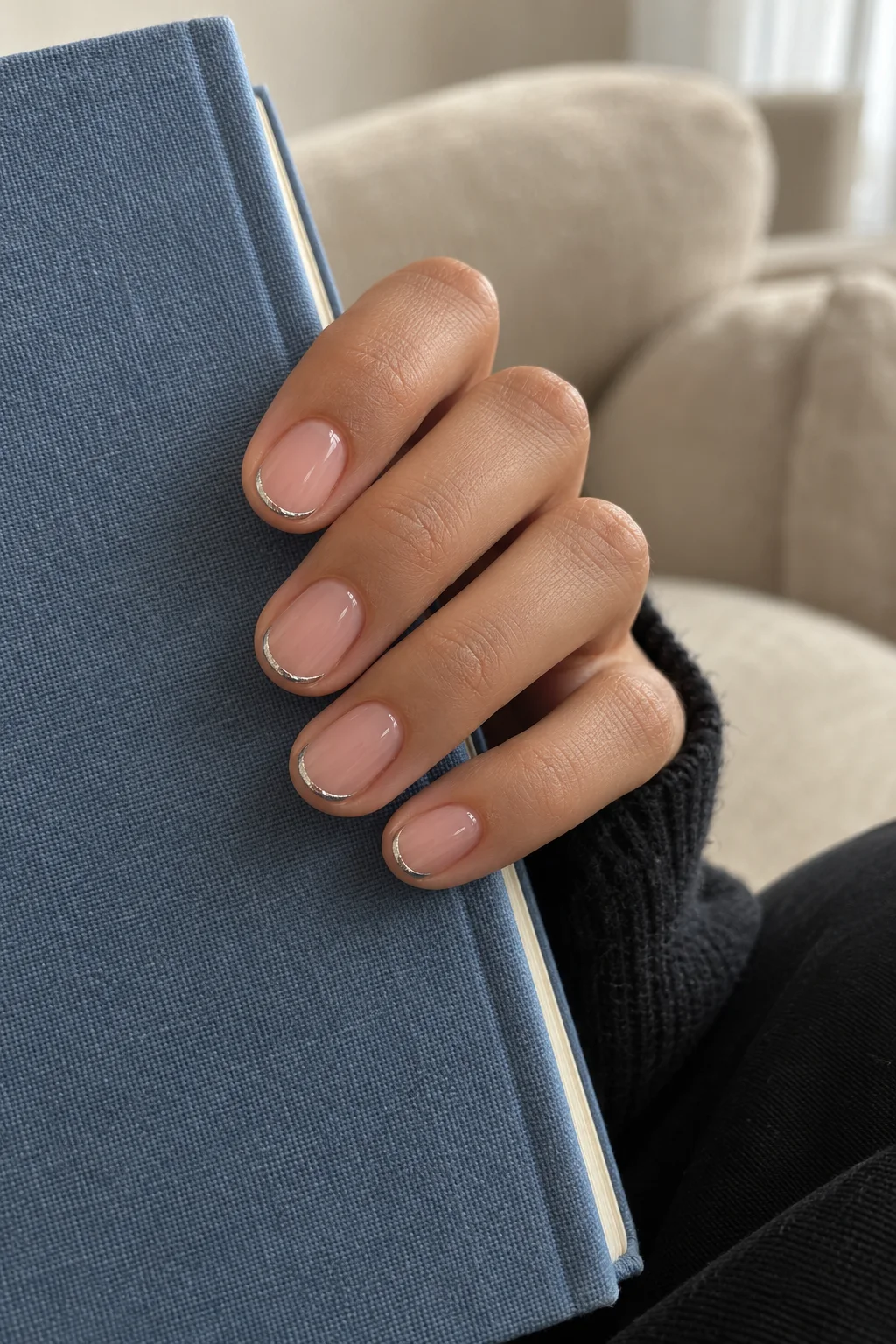 Silver edges
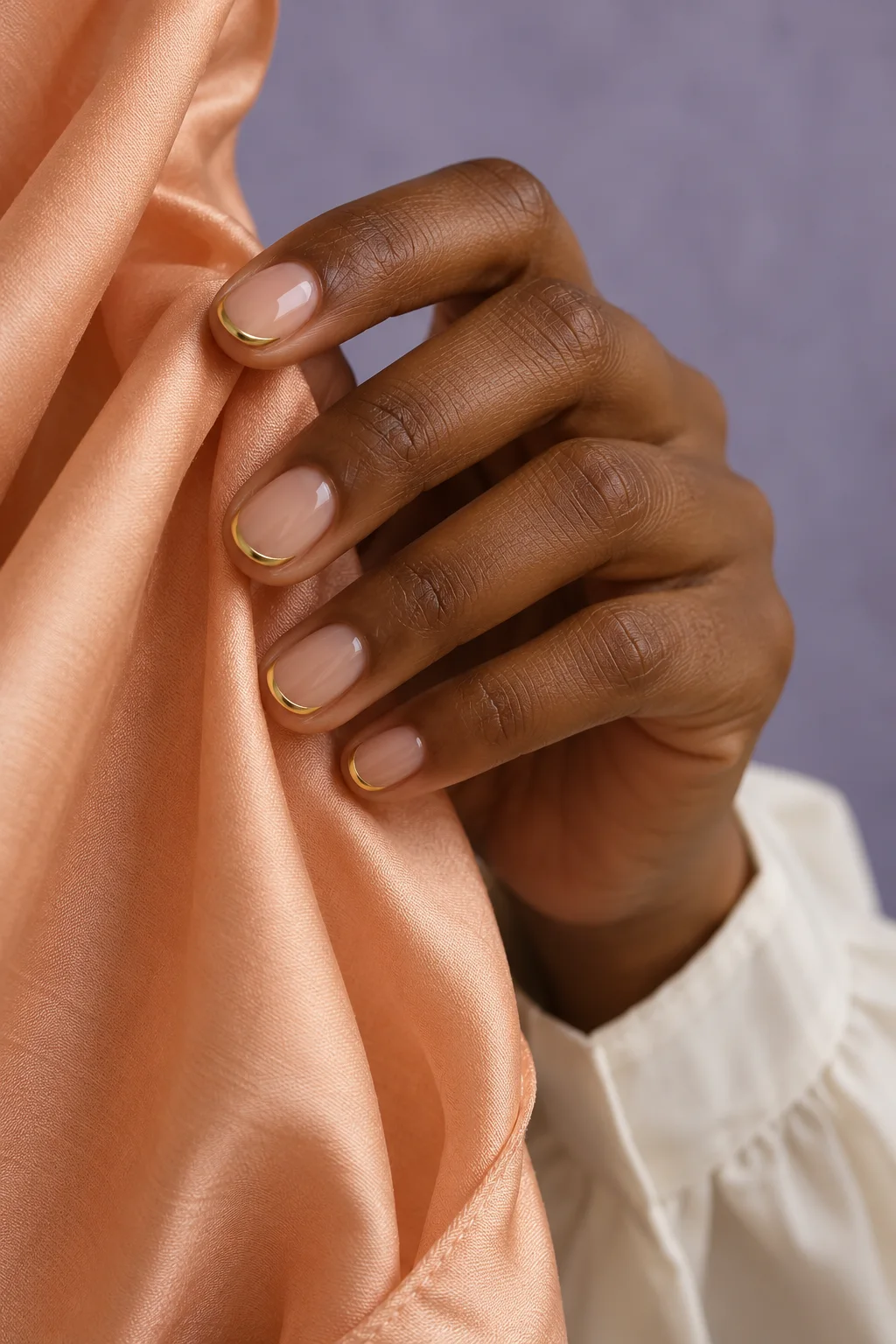 Gold edges
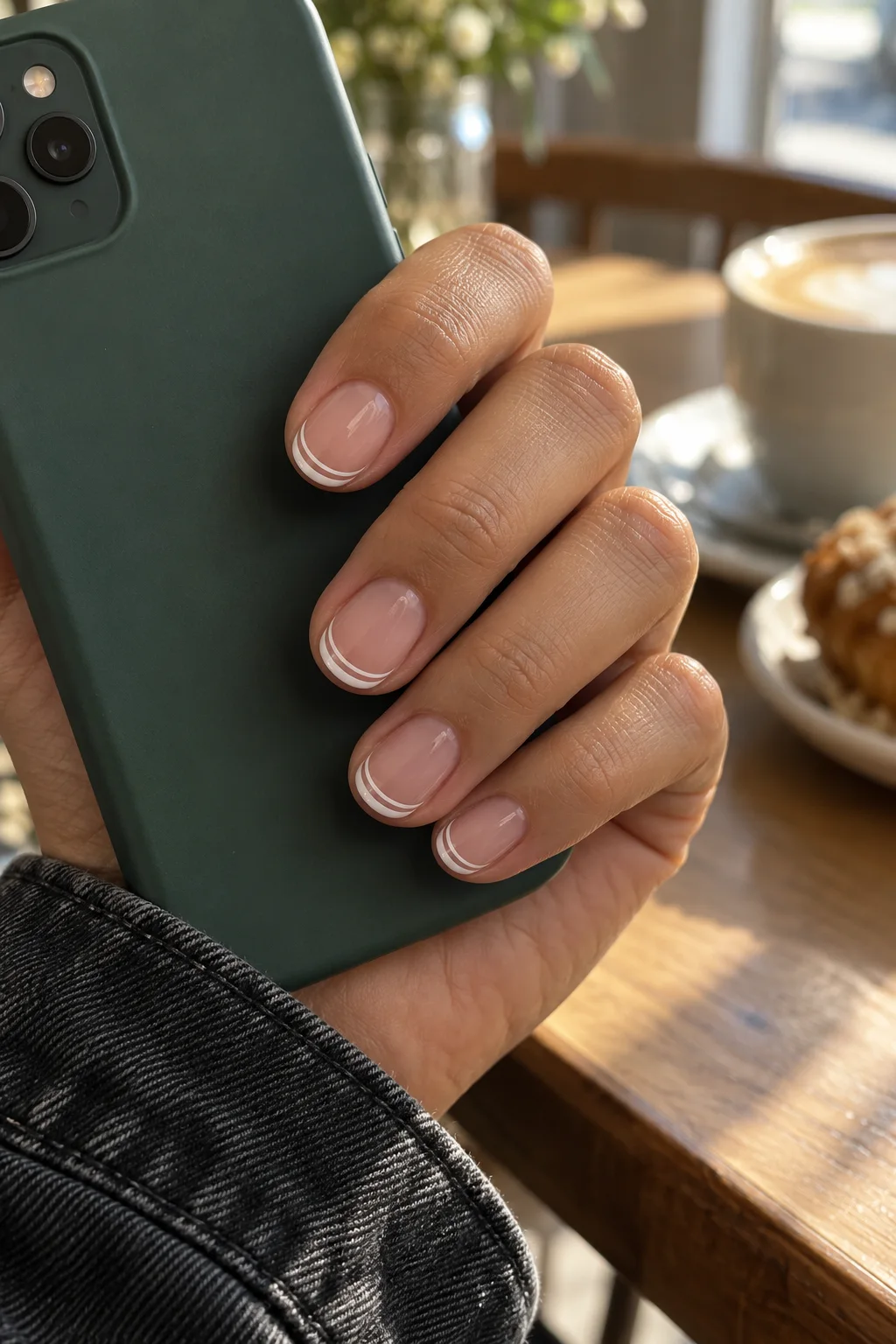 Double white lines
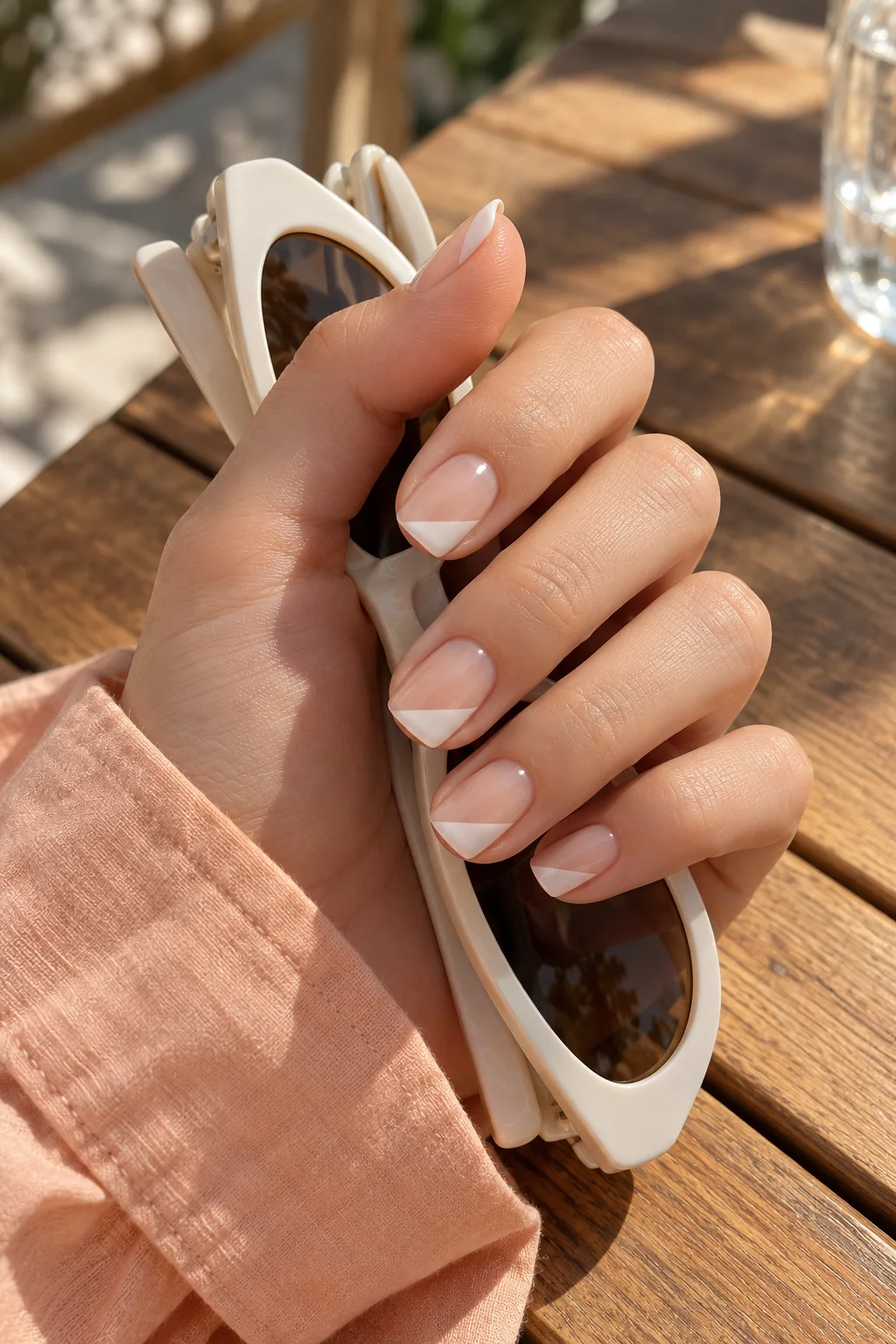 Angled white tips
 Side-sweep pink tips
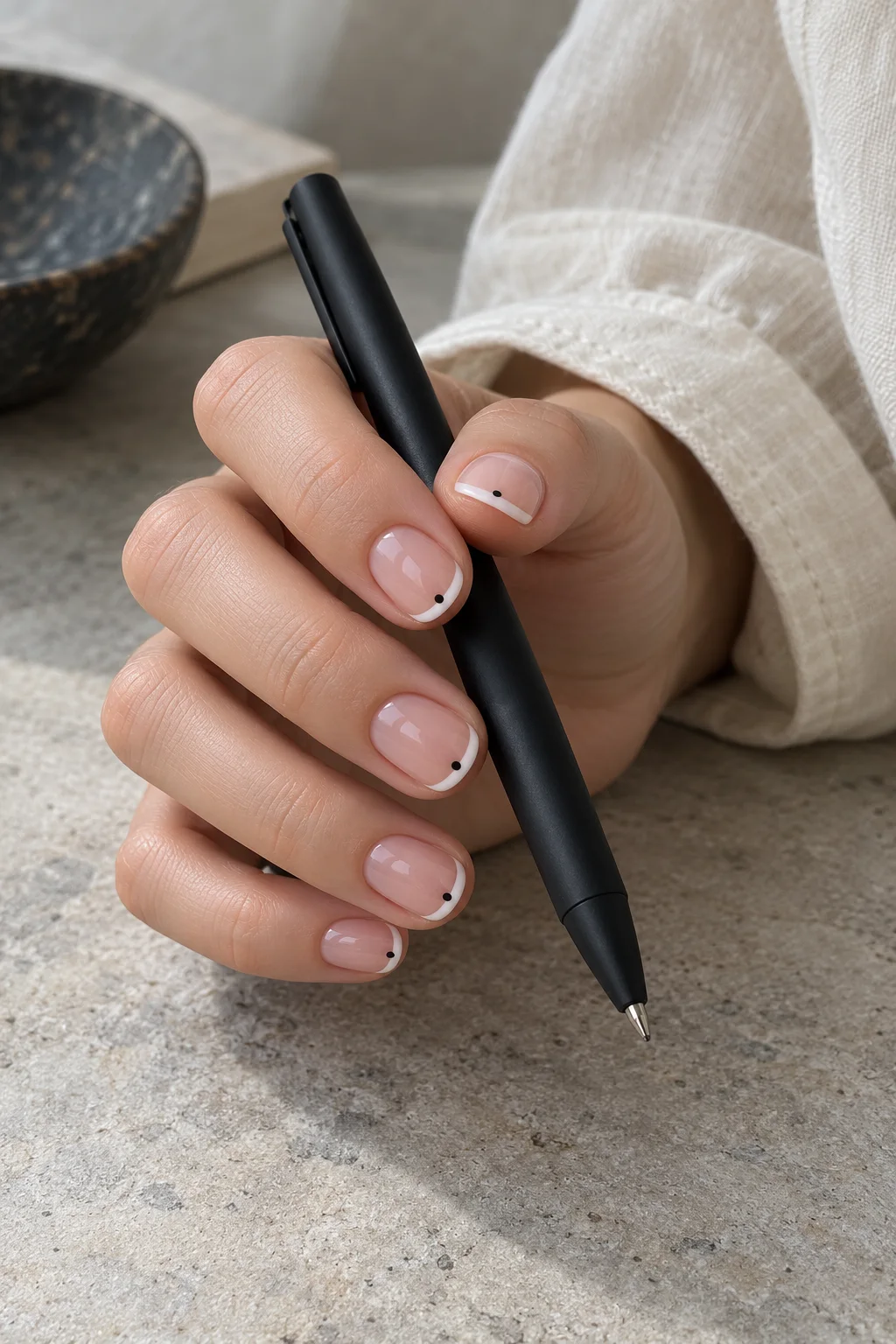 White tips with tiny dots
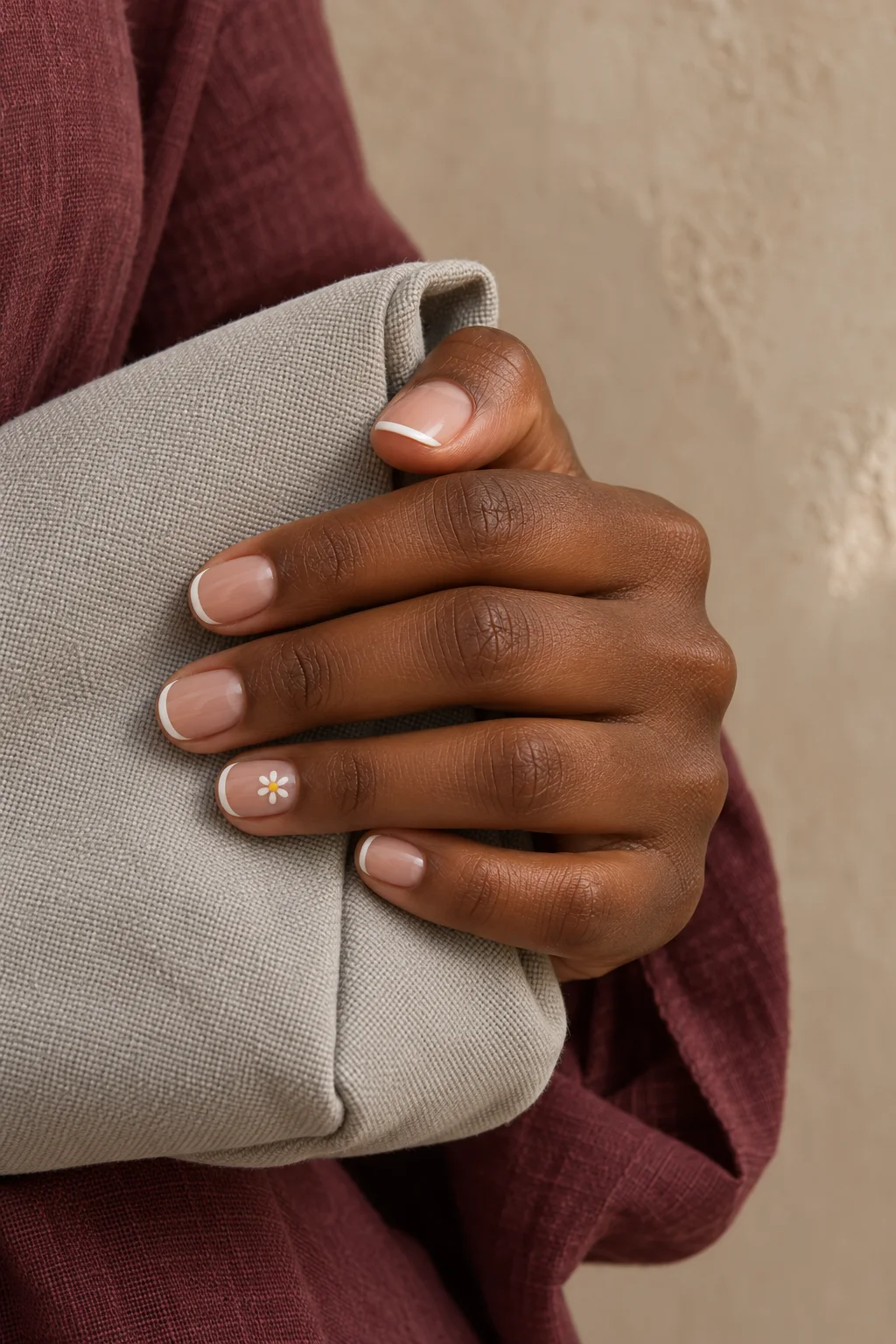 Daisy accent French
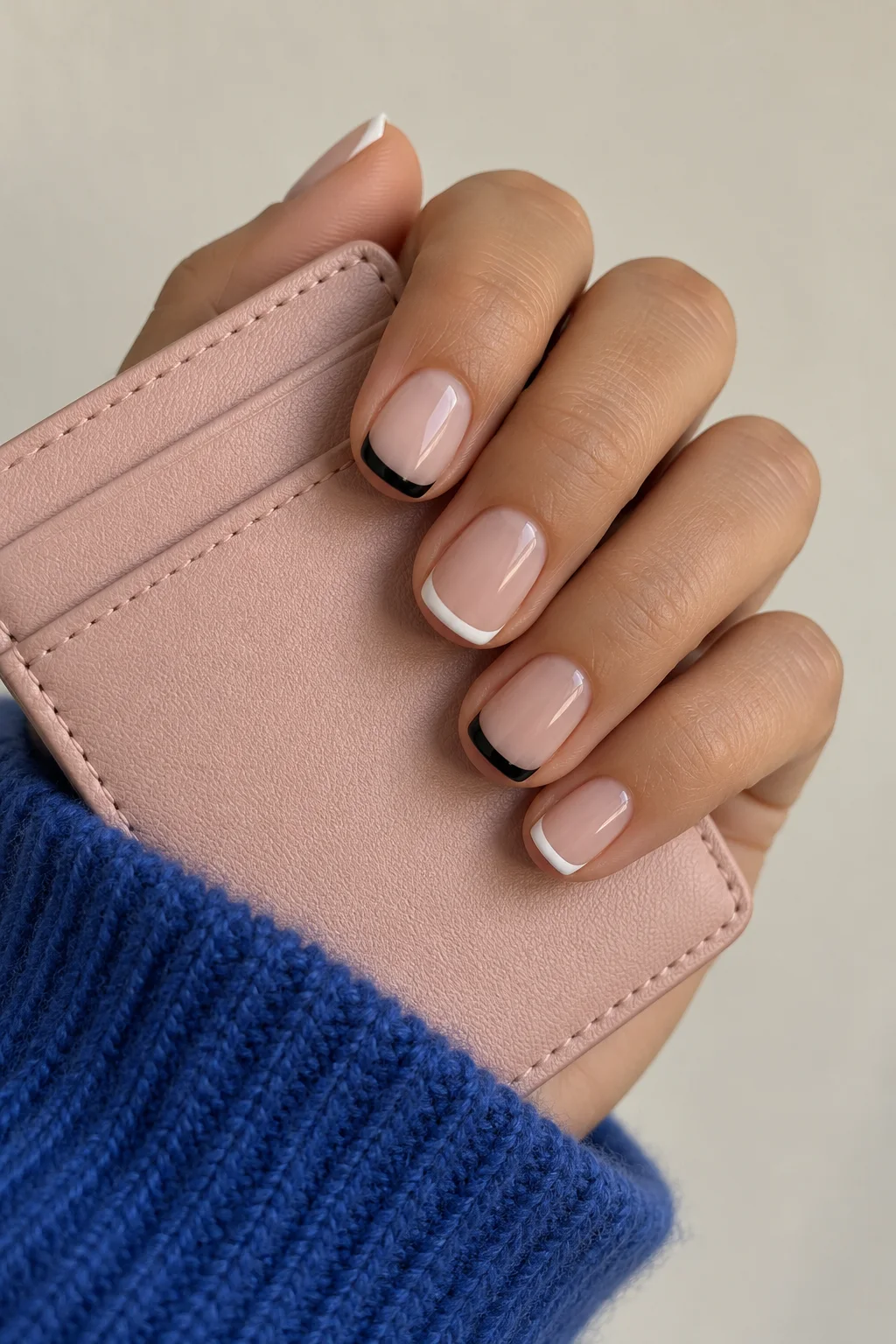 Alternating black and white tips
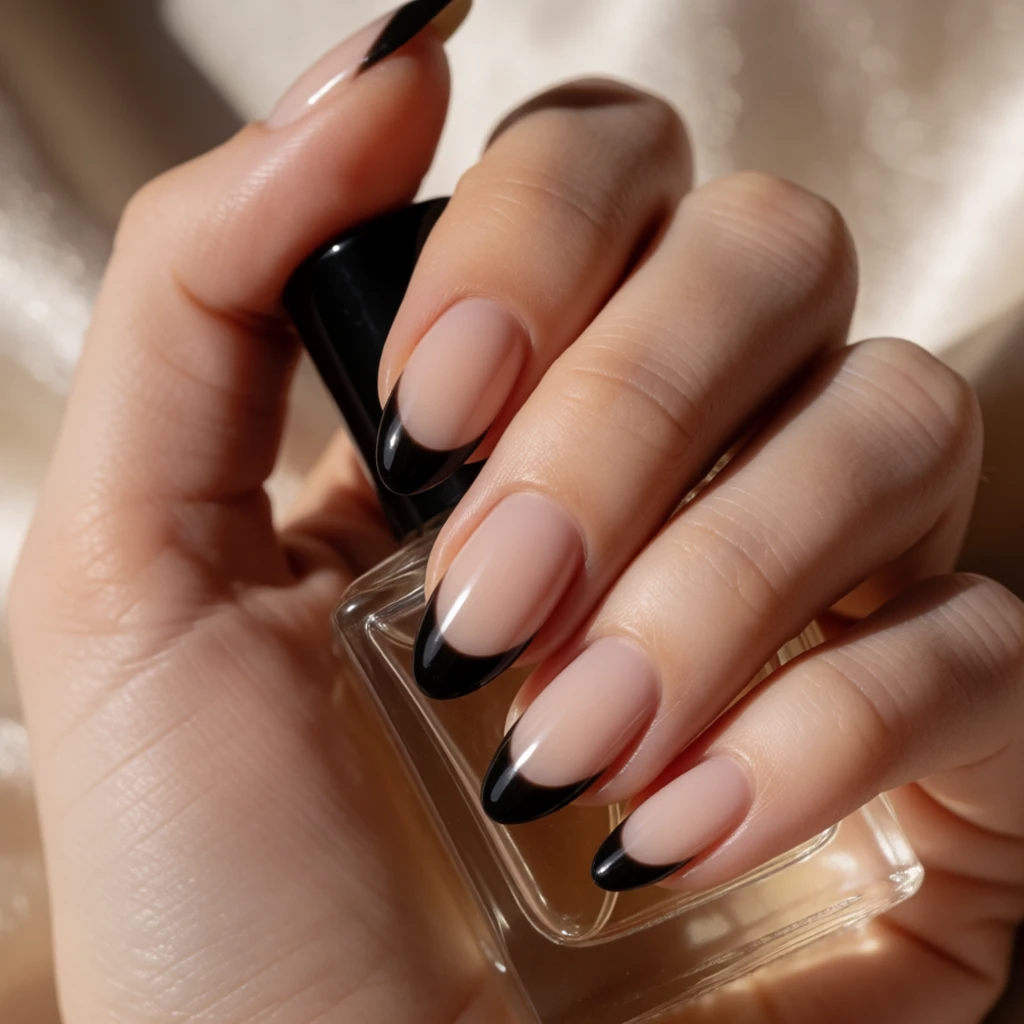 Black French Tip Nails
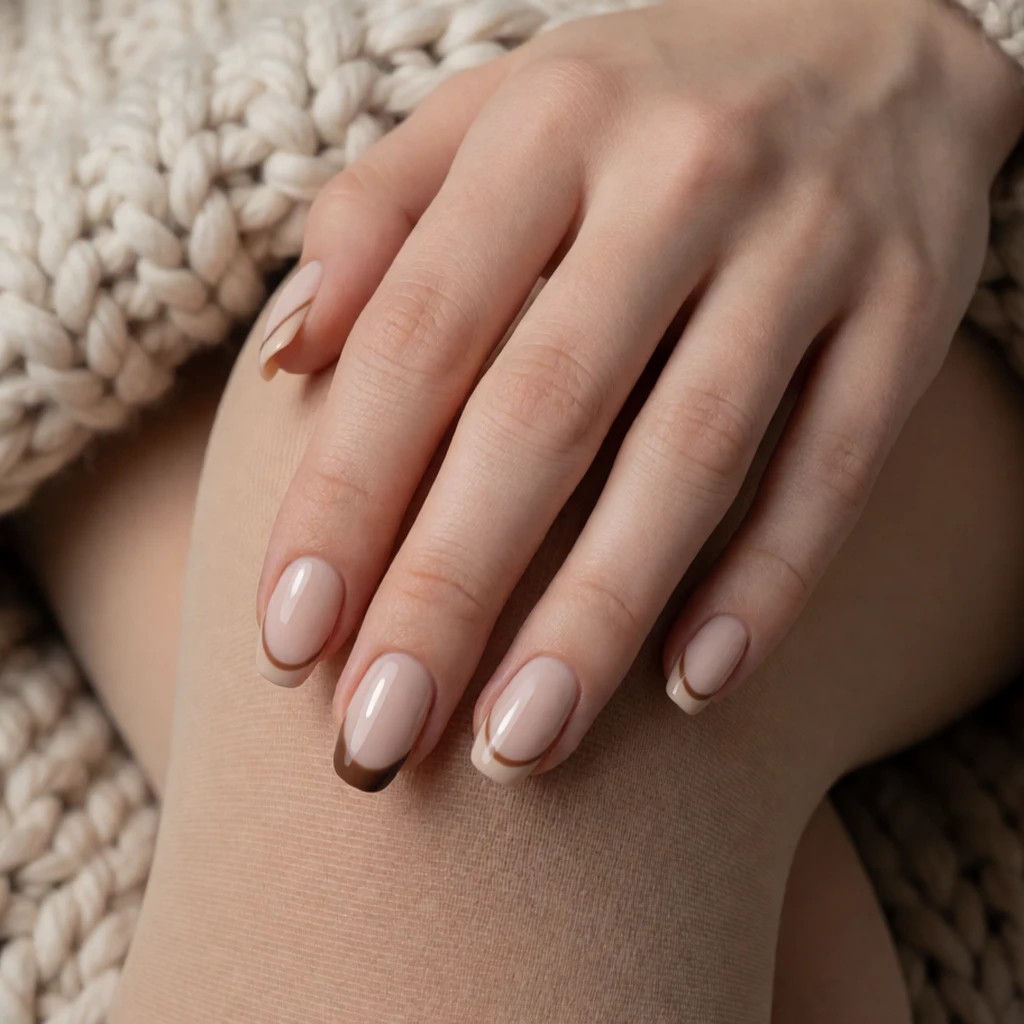 Brown French Tip Nails
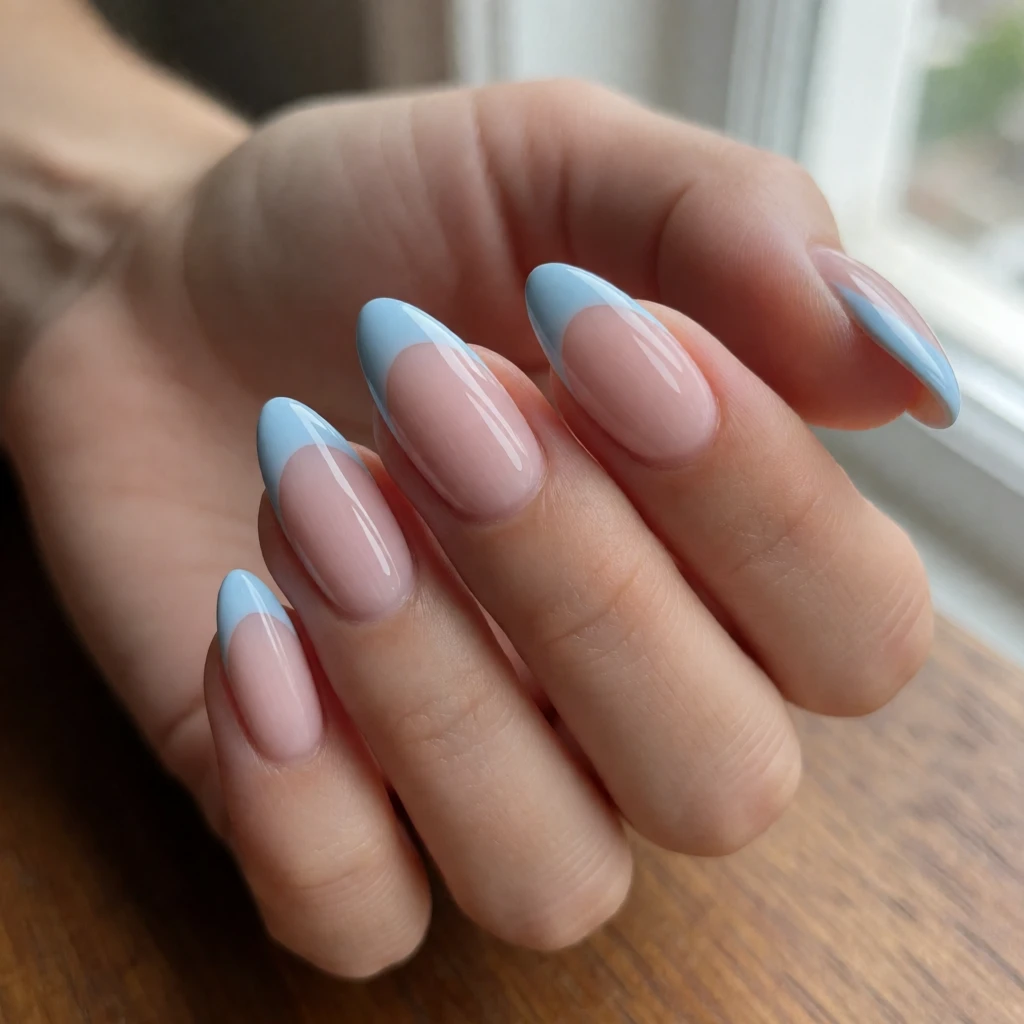 Light Blue French Tip Nails
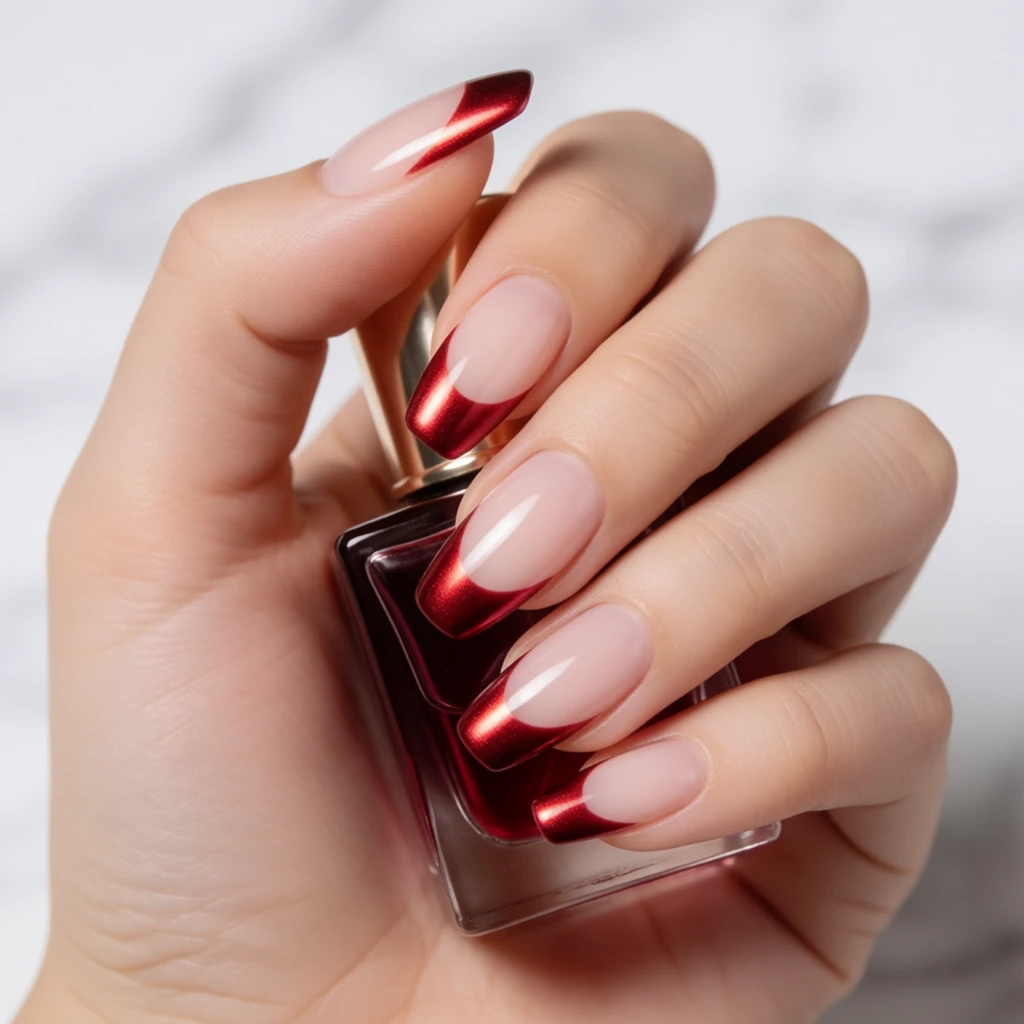 Dark Red French Tip Nails
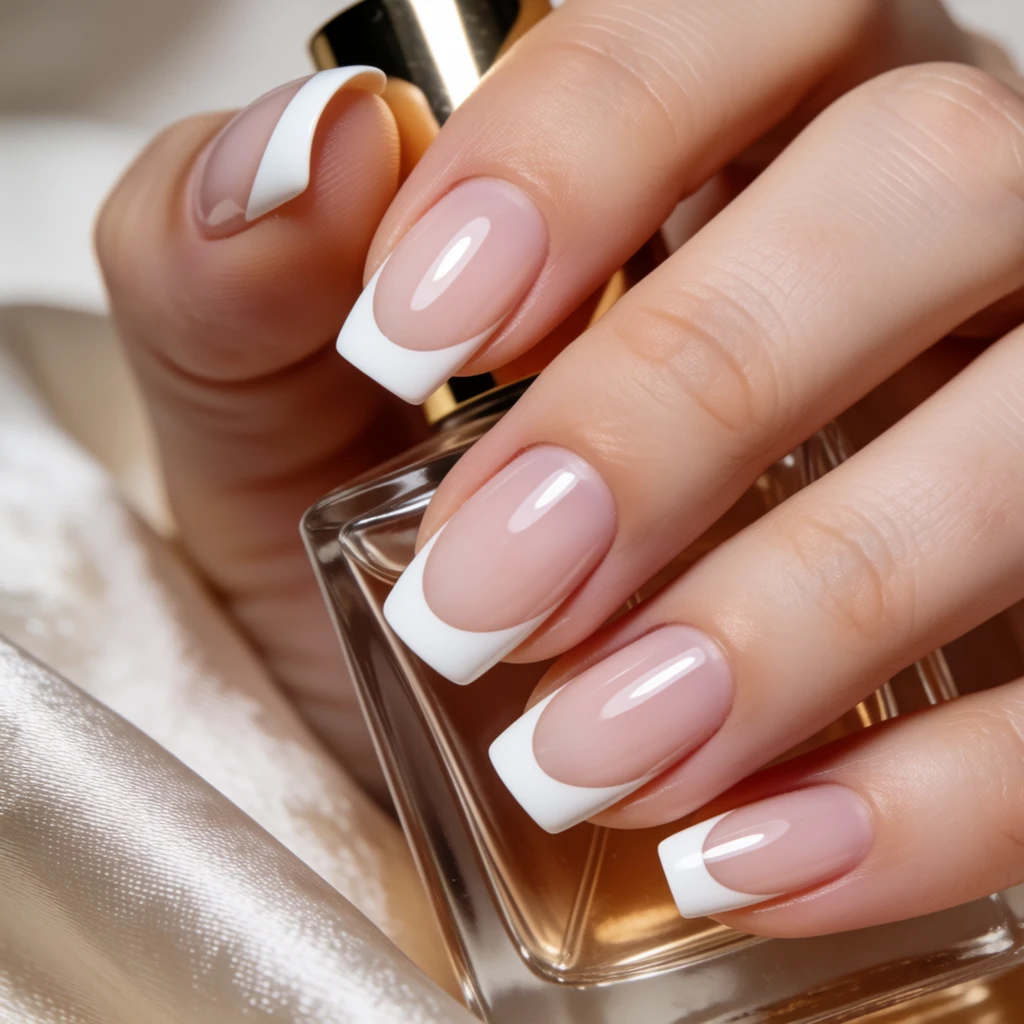 Micro Square French
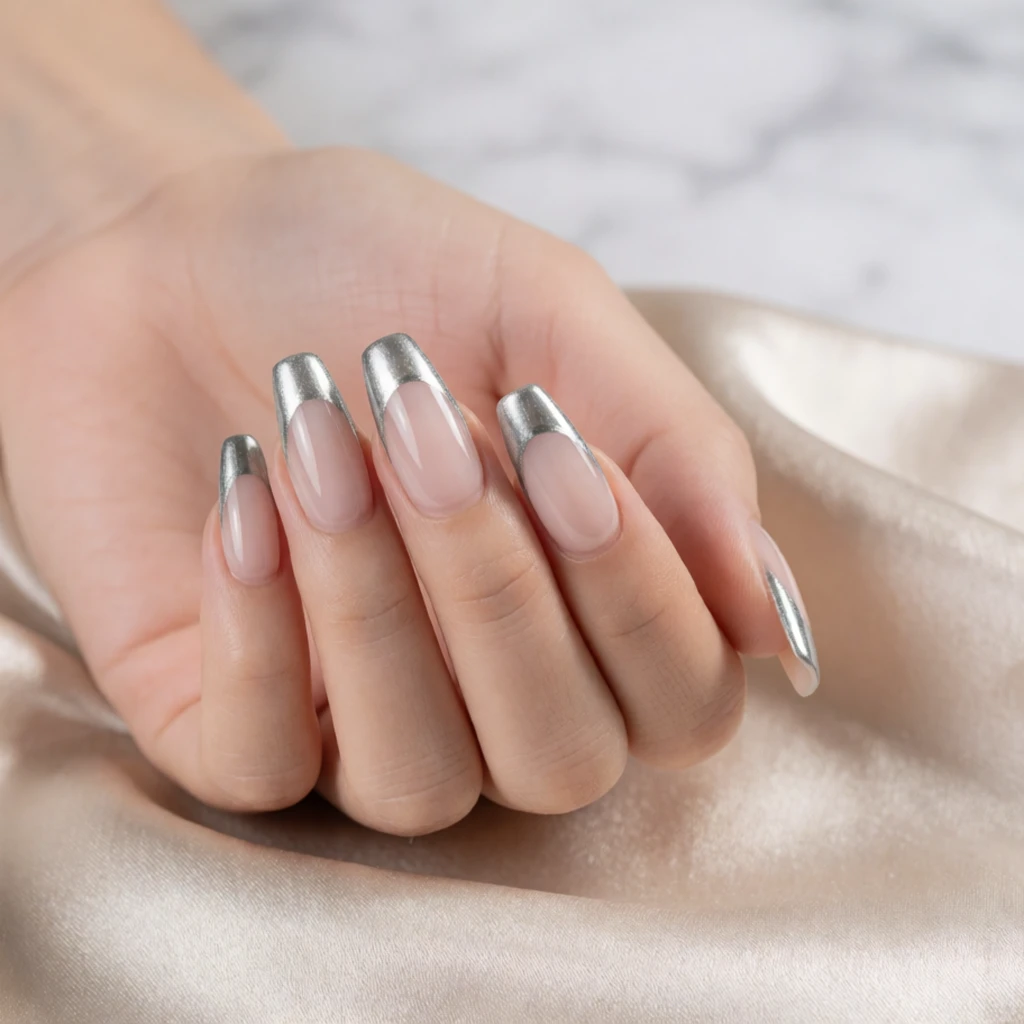 Silver Chrome French
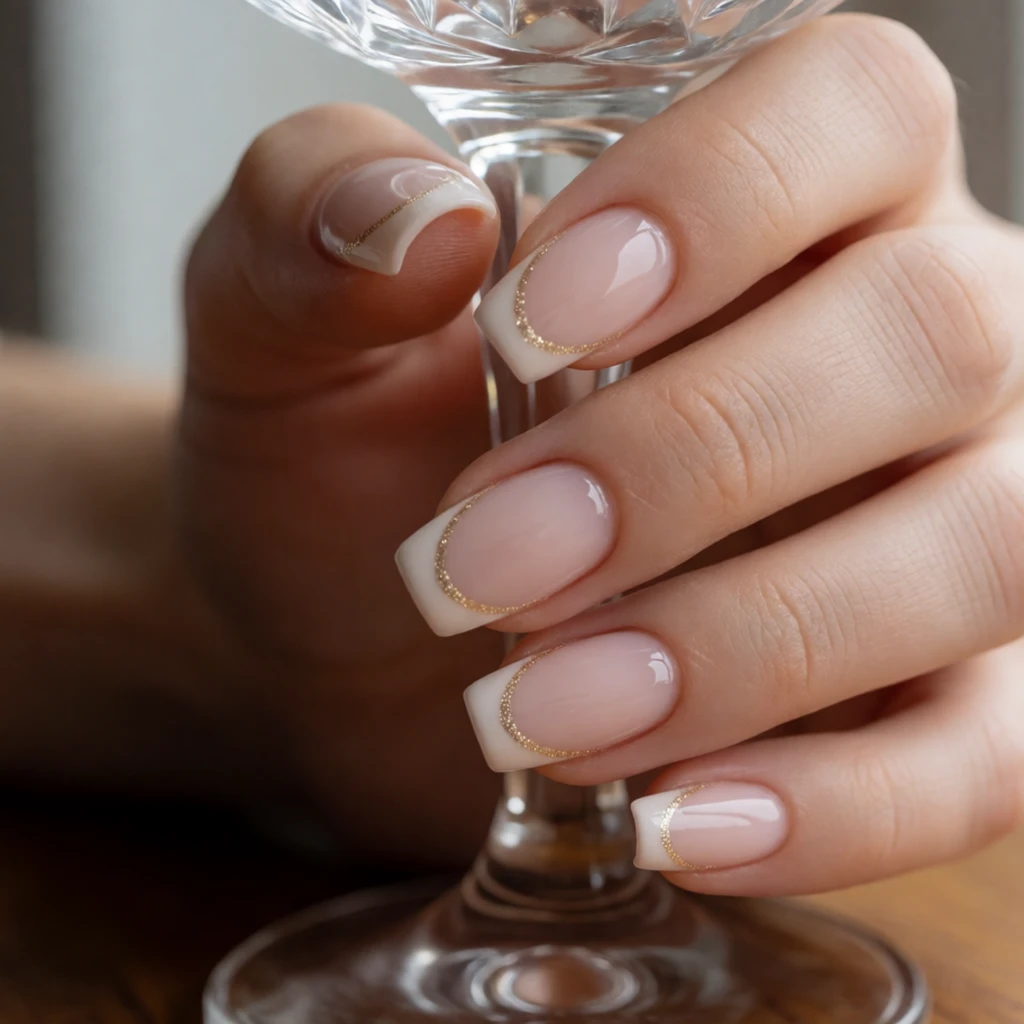 Gold Glitter Line French
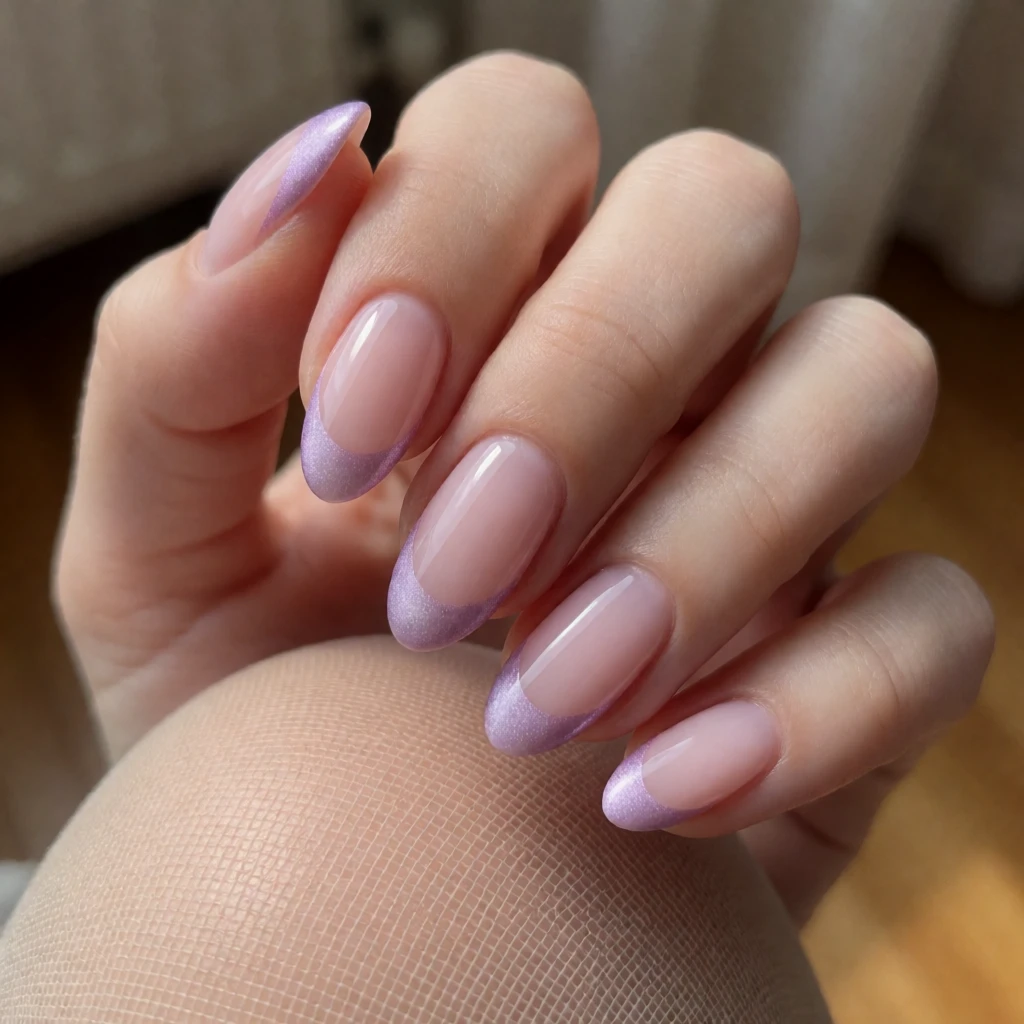 Lilac Velvet French
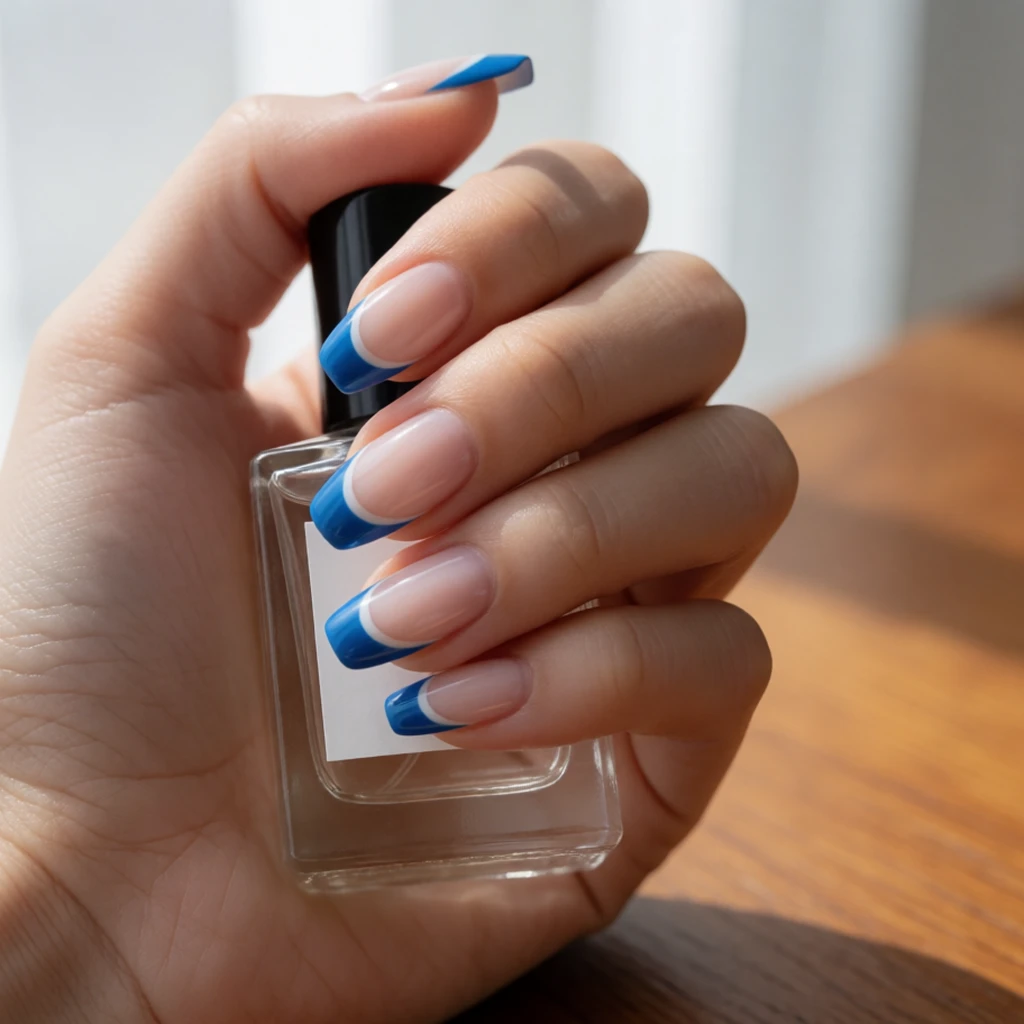 Double Blue French
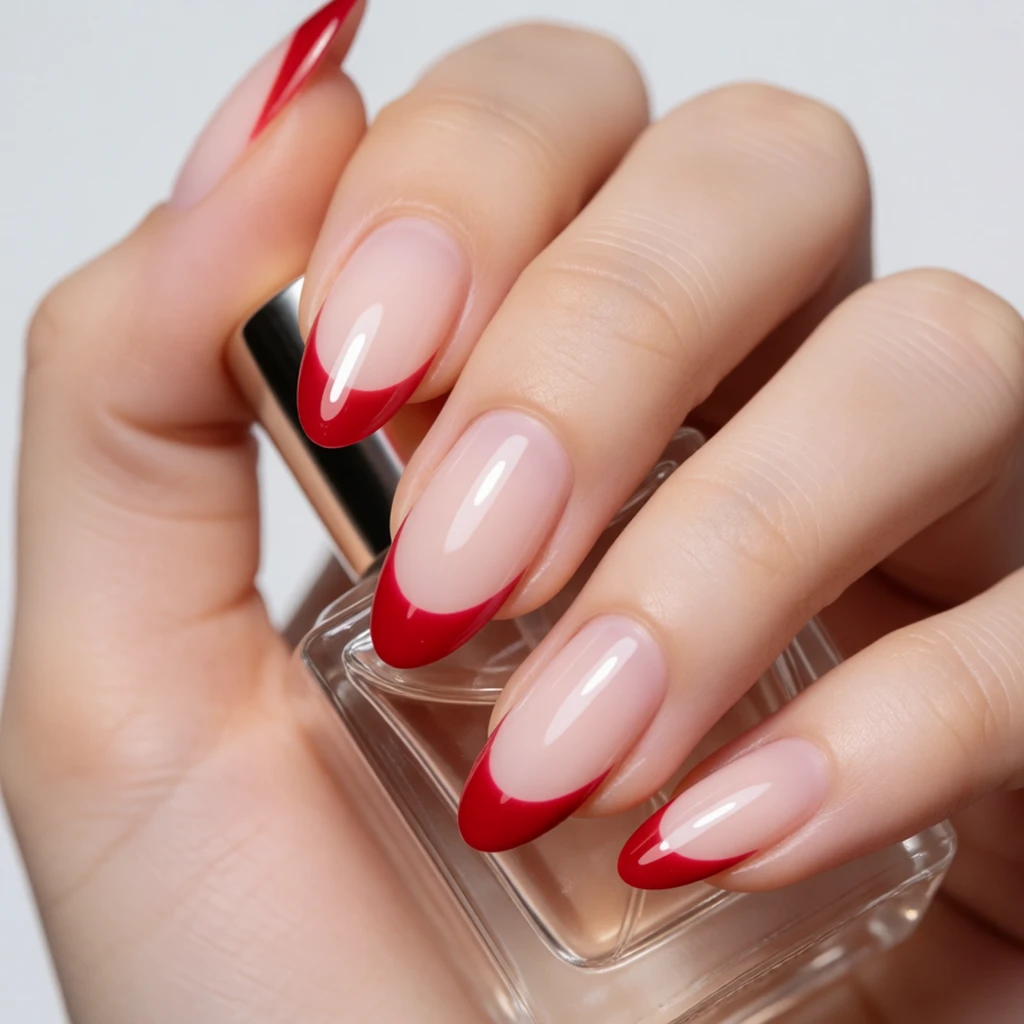 Cherry Red French
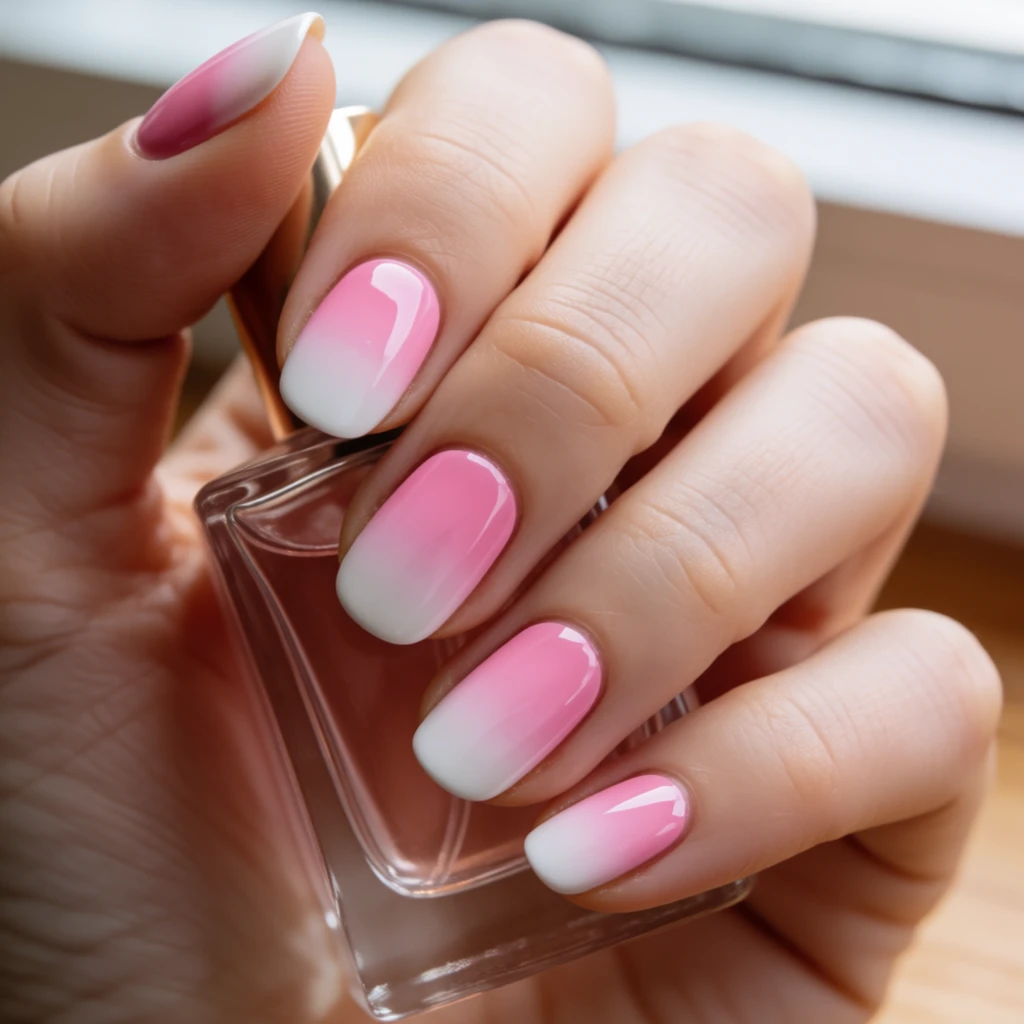 Baby Boomer Ombre
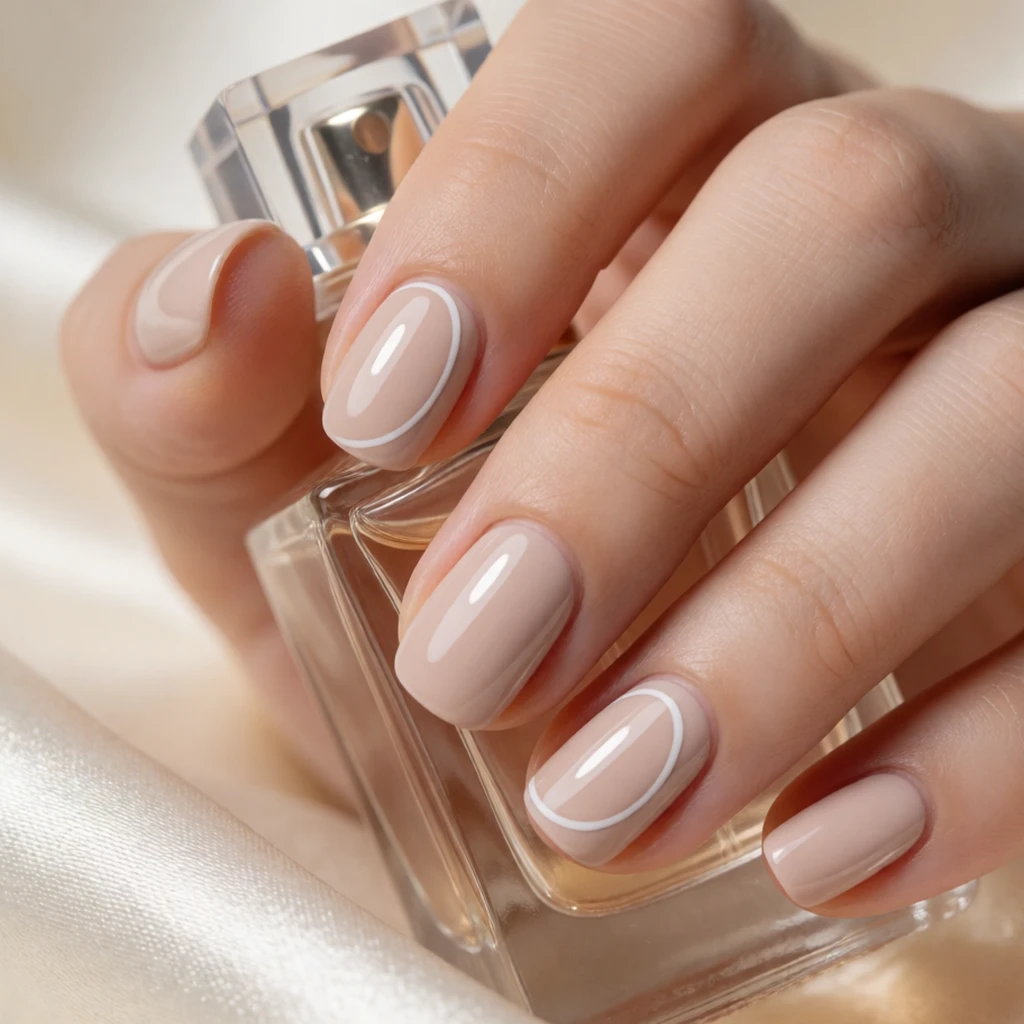 Negative Space Outline French
 Micro French Round
Keep exploring
Related guides
 Short & almond
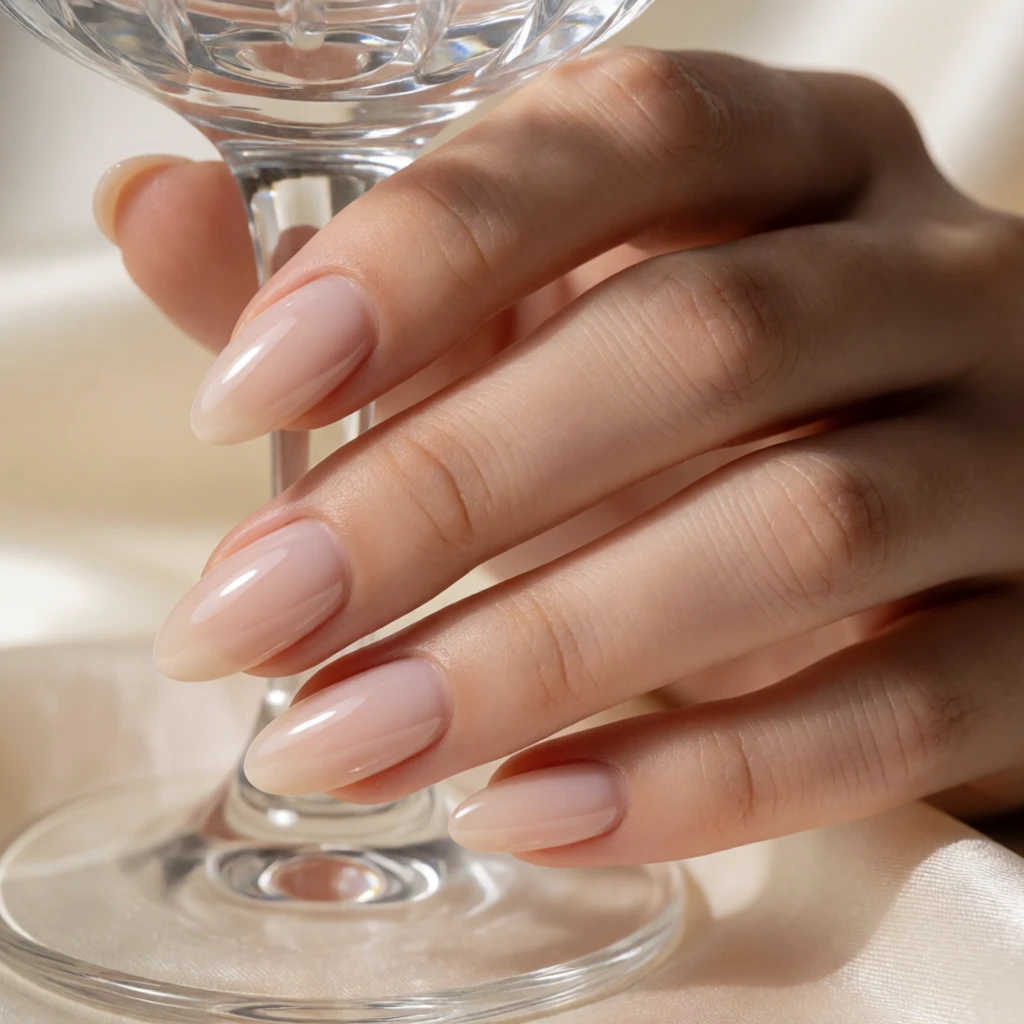
Short almond looks use a single all-over colour across the full nail, while French tips split the nail into a base zone and a coloured edge — same potential shape, different structure.
 Goth & dark
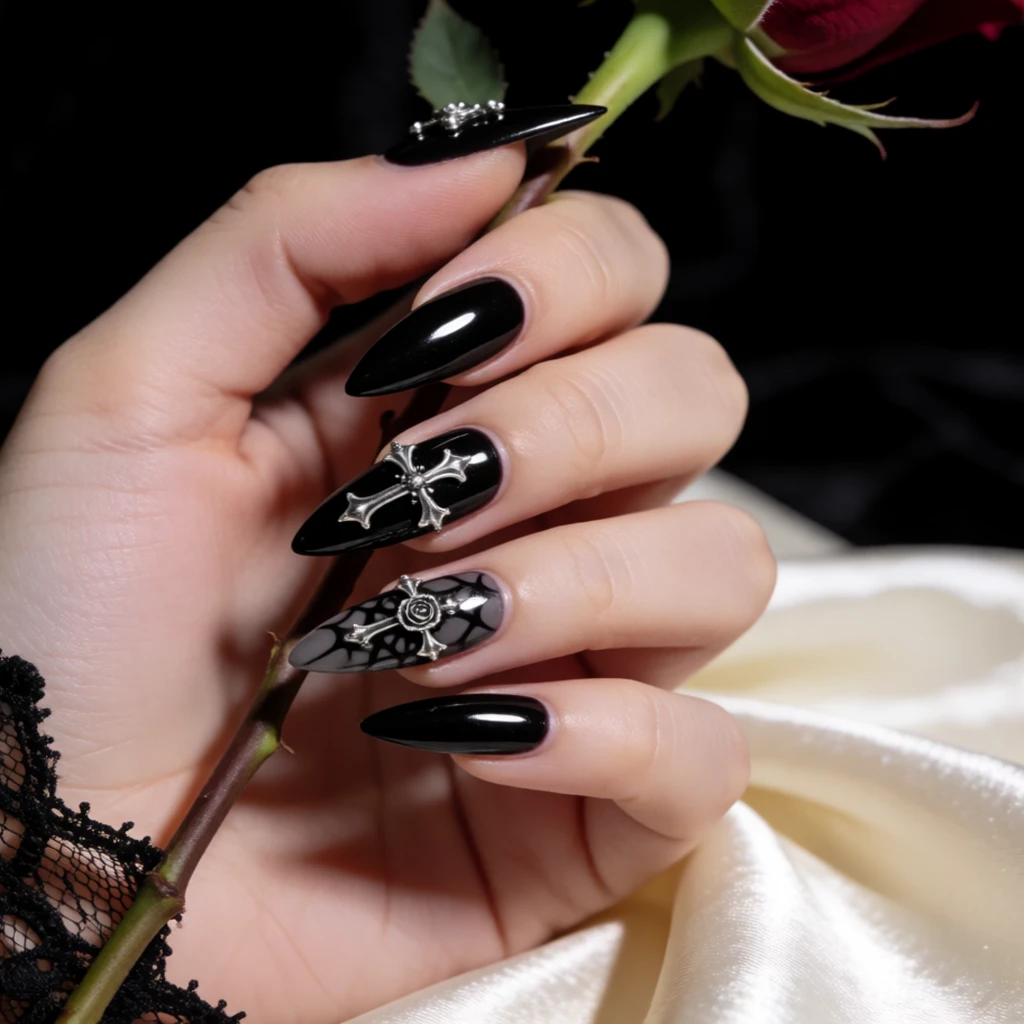
Goth nails can include a French structure (fine spiderweb French, black floral French) but push the palette into blacks and deep jewel tones and pair it with darker, heavier art.
 Dark accents
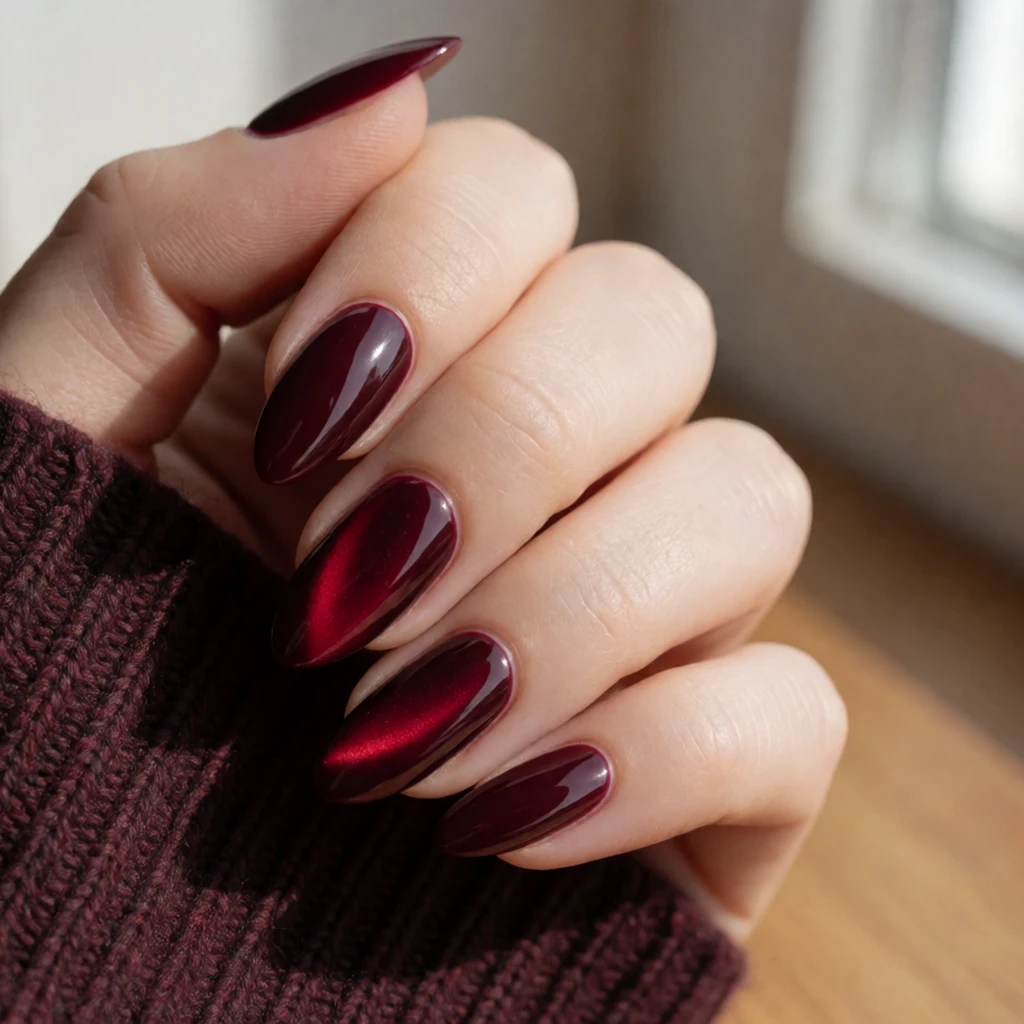
Dark accent nails use a deep shade on one or two nails against a lighter base on the rest, where French tips apply the two-tone contrast within each individual nail.
Questions
How do I get a clean French tip line at home?
Guide strips or reinforcement stickers placed just below where you want the line create a clean edge to paint up to. Remove the strip while the polish is still slightly wet to avoid pulling at dried edges.
Can French tips work on very short nails?
Yes — a thin micro line or a silver or gold edge applied with a fine brush reads as French even on a very short free edge. A wide curved arc needs a little more length to look intentional rather than cramped.
What colours count as a modern French tip?
Any shade on the tip qualifies as French provided the base remains visibly lighter or different — espresso, burgundy, olive, powder blue, and lavender all appear in current references. The two-zone contrast is what defines it.
How do I remove gel French tips safely?
Follow the soak-off method specified by the gel product you used — most require cotton pads and foil wrap for a set amount of time. Peeling from the tip line can take layers of the nail plate with it, so patience with the soak-off process matters.
Generated references, not tested products. How shopping links work.