Nail ideas / Short & almond
Short square nails: shape and color ideas that work
Short square nails give you a clean, geometric free edge that photographs well and holds detail better than you might expect. The trick is matching your color and design choices to what actually reads at that scale.
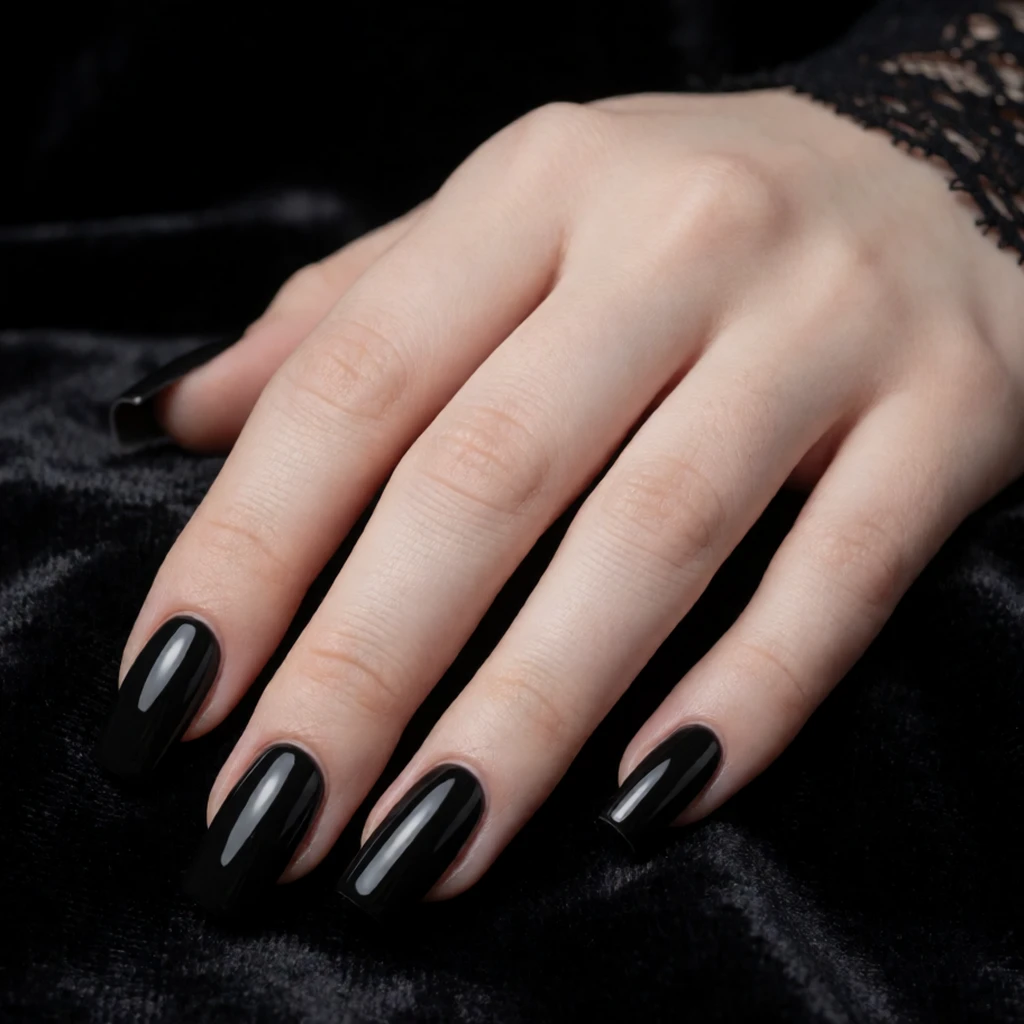
Three rules
Start here.
- Scale your design to the nail bed, not to what you saw on a longer nail—shrink or simplify any motif so it has breathing room without floating awkwardly.
- Use the flat free edge deliberately: a crisp line, a tip gradient, or a negative-space stripe along the top reads cleanly on square nails in a way it would not on a rounded shape.
- Choose colors with enough contrast between the design and base that the detail stays visible at the actual viewing distance of everyday life, which is usually arm's length.
A styling reference, not a product photo.
What defines it
The basics
The square shape means your free edge is filed straight across and the corners are left sharp or just barely softened—not rounded into an oval. On short nails, that flat tip becomes the focal point of every design you put on it. Any line, color block, or tip detail lands right there at the edge, so the shape does real compositional work even before you pick up a polish bottle.
Short square nails usually measure somewhere between the fingertip skin line and about two millimeters past it. That range is more than enough for a wide variety of looks, but it does mean you need to think proportionally. A design element that fills a long nail beautifully can look crowded on a shorter canvas, and some techniques—like a detailed floral or a gradient that needs blending room—need to be scaled or repositioned to stay legible.
The flat free edge also interacts with color in a specific way. Because the tip sits perpendicular to the eye, a contrasting tip color or a graphic stripe along that edge shows up clearly. Conversely, a nude or skin-matching shade can make the nail look longer by softening the boundary between nail and fingertip.
Repeatable combinations
Formulas to try
- Solid color with a tonal tip
- Paint all nails in a single shade, then add one thin stripe of a slightly lighter or darker version of that same color along the free edge using a thin nail art brush or tape. The effect is barely-there but adds dimension without introducing a second color family. It works especially well with terracottas, dusty pinks, and muted greens where the tonal shift is subtle enough to look intentional rather than like two separate manicures competing for attention.
- Two-color color blocking
- Divide the nail horizontally with tape and paint the top half one color and the bottom half another. On a short square nail, a horizontal divide lands naturally around the midpoint of the nail bed, which keeps both sections proportional. Try a warm off-white lower half paired with a saturated cobalt or forest green upper half.
- Negative space geometric
- Apply a sheer or slightly tinted base coat and leave most of it as-is, then add a single opaque geometric shape—a triangle, a thin diagonal stripe, or a small rectangle—in a contrasting color. The unpainted area becomes part of the design. On a short square nail, keeping the shape small and positioned toward one side of the nail rather than centered tends to look more graphic and less like you ran out of time painting.
- Gradient on the free edge
- Load a small makeup sponge with two colors that blend well—think a deep burgundy fading into rust, or a navy softening into periwinkle—and dab just the top third of the nail so the gradient concentrates at the free edge. That placement frames the square tip instead of trying to work across the whole nail. Seal with a top coat immediately, and do two or three thin sponge layers rather than one heavy application to get the softest transition.
- Single accent nail with texture
- Keep four nails in a flat, clean shade and give one nail a textured finish—a matte top coat over a gloss, a coat of fine glitter in the same color family, or a velvet powder pressed on while the polish is still tacky. Because the accent nail is the same or a very close color, the interest comes from surface contrast rather than a color pop.
Your needs, your plans
Before you buy
- Corner sharpness
- Fully square corners can snag fabric and are more prone to chipping at the very tip. You can soften them by filing just two or three strokes at a forty-five-degree angle on each corner—barely visible but meaningfully more comfortable. If you want the strict geometric look for photos or a special occasion and plan to reshape afterward, that is a reasonable trade-off to make on purpose.
- Skin tone and color saturation
- On short nails, a very pale or very dark shade can read differently depending on your skin tone because there is less nail surface to create contrast. Swatching on your actual hand before committing saves you from finishing a manicure and finding the color disappears against your skin or overwhelms it. A strip of painter's tape on your finger makes a quick substitute swatch sheet in a pinch.
- Polish formula and shrinkage
- Some gel-like or thicker polish formulas shrink slightly as they cure and can pull away from the free edge, which is especially visible on a square tip. Apply your color in thin coats and make sure the first coat covers and seals the tip edge by dragging the brush across the very end of the nail. Doing this on every coat, not just the last one, helps the color stay put at the corners longer.
- Top coat type
- A high-gloss top coat can visually deepen and enrich whatever color you have underneath, while a matte finish tends to flatten and desaturate the perceived color slightly. Neither is wrong, but it is worth testing both finishes with a color before settling on a look—a matte burgundy and a glossy burgundy can feel like entirely different manicures even with identical base coats underneath.
From what you own
Build it and repeat it
Start with clean, dry nails and push back the cuticle gently with a wooden or rubber pusher rather than cutting it unless you are trained to do so. File the free edge straight across using a back-and-forth motion, then refine the corners until they are even on both sides—checking by looking at the nail straight on rather than from an angle catches asymmetry much more reliably.
Once your color coats are dry to the touch—not just on the surface but through enough that they do not dent when you press a knuckle gently against them—apply your top coat in a single smooth pass from base to tip, capping the free edge as you finish. If you are adding any nail art between color and top coat, let the art dry fully before sealing.
Shop the pieces
16 short & almond pieces
Links open similar items, not the pictured ones.
-
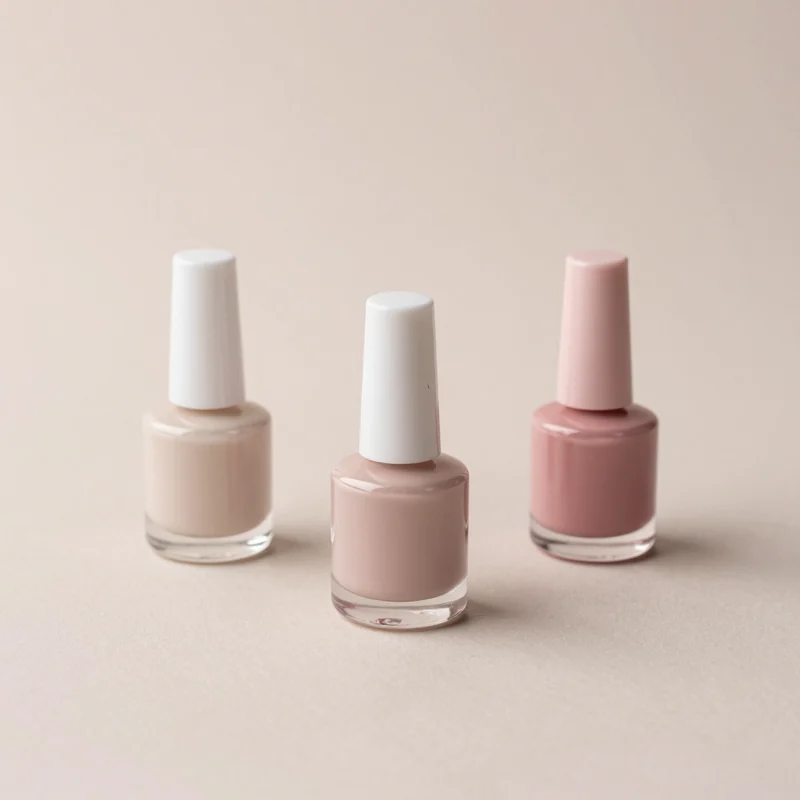
Nude pink nail polish set
What to check
A real product chosen to look like the picture. The picture is a styling reference, not this exact product.
-
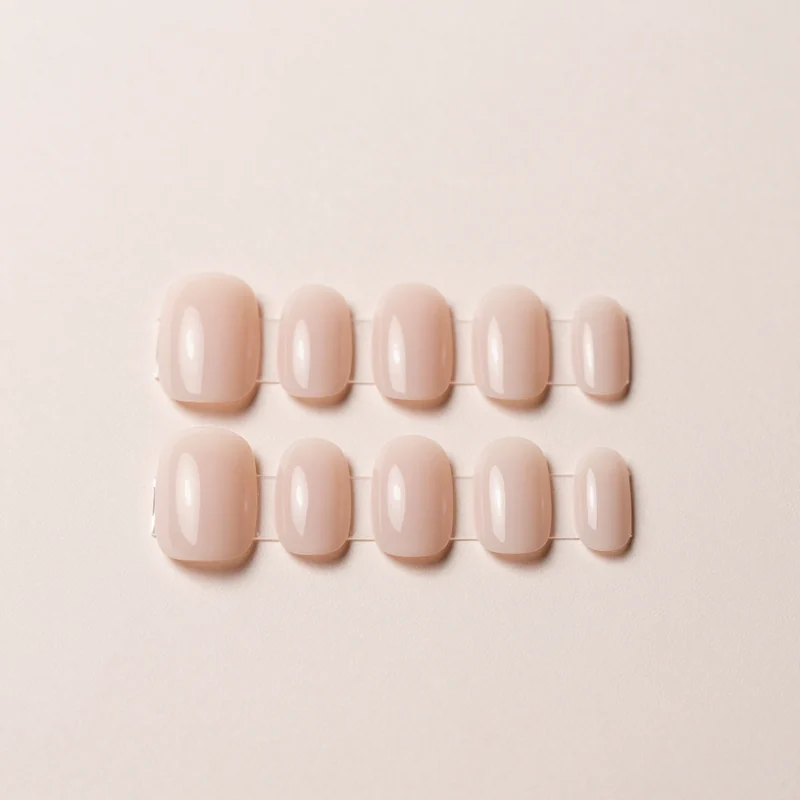
Short almond press-on nails
What to check
A real product chosen to look like the picture. The picture is a styling reference, not this exact product.
-
High-gloss top coat
What to check
A real product chosen to look like the picture. The picture is a styling reference, not this exact product.
-
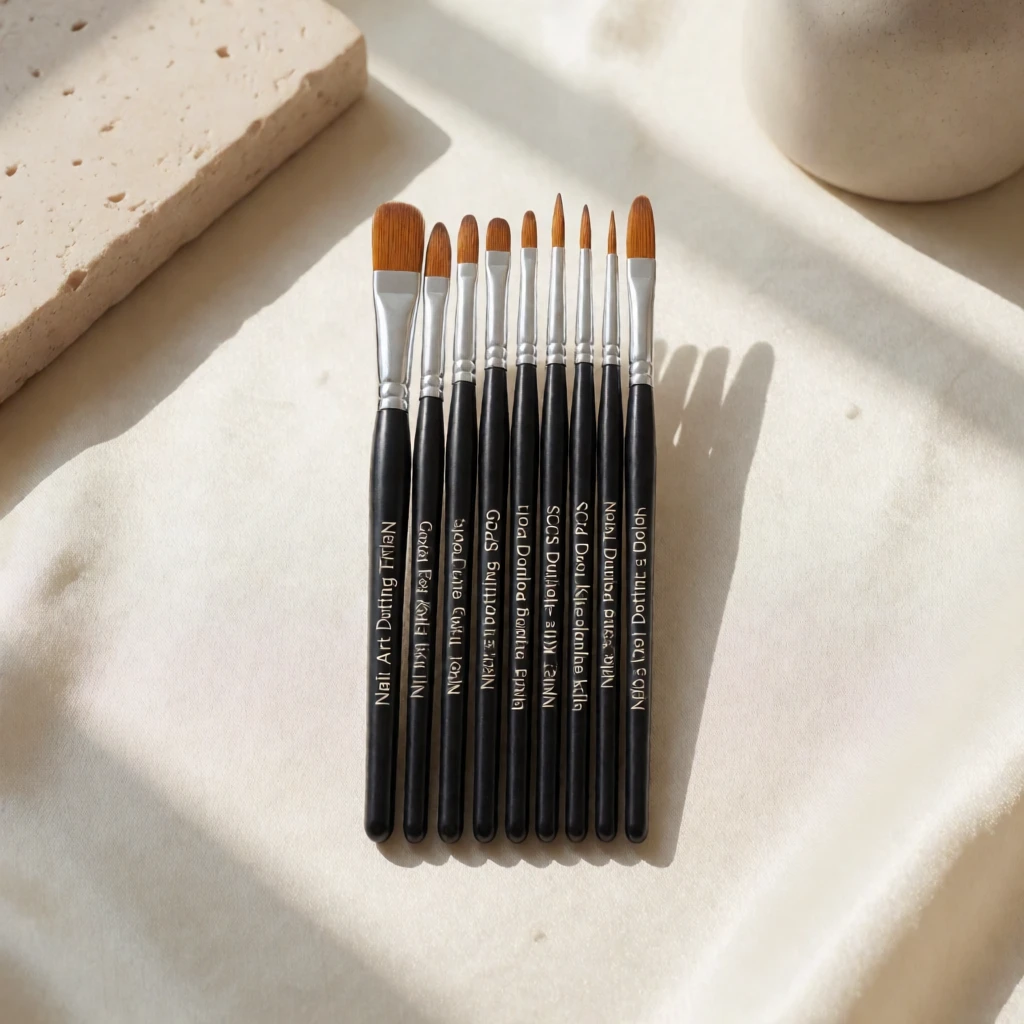
Nail art liner brushes
What to check
A real product chosen to look like the picture. The picture is a styling reference, not this exact product.
-
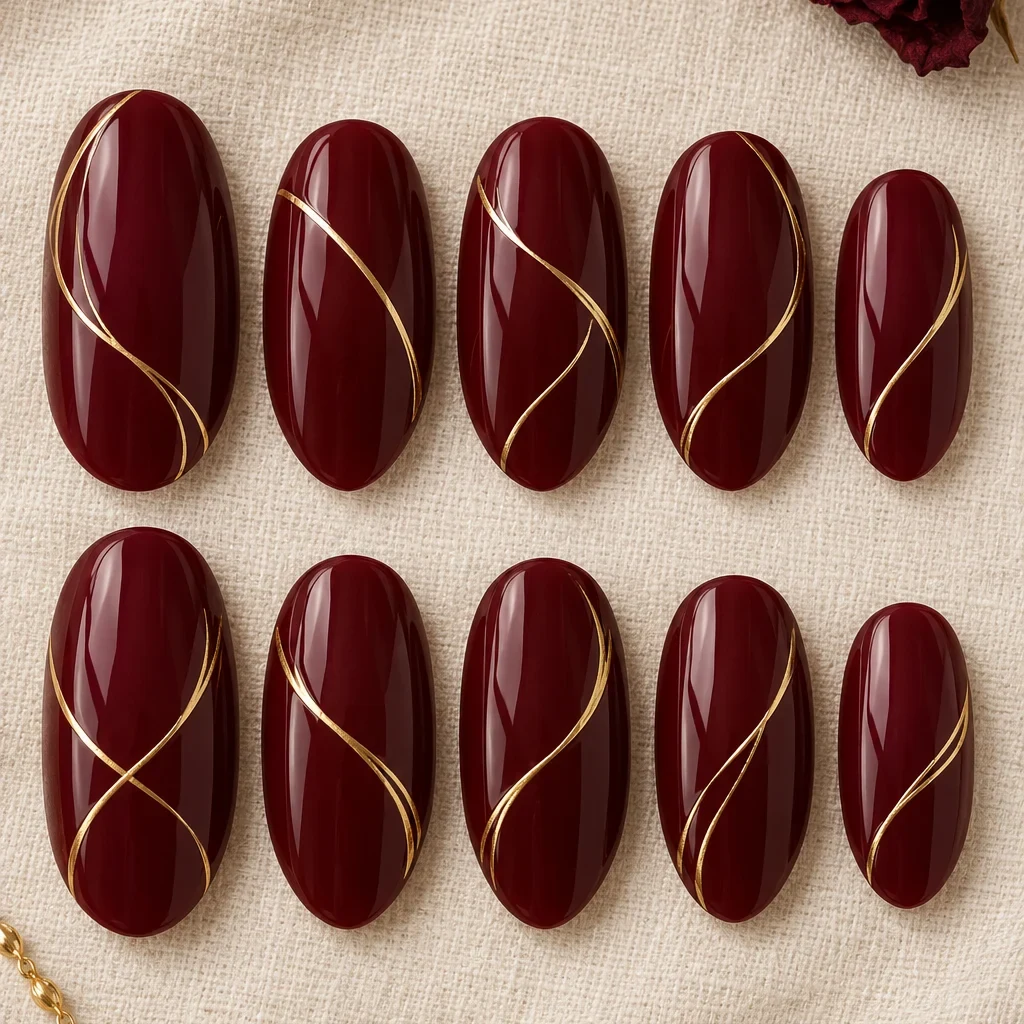
Burgundy Gold Line Nails
What to check
A real product chosen to look like the picture. The picture is a styling reference, not this exact product.
-
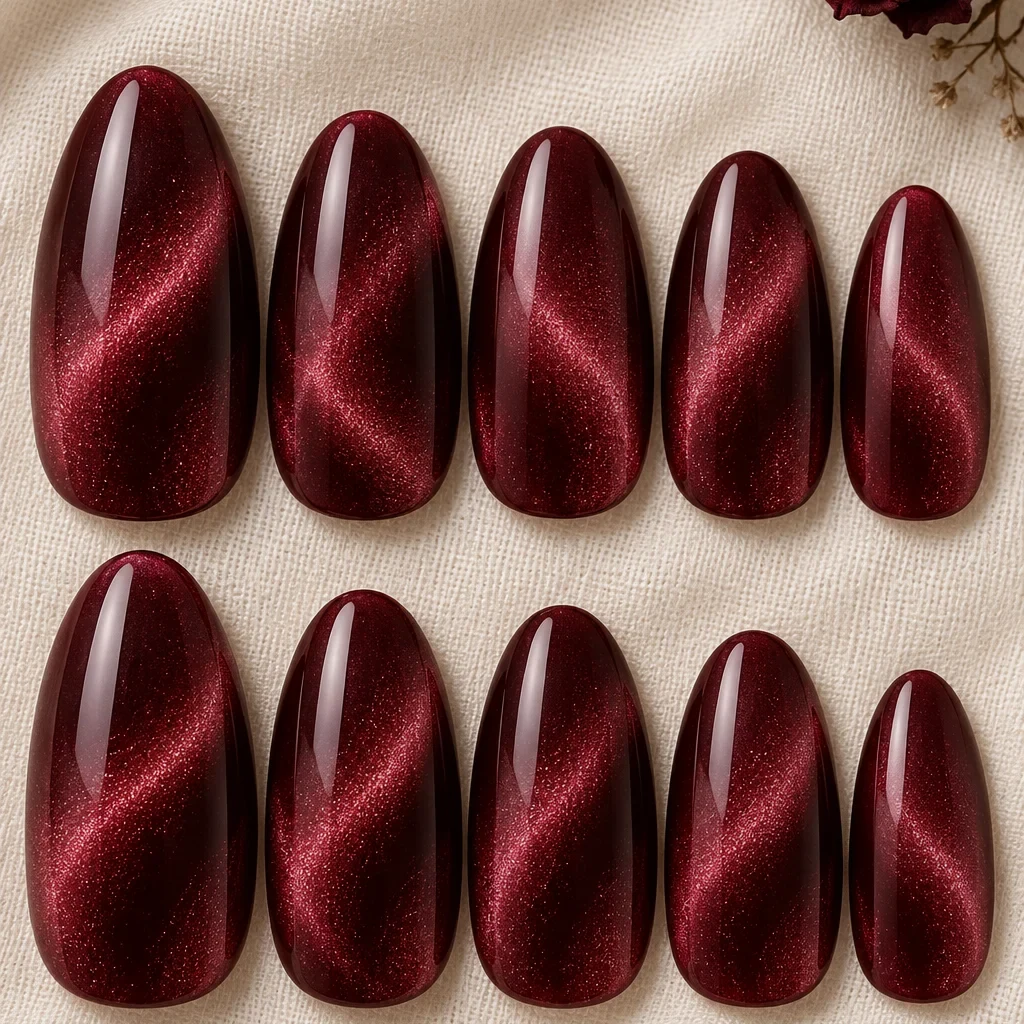
Burgundy Velvet Nails
What to check
A real product chosen to look like the picture. The picture is a styling reference, not this exact product.
-
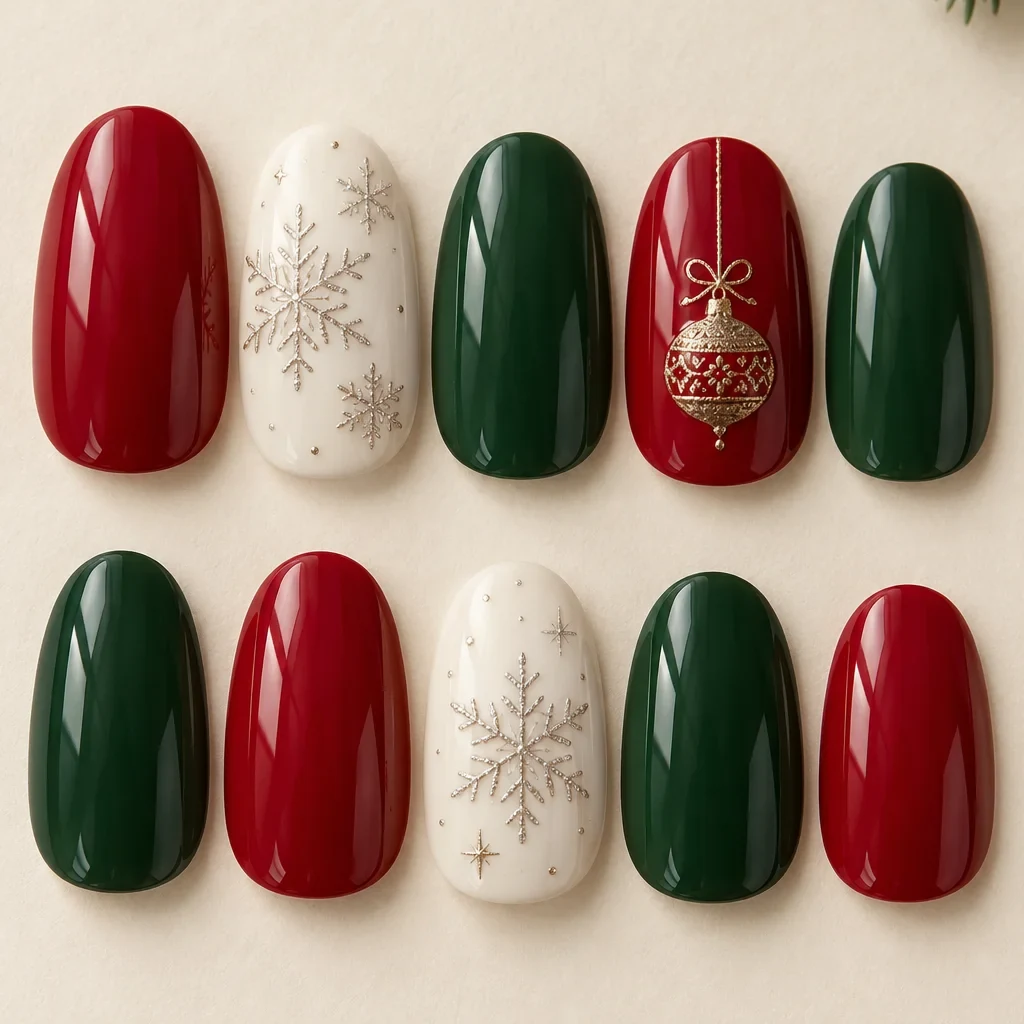
Christmas Nails Short
What to check
A real product chosen to look like the picture. The picture is a styling reference, not this exact product.
-
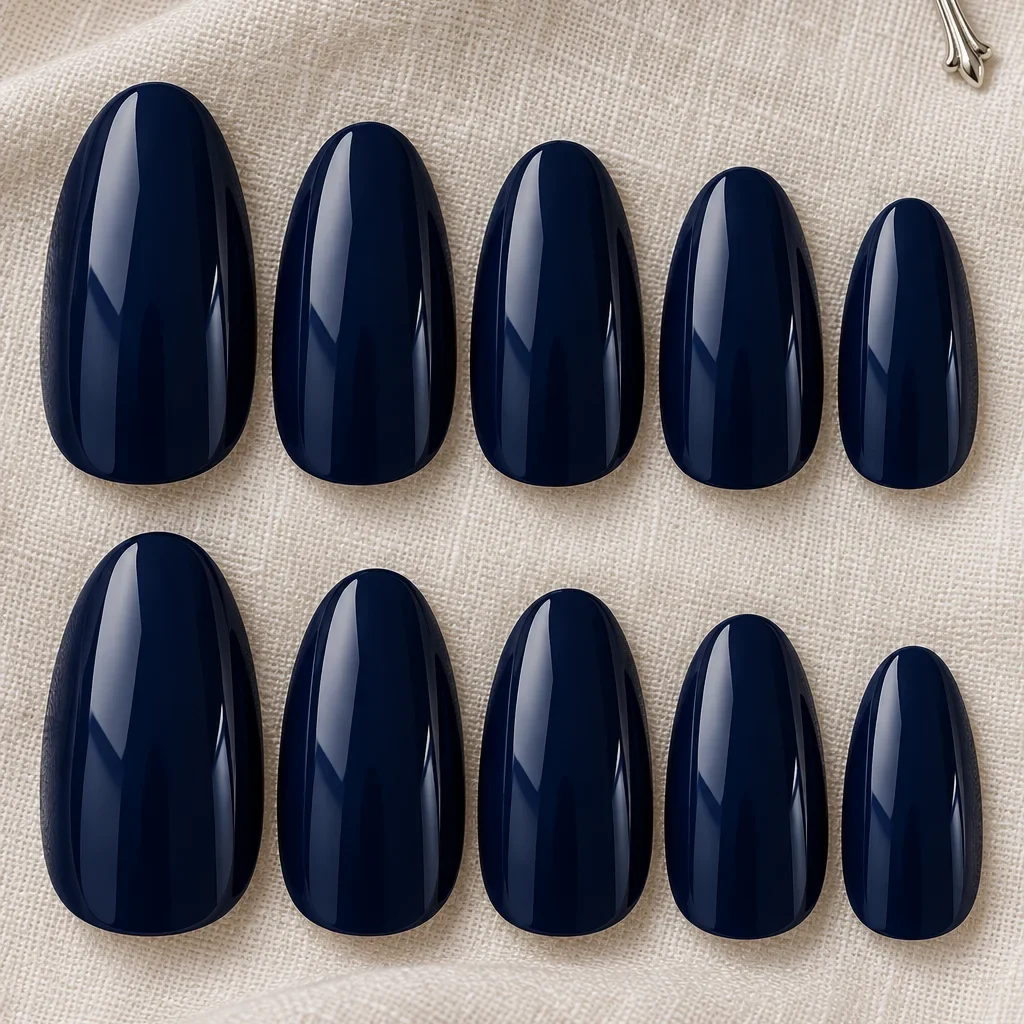
Deep navy
What to check
A real product chosen to look like the picture. The picture is a styling reference, not this exact product.
Show all 16 pieces
-
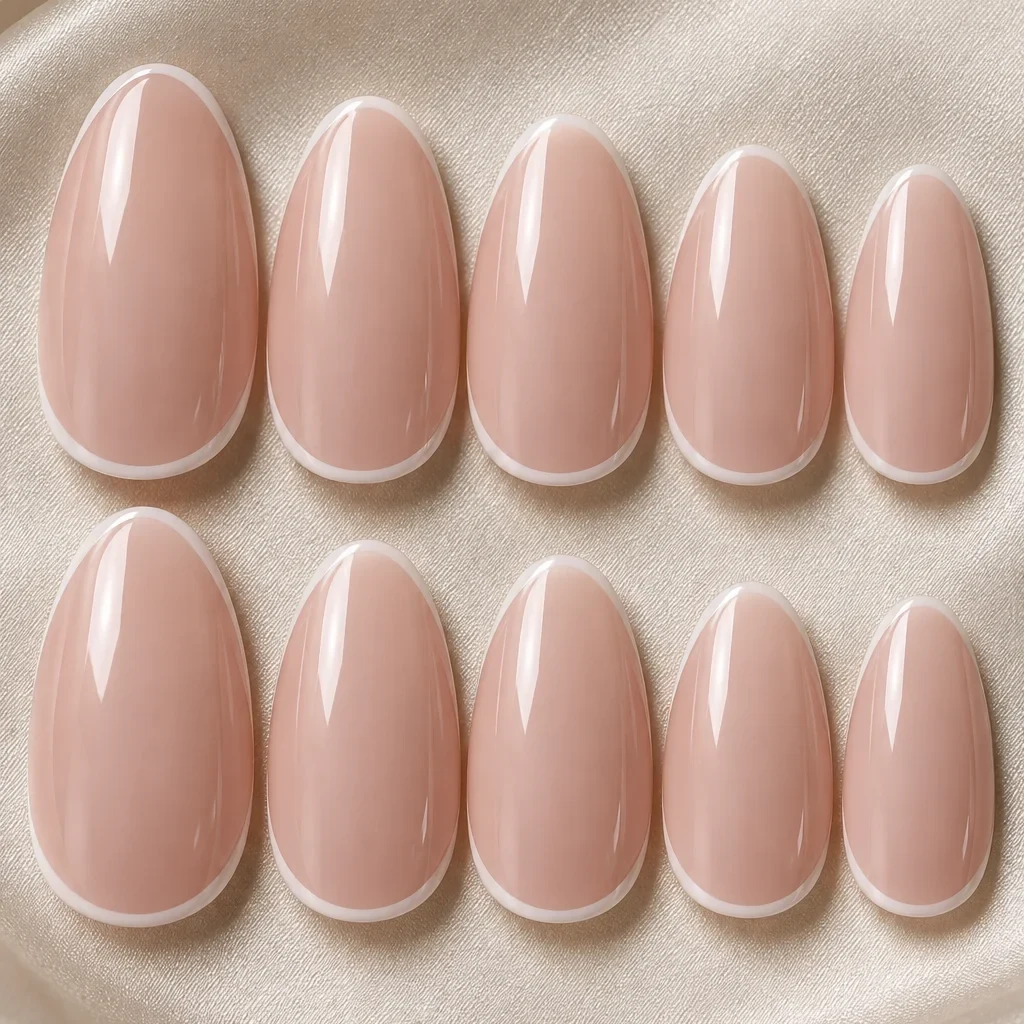
Micro French tips
What to check
A real product chosen to look like the picture. The picture is a styling reference, not this exact product.
-
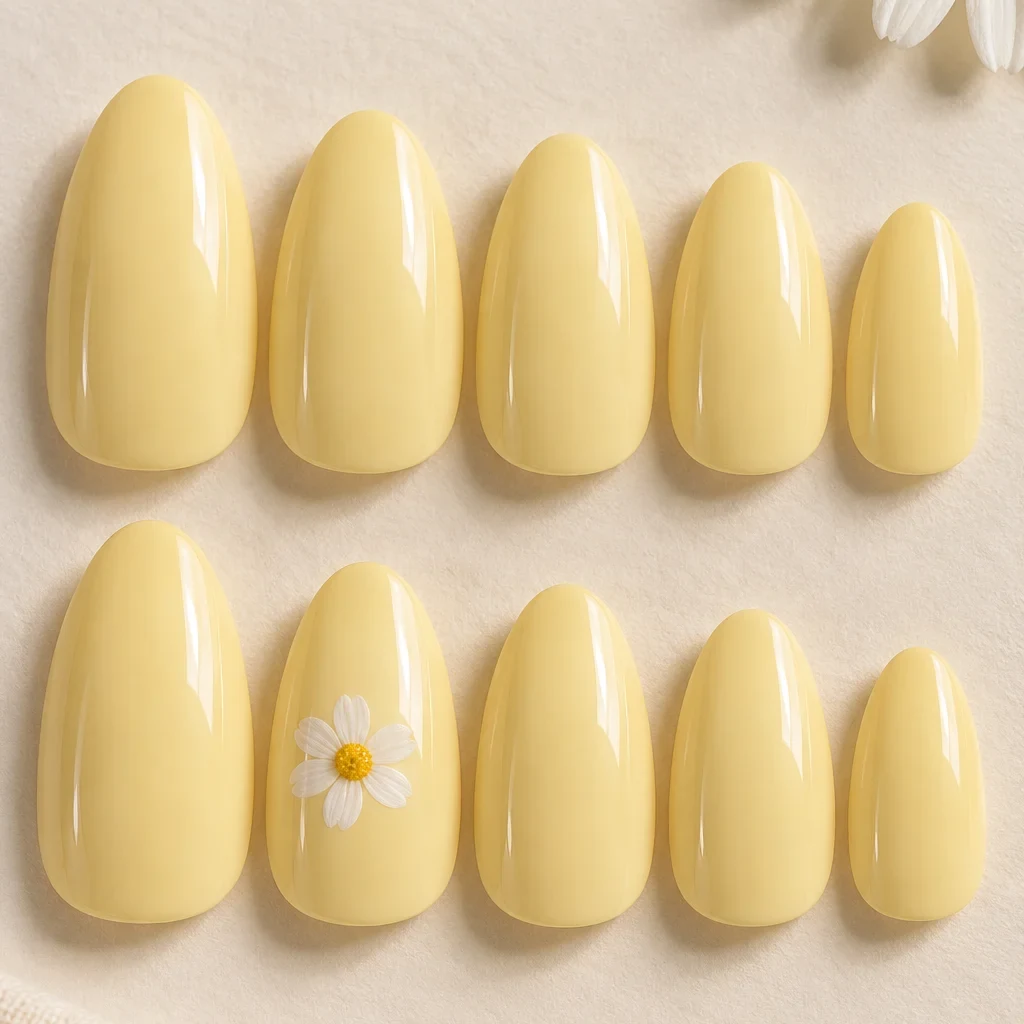
Single daisy accent
What to check
A real product chosen to look like the picture. The picture is a styling reference, not this exact product.
-
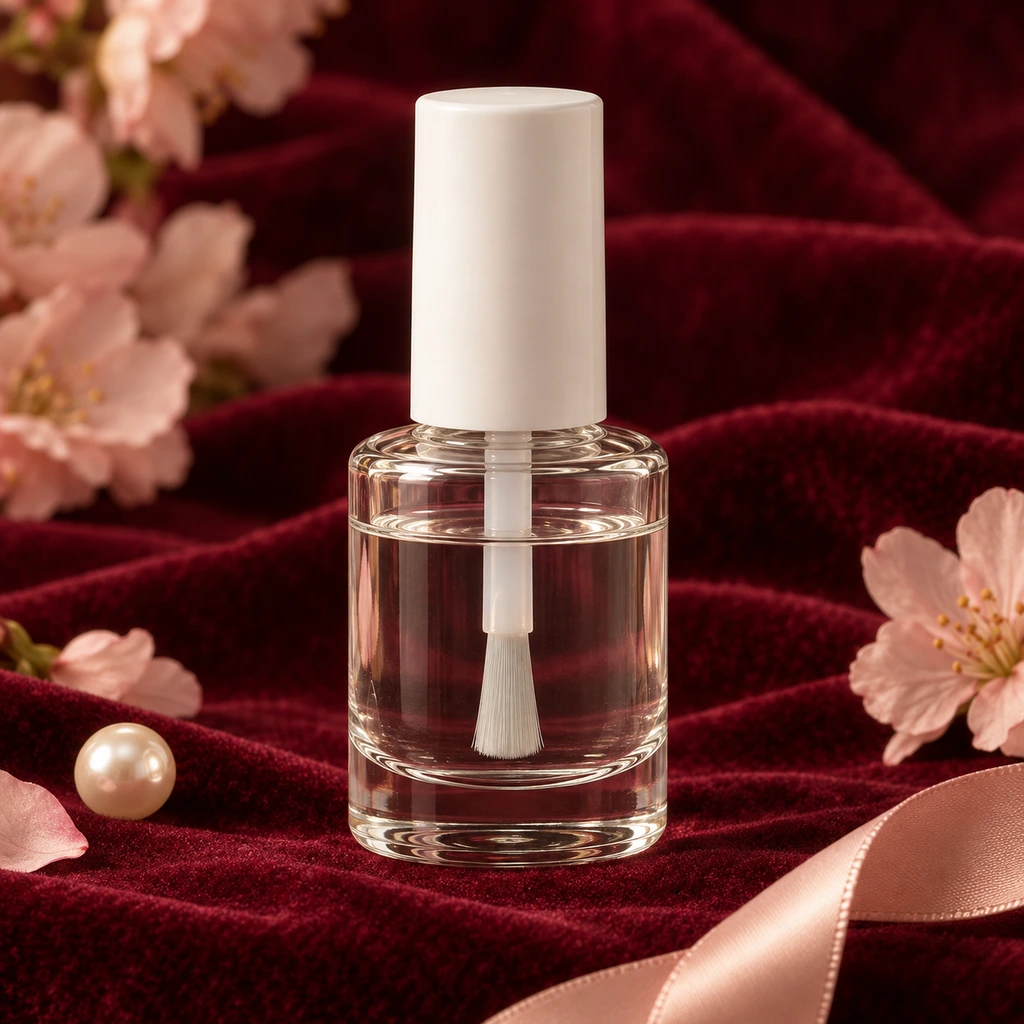
Base coat
What to check
A real product chosen to look like the picture. The picture is a styling reference, not this exact product.
-
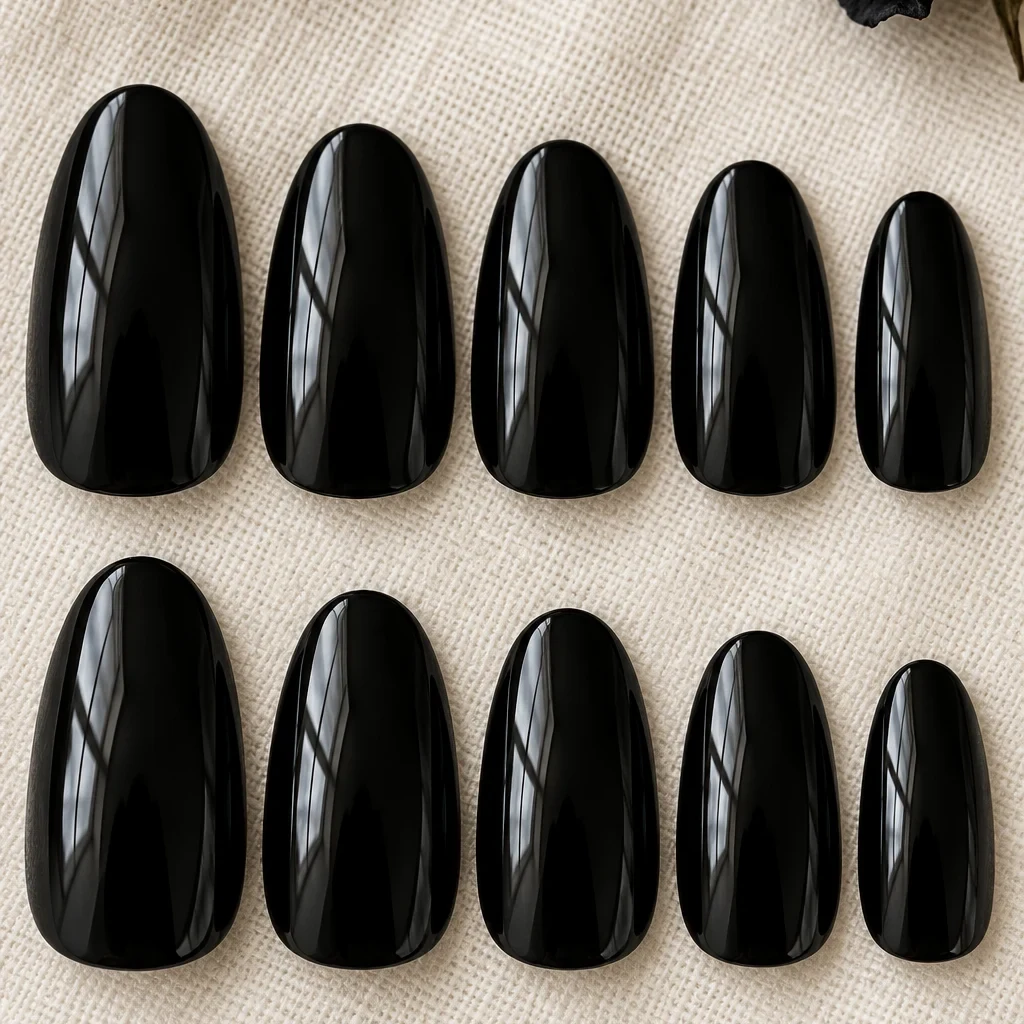
Black Almond Nails
What to check
A real product chosen to look like the picture. The picture is a styling reference, not this exact product.
-
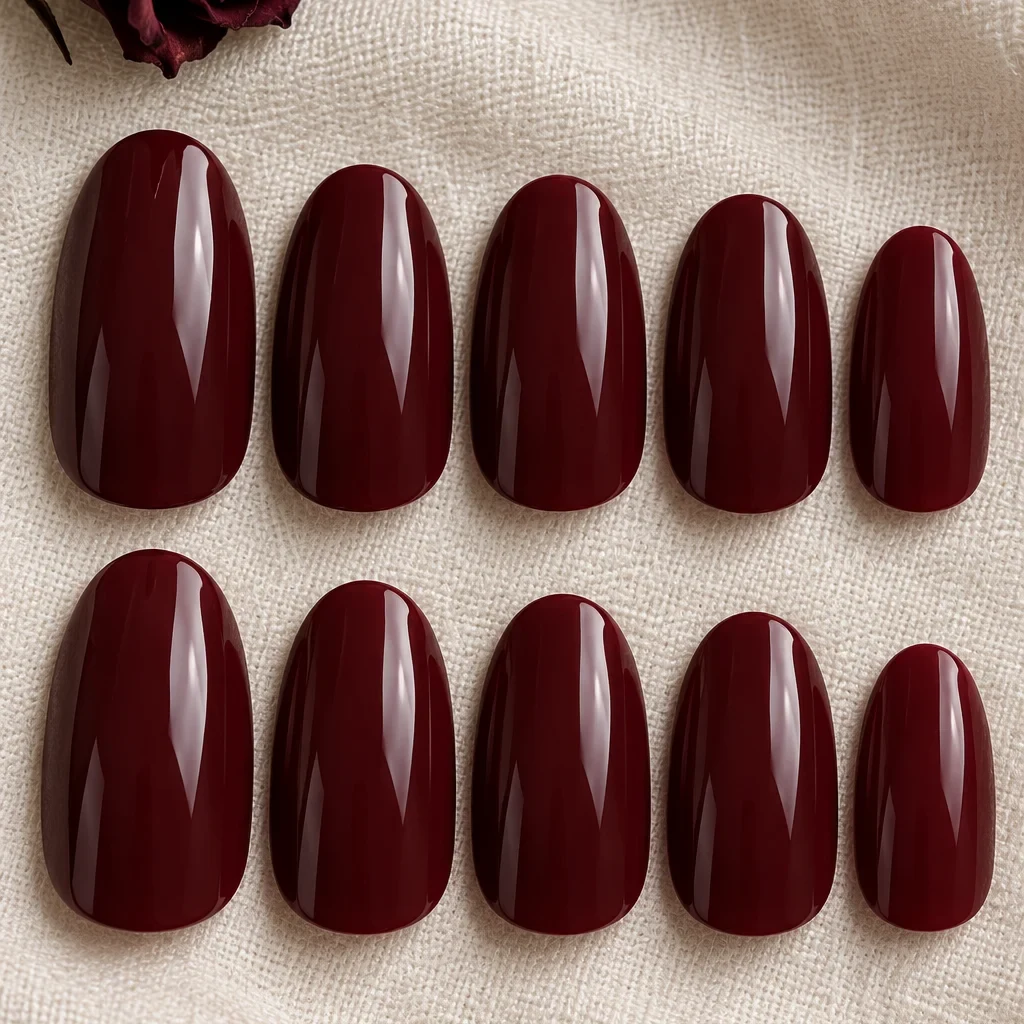
Burgundy
What to check
A real product chosen to look like the picture. The picture is a styling reference, not this exact product.
-
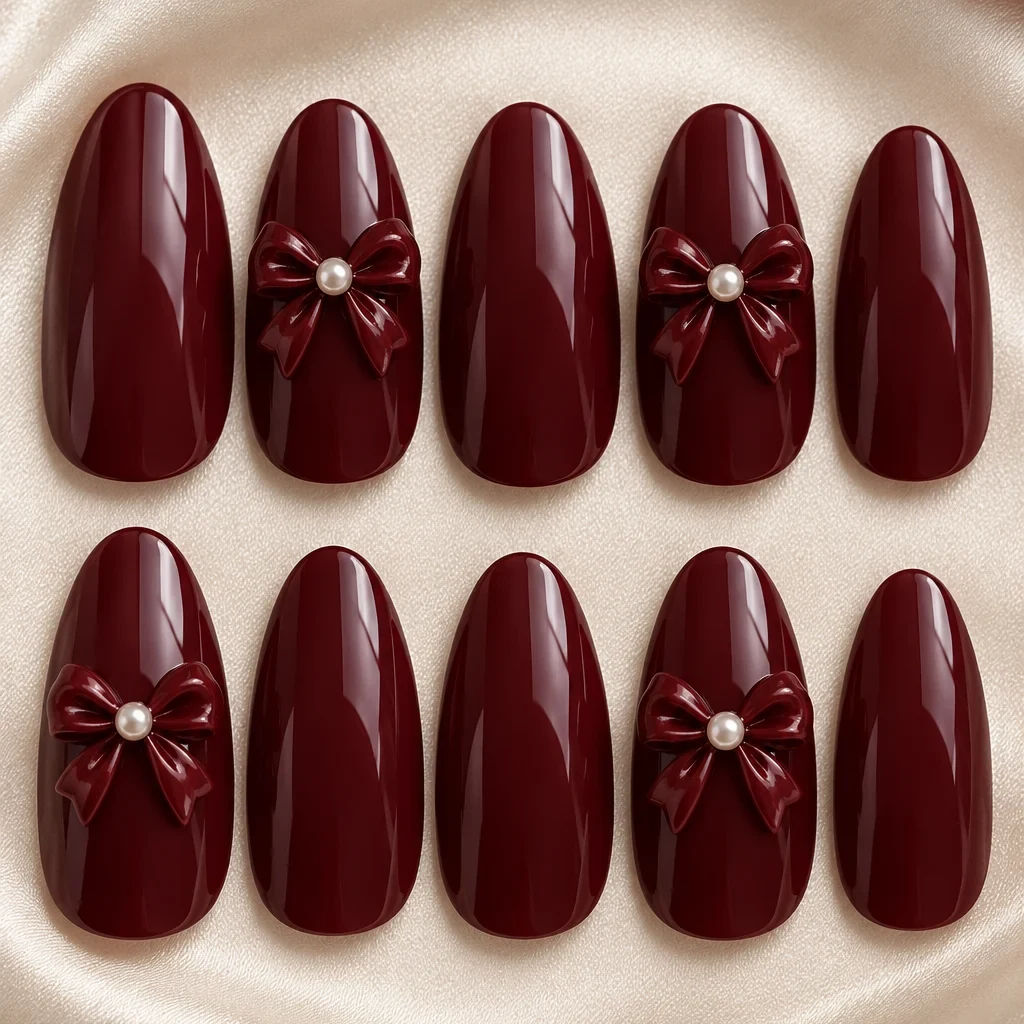
Burgundy Bow Nails
What to check
A real product chosen to look like the picture. The picture is a styling reference, not this exact product.
-
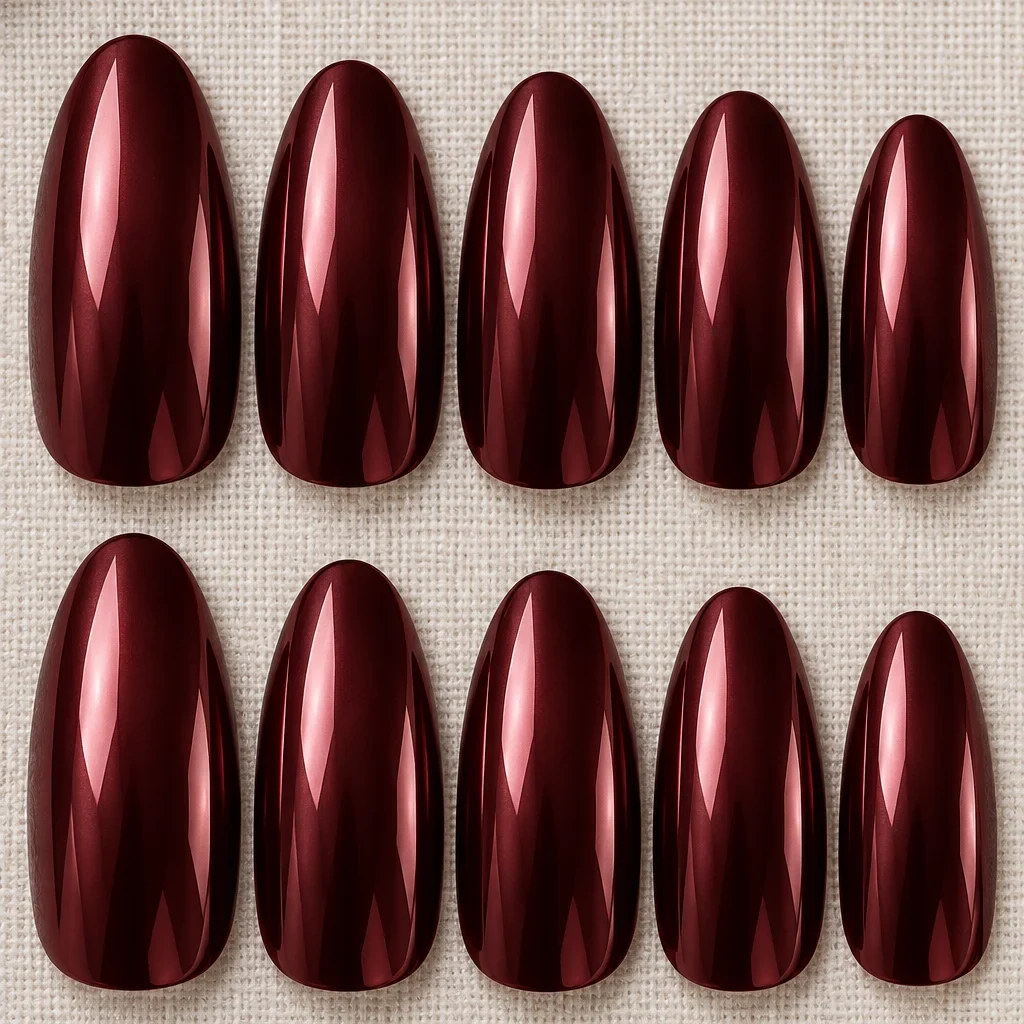
Burgundy Chrome Nails
What to check
A real product chosen to look like the picture. The picture is a styling reference, not this exact product.
-
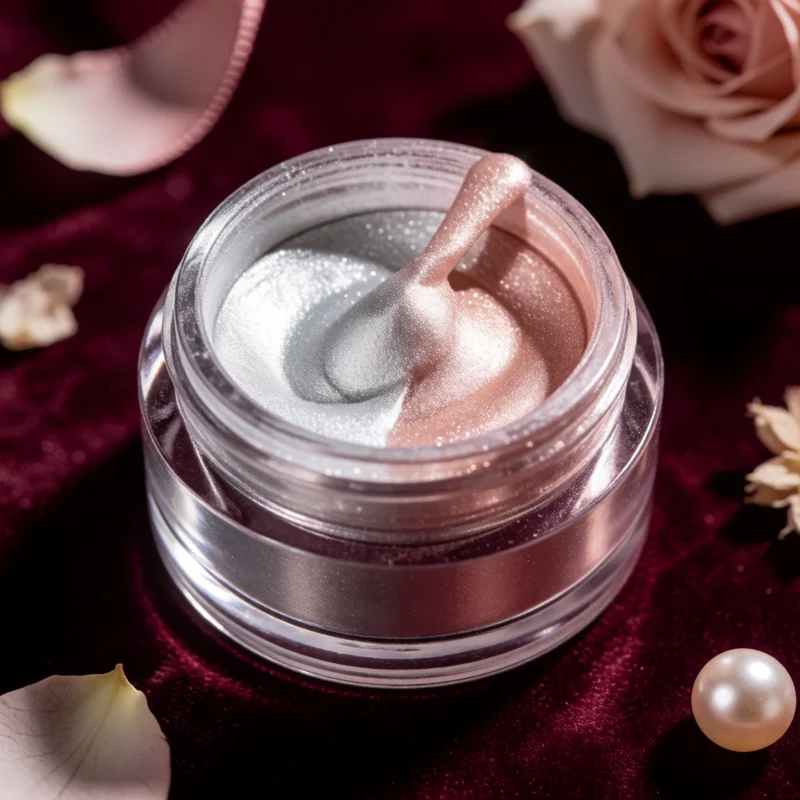
Chrome nail powder
What to check
A real product chosen to look like the picture. The picture is a styling reference, not this exact product.
The gallery
32 short & almond looks
Open a look to see its pieces.
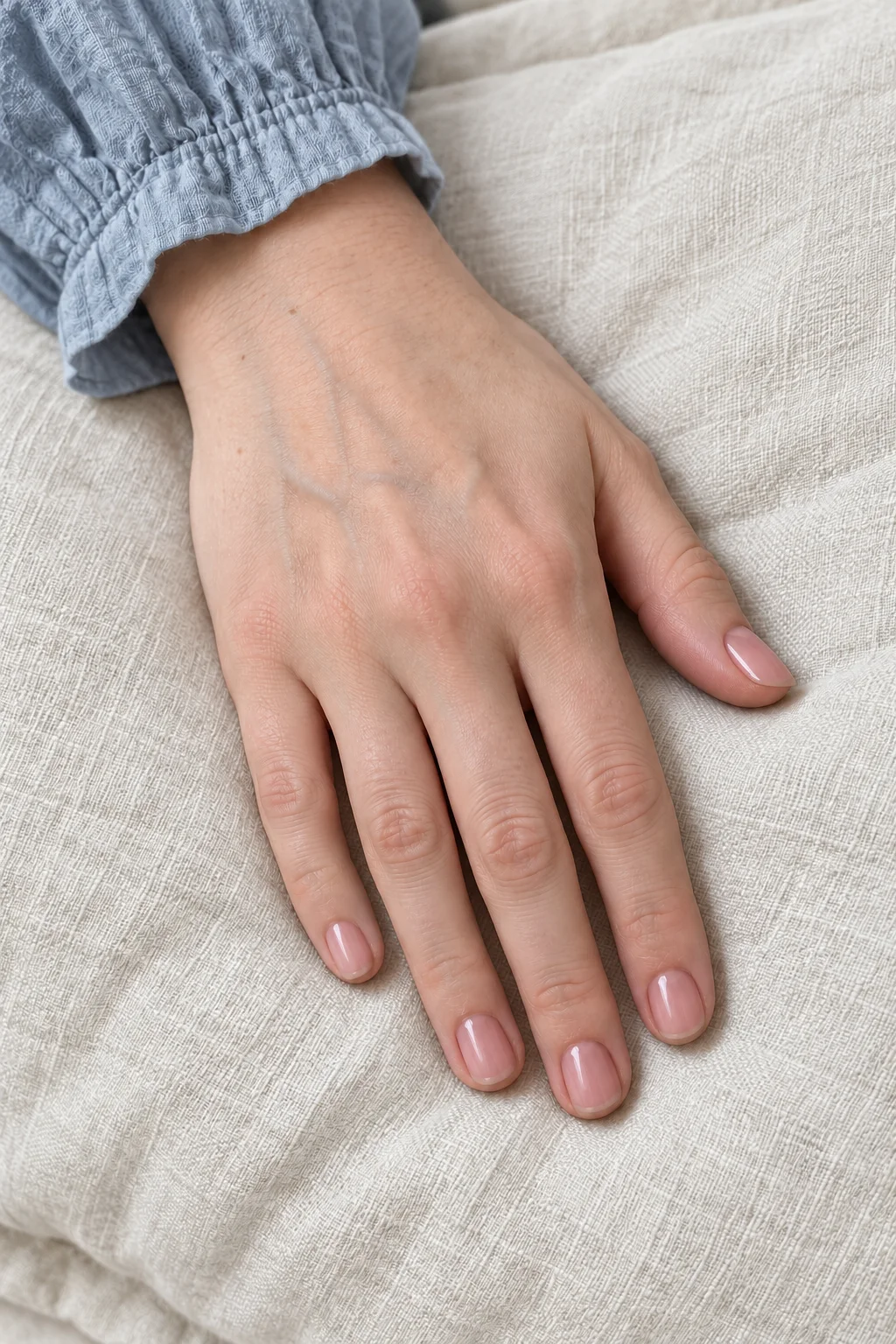 Rosy nude
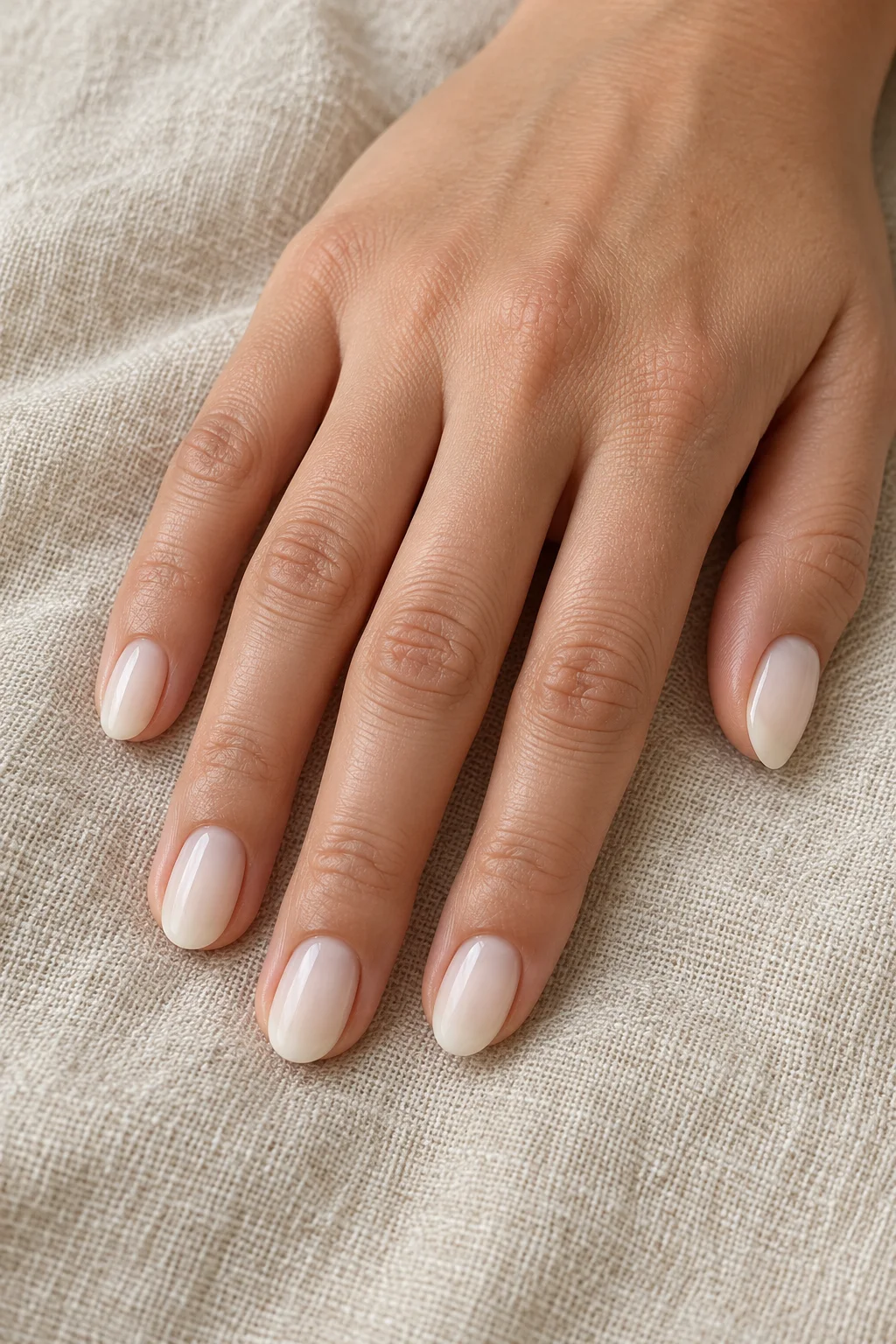 Milky ivory
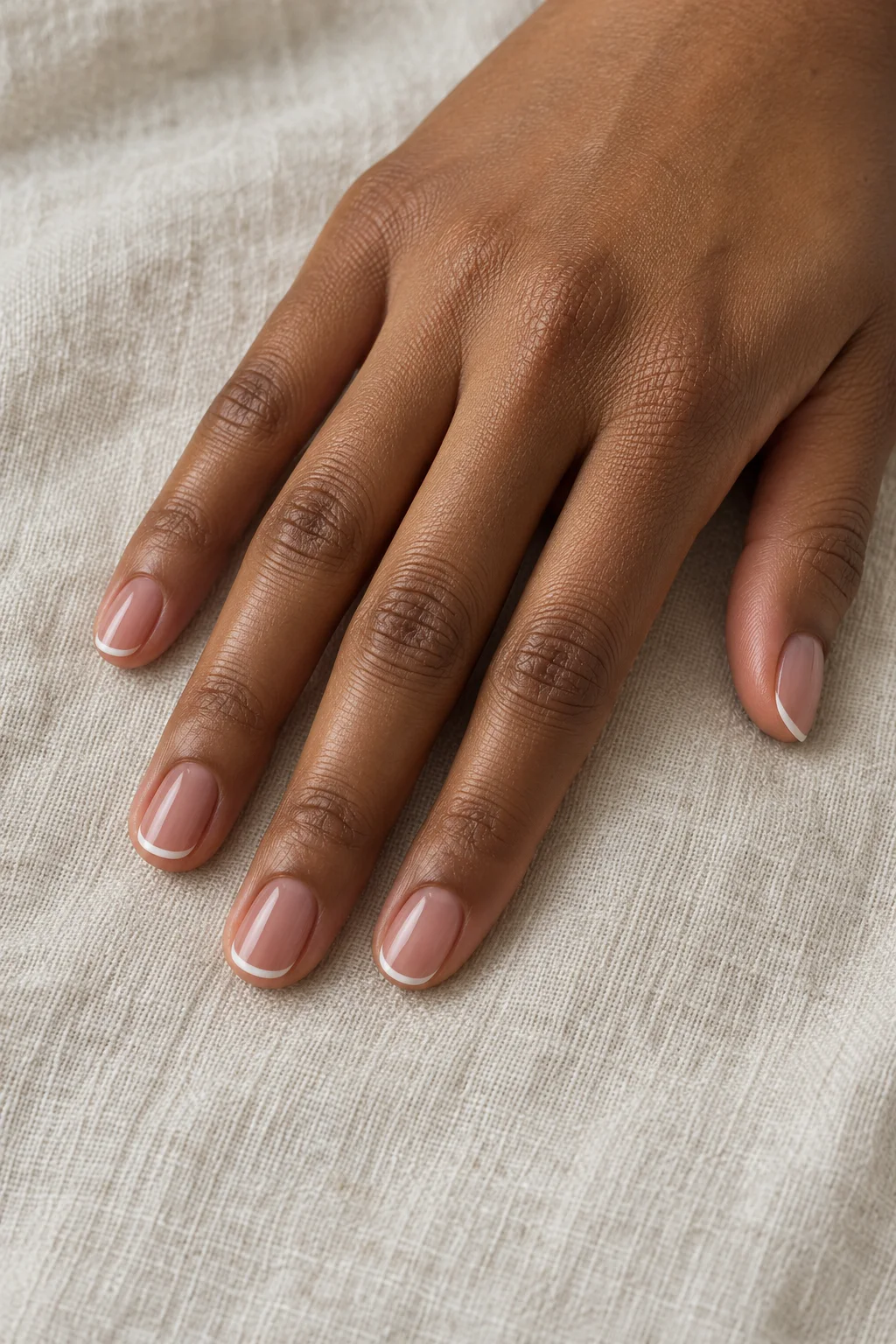 Micro French tips
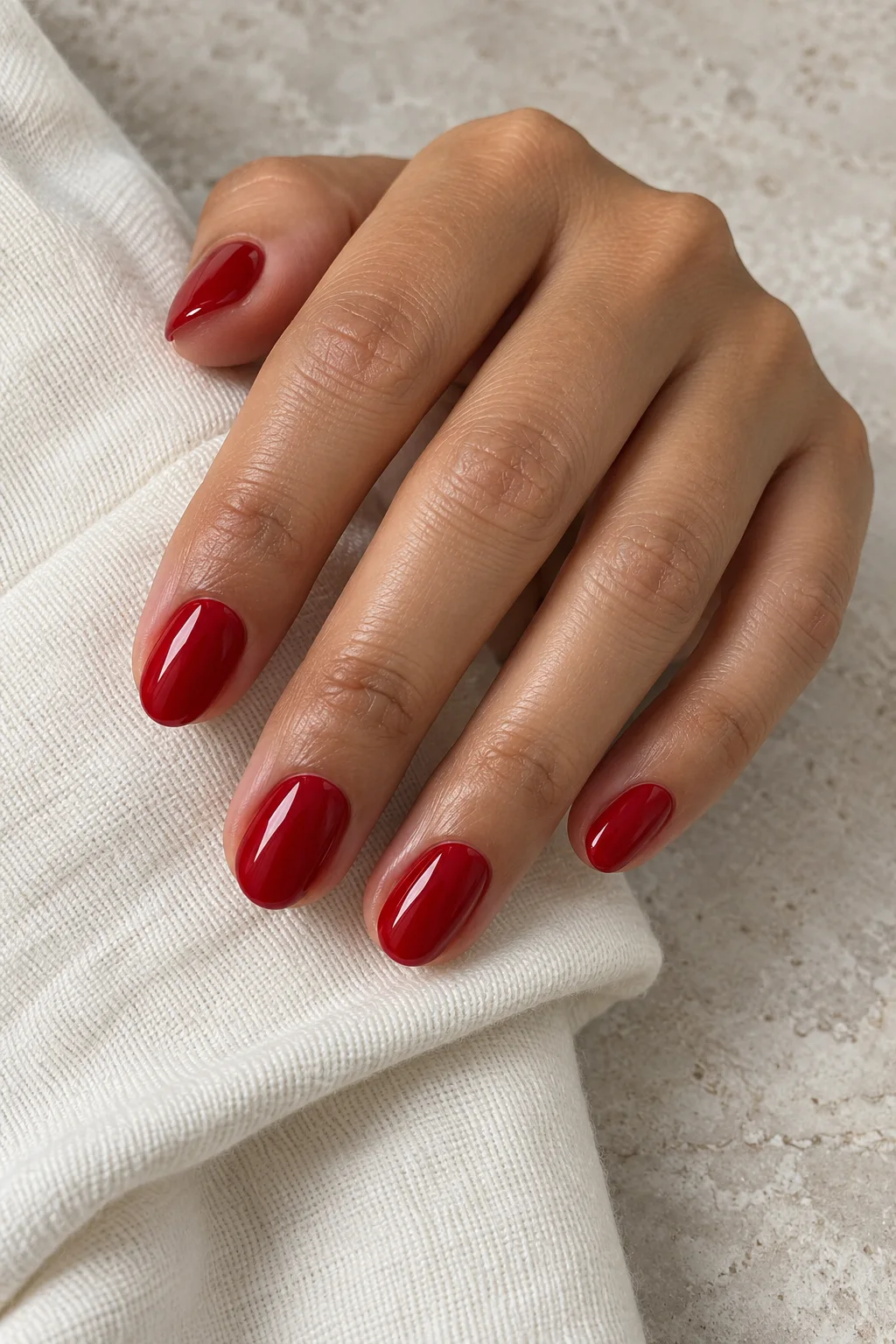 Cherry red
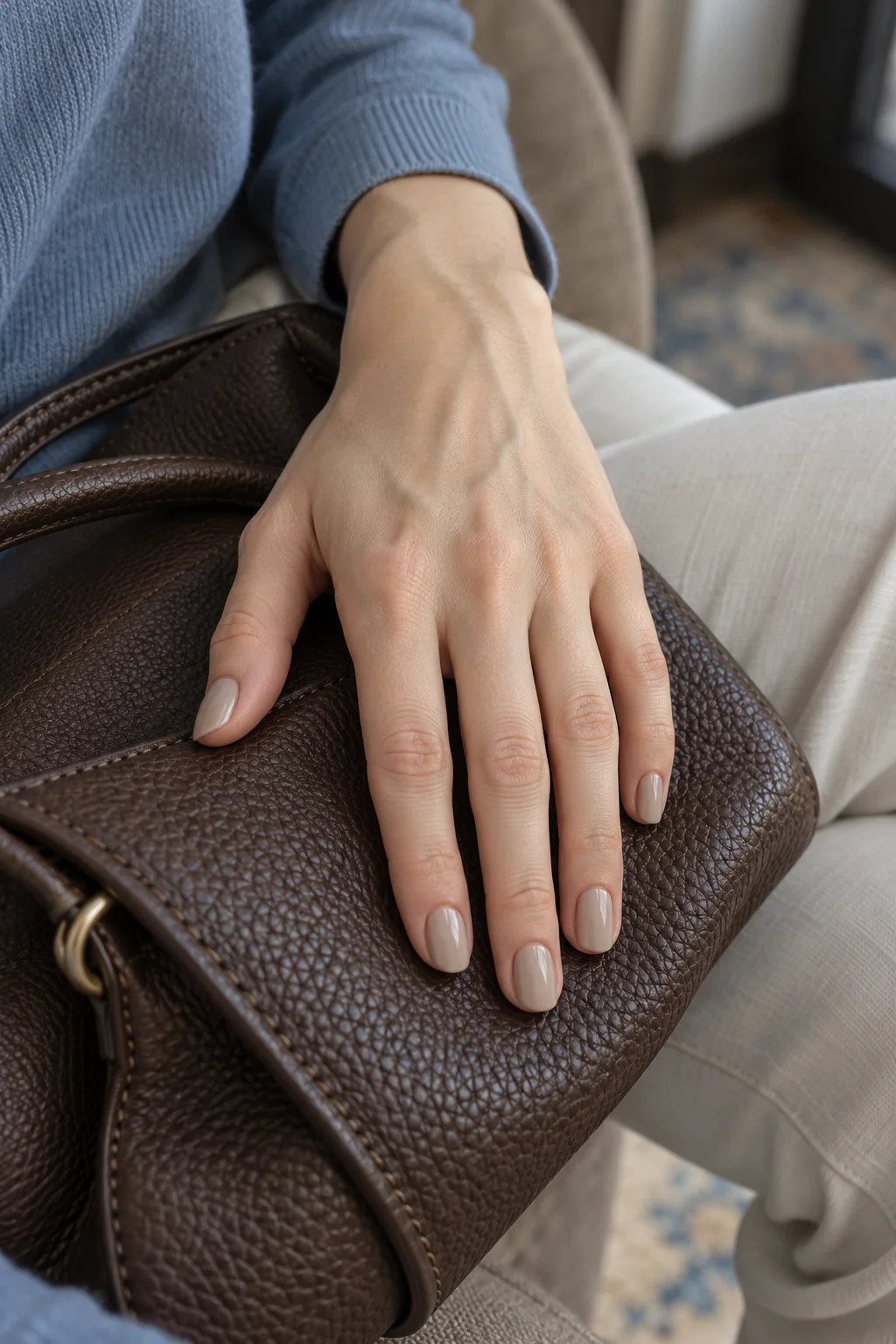 Latte beige
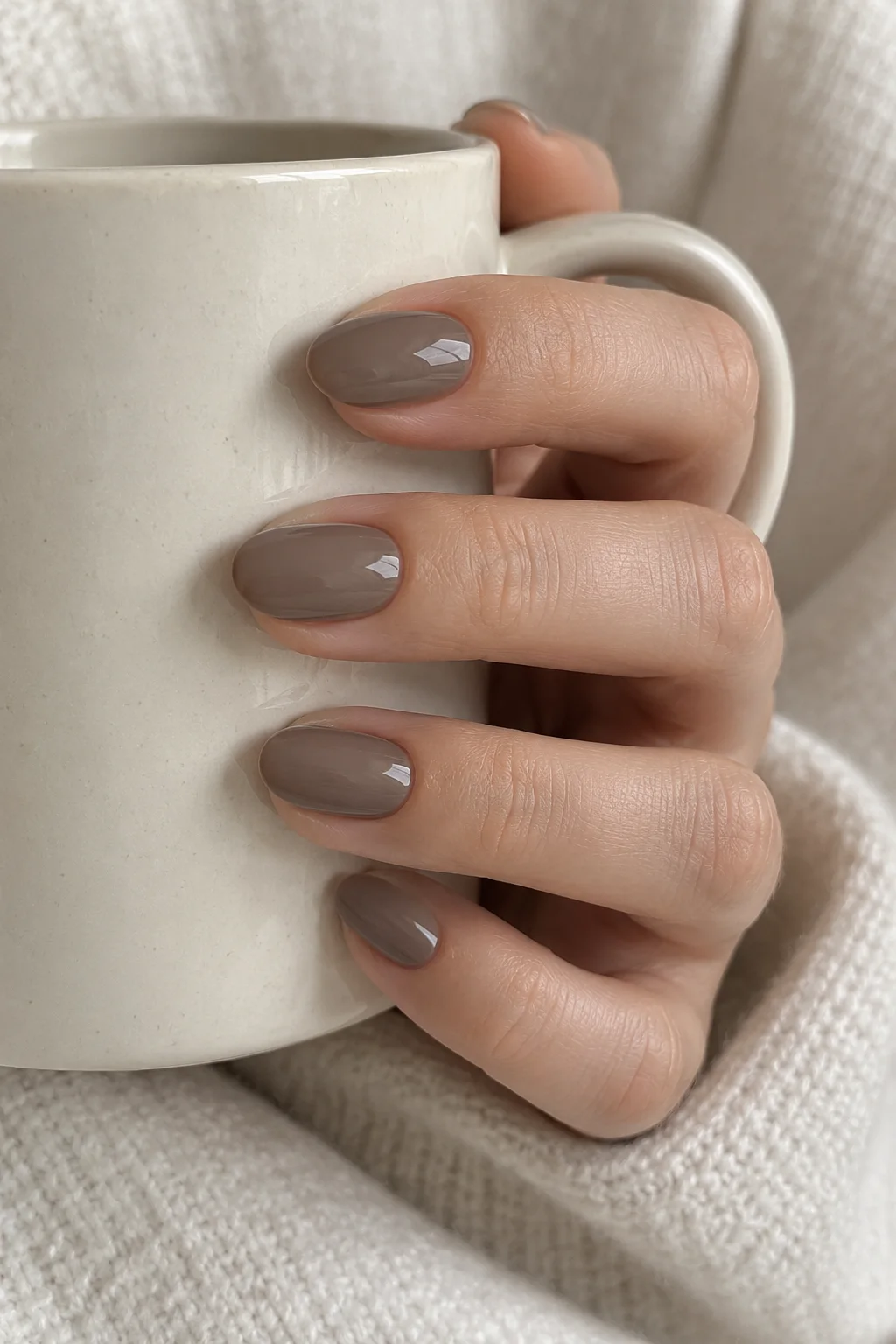 Cool taupe
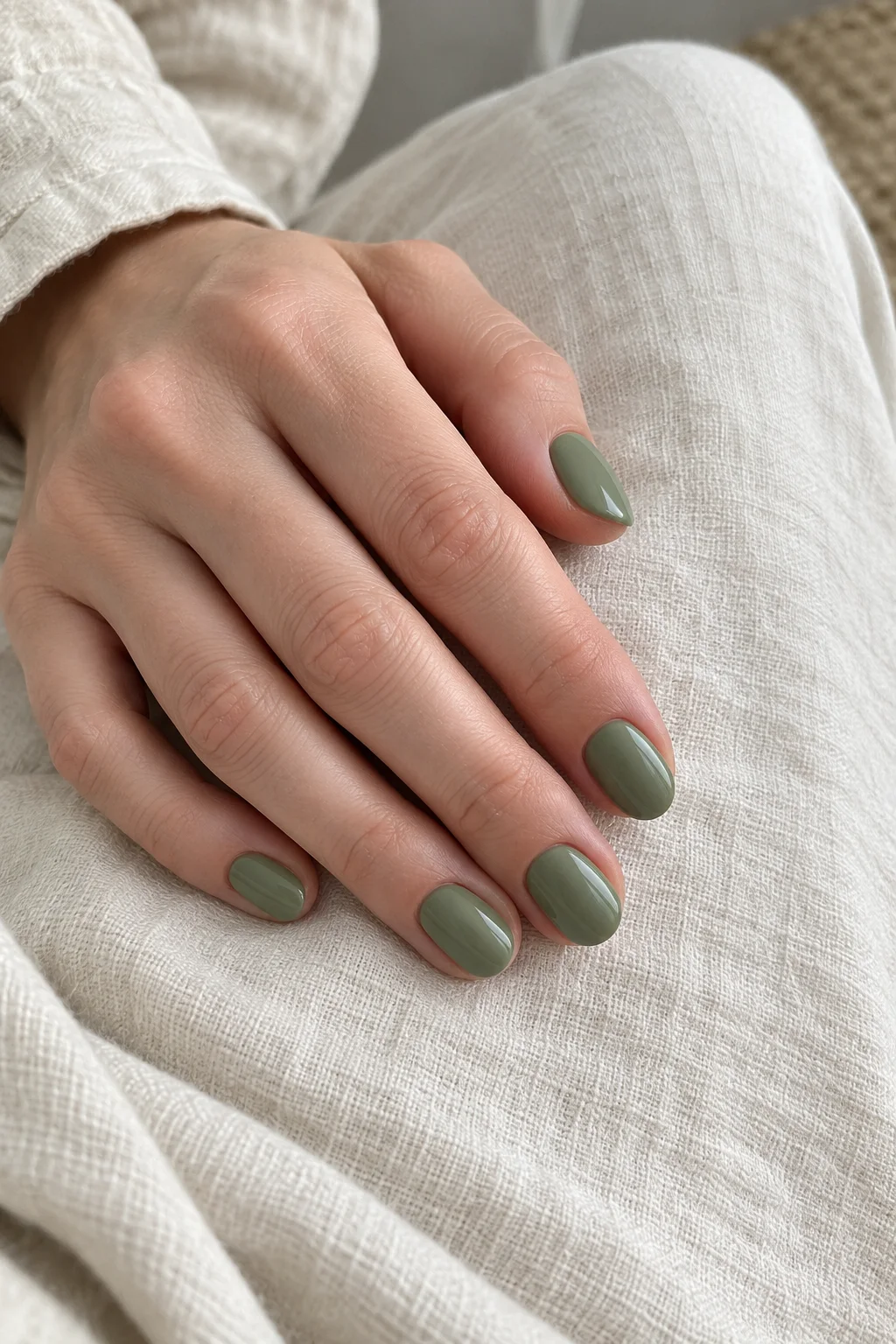 Sage green
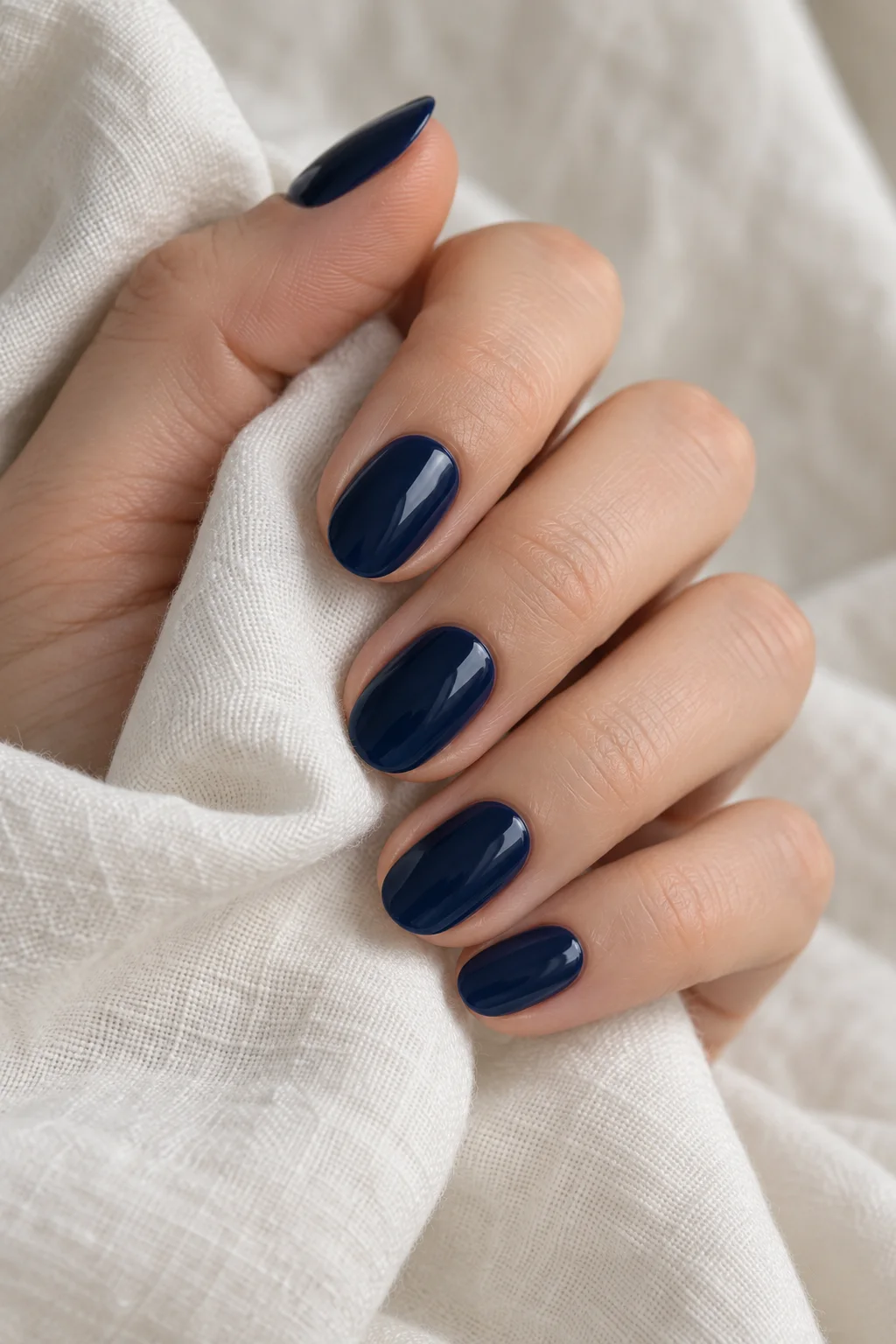 Deep navy
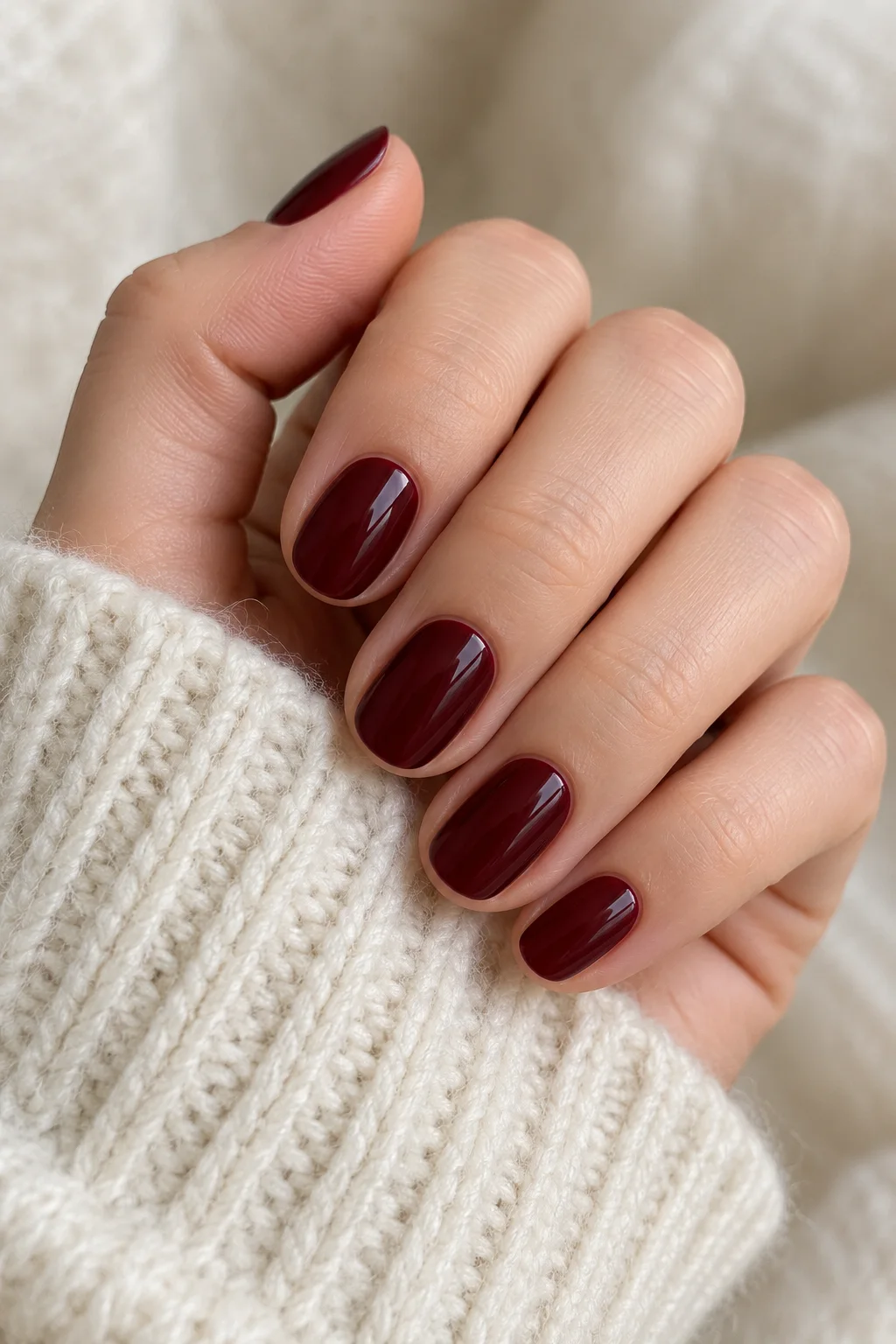 Burgundy
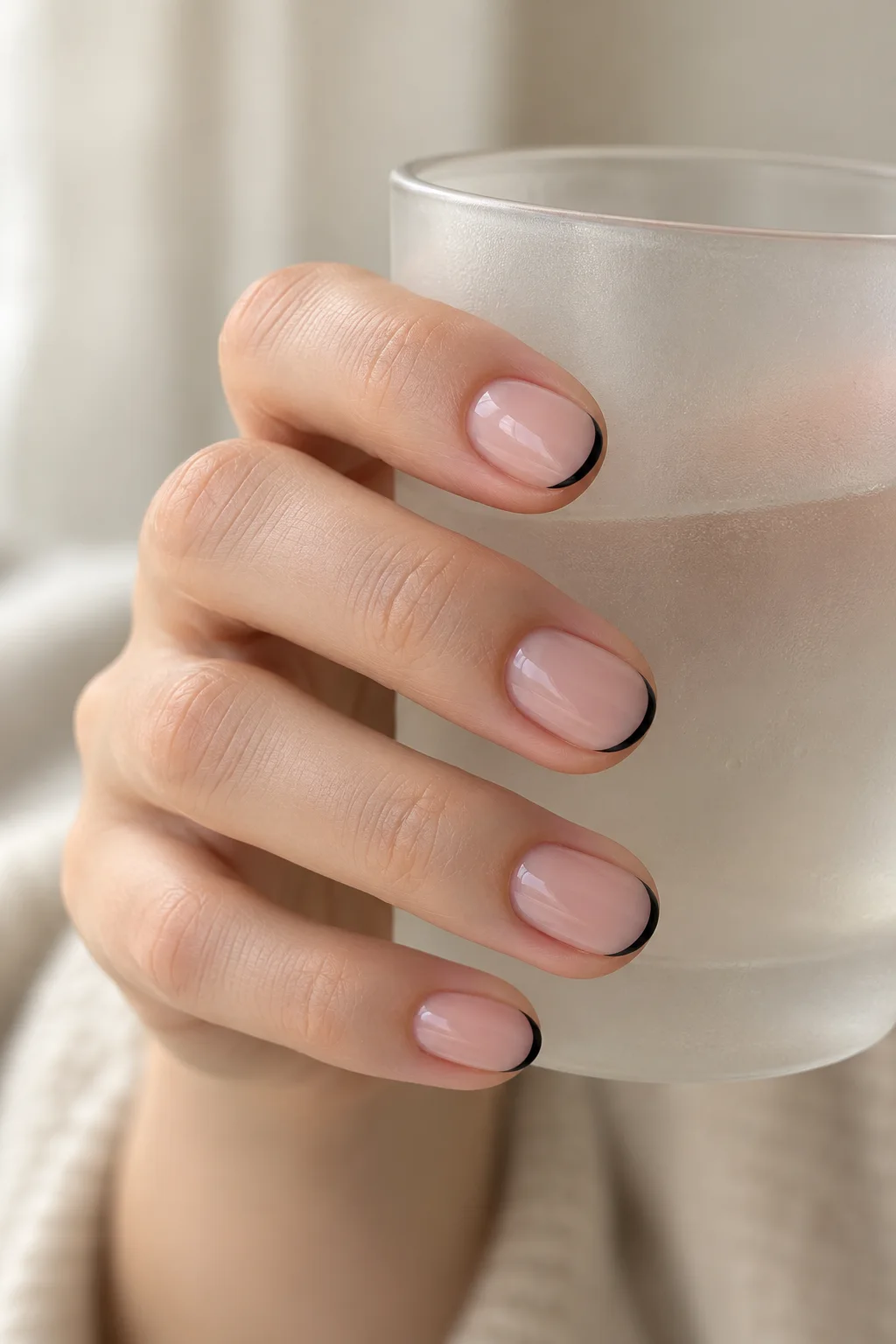 Black French edges
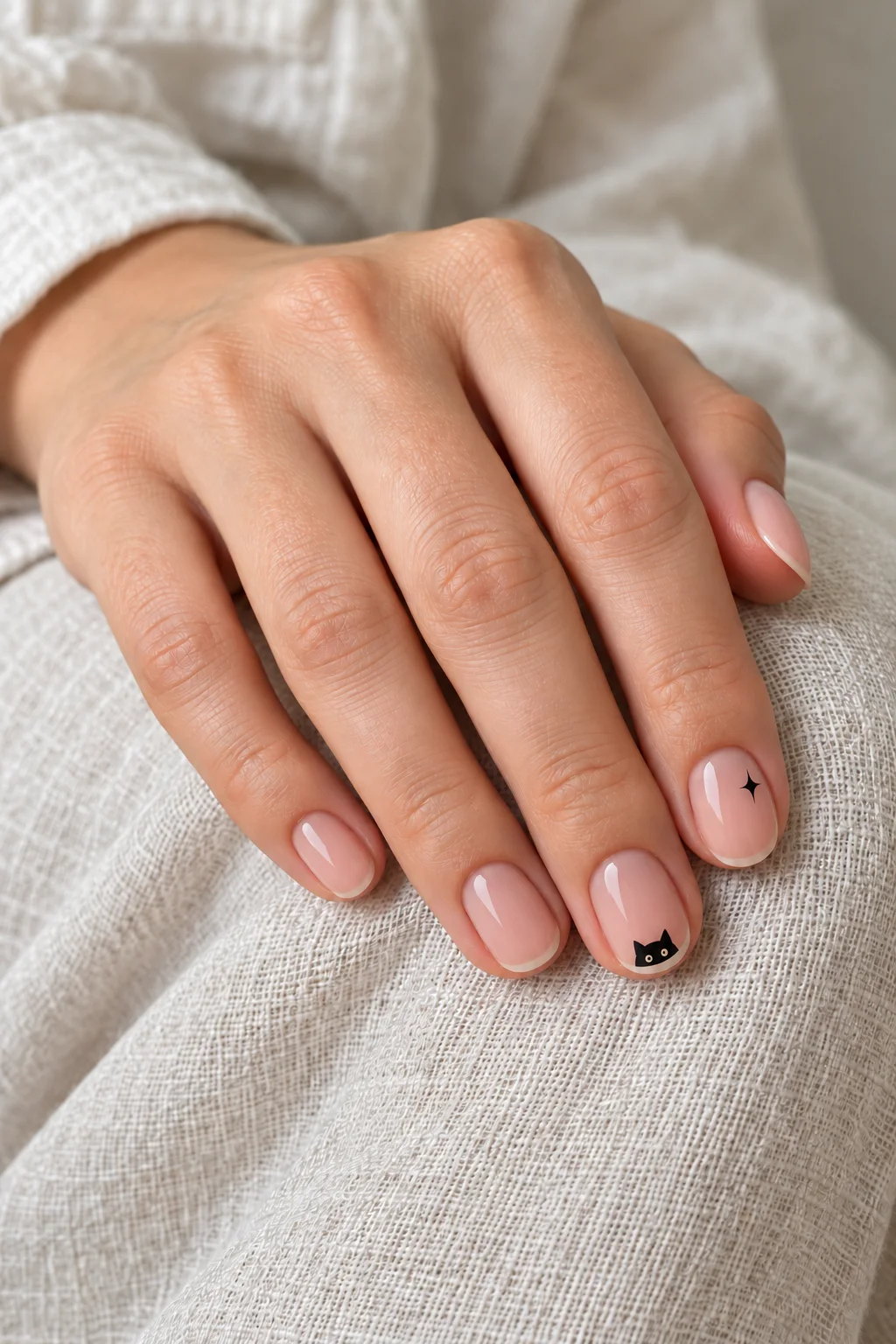 Tiny anime-inspired cat accent
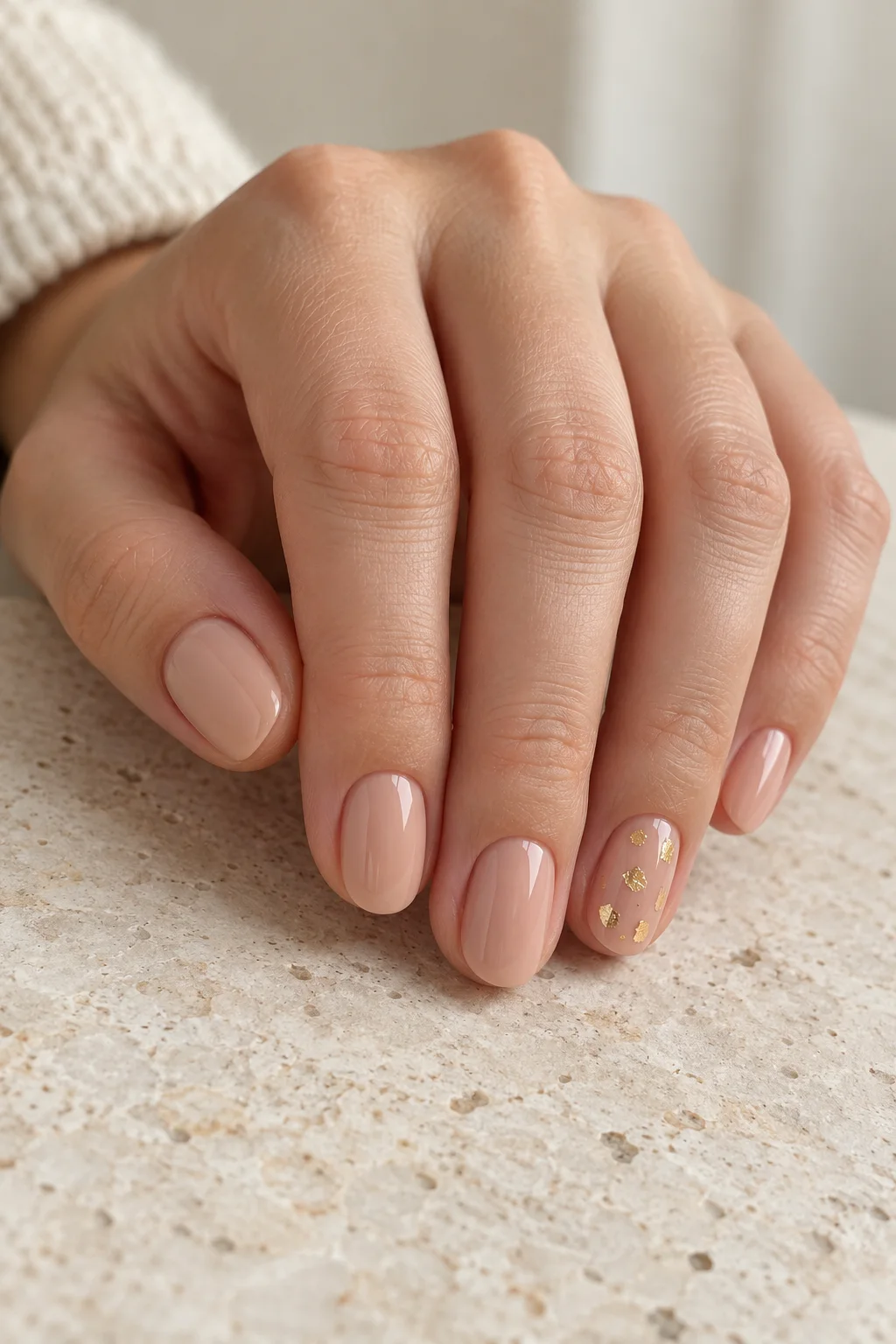 Gold foil accent
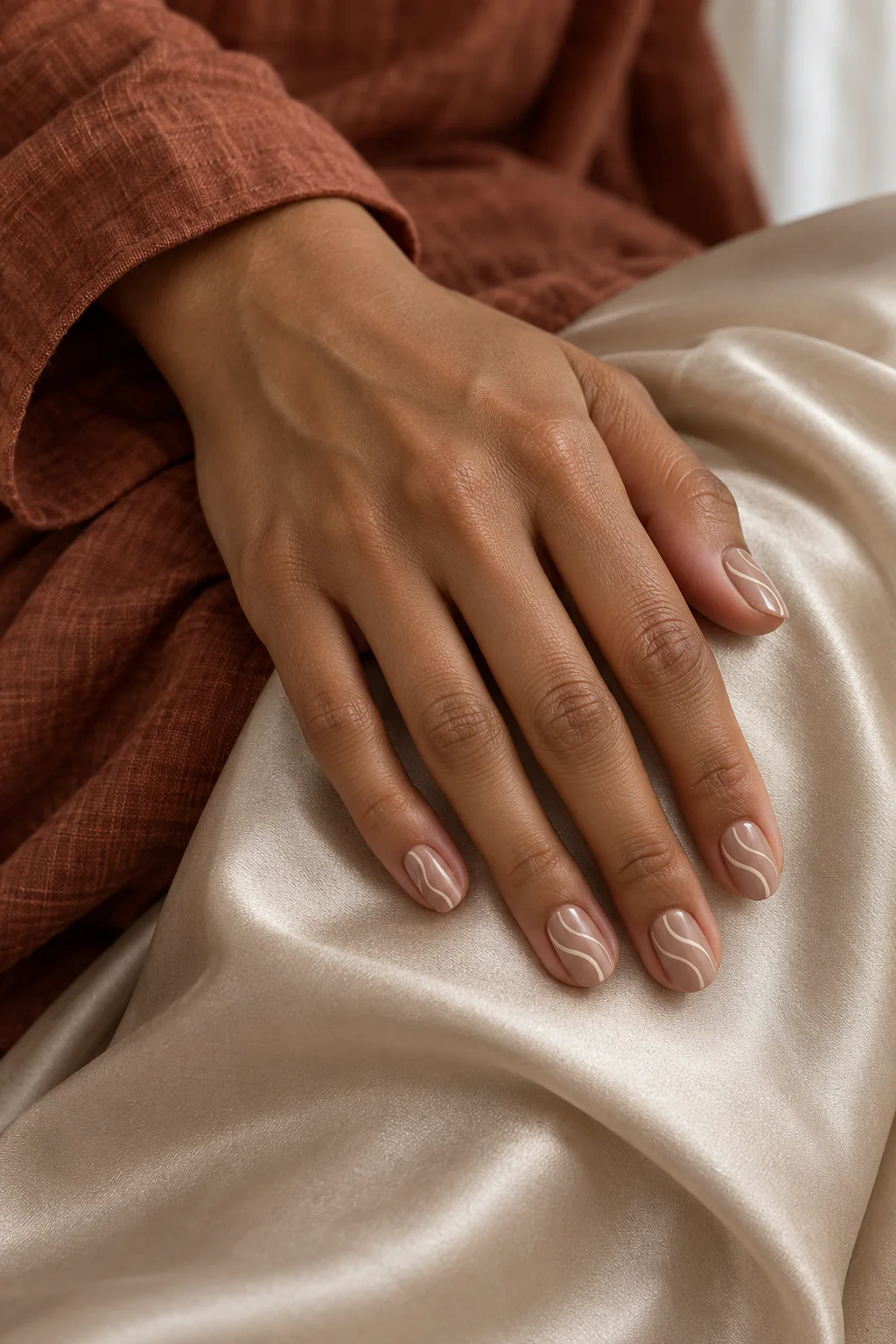 Cream swirls
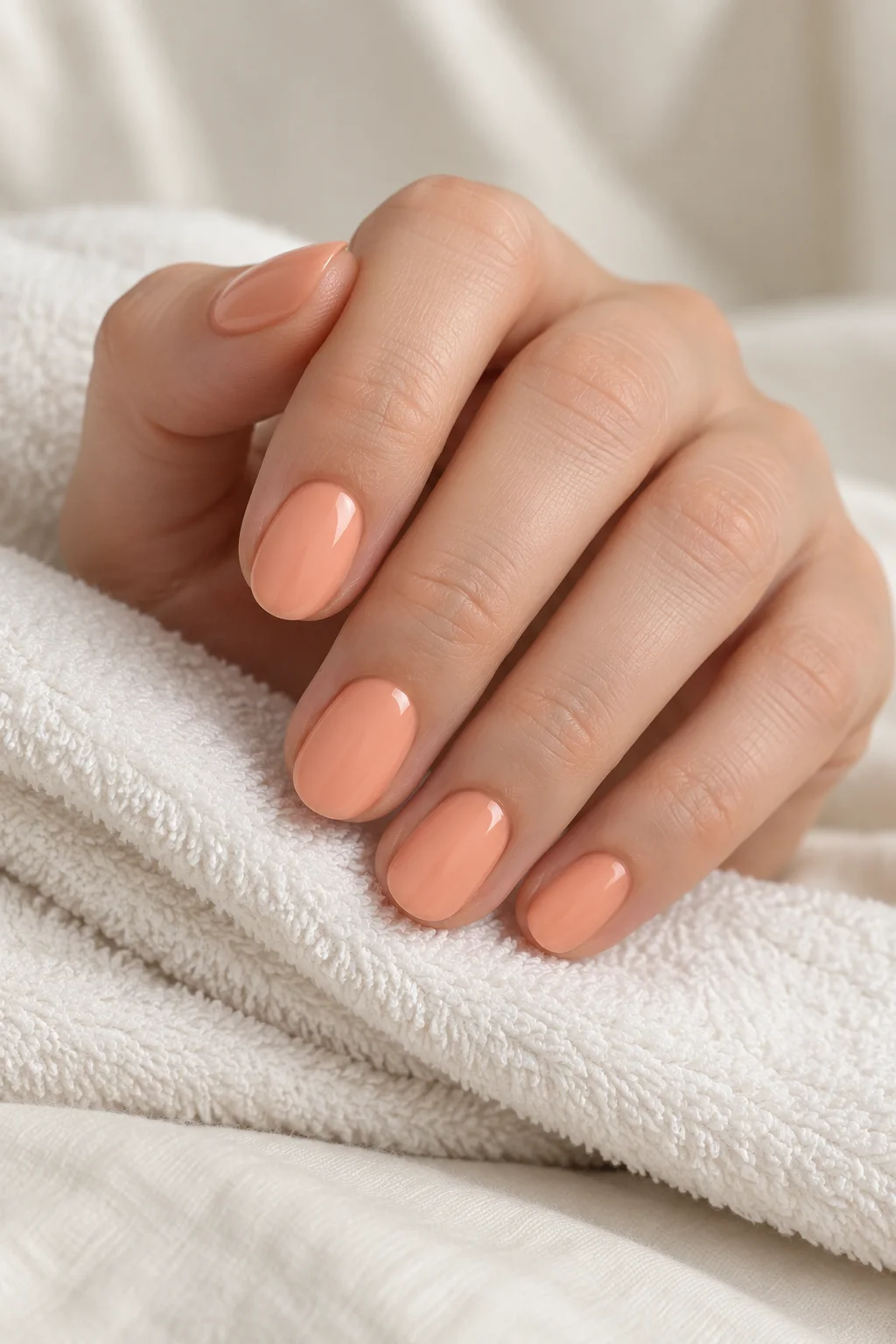 Soft peach
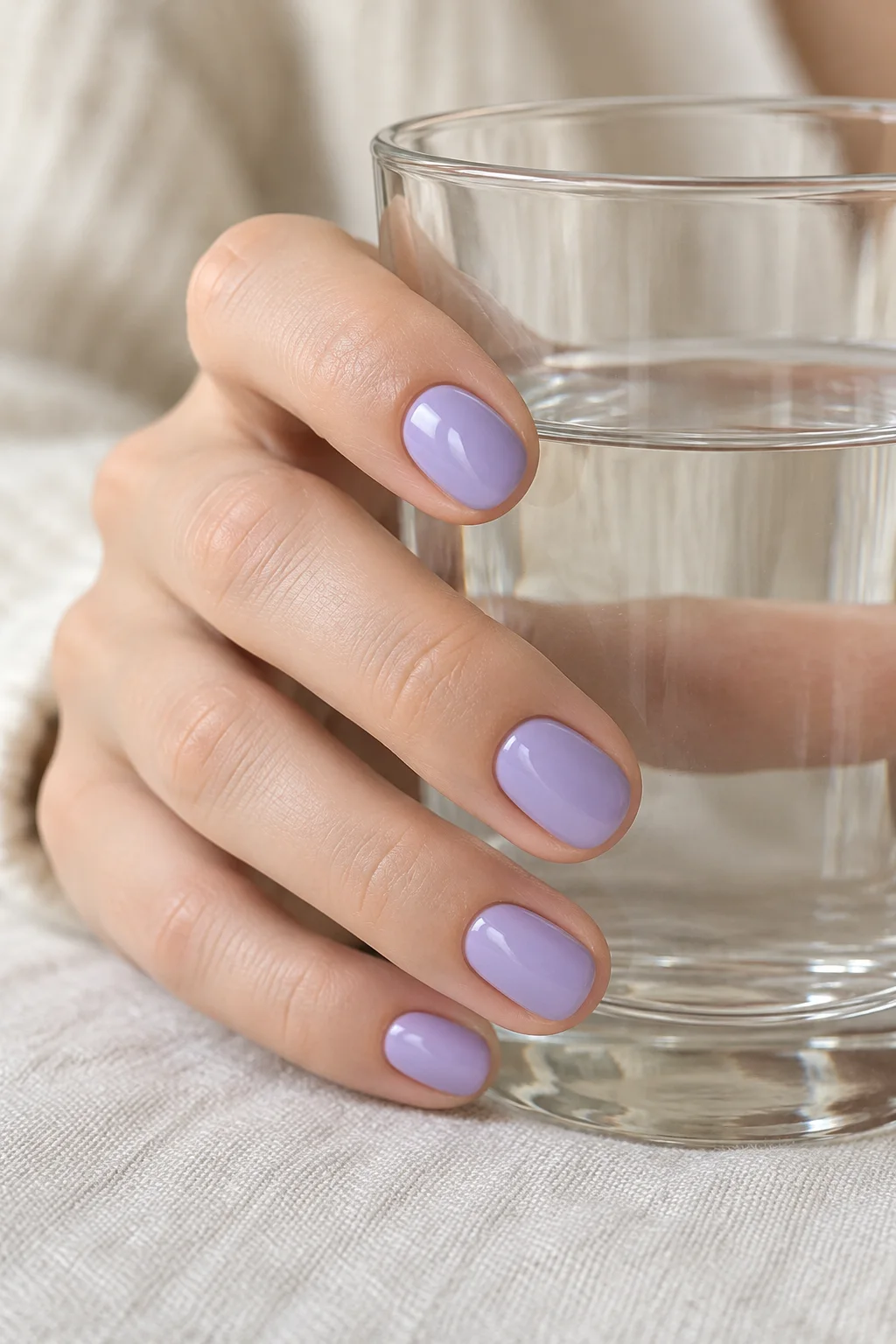 Lavender
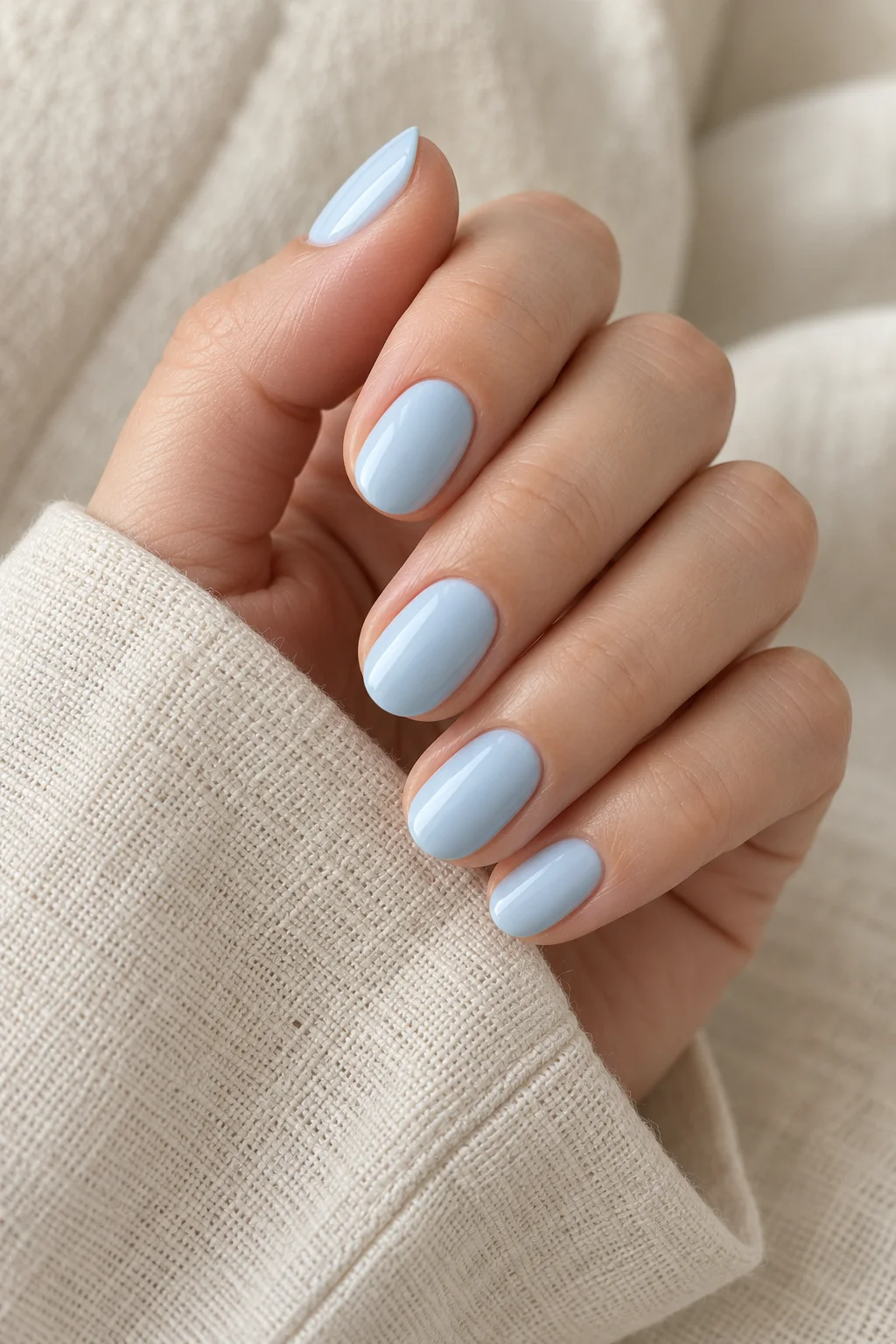 Powder blue
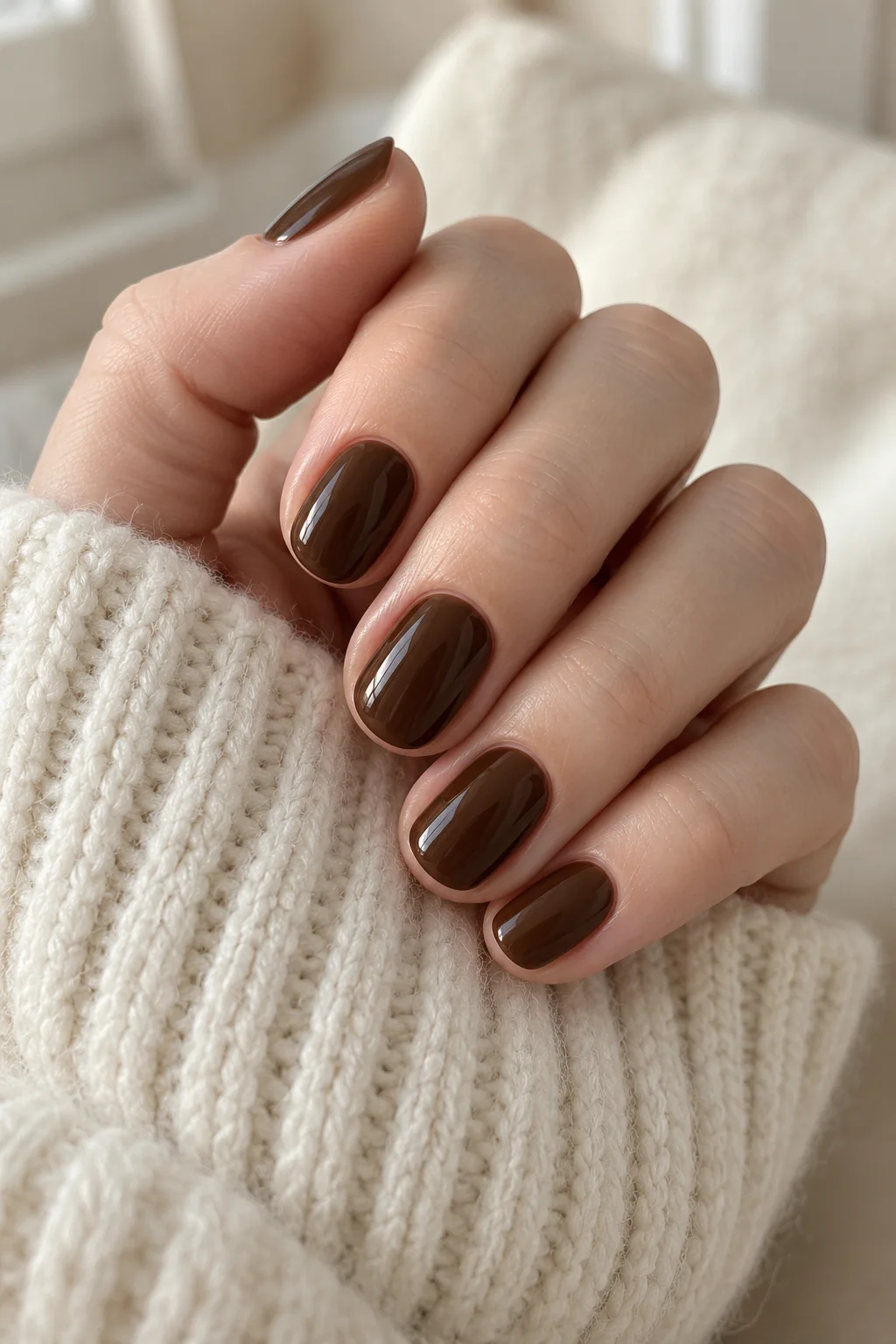 Chocolate brown
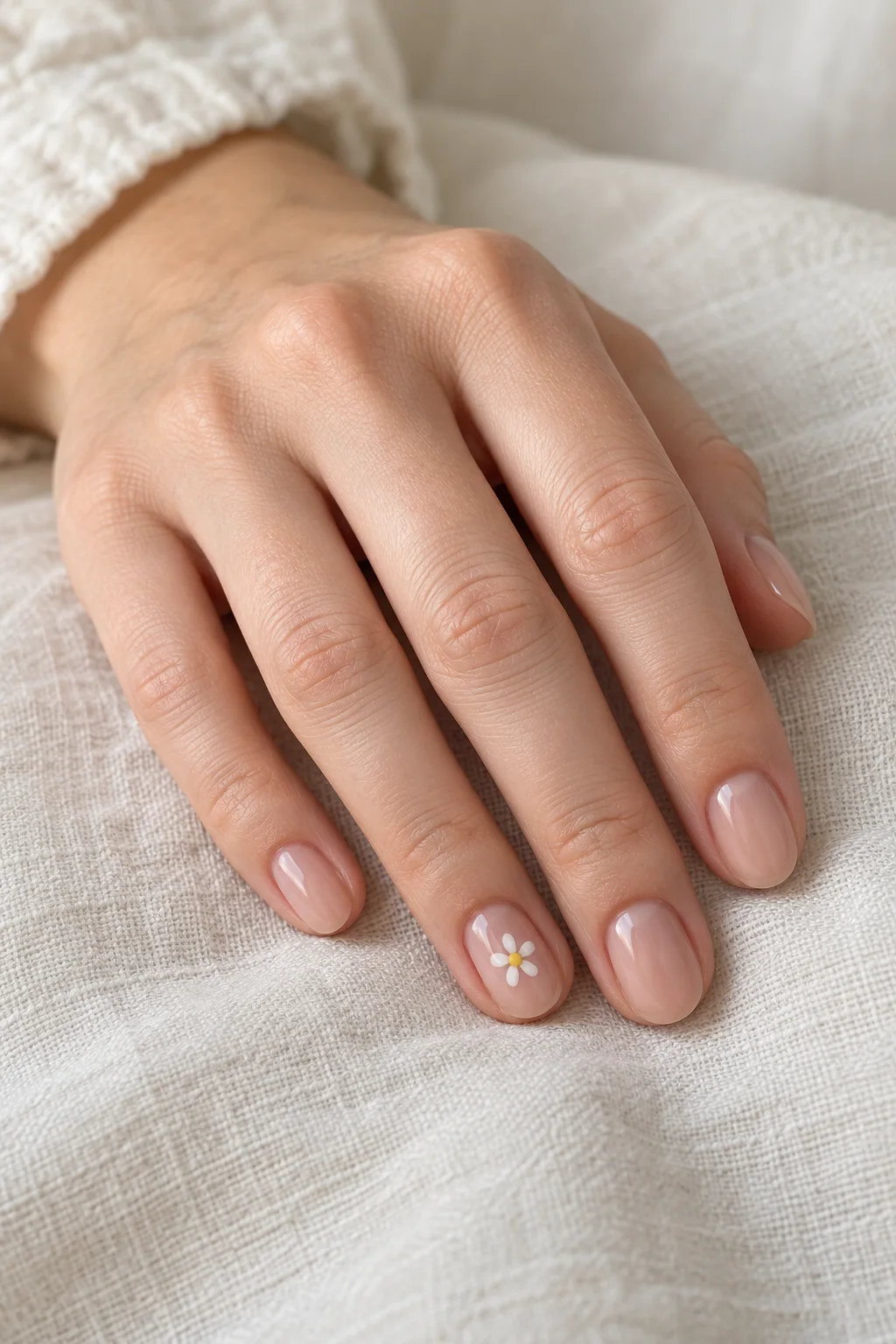 Single daisy accent
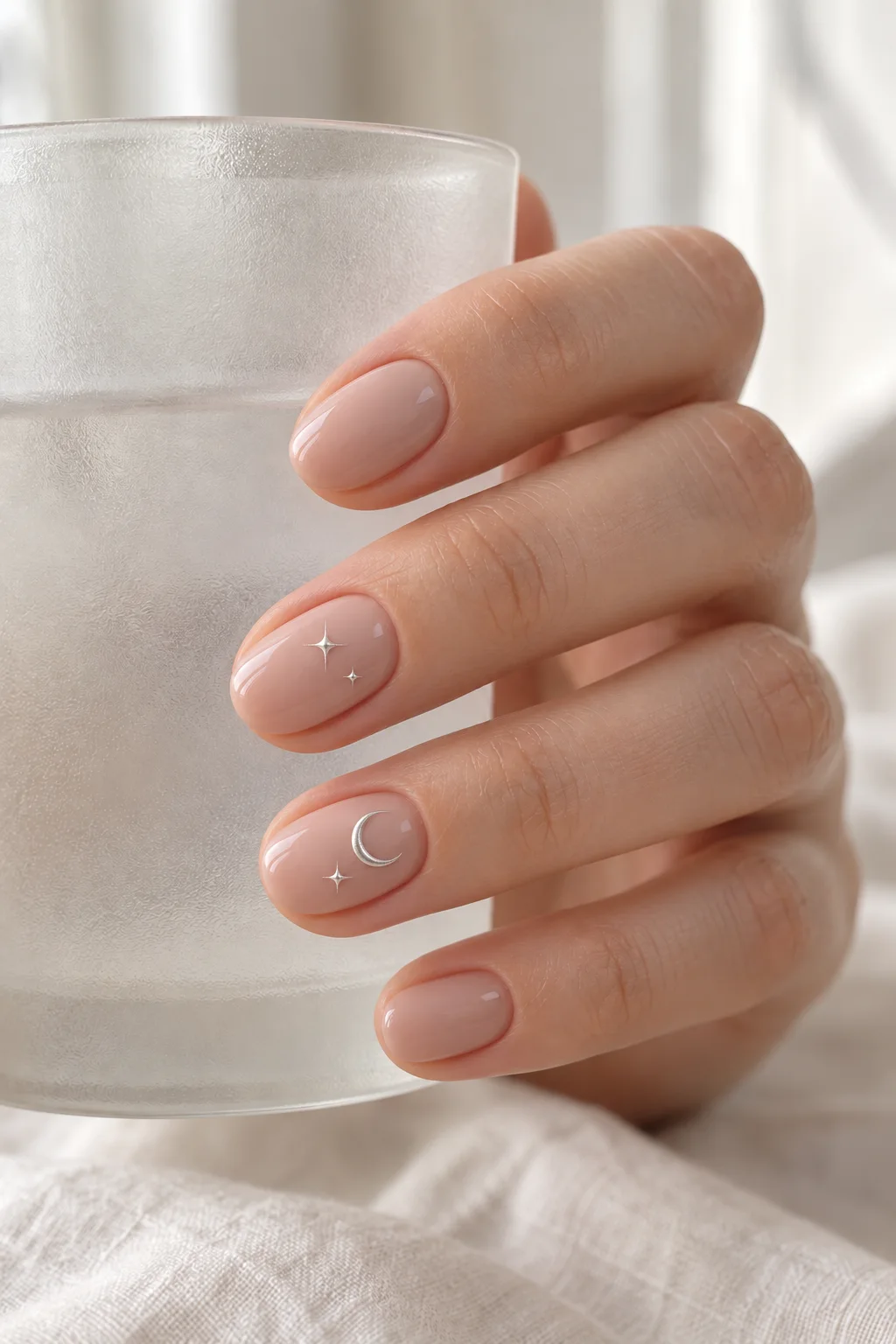 Moon-and-star accents
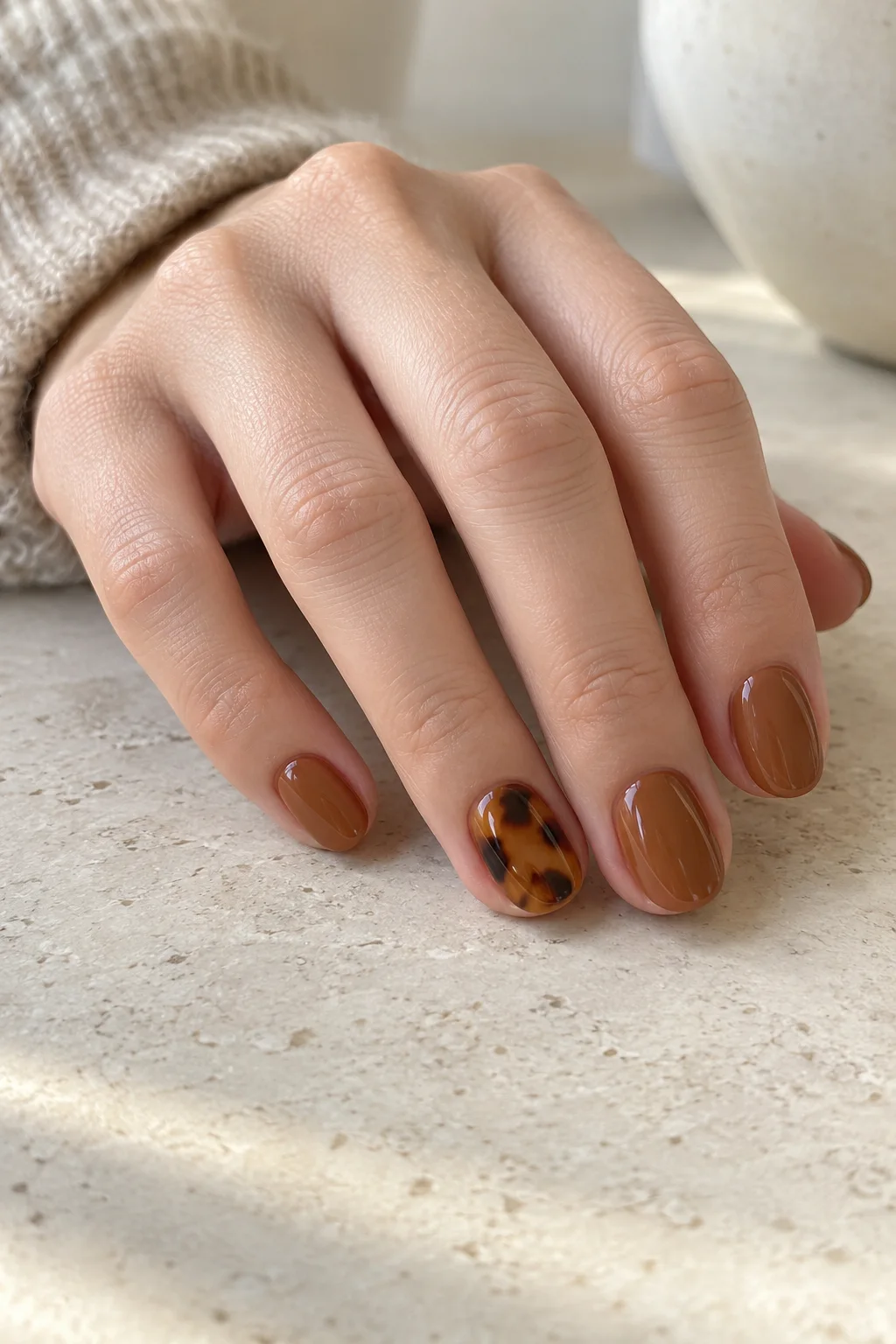 Tortoiseshell accent
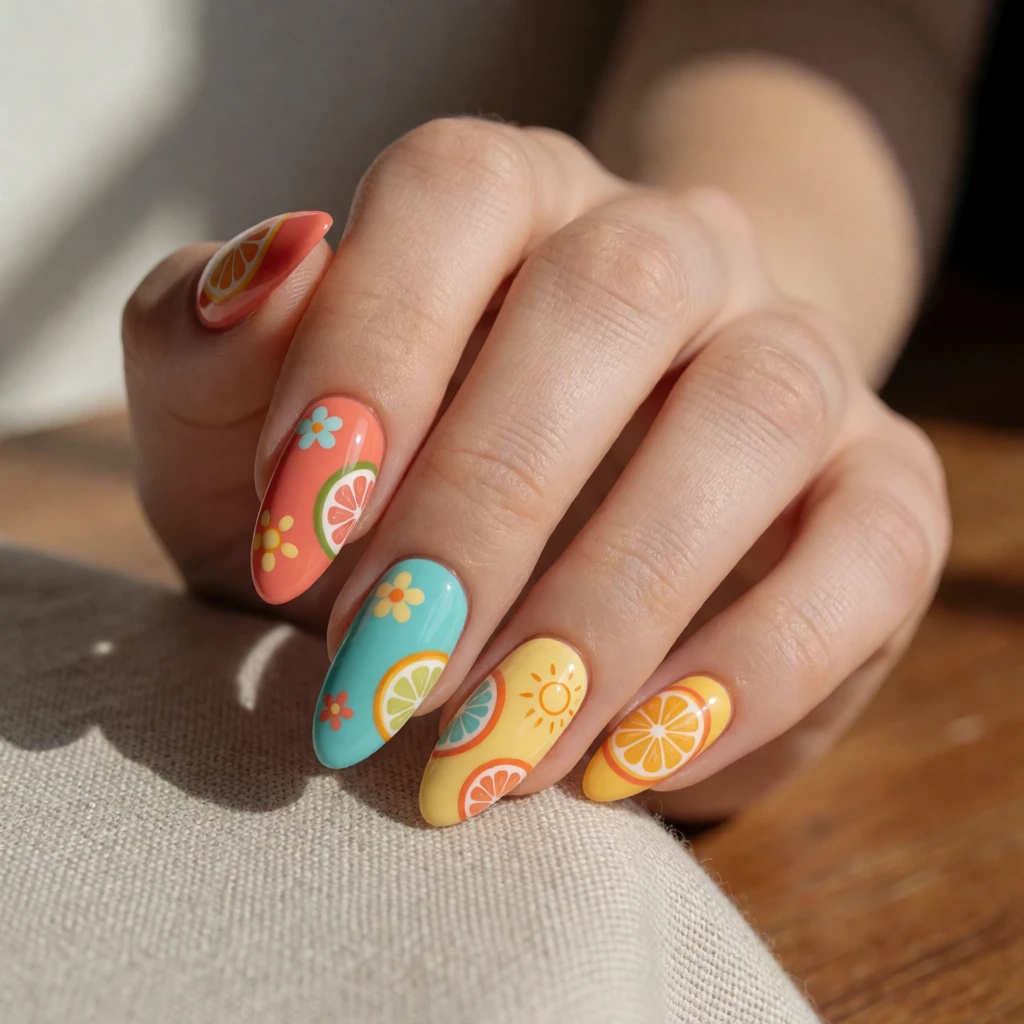 Summer Almond Nails
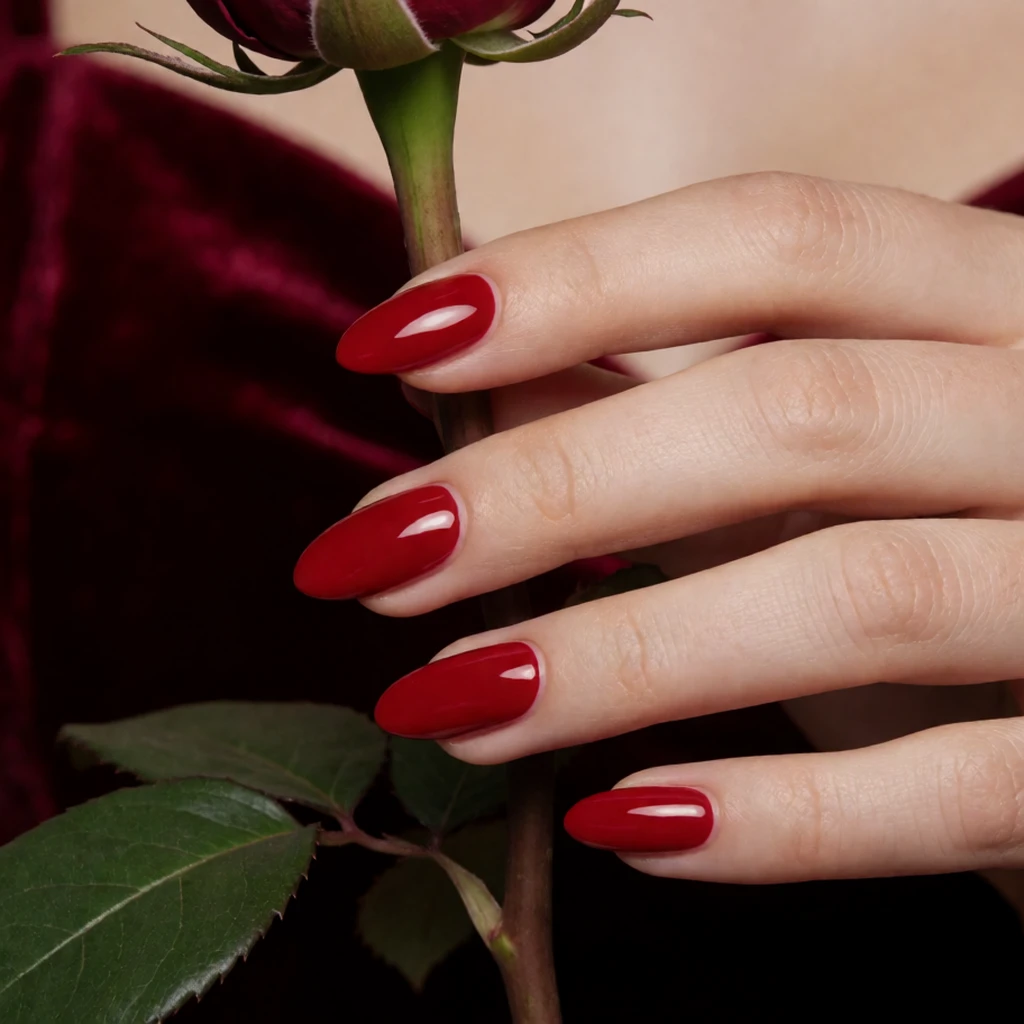 Red Almond Nails
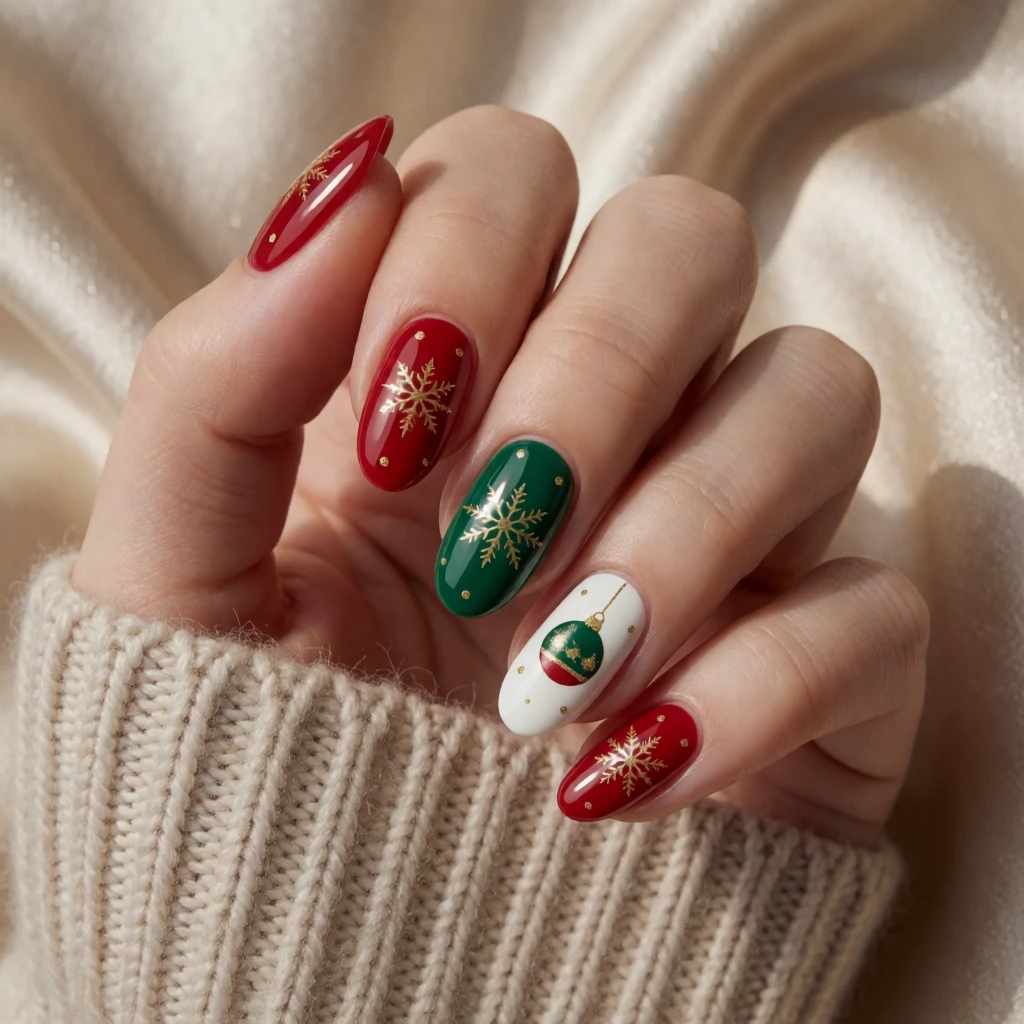 Christmas Nails Short
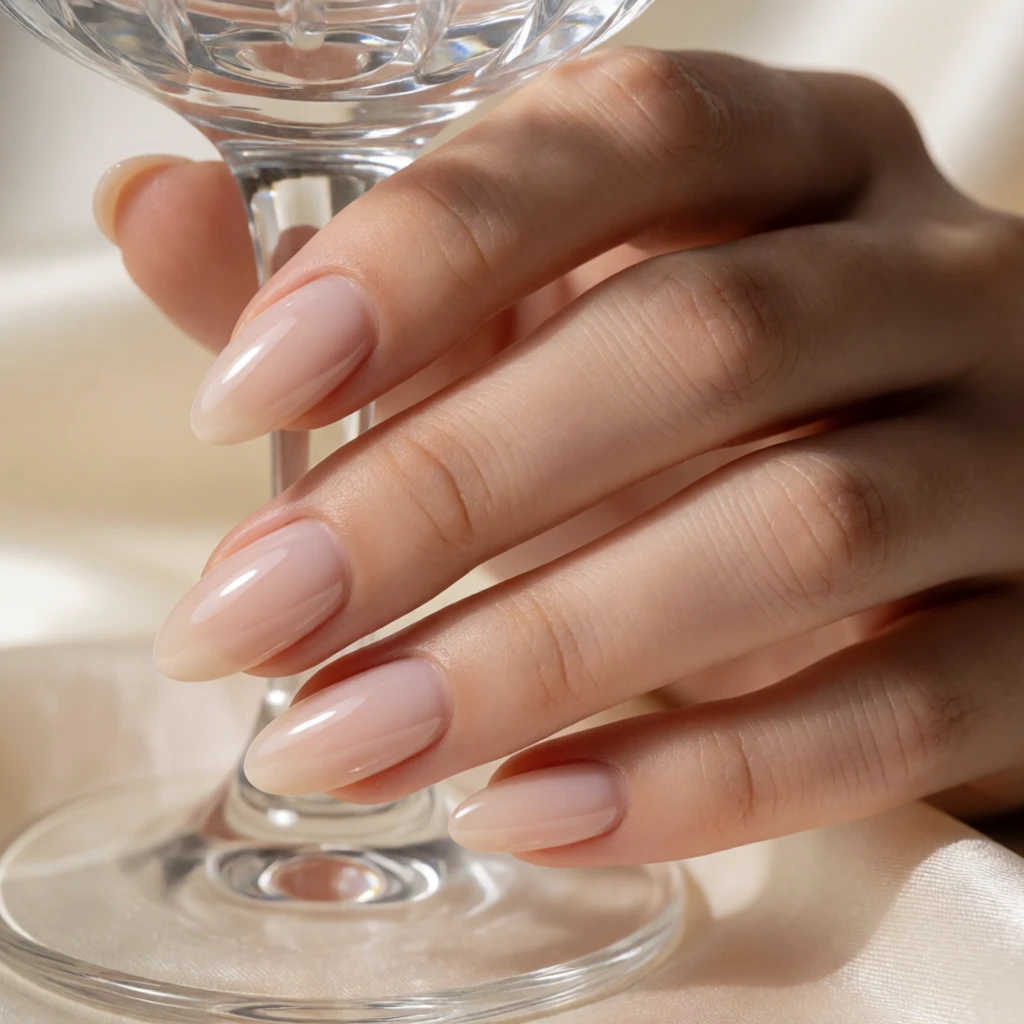 Milky Almond Glaze
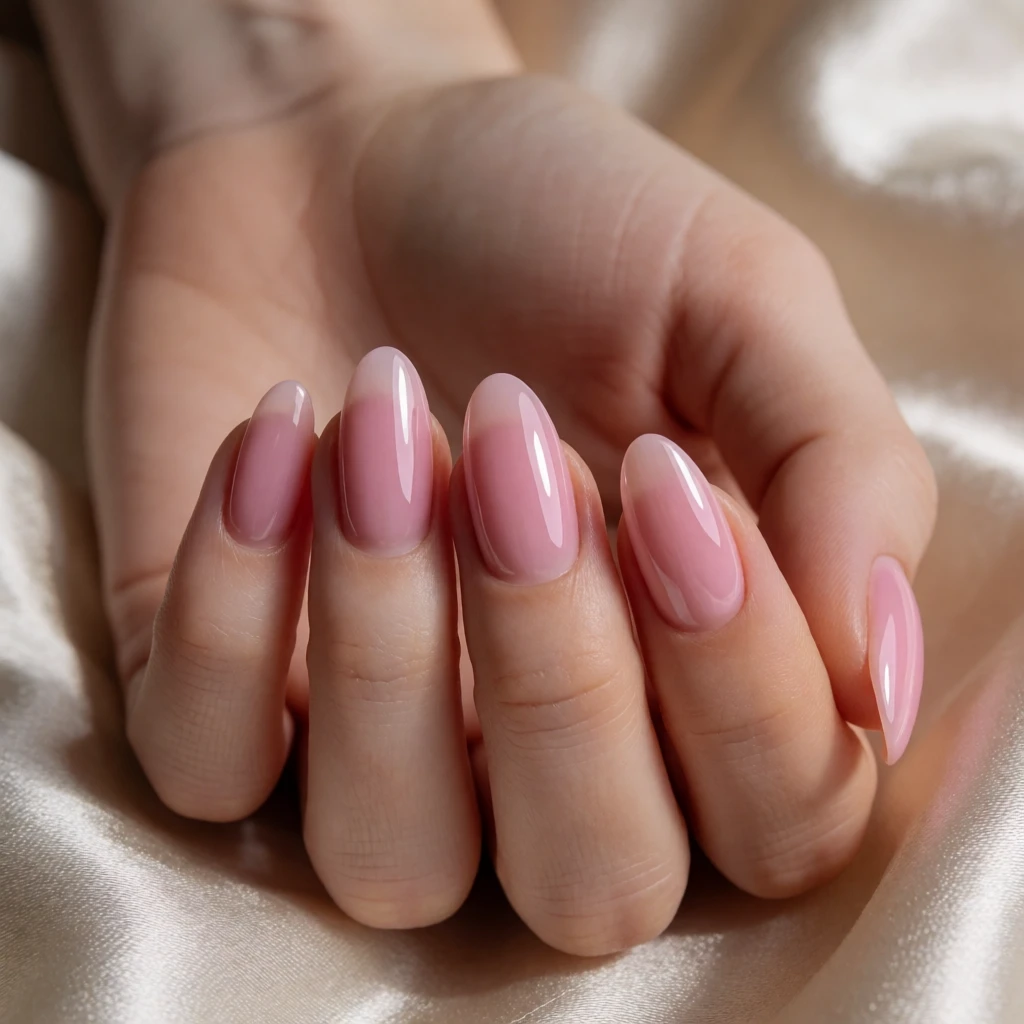 Pink Jelly Chrome
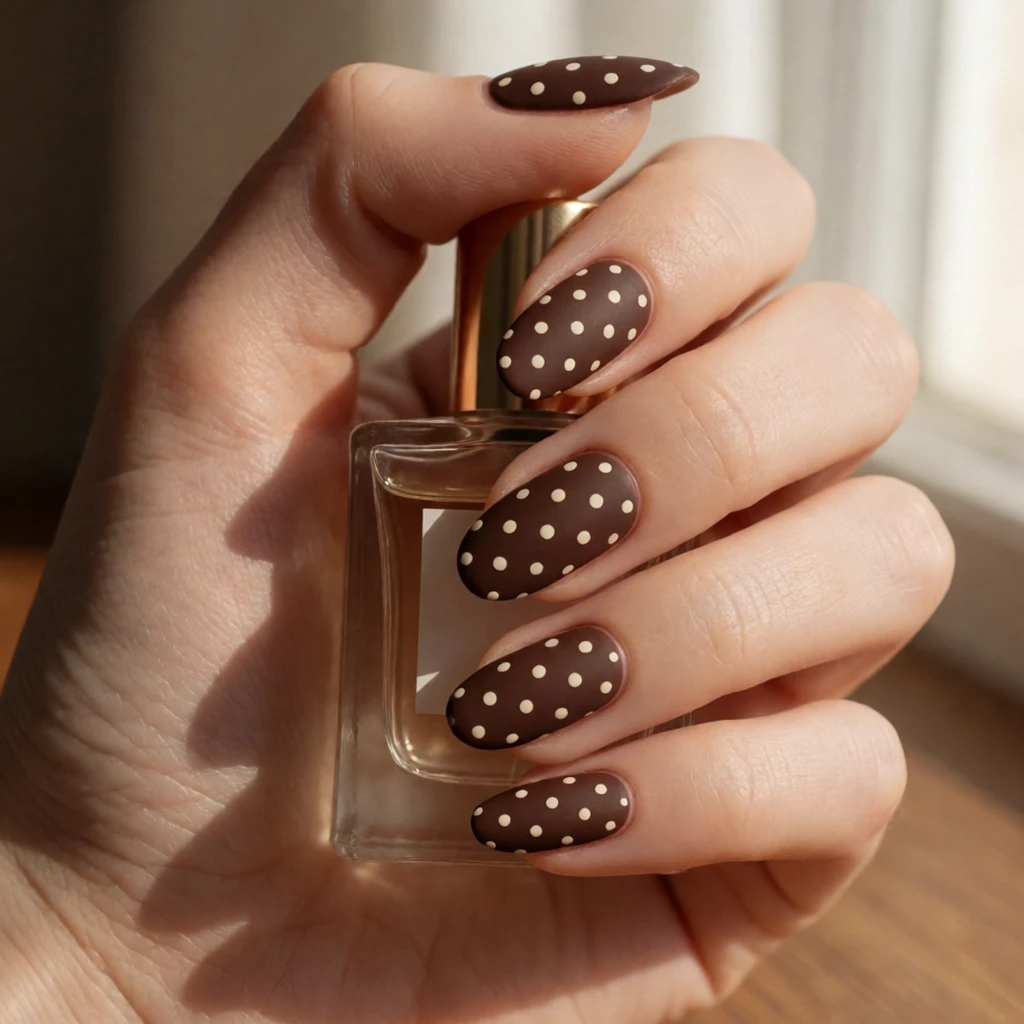 Mocha Velvet Dots
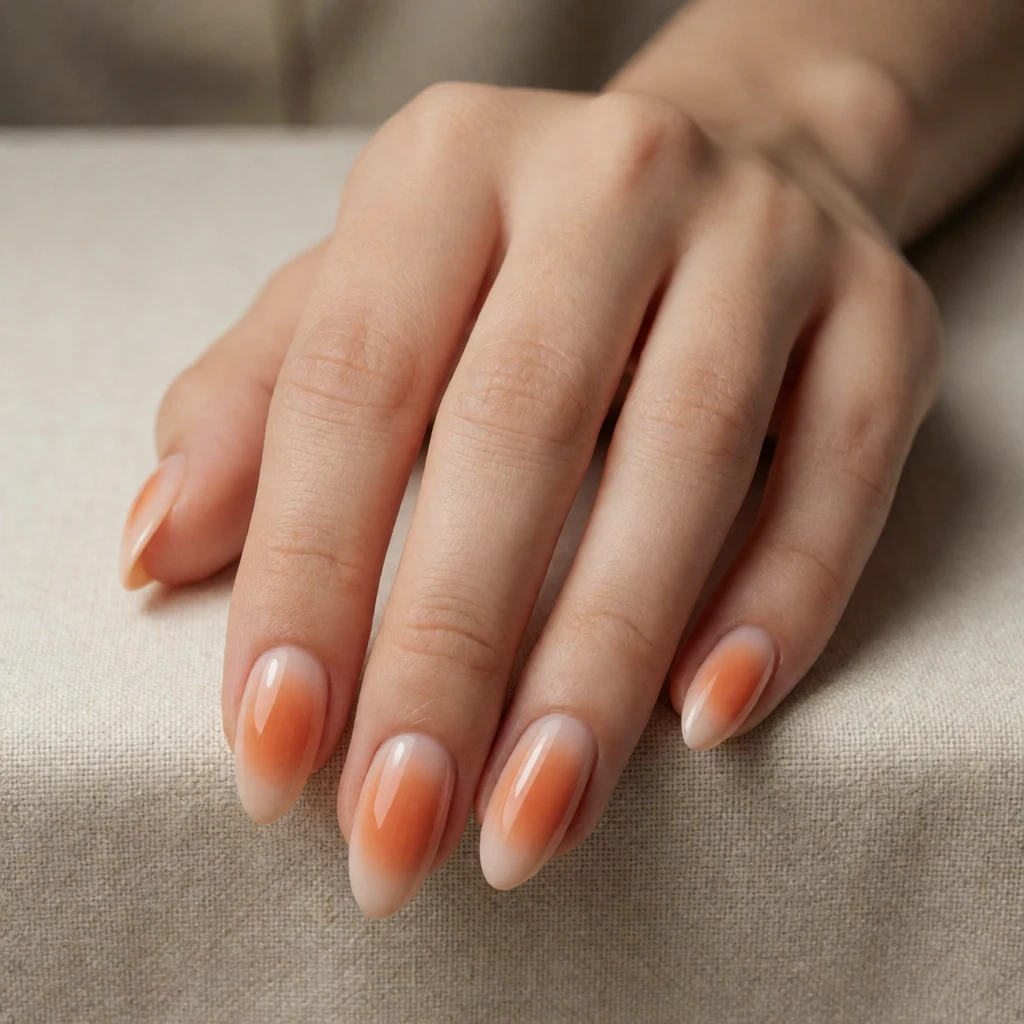 Peach Aura Almond
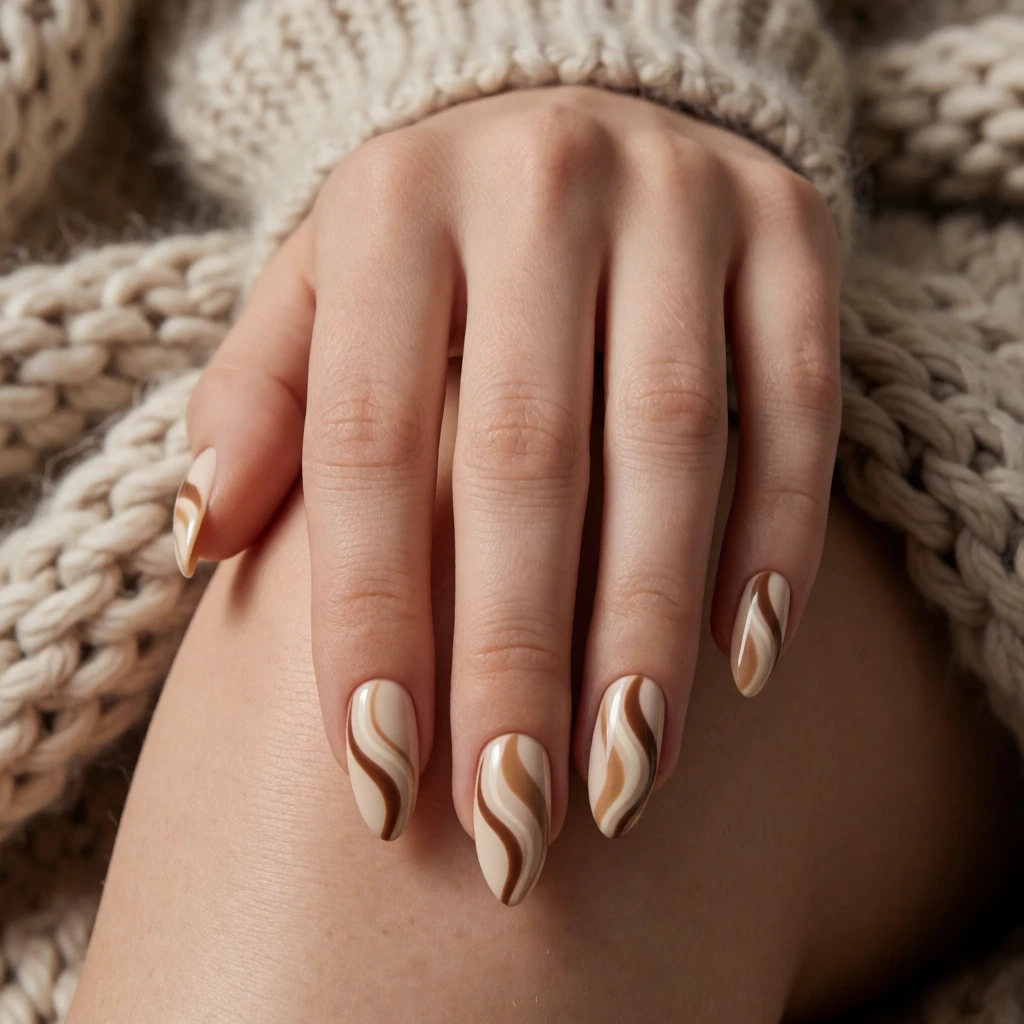 Iced Latte Swirls
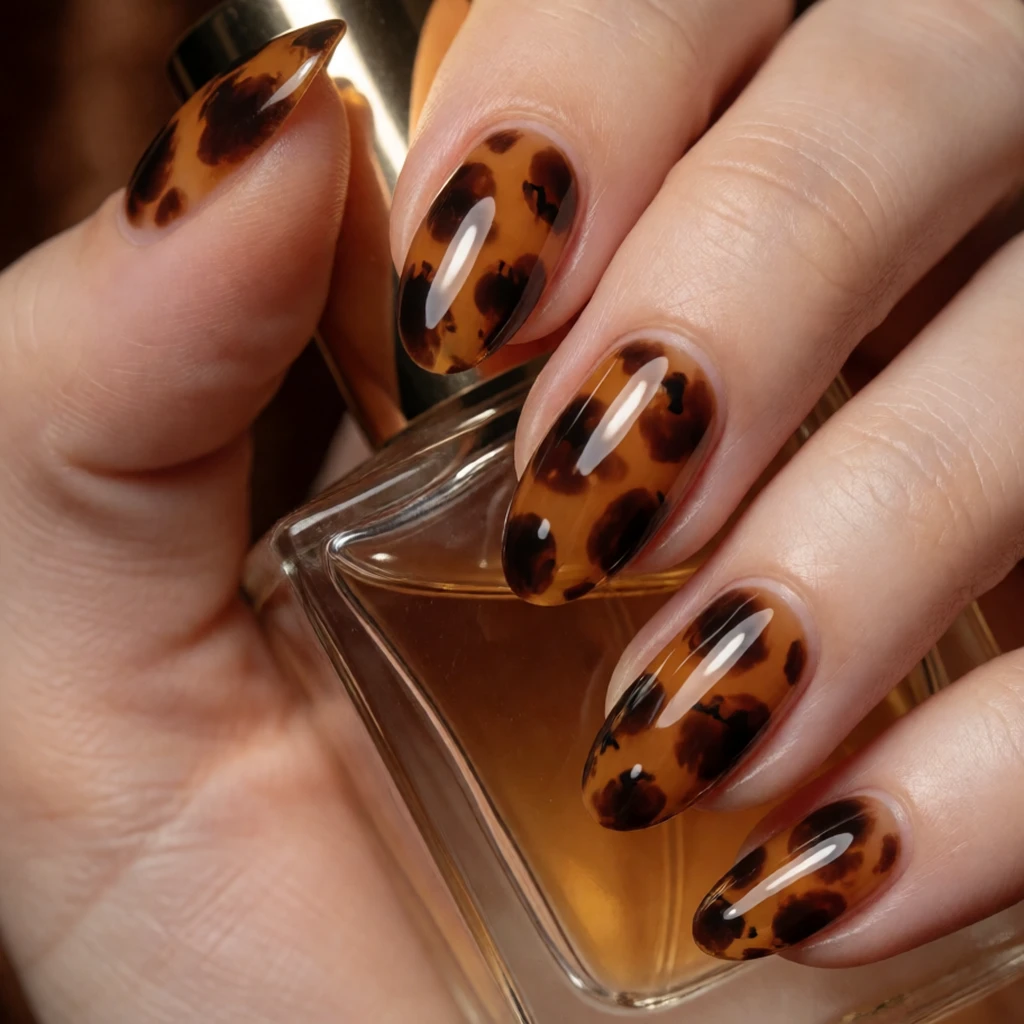 Tortoiseshell Jelly
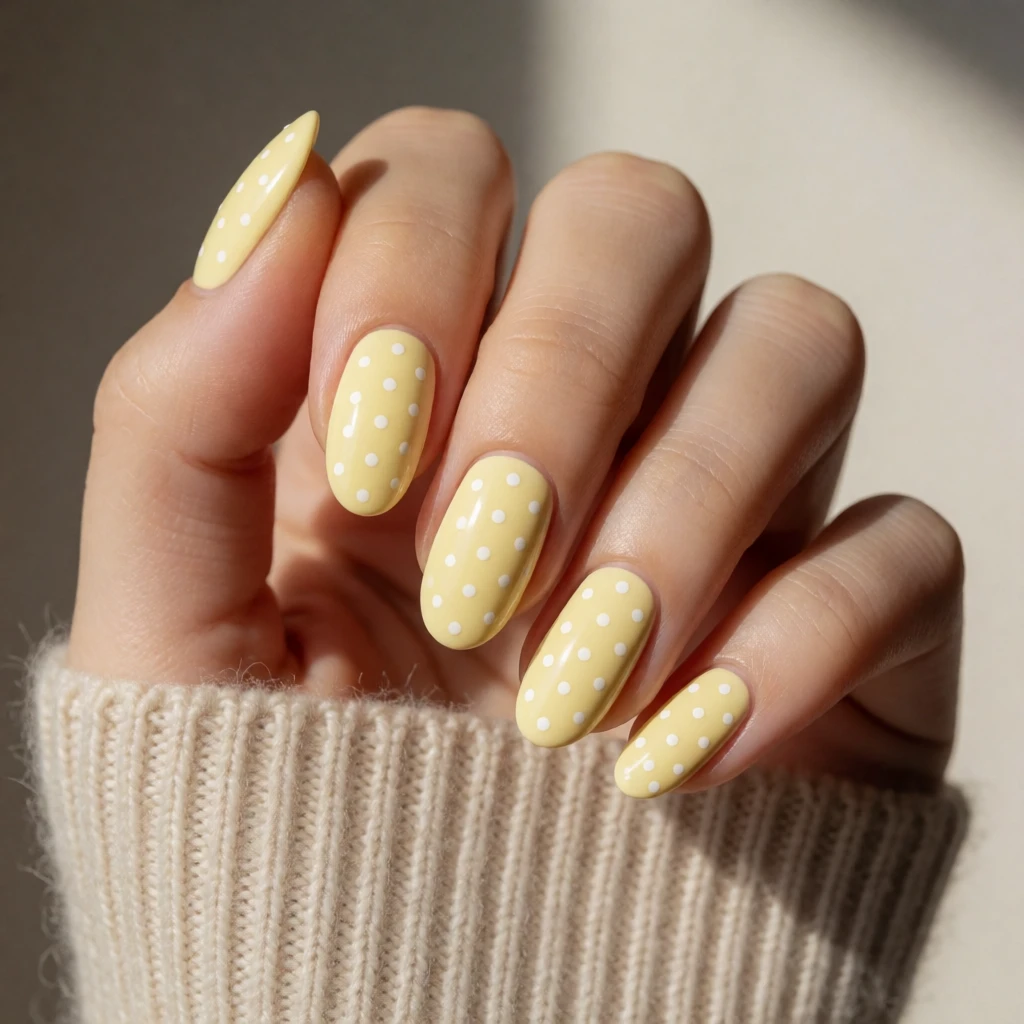 Butter Yellow Micro Dots
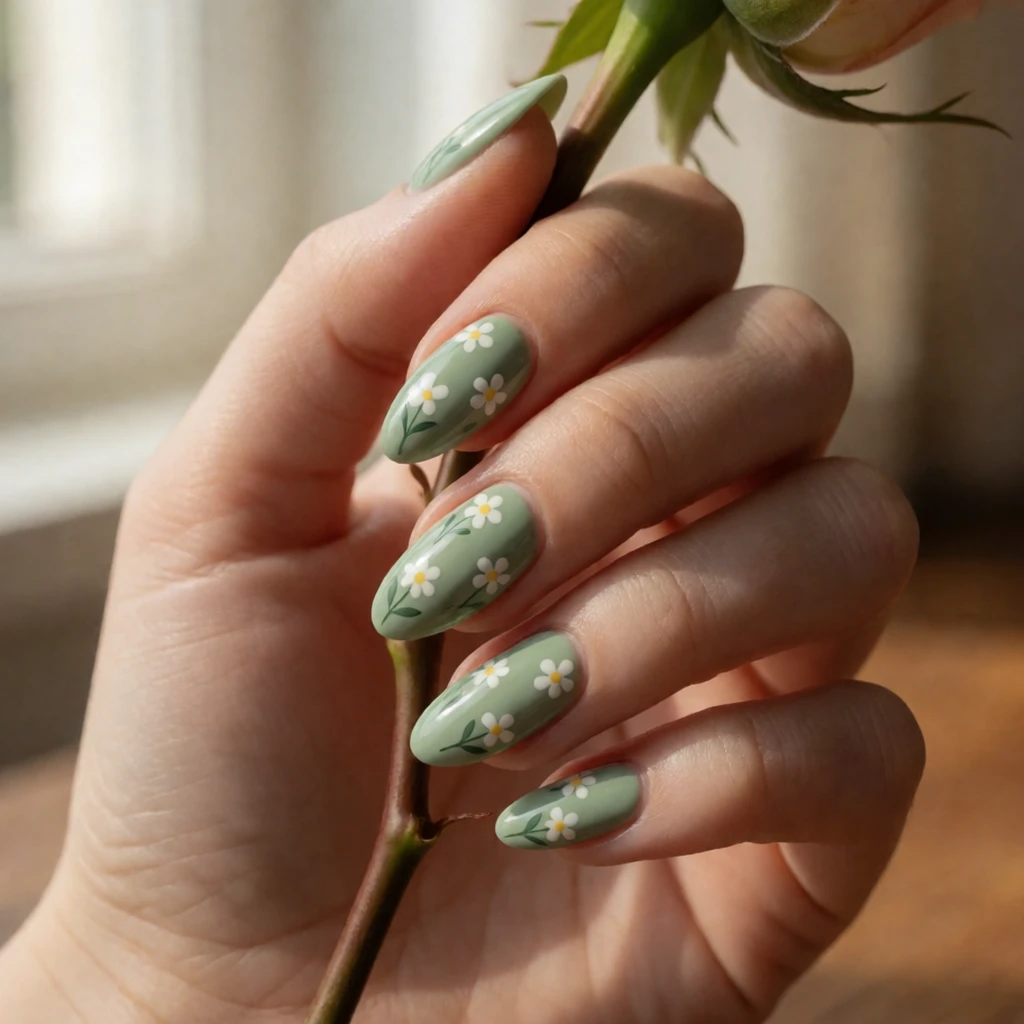 Sage Petal Almond
Keep exploring
Related guides
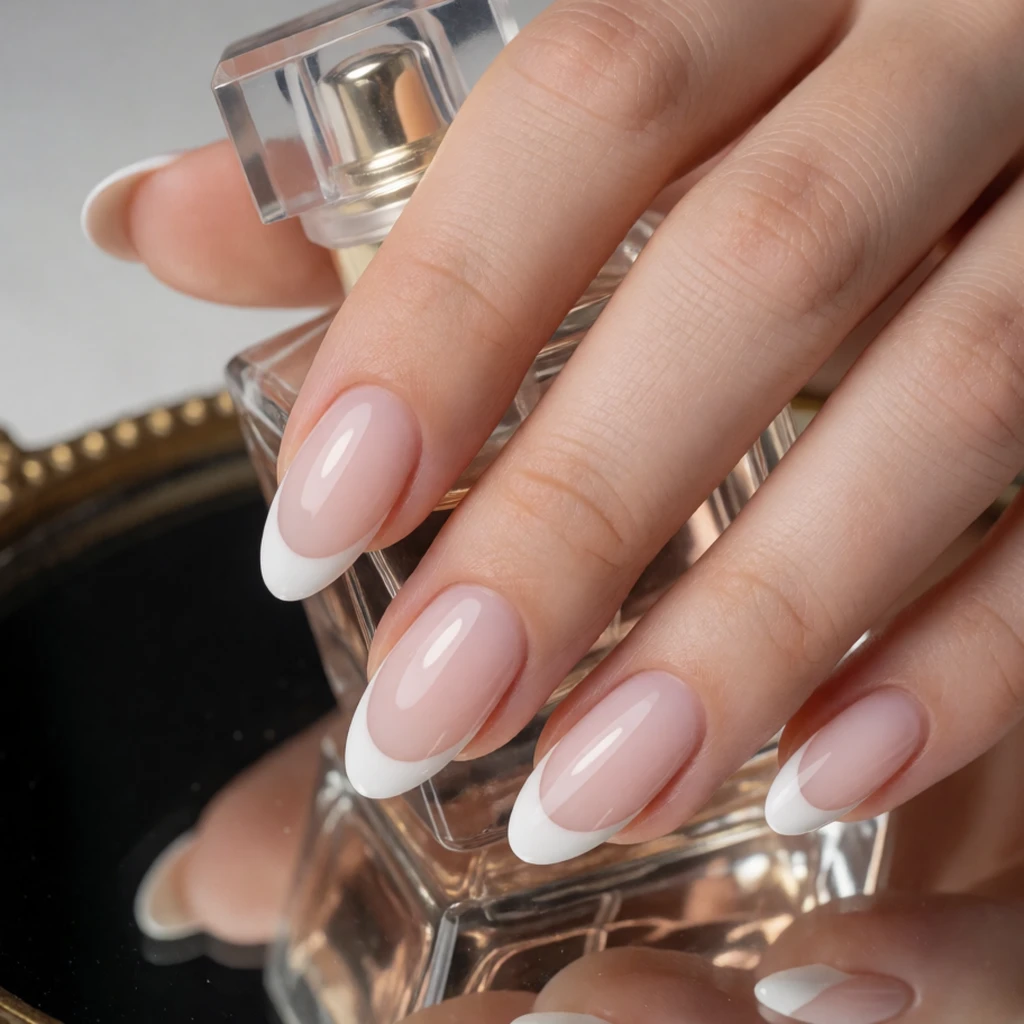 French tips
 add a defined white or colored edge to the square shape and work best when the free edge length is long enough to make the smile line visible.
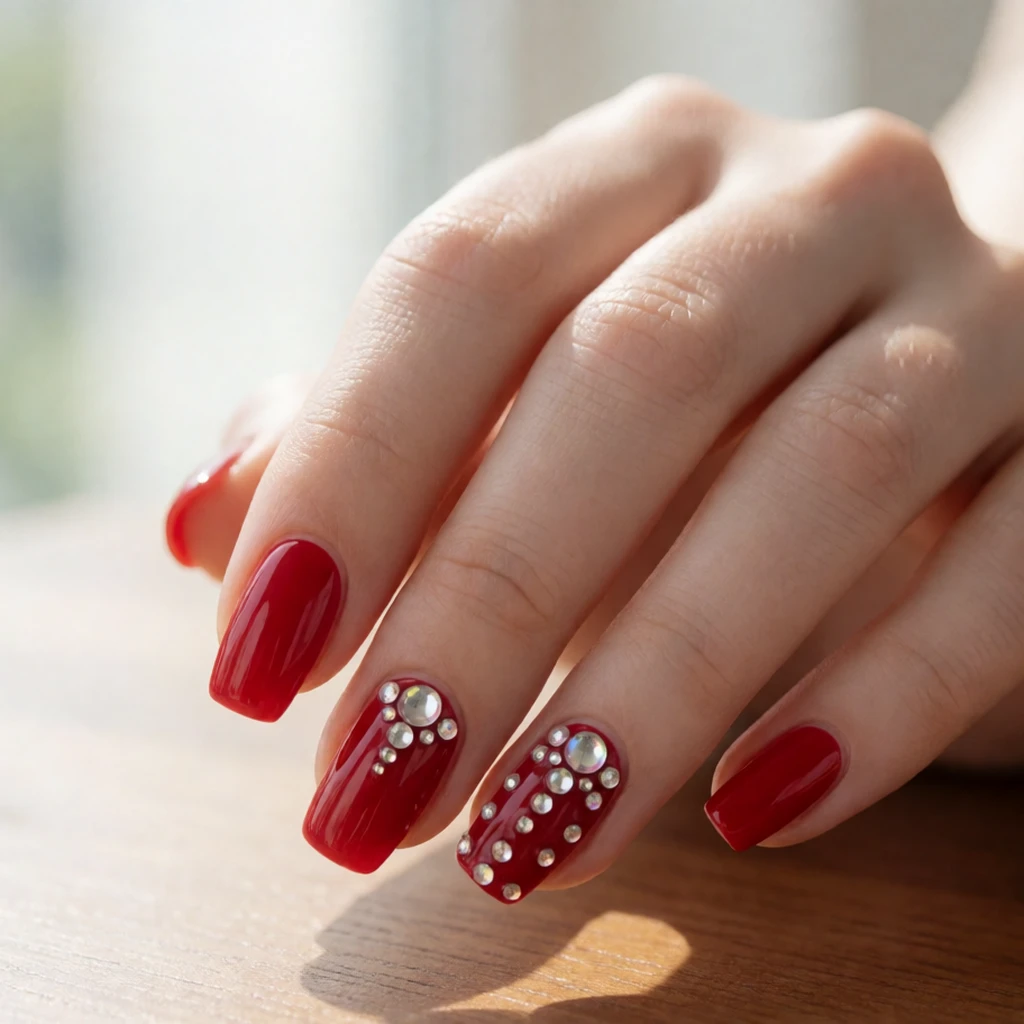 Press-on sets
 offer square shapes in pre-designed finishes that skip the drying time, though fit and adhesive choices vary by brand and nail width.
Questions
Will square corners chip faster than rounded ones?
Corners are a common chip point on any short nail. Capping the free edge with base and top coat on every layer and slightly softening the corners with a couple of file strokes reduces chipping noticeably without changing the look.
Can I do nail art on very short square nails?
Yes, but scale matters. Thin lines, small single motifs, color blocks, and tip details work better than large all-over patterns. Keep the design element to roughly half the nail's surface area for the clearest result.
How do I keep the free edge perfectly straight?
File in one direction with a fine-grit file, checking the nail from straight on after every few strokes. Correcting while you go takes less material than fixing an uneven edge after the fact.
What nail length counts as short for a square shape?
Short square nails typically extend no more than two to three millimeters past the fingertip. At that range, you still have a visible free edge to define the square without the nail catching on things constantly.
Generated references, not tested products. How shopping links work.